Dive into the heart of the South Pacific's legendary shark walls, pristine atolls, and thrilling pass drifts.
French Polynesia is the stuff of diving legend, a vast blue wilderness where remote atolls harbor some of the planet's most exhilarating marine encounters. The main event happens in the Tuamotu Archipelago, particularly the UNESCO Biosphere Reserves of Fakarava and Rangiroa. Here, tidal passes act as highways for marine life, creating 'walls of sharks' with hundreds of grey reef sharks, playful dolphins that join divers in the current, and graceful manta rays gliding by. It’s not just about the big stuff; the coral health is outstanding and the visibility often seems infinite.
Diving is possible year-round, but the best conditions are typically during the dry season from May to October. Liveaboards are, without a doubt, the best way to experience this region's full potential, accessing remote passes at the perfect tidal times. We've curated this list by analyzing our own diving experience, thousands of verified diver reviews, and the specific capabilities of each vessel to handle the unique demands of diving the Tuamotu passes.
 #1
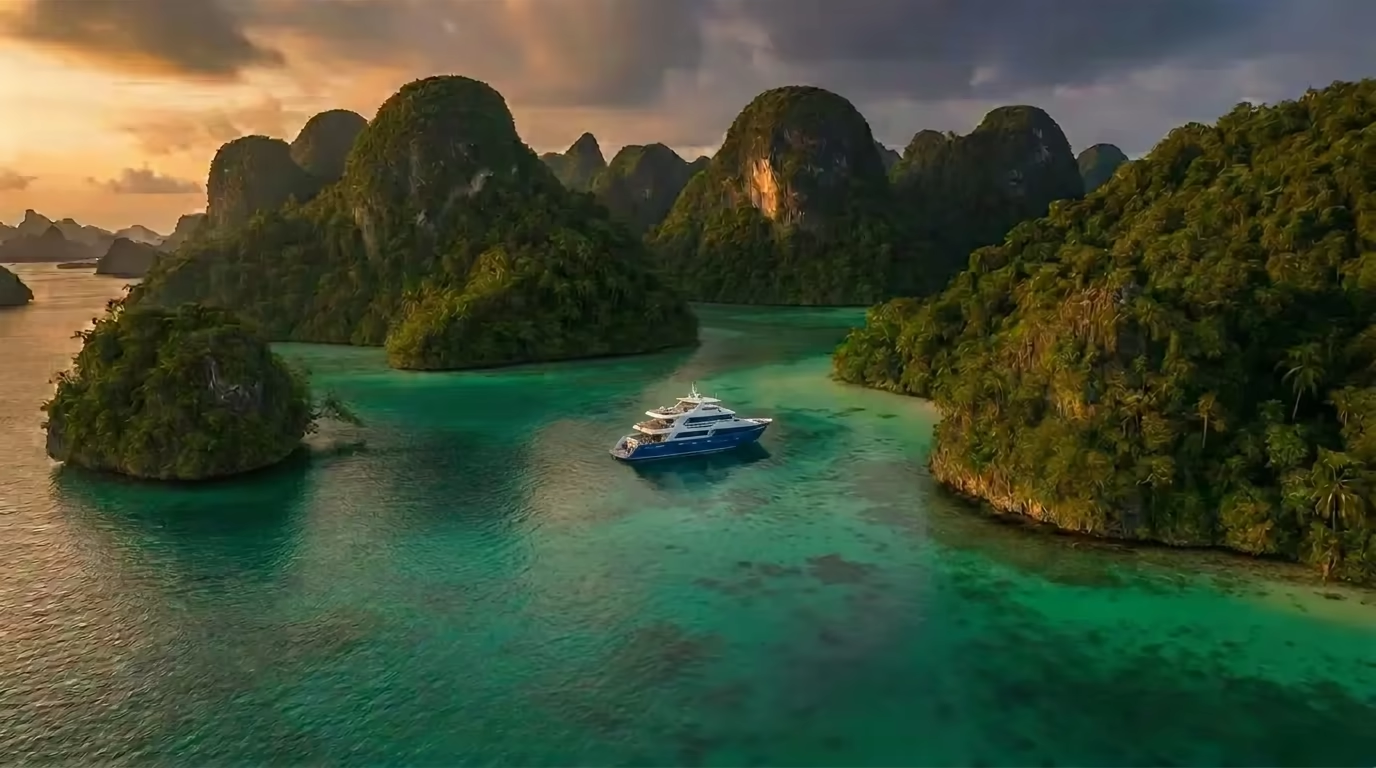
#1This catamaran excels at reaching remote atolls, providing intimate access to French Polynesia's vibrant marine life while navigating both calm lagoons and energetic passes.
 #2
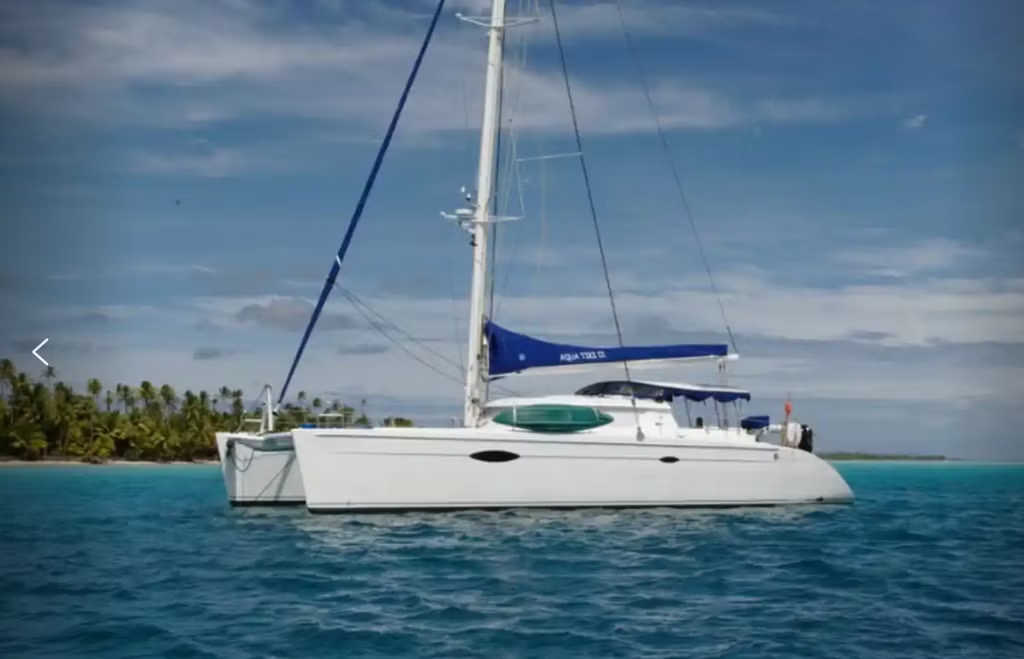
#2The Aqua Tiki III offers an intimate liveaboard experience, perfect for exploring French Polynesia's vibrant coral reefs and abundant marine life in comfort and style.
The question isn't *if* you should go to French Polynesia, but *when*. Diving is excellent all year, but there are two main seasons. The dry season (May-October) brings slightly cooler water (around 26°C/79°F), calmer seas, and often the best visibility. This a great time for general diving and shark action. The wet season (November-April) sees warmer water (up to 29°C/84°F) and is the prime time for hammerheads to congregate in the Tuamotus, though you trade this for a higher chance of rain and choppier surface conditions.
Your vessel choice here matters more than in many other destinations. French Polynesia is vast, so a liveaboard with good range and fuel efficiency is key to reaching the best, most distant atolls. Critically, look for boats with powerful, sturdy dive tenders (RIBs or zodiacs). These are essential for dropping divers precisely at the start of a pass drift and for safe pickups in strong currents. Given the nature of the diving—multiple deep, square-profile dives per day—free Nitrox is a massive benefit that will extend your bottom time and reduce fatigue. A spacious, well-organized dive deck also makes a huge difference when gearing up for current-heavy dives.
A typical French Polynesia liveaboard itinerary lasts 7 or 10 nights, primarily focusing on the Tuamotu atolls of Rangiroa, Fakarava, and sometimes Apataki or Toau. Due to the remote location, operational costs, and required vessel specs, this is a mid- to premium-priced destination. Expect to budget between $4,500 and $7,000 USD for a 7-10 night trip. This investment gets you front-row seats to some of the most dramatic underwater spectacles on Earth, far from the day-tripping crowds.
One common mistake divers make is underestimating the currents. These are not gentle drifts; they are powerful flows that require confidence and experience. Practice your buoyancy and be prepared to use a reef hook (usually provided) to hold your position and watch the show. Another pitfall is waiting too long to book. With a limited number of high-quality liveaboards, the best boats fill up 12 to 18 months in advance, especially during peak seasons. Pro-tip: pack reef-safe sunscreen to protect the pristine corals, and even though the water is warm, consider a 5mm wetsuit if you get cold easily after multiple dives a day.
It's globally renowned for its incredible shark populations. The passes in the Tuamotu atolls, like Fakarava and Rangiroa, concentrate marine life, creating 'walls of sharks' featuring hundreds of grey reef sharks. It's also famous for encounters with bottlenose dolphins, manta rays, and huge schools of fish in crystal-clear water. The sheer density and health of the ecosystem is what makes it a bucket-list destination for serious divers.
For dedicated divers, unequivocally yes. While resorts offer good local diving, a liveaboard is the only way to truly access the remote and premier sites, such as Fakarava's South Pass or the wildest corners of Rangiroa. Liveaboards time their dives with the tides perfectly for the best action in the passes and allow you to dive multiple atolls in one trip, which is impossible from a land-based operator.
An Advanced Open Water certification is highly recommended. Many of the most iconic dives involve depths greater than 18m/60ft and, more importantly, strong currents. You should be comfortable with drift diving and have good buoyancy control. While you don't need to be a tech diver, this isn't the ideal place for your first few dives after certification. Most boats require a minimum of 50 logged dives.
Water temperature is pleasantly warm year-round. It ranges from a low of about 26°C (79°F) during the dry season (July-Aug) to a high of 29°C (84°F) in the wet season (Jan-Feb). A 3mm full wetsuit is sufficient for most divers. However, because you'll be doing multiple dives a day, some people who chill easily might prefer a 5mm wetsuit for extra comfort, especially during the cooler months.
No, you typically do not need to bring your own. The pass dives often involve hooking into the reef to watch the sharks and other marine life in the current. Because this is standard procedure, virtually all liveaboards in French Polynesia provide reef hooks and brief you on their proper, non-damaging use. However, if you have a personal one you're comfortable with, it doesn't hurt to bring it.