
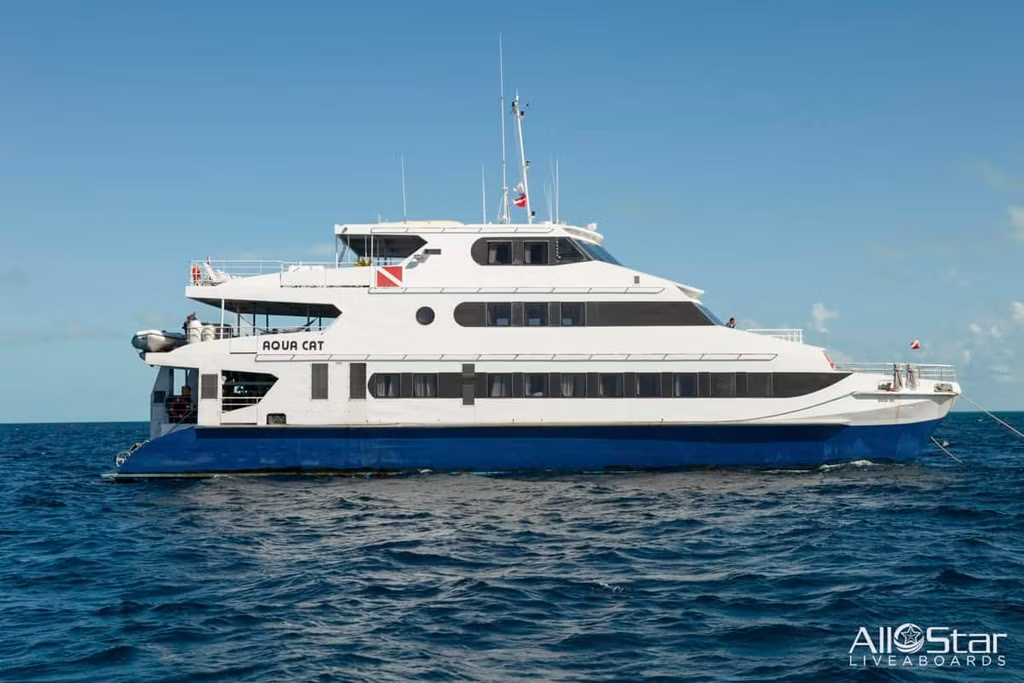
Dive with sharks, drop-offs, and wrecks from your floating hotel in the clear blue waters of the Bahamas.
The Bahamas isn't just a destination; it's a 700-island playground for divers, and a liveaboard is your key to accessing its most remote and thrilling underwater realms. This is the shark capital of the Caribbean, famous for reliable, up-close encounters. From the legendary tiger sharks of Tiger Beach to the elusive great hammerheads in Bimini and the bold oceanic whitetips off Cat Island, the experiences here are world-class. Beyond sharks, you'll discover dramatic walls plunging into the abyss, intricate reef systems, blue holes, and fascinating wrecks.
Diving here is spectacular year-round, though specific seasons attract unique marine life. To help you navigate the options, we've gone beyond the marketing brochures. This list was curated by our team of diving professionals based on hundreds of customer reviews, personal inspections, safety records, and the overall value provided. These are the boats that consistently deliver unforgettable Bahamian adventures.
 #1
#1Explore the unique geology of the Bahamas, from vibrant, shallow coral gardens to dramatic deep-sea walls patrolled by pelagic species and sharks.
 #2
#2Dive the incredible Bahama Banks without breaking the bank. The Morning Star offers a no-frills, adventure-focused liveaboard experience, perfect for maximizing your dive time and minimizing cost.
 #3
#3Tailored for the Bahamas' unique geology, this liveaboard offers comprehensive diving, ecological journeys and shark encounters in the Exuma Cays, plus convenient Saturday check-ins.
 #4
#4The Bahamas Aggressor I offers consistent shark encounters among dramatic walls and crystal-clear waters, perfect for thrill-seeking divers.
 #5
#5The Bahamas Aggressor II offers unparalleled access to dramatic walls and clear pelagic highways, perfect for exploring the Bahamas' unique deep-water ecosystems and thriving coral gardens.
The best time to dive the Bahamas depends on your goals. For big animal encounters like Great Hammerheads in Bimini and Oceanic Whitetips, the cooler, drier months from December to May are prime time. This period generally offers calmer seas. Summer (June to November) brings warmer water but also coincides with hurricane season, so travel insurance is a must. That said, shark diving for species like Caribbean Reef and Tiger sharks is excellent year-round.
When choosing a vessel, consider its range and stability. Bahamas itineraries often cover long distances between island groups like Grand Bahama, the Exumas, and Bimini. A sturdy, sea-worthy boat is essential. While much of the diving is done directly from the main vessel's dive deck, some trips may use tenders (RIBs) to access shallower sites or for specialized excursions. Nitrox is practically essential here; with multiple dives per day, it significantly extends your bottom time and reduces fatigue. A spacious, well-organized dive deck is also a major plus, especially for photographers.
A typical Bahamas liveaboard trip lasts 7 to 10 nights. This gives you enough time to explore a specific region, like the Northern or Southern islands, without feeling rushed. Prices vary by vessel and itinerary, but you can generally expect to budget between $2,800 for a solid mid-range option and upwards of $4,500 for premium boats or longer, more specialized itineraries focusing on rare shark encounters. Always check what's included, as park fees and fuel surcharges can be extra.
A common mistake is underestimating water temperatures in the winter. While tropical, the water can dip to 22°C (72°F), making a 5mm wetsuit and even a hood a wise choice. Pro tip: book well in advance, as primetime shark season dates (especially for hammerheads) sell out a year or more ahead. Also, remember that 'shark diving' means you're in their natural habitat; encounters are extremely likely but never 100% guaranteed. Finally, pack reef-safe sunscreen and a good windbreaker for breezy surface intervals.
Most Bahamas liveaboards require an Advanced Open Water certification with at least 30-50 logged dives. The diving can involve currents, deep profiles, and open-ocean conditions, particularly on shark dives. Some boats may allow Open Water divers to complete their Advanced certification onboard, but this should be arranged well in advance. Experience is key for both your safety and enjoyment.
It's a year-round shark destination! However, specific species have peak seasons. Great Hammerheads in Bimini are best from December to April. Oceanic Whitetips are most reliably seen off Cat Island from March to June. Tiger sharks at Tiger Beach are present all year but are most numerous from October to January. Caribbean reef sharks are a constant presence on most dives.
Absolutely. With itineraries offering up to 4-5 dives per day, Nitrox is a game-changer. Many dives, especially wall and shark dives, are in the 25-30m (80-100ft) range. Using Nitrox maximizes your no-decompression limits, allowing for more quality time underwater. It also helps reduce fatigue over the course of a multi-day trip, letting you get the most out of your investment.
Temperatures vary significantly by season. In winter (Dec-Mar), expect 22-24°C (72-76°F), where a 5mm full wetsuit is highly recommended; some divers add a hood or vest. In the summer months (Jun-Sep), the water warms up to a balmy 28-30°C (82-86°F), and a 3mm shorty or even a skin suit will be comfortable for most people.
Yes, always budget for additional costs. Common add-ons include a Port and Park Fee (typically $100-$150 per person), crew gratuity (customarily 10-15% of the trip cost), gear rental, alcoholic beverages, and Nitrox fills if not included in your package. Always read the fine print of your booking to understand what is and isn't covered.