
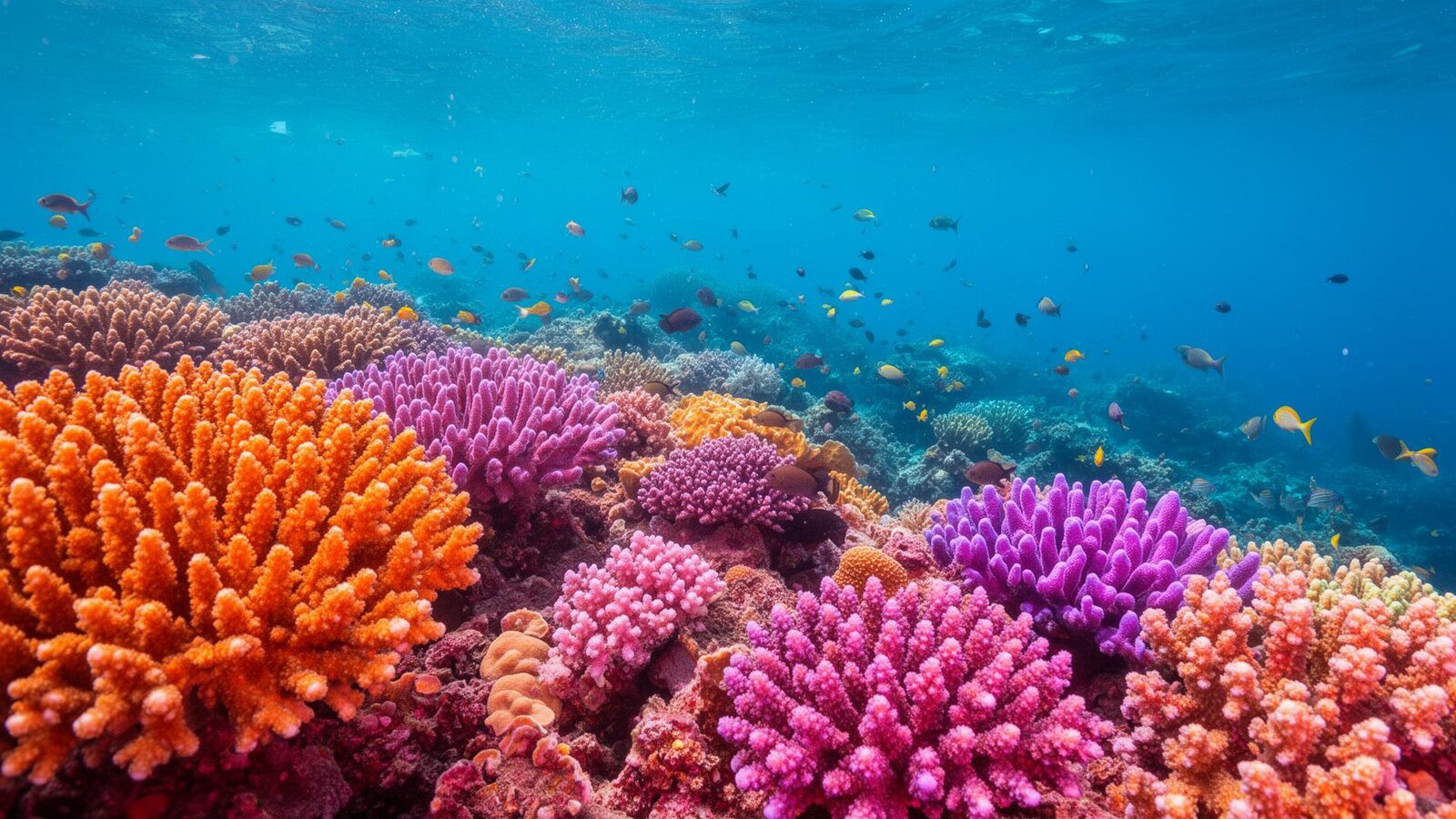
World-class wrecks, pristine reefs and shark encounters in the Red Sea
Egypt's Red Sea is the original liveaboard destination — the place where modern dive cruising was invented and where, more than fifty years later, it still delivers some of the most consistent, accessible and varied diving on the planet. From the wreck-strewn waters of the northern Gulf of Suez to the remote pelagic playgrounds of the Deep South, a Red Sea liveaboard packs more variety into a single week than most destinations offer in a month: schooling hammerheads on remote atolls, a parade of WWII wrecks at Abu Nuhas, dolphin-rich reefs at Sha'ab Samadai, and house-reef-style fringing reefs that drop straight from the surface into 800-meter abysses. Visibility regularly exceeds 30 meters, water temperatures stay diveable year-round, and the infrastructure — purpose-built liveaboards, charter flights to Hurghada and Marsa Alam, and decades of safari experience — make Egypt one of the easiest, best-value liveaboard trips in the world.
The Red Sea is a true year-round destination, but each season has a distinct character. March to May is widely considered the sweet spot: water temperatures climb from 22°C into the mid-20s, visibility is excellent, and the famous oceanic whitetip and thresher shark action at Elphinstone, Daedalus and Brothers begins to pick up. June to August brings the warmest water (28-30°C) and the most reliable hammerhead activity at Daedalus and the Brothers, but also the most heat topside — often above 40°C in port. September to November is many veterans' favorite window: water still warm (26-28°C), thermoclines gone, oceanic whitetips at their peak around Elphinstone and the Brothers, and slightly fewer boats than peak summer. December to February is cooler (water 22-24°C, air can drop to 15°C at night) but offers exceptional visibility, fewer crowds, lower prices, and the best chance of large pelagic encounters in the south, including the chance of seeing migrating mantas and the occasional whale shark.
Most northern itineraries (Wrecks & Reefs, Brothers, BDE) depart from Hurghada International Airport (HRG), with a handful from Sharm el-Sheikh (SSH) and a few from Port Ghalib near Marsa Alam (RMF). Southern Red Sea routes (Deep South, St. John's, Fury Shoal, Rocky & Zabargad) almost always depart from Port Ghalib or Hamata, both reached via Marsa Alam (RMF). Direct charter and scheduled flights serve all three airports from most European hubs (London, Frankfurt, Paris, Amsterdam, Rome, Madrid, Vienna) typically in 4-5 hours, often as low-cost direct charters. From the US or Asia you'll usually connect via Cairo, Istanbul or a Gulf hub. Egyptian visas are issued on arrival for most nationalities ($25 USD, cash) or in advance via the official e-Visa portal. Transfers from the airport to the marina are short — typically 15-45 minutes — and almost always included in the liveaboard package.
The three working hubs are Hurghada (north and central itineraries, the historic capital of Red Sea diving), Port Ghalib (the modern marina south of Marsa Alam, gateway to the Deep South and Fury Shoal) and Hamata (a smaller jetty further south, used for the most remote southern safaris and St. John's). Sharm el-Sheikh remains a launching point for a handful of Tiran and Ras Mohammed itineraries. All four marinas have fuel, customs, immigration and dive-shop facilities on-site, and most include short transfer windows from the relevant airport.
Northern Wrecks & Reefs combines the legendary SS Thistlegorm — a WWII British supply ship still loaded with motorbikes, trucks, rifles and railway carriages — with the four wrecks of Abu Nuhas (Giannis D, Carnatic, Chrisoula K, Kimon M) and the dramatic walls of Ras Mohammed National Park, where Shark and Yolanda Reefs meet in clouds of jacks, snappers and barracuda. The Brothers Islands (Big Brother and Little Brother) sit alone in open water 60 km offshore, fringed with vertical walls covered in soft coral and patrolled by oceanic whitetips, threshers and grey reefs. Daedalus Reef is famous for its summer hammerhead schools and the Anemone City on its northern plateau. Elphinstone Reef, accessible from Marsa Alam, is the most reliable oceanic whitetip site in the world from October to December. The Deep South — Rocky, Zabargad, St. John's and Fury Shoal — offers untouched hard coral gardens, swim-throughs at Habili Ali, dolphin encounters at Sha'ab Sataya, and a sense of remoteness rarely found in such warm, accessible water.
Pack layers: it can be 40°C at the dock and 18°C on the upper deck under way at night. Bring a 5mm wetsuit minimum from November to April; 3mm is enough June-September. Cash (Euros or US dollars in small bills) is essential for the on-board bar tab, port fees ($35-95 per trip, depending on itinerary) and crew tips (€80-120 per guest per week is standard). Most boats accept card payments only for the trip itself, not on board. Universal travel adapters help — outlets are usually European two-pin. Bring your own dive computer, surface marker buoy and reef hook (many southern dives drift past 30 m with current). Nitrox is widely available, often included or €40-80 per week supplement; bring proof of certification. Egyptian liveaboards are dry on alcohol-free trips during Ramadan; check in advance.
Egypt is a Muslim country and modesty in port is appreciated — a t-shirt and shorts/skirt cover most situations. Tap water is not drinkable; all boats supply unlimited bottled or filtered water. Tipping is a significant part of crew income and is collected at the end of the trip in a single envelope (€80-150 per guest is standard). Phone signal is patchy on remote southern itineraries; some boats offer paid Starlink Wi-Fi. Hyperbaric chambers are available in Hurghada, Sharm and Marsa Alam. The diving day usually runs four dives (including a night dive), starting with a pre-breakfast dive at sunrise — a Red Sea tradition that produces the best light, the calmest seas and the most active reef life.
The Red Sea is a high-traffic destination — popular sites like the Thistlegorm, Elphinstone and the Brothers can host a dozen liveaboards at once during peak season. Choose itineraries and operators carefully if you want fewer boats: shoulder-season (March, October-November) and longer 10-day Deep South safaris see far less traffic. Strong currents are common at the offshore reefs — these are not beginner trips. Most northern itineraries require a minimum of 50 logged dives plus Advanced Open Water; southern Brothers/Daedalus/Elphinstone trips typically require 100 dives and Nitrox. Sea conditions in winter can be rough on the open-water crossings to the Brothers and Daedalus; if you are prone to seasickness, bring medication and consider a larger, more stabilized vessel.
Compare every liveaboard, every itinerary, every cabin — book direct with the operator at the best price.