
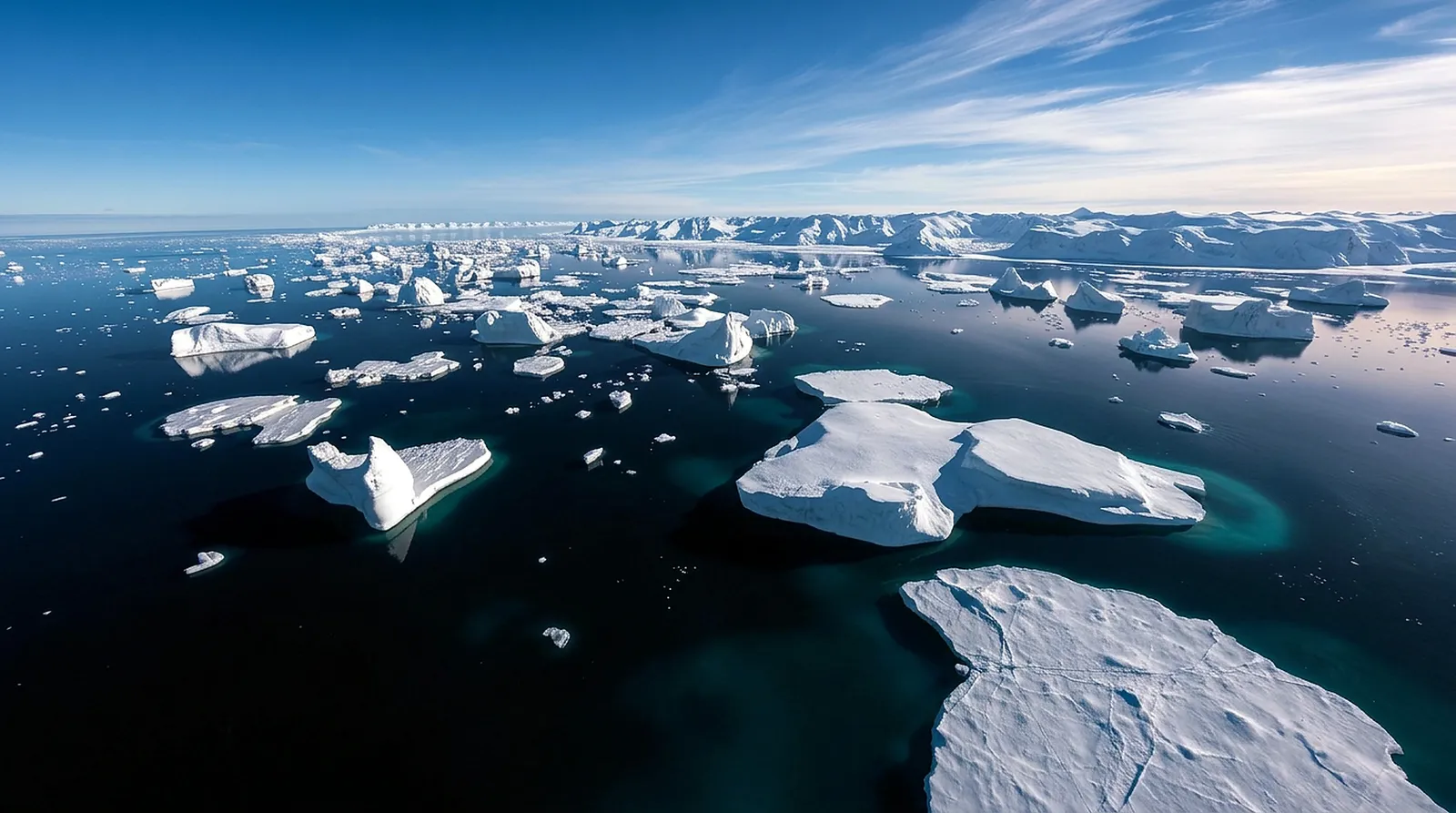
Polar diving among icebergs, leopard seals and the surreal silence of the white continent.
Antarctica is the ultimate liveaboard frontier. Trips depart from Ushuaia (Argentina) and cross the Drake Passage to the Antarctic Peninsula, where polar divers explore icebergs, kelp forests, brash-ice channels and historic whaling stations. Visibility can exceed 30 metres in cold, nutrient-poor water, and encounters with leopard seals, fur seals, penguins and humpback whales are realistic on every trip.
The Antarctic dive season runs late November to early March (austral summer). November–December offers more pack ice and pristine landscapes. January–February brings the most wildlife activity, including penguin chicks and whales. March is best for whale encounters as humpbacks feed before migration.
Most expeditions embark in Ushuaia at the southern tip of Argentina. International routing typically goes via Buenos Aires (EZE) and a domestic flight to Ushuaia (USH) — allow at least one buffer day in Argentina before departure.
Ushuaia (Argentina) is the standard departure port. The Drake Passage crossing takes 1.5–2 days each way. A handful of fly-cruise operators fly guests to King George Island, skipping Drake.
The Antarctic Peninsula offers iconic sites such as Cuverville Island, Paradise Bay, Pléneau Island, the Lemaire Channel and Deception Island's flooded volcanic caldera at Whalers Bay. Sites are chosen daily based on ice and weather conditions, not by published lists.
You need cold-water diving experience: dry-suit certification, a minimum of ~50 dry-suit dives and good buoyancy are usually mandatory. Bring a heated undersuit, two redundant regulators, gloves and a hood. Surface temperatures range −2 °C to +5 °C; water is −2 °C to +2 °C.
Currency on board is USD or EUR (varies by operator). Antarctica has no permanent population and no infrastructure — everything happens on the ship. Connectivity is limited and expensive. Trips include extensive Zodiac excursions, kayaking and shore landings.
Polar diving carries elevated risks: extreme cold, ice, drysuit-failure scenarios and remote evacuation. Operators apply strict prerequisites — they are non-negotiable. Comprehensive dive and travel insurance covering polar evacuation is mandatory. The Drake Passage can be very rough; pack motion-sickness medication and prepare mentally.
Compare every liveaboard, every itinerary, every cabin — book direct with the operator at the best price.