Bluerides – Blue Rides - Prenota crociere subacquee in tutto il mondoOCEAN ADVENTURES
Crociere fluvialiFiumiNatura e fauna selvaticaLa nostra promessa
Crociere fluvialiFiumiNatura e fauna selvaticaLa nostra promessaAccedi

Destinazioni fluviali

  • Destinazioni fluviali
  • Amazon
  • Danube
  • Rhine
  • Mekong
  • Nile

Navi e partenze

  • Ricerca crociere fluviali
  • Offerte

Natura e fauna selvatica

  • Natura e fauna selvatica

Assistenza di viaggio

  • La nostra promessa
  • Contatti

Contatti

Contattaci

Scrivici quando vuoi: ti aiutiamo a scegliere il viaggio o a risolvere ogni dubbio.

E-mailScrivici: di solito rispondiamo in poche ore.
contact@bluerides.com
WhatsAppScrivici su WhatsApp, lun–ven 10:00–16:00 (CET).
Avvia la chat WhatsApp
TelefonoChiamaci, saremo felici di aiutarti.
Chiamata gratuita, lun–ven 10:00–20:00 (CET).
Europa+49 800 1144 990USA+1 888 557 7735Regno Unito+44 800 707 4152Australia+61 2 8599 6113Canada+1 888 557 7735
Which river journey is yours?Answer 8 quick questions and find the river cruise that fits you.
8 questions, 1 minute·Plus Gift
Metodi di pagamento sicuriI tuoi pagamenti sono completamente protetti con crittografia AES-256.
Realizzato daStripeWiseAMEXPayGoogle PaySEPABank
Impronta·Termini e condizioni·Informativa sulla privacy·Chi siamo·Contatto·Esonero di Responsabilità·Programma di affiliazione·Cruise·
Seguici qui

© 2026 Blue Rides. Tutti i diritti riservati.·

Bluerides – Blue Rides - Prenota crociere subacquee in tutto il mondoOCEAN ADVENTURES
Crociere fluvialiFiumiNatura e fauna selvaticaLa nostra promessa
Crociere fluvialiFiumiNatura e fauna selvaticaLa nostra promessaAccedi
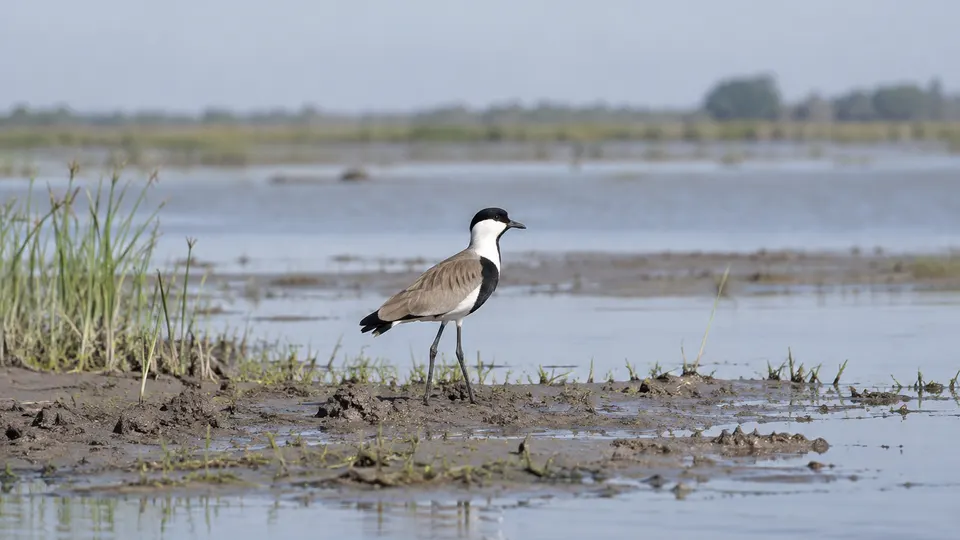
Spur-winged lapwing in una zona umida — Nile, fauna delle crociere fluviali
Home›Crociere fluviali›Fauna fluviale›Spur-winged Lapwing

Spur-winged LapwingVanellus spinosusDove e quando osservarli

Specie precedenteSnow GooseSpecie successivaSquacco Heron

Spur-winged Lapwing in sintesi

The Spur-winged Lapwing is a ground-feeding member of the plover family, Charadriidae. The older name Spur-winged Plover appears in the Nile cruise checklist, while the scientific name Vanellus spinosus connects that report to the registered lapwing profile. Unlike the herons and kingfishers sharing the itinerary, this bird is best sought on open ground beside water rather than hunting over deep channels. Biodiversity Explorer describes a range from south-eastern Europe and the Near East into sub-Saharan Africa. Its southern African occurrence is unusual, so that regional rarity should not be transferred to the Nile. The registered River association is the Luxor–Esna–Edfu–Kom Ombo–Aswan corridor, supported by the cruise taken during 19–26 March 2007. That historical list establishes presence on a journey, not a dependable current stop. Short vegetation, exposed banks and adjoining wet ground provide the more useful starting picture for a visitor.

Comportamento e riproduzione

Dimensioni
Species-specific length not verified in the original sources read
Peso
Species-specific weight not verified
Longevità
Species-specific lifespan not verified
Stato
See sourced assessment

Spur-winged Lapwings use the characteristic plover feeding rhythm of running, stopping and searching before moving again. Biodiversity Explorer explicitly describes this sequence, which helps distinguish the bird’s style of hunting from the continuous wading of an egret or the hovering of a kingfisher. A bird can spend much of an observation standing still between short advances, so scan apparently empty patches of open ground carefully. The pauses are part of searching, not necessarily a response to people. Dry ground and short grass close to water provide room for this movement, while nearby ponds, marshes or floodplain habitats supply further feeding opportunities. Watch a complete sequence before moving your viewpoint; a small change in position may reveal the bird against a different background. If it repeatedly interrupts feeding as people approach, increase the distance. There is no need to provoke flight to appreciate this ground-based hunting behaviour.

Migliori località per la fauna

Paesaggio fluviale Nile — habitat delle crociere fluviali

Nile

Luxor–Esna–Edfu–Kom Ombo–Aswan; exact observation context in quote

Esplora le crociere fluviali

Le destinazioni descrivono l'habitat della specie, non le tappe garantite della crociera. Alcuni animali richiedono un'escursione facoltativa nell'entroterra o si trovano in riserve protette.

Curiosità su: il Spur-winged Lapwing

  • Spur-winged Plover is another name for this species.
  • Its scientific name is Vanellus spinosus.
  • It belongs to the plover family Charadriidae.
  • It searches for food by running and pausing.
  • Insects form its main reported food.
  • Small lizards can supplement its diet.
  • Seeds are also recorded as food.
  • Short grass adjacent to water is suitable habitat.
  • The original March 2007 Nile cruise checklist includes it.

Il periodo migliore per avvistare: il Spur-winged Lapwing

The original Nile cruise checklist records Spur-winged Plover during the journey of 19–26 March 2007. The scientific name Vanellus spinosus confirms the connection with Spur-winged Lapwing. March is consequently a historical observation date here, not a recurring annual recommendation or evidence that every stop offers the bird in that month. For another sailing, ask about recent sightings on open banks along the actual Luxor–Aswan corridor. The useful habitat may be a strip of short grass or exposed floodplain rather than a conspicuous wetland reserve. Changes in the amount of uncovered ground can alter where a ground-feeding plover is visible. The broad distribution described in a species account cannot establish monthly availability on an individual river reach. Nor should comfortable cruise weather be confused with a researched bird-viewing season. Plan time to scan appropriate ground, but keep the expectation conditional on local habitat and current observations.

Spur-winged Lapwing: stagionalità per destinazione

Highlighted months reflect the stated local evidence, not guaranteed encounters. Neutral months mean no verified monthly viewing window, not absence. Observation records and recommended viewing windows are distinct.

Nile

No recurring local viewing-month window established. The Nile checklist is a single 19–26 March 2007 trip, not an annual calendar; other river reaches require their own local monthly evidence.

genfebmaraprmaggiulugagosetottnovdic
Esplora le crociere fluviali

Dove vive: il Spur-winged Lapwing

Open ground next to water is central to the Spur-winged Lapwing’s habitat description. Biodiversity Explorer mentions dry open areas and short grass, while also recording ponds, marshes and river floodplains. This combination differs from a bird dependent on tall reeds: the edge can be comparatively bare and still provide useful feeding space. Along a Nile itinerary, look at exposed banks and low open areas adjoining the river rather than assuming that the best view will be over the navigation channel. The historical checklist covers the Luxor–Aswan cruise journey without identifying every suitable shoreline as occupied. A patch of short vegetation may be easy to overlook among larger wetland features, particularly from a moving vessel. Water levels can change how much ground is exposed and where birds can search. Use permitted viewing areas and avoid walking across open feeding ground simply because it appears less sensitive than a reedbed.

Cosa mangia: il Spur-winged Lapwing

Insects are the main food reported for the Spur-winged Lapwing by Biodiversity Explorer. Other invertebrates, small lizards and seeds supplement that diet. It is therefore better understood as an opportunistic ground feeder than as a fish-catching waterbird. The typical hunting sequence is a short run, a pause and a search for prey, repeated as the bird moves across open ground. A tiny item picked from soil or short grass may be impossible to identify from a cruise deck, but the repeated movement pattern can remain visible. The source gives no measured prey breakdown for Nile birds, and the broad food list should not be turned into local percentages. Watch the bill dip towards the ground and then follow the next pause. Feeding birds should not be baited or followed across exposed banks; leaving their route undisturbed allows the natural searching pattern to continue.

Specie in sintesi

Nome comune
Spur-winged Lapwing
Scientific name
Vanellus spinosus
Gruppo animale
Birds
Dimensioni
Species-specific length not verified in the original sources read
Peso
Species-specific weight not verified
Longevità
Species-specific lifespan not verified
Stato
A current formal global conservation category was not independently verified in this research.
Identificazione
The name in the Nile report is Spur-winged Plover, while the registry uses Spur-winged Lapwing; both refer here to Vanellus spinosus. Checking that scientific name prevents an apparent name difference from becoming an invented second cruise species. Biodiversity Explorer places it in Charadriidae and the genus Vanellus, supporting a plover-like ground-feeding interpretation. Its use of open ground beside water and repeated running, pausing and searching provide useful behavioural context. They are not, however, sufficient to distinguish every lapwing in a brief or distant view. Obtain a clear whole-bird image and compare the plumage and structure with a current regional guide or knowledgeable local observer. Do not identify it solely because a bank lies on the historical itinerary. The source account read here is strongest on distribution, habitat and food, so uncertain field identifications should remain uncertain rather than acquiring unsupported detail from the familiar name.

Spur-winged Lapwing: domande frequenti

Dove posso vedere il Spur-winged Lapwing?
Nile. Scan open banks and short grassy patches beside water, using binoculars to separate a standing bird from stones or uneven ground. Once one is found, watch for the run–stop–search rhythm described for the species. A bird may move only a short distance before pausing again, so remaining with one patch can be more productive than constantly sweeping the entire landscape. From a vessel, banks at a favourable angle may offer a clearer view than distant flats facing directly into glare. The March 2007 cruise list is useful historical context, but it does not give permission to enter riverside land or approach birds at a landing. Keep to established routes and let the bird continue feeding. A photograph showing the whole bird and its surroundings can help a local guide check identification. Do not make it fly simply to obtain a more dramatic view or reveal features hidden in a standing posture.
Qual è il periodo migliore per vedere il Spur-winged Lapwing?
The original Nile cruise checklist records Spur-winged Plover during the journey of 19–26 March 2007. The scientific name Vanellus spinosus confirms the connection with Spur-winged Lapwing. March is consequently a historical observation date here, not a recurring annual recommendation or evidence that every stop offers the bird in that month. For another sailing, ask about recent sightings on open banks along the actual Luxor–Aswan corridor. The useful habitat may be a strip of short grass or exposed floodplain rather than a conspicuous wetland reserve. Changes in the amount of uncovered ground can alter where a ground-feeding plover is visible. The broad distribution described in a species account cannot establish monthly availability on an individual river reach. Nor should comfortable cruise weather be confused with a researched bird-viewing season. Plan time to scan appropriate ground, but keep the expectation conditional on local habitat and current observations.
Quanto può diventare grande il Spur-winged Lapwing?
Species-specific length not verified in the original sources read. Peso da adulto: Species-specific weight not verified. Le dimensioni variano in base all'età, al sesso e alla popolazione.
Come devo comportarmi in presenza di il Spur-winged Lapwing?
Scan open banks and short grassy patches beside water, using binoculars to separate a standing bird from stones or uneven ground. Once one is found, watch for the run–stop–search rhythm described for the species. A bird may move only a short distance before pausing again, so remaining with one patch can be more productive than constantly sweeping the entire landscape. From a vessel, banks at a favourable angle may offer a clearer view than distant flats facing directly into glare. The March 2007 cruise list is useful historical context, but it does not give permission to enter riverside land or approach birds at a landing. Keep to established routes and let the bird continue feeding. A photograph showing the whole bird and its surroundings can help a local guide check identification. Do not make it fly simply to obtain a more dramatic view or reveal features hidden in a standing posture.
Cosa mangia il Spur-winged Lapwing?
Insects are the main food reported for the Spur-winged Lapwing by Biodiversity Explorer. Other invertebrates, small lizards and seeds supplement that diet. It is therefore better understood as an opportunistic ground feeder than as a fish-catching waterbird. The typical hunting sequence is a short run, a pause and a search for prey, repeated as the bird moves across open ground. A tiny item picked from soil or short grass may be impossible to identify from a cruise deck, but the repeated movement pattern can remain visible. The source gives no measured prey breakdown for Nile birds, and the broad food list should not be turned into local percentages. Watch the bill dip towards the ground and then follow the next pause. Feeding birds should not be baited or followed across exposed banks; leaving their route undisturbed allows the natural searching pattern to continue.
Gli avvistamenti di fauna selvatica sono garantiti durante una crociera fluviale?
No. Gli animali si muovono liberamente e gli itinerari, il meteo, le restrizioni di accesso e le condizioni locali influenzano ogni uscita. Conferma l'itinerario effettivo e il programma a terra prima di prenotare.

Confronta la fauna nelle stesse destinazioni

Esplora altri esemplari di birds registrati in queste destinazioni. Habitat simili non implicano che gli animali condividano le stesse abitudini o la stessa stagione di avvistamento.

Confronto delle specie per gruppo animale e destinazione
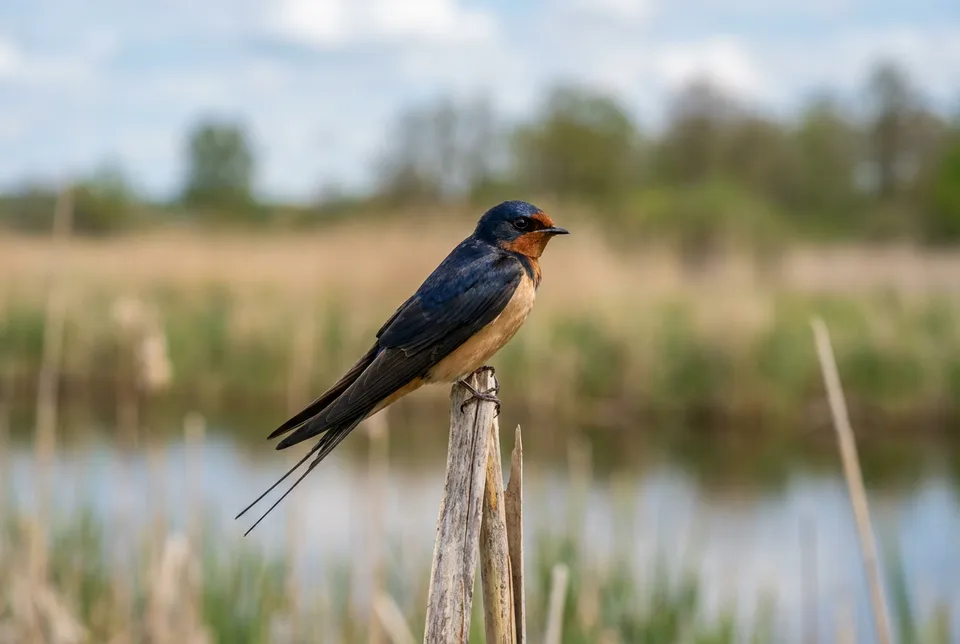
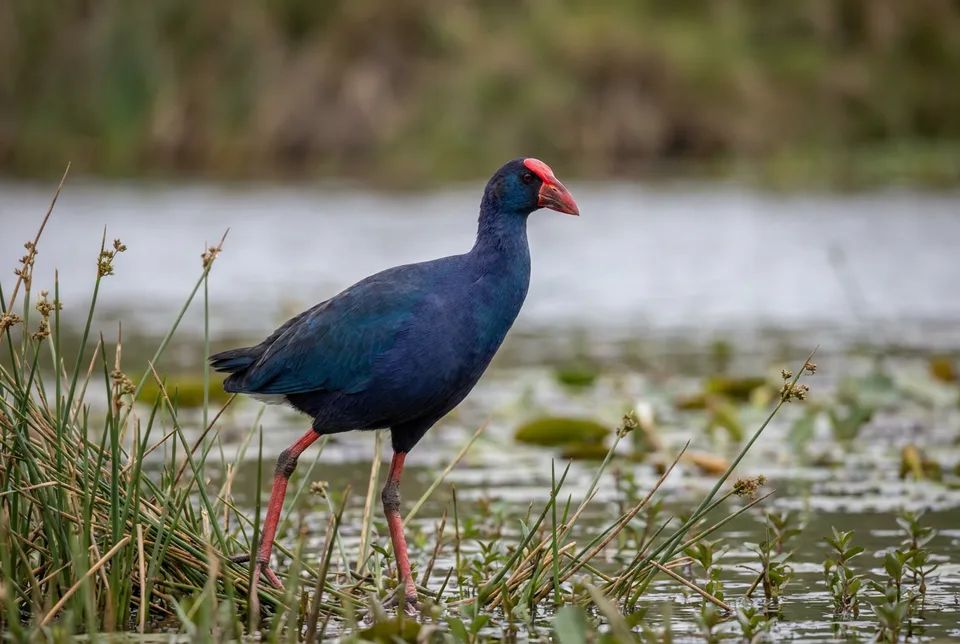
Spur-winged lapwing in una zona umida — Nile, fauna delle crociere fluvialiSpur-winged LapwingPollo sultano africano in una zona umida — Nilo, Egitto, fauna delle crociere fluvialiAfrican SwamphenBarn Swallow in una zona umida — Mississippi, Nile, fauna delle crociere fluvialiBarn Swallow
Gruppo animaleBirdsGruppo animaleBirdsGruppo animaleBirds
DestinazioniNileDestinazioniNileDestinazioniMississippi, Nile
Scientific name
Vanellus spinosus

Vanellus spinosus

Scientific name
Scientific name
Dimensioni
Species-specific length not verified in the original sources read
Dimensioni
Dimensioni
Peso
Species-specific weight not verified
Peso
Peso
Longevità
Species-specific lifespan not verified
Longevità
Longevità
Stato
See sourced assessment
Stato
Stato
Identificazione
The name in the Nile report is Spur-winged Plover, while the registry uses Spur-winged Lapwing; both refer here to Vanellus spinosus.

The name in the Nile report is Spur-winged Plover, while the registry uses Spur-winged Lapwing; both refer here to Vanellus spinosus. Checking that scientific name prevents an apparent name difference from becoming an invented second cruise species. Biodiversity Explorer places it in Charadriidae and the genus Vanellus, supporting a plover-like ground-feeding interpretation. Its use of open ground beside water and repeated running, pausing and searching provide useful behavioural context. They are not, however, sufficient to distinguish every lapwing in a brief or distant view. Obtain a clear whole-bird image and compare the plumage and structure with a current regional guide or knowledgeable local observer. Do not identify it solely because a bank lies on the historical itinerary. The source account read here is strongest on distribution, habitat and food, so uncertain field identifications should remain uncertain rather than acquiring unsupported detail from the familiar name.

Identificazione
Identificazione
Habitat
Open ground next to water is central to the Spur-winged Lapwing’s habitat description.

Open ground next to water is central to the Spur-winged Lapwing’s habitat description. Biodiversity Explorer mentions dry open areas and short grass, while also recording ponds, marshes and river floodplains. This combination differs from a bird dependent on tall reeds: the edge can be comparatively bare and still provide useful feeding space. Along a Nile itinerary, look at exposed banks and low open areas adjoining the river rather than assuming that the best view will be over the navigation channel. The historical checklist covers the Luxor–Aswan cruise journey without identifying every suitable shoreline as occupied. A patch of short vegetation may be easy to overlook among larger wetland features, particularly from a moving vessel. Water levels can change how much ground is exposed and where birds can search. Use permitted viewing areas and avoid walking across open feeding ground simply because it appears less sensitive than a reedbed.

Habitat
Habitat
Dieta
Insects are the main food reported for the Spur-winged Lapwing by Biodiversity Explorer.

Insects are the main food reported for the Spur-winged Lapwing by Biodiversity Explorer. Other invertebrates, small lizards and seeds supplement that diet. It is therefore better understood as an opportunistic ground feeder than as a fish-catching waterbird. The typical hunting sequence is a short run, a pause and a search for prey, repeated as the bird moves across open ground. A tiny item picked from soil or short grass may be impossible to identify from a cruise deck, but the repeated movement pattern can remain visible. The source gives no measured prey breakdown for Nile birds, and the broad food list should not be turned into local percentages. Watch the bill dip towards the ground and then follow the next pause. Feeding birds should not be baited or followed across exposed banks; leaving their route undisturbed allows the natural searching pattern to continue.

Dieta
Dieta
Stagione migliore
The original Nile cruise checklist records Spur-winged Plover during the journey of 19–26 March 2007.

The original Nile cruise checklist records Spur-winged Plover during the journey of 19–26 March 2007. The scientific name Vanellus spinosus confirms the connection with Spur-winged Lapwing. March is consequently a historical observation date here, not a recurring annual recommendation or evidence that every stop offers the bird in that month. For another sailing, ask about recent sightings on open banks along the actual Luxor–Aswan corridor. The useful habitat may be a strip of short grass or exposed floodplain rather than a conspicuous wetland reserve. Changes in the amount of uncovered ground can alter where a ground-feeding plover is visible. The broad distribution described in a species account cannot establish monthly availability on an individual river reach. Nor should comfortable cruise weather be confused with a researched bird-viewing season. Plan time to scan appropriate ground, but keep the expectation conditional on local habitat and current observations.

Stagione migliore
Stagione migliore
Tabella stagionale per destinazione
NileNo verified monthly viewing evidence

No recurring local viewing-month window established. The Nile checklist is a single 19–26 March 2007 trip, not an annual calendar; other river reaches require their own local monthly evidence.

Tabella stagionale per destinazioneTabella stagionale per destinazione
Specie precedenteSnow GooseSpecie successivaSquacco Heron
Tutta la fauna fluviale
On this page
  • 01Informazioni su
  • 02Comportamento e riproduzione
  • 03Migliori località per la fauna
  • 04Curiosità
  • 05Stagione migliore
  • 06Tabella stagionale per destinazione
  • 07Habitat
  • 08Dieta
  • 09Specie in sintesi
  • 10Domande e risposte
  • 11Confronta

Find your river cruise

Pianifica il tuo viaggio

Trova il tuo prossimo viaggio fluviale

Confronta destinazioni, programmi a terra e date in base agli animali e agli habitat che desideri scoprire.

  • Escursioni a terra giornaliere
  • Osservazione responsabile della fauna
  • Navi fluviali boutique
Esplora le crociere fluviali