Bluerides – Blue Rides - Book Liveaboards worldwideOCEAN ADVENTURES
River CruisesRiversNature & WildlifeOur Promise
River CruisesRiversNature & WildlifeOur PromiseSign In

River destinations

  • River destinations
  • Amazon
  • Danube
  • Rhine
  • Mekong
  • Nile

Ships & departures

  • River Cruise Search
  • Deals

Nature & Wildlife

  • Nature & Wildlife

Travel support

  • Our Promise
  • Contact

Contact

Get in Touch

Get in touch anytime, we're happy to help you find the right trip or sort out any question.

EmailWrite us, we usually reply within a few hours.
contact@bluerides.com
WhatsAppChat with us on WhatsApp, Mon–Fri 10:00–16:00 (CET).
Start WhatsApp Chat
PhoneCall us, we're happy to help.
Free call, Mon–Fri 10 AM – 8 PM (CET).
Europe+49 800 1144 990USA+1 888 557 7735UK+44 800 707 4152Australia+61 2 8599 6113Canada+1 888 557 7735
Which river journey is yours?Answer 8 quick questions and find the river cruise that fits you.
8 questions, 1 minute·Plus Gift
Secure Payment MethodsYour payments are fully secured with AES-256 encryption.
Powered byStripeWiseAMEXPayGoogle PaySEPABank
Imprint·Terms & Conditions·Privacy Policy·About·Contact·Liability Waiver·Affiliate Program·Cruise·Blog·
Visit us here

© 2026 Blue Rides. All rights reserved.

Bluerides – Blue Rides - Book Liveaboards worldwideOCEAN ADVENTURES
River CruisesRiversNature & WildlifeOur Promise
River CruisesRiversNature & WildlifeOur PromiseSign In
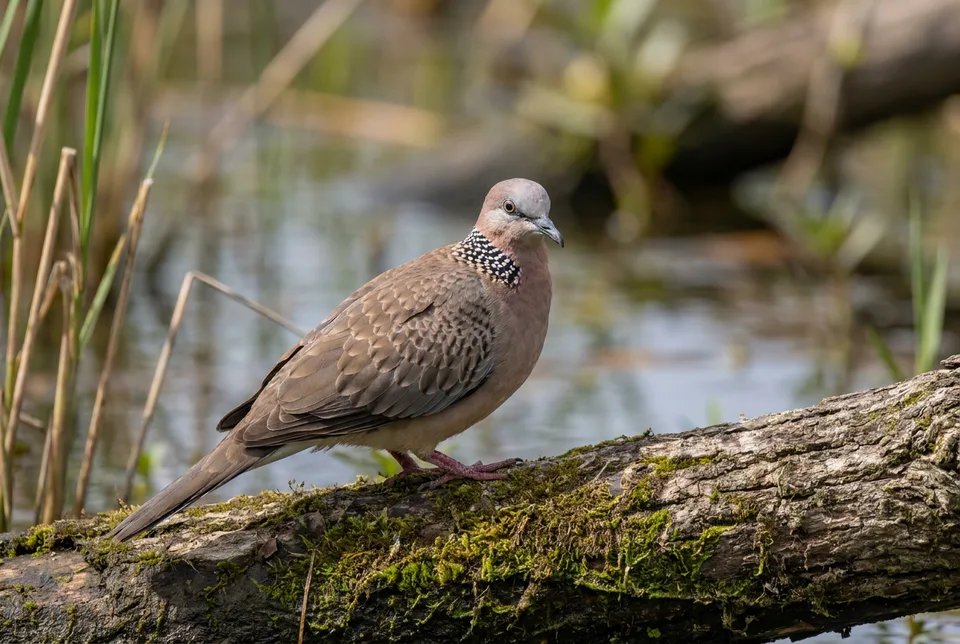
Spotted Dove in wetland habitat — Mekong, River Cruises wildlifeAI-modified
Home›River Cruises›River Wildlife›Spotted Dove

Spotted DoveSpilopelia chinensisWhere and when to see them

Previous speciesSnowy EgretNext speciesSpur-winged Lapwing

Spotted Dove at a glance

The Spotted Dove is a familiar-looking, long-tailed dove with a much more distinctive collar than its soft brown plumage first suggests. The registered Mekong opportunity is Tra Su flooded forest, reached as an optional excursion from Chau Doc. The underlying 2016 BirdLife/IEBR checklist is a historical species record, not a present-day abundance estimate. Species reference: https://birdlife.org.au/bird-profiles/spotted-dove/
Behaviour & reproduction

Size
Species-specific numerical body length not verified.
Weight
Species-specific weight not verified.
Lifespan
Species-specific lifespan not verified.
Status
Least Concern globally, BirdLife Australia; BirdLife DataZone reports a 2024 assessment under Eastern Spotted Dove.

Birds are often noticed when perched or moving on the ground rather than flying above broad water. BirdLife Australia describes a very lightly constructed twig nest; its apparent fragility does not imply that breeding always fails. Australian establishment history is informative about the species but cannot establish Vietnamese seasonal behaviour.

Top wildlife locations

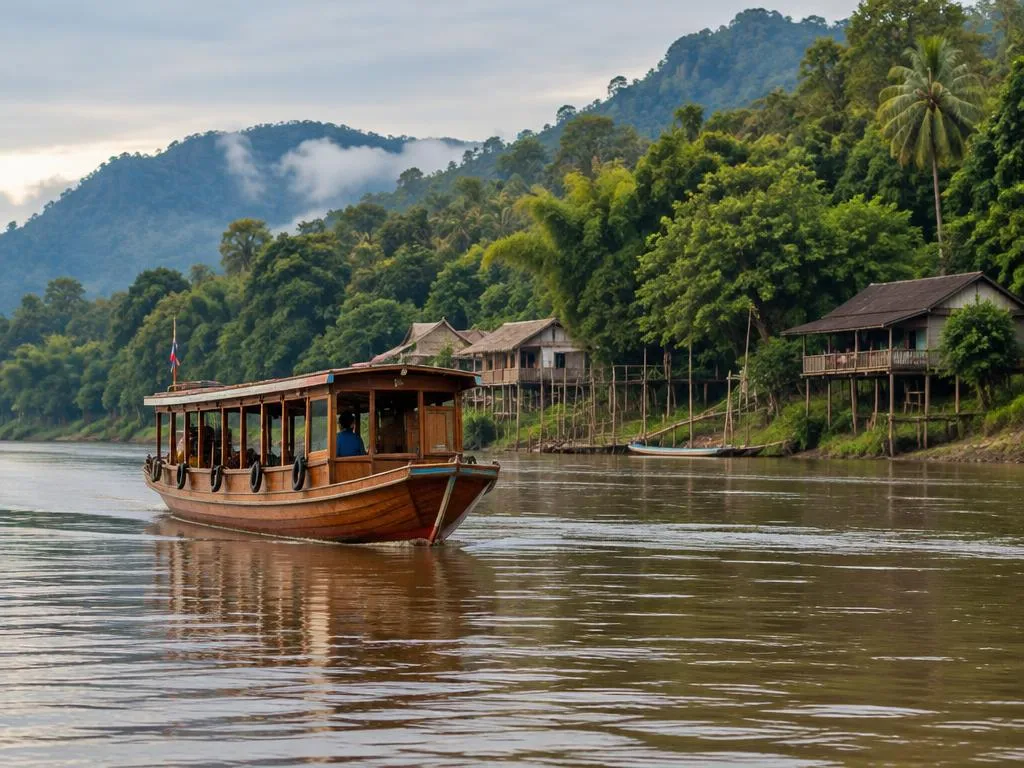
Mekong river landscape — River Cruises wildlife habitatAI-modified

Mekong

Vietnam Mekong delta: Tra Su flooded forest, optional shore excursion from Chau Doc (not main-channel deck wildlife) Official 2016 BirdLife/IEBR survey checklist, not a current abundance claim. Boat/boardwalk/tower viewing; crakes, Watercock and coucals elusive. Migrant kingfishers, pond herons and waders seasonal.
Explore river cruises

Destinations describe the species' habitat, not guaranteed cruise stops. Some animals require an optional inland excursion or are found in restricted reserves.

Fun facts about the Spotted Dove

  • The spotted collar is a key adult mark.
  • Sexes have similar plumage.
  • Juveniles have a duller collar.
  • The tail shows white tips in flight.
  • The nest can be a sparse twig platform.
  • BirdLife Australia lists it as Least Concern.

Best time to see the Spotted Dove

No recurring local monthly source was verified for Tra Su. A checklist made during a survey cannot establish twelve-month presence, even for a species familiar in settled landscapes. The Mekong months remain empty. Ask the reserve guide about current observations rather than transferring Australian or countrywide seasonal information.

Spotted Dove: season matrix by destination

Highlighted months reflect the stated local evidence, not guaranteed encounters. Neutral months mean no verified monthly viewing window, not absence. Observation records and recommended viewing windows are distinct.

Mekong

No recurring local monthly source verified for Tra Su. The registered 2016 survey checklist is historical occurrence evidence, not a monthly calendar.

JanFebMarAprMayJunJulAugSepOctNovDec
Explore river cruises

Where the Spotted Dove lives

Tree cover adjoining open ground and modified landscapes can suit this dove. At Tra Su, look at accessible margins and the transition between wooded wetland and visitor routes instead of assuming it is confined to flooded forest interiors. The registration specifically concerns a reserve visit, not observation from the main Mekong cruise channel.

What the Spotted Dove eats

The species feeds mainly on seeds collected on the ground. A Tra Su seed inventory, feeding study and seasonal food proportions were not verified. Do not scatter grain to bring doves onto a boardwalk: bait can alter behaviour and attract other animals. Natural ground-foraging movements are sufficient to interpret the feeding niche.

Species at a glance

Common name
Spotted Dove
Scientific name
Spilopelia chinensis
Animal group
Birds
Size
Species-specific numerical body length not verified.
Weight
Species-specific weight not verified.
Lifespan
Species-specific lifespan not verified.
Status
Least Concern globally, BirdLife Australia; BirdLife DataZone reports a 2024 assessment under Eastern Spotted Dove.
Identification
Adults have grey heads, pinkish-grey underparts, brown patterned upperparts and a black hindneck patch dotted with white. The long tail shows pale tips in flight. Sexes look similar. Juveniles can lack the fully developed black-and-white collar, making an adult-based identification shortcut unreliable for young birds.

Spotted Dove: frequently asked questions

Where can I see the Spotted Dove?
Mekong. Watch quietly from public visitor routes and inspect perched doves before they move. A rear or side view of the neck is especially useful. Leave nests undisturbed even if the twig platform looks exposed, and avoid standing directly below a sitting bird. Do not leave the boardwalk to obtain a clearer collar photograph.
When is the best time to see the Spotted Dove?
No recurring local monthly source was verified for Tra Su. A checklist made during a survey cannot establish twelve-month presence, even for a species familiar in settled landscapes. The Mekong months remain empty. Ask the reserve guide about current observations rather than transferring Australian or countrywide seasonal information.
How big does the Spotted Dove get?
Species-specific numerical body length not verified.. Adult weight: Species-specific weight not verified.. Size varies with age, sex and population.
How should I behave around the Spotted Dove?
Watch quietly from public visitor routes and inspect perched doves before they move. A rear or side view of the neck is especially useful. Leave nests undisturbed even if the twig platform looks exposed, and avoid standing directly below a sitting bird. Do not leave the boardwalk to obtain a clearer collar photograph.
What does the Spotted Dove eat?
The species feeds mainly on seeds collected on the ground. A Tra Su seed inventory, feeding study and seasonal food proportions were not verified. Do not scatter grain to bring doves onto a boardwalk: bait can alter behaviour and attract other animals. Natural ground-foraging movements are sufficient to interpret the feeding niche.
Are wildlife sightings guaranteed on a river cruise?
No. Animals move freely and routes, weather, access restrictions and local conditions influence every outing. Confirm the actual itinerary and shore program before booking.

Compare wildlife in the same destinations

Explore other birds recorded in these destinations. Similar surroundings do not mean the animals share the same habits or viewing season.

Species comparison by animal group and destination
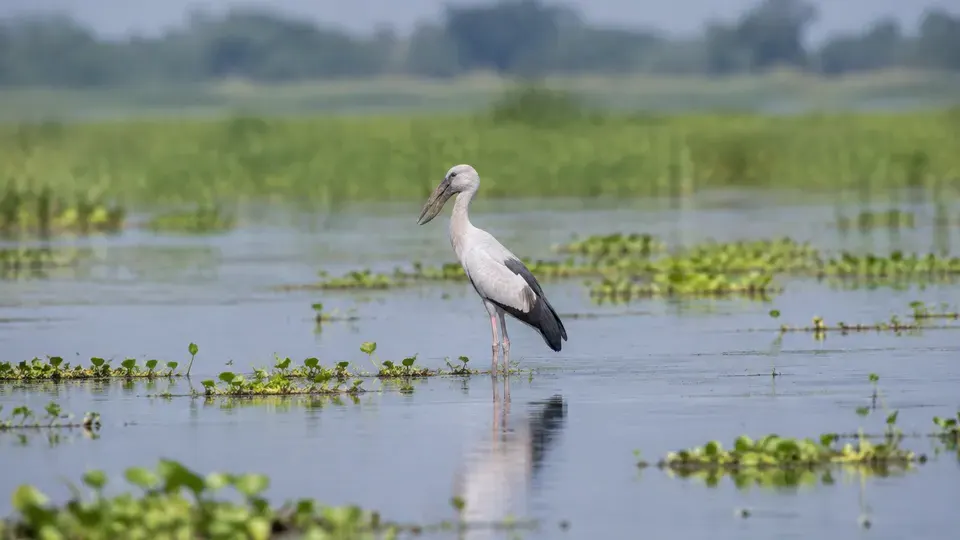
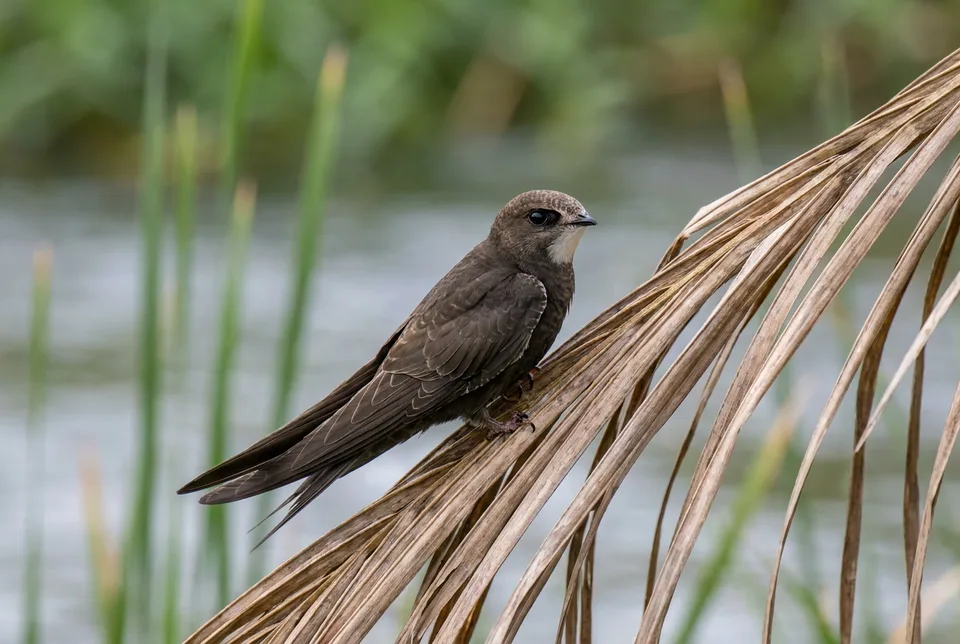
Spotted Dove in wetland habitat — Mekong, River Cruises wildlifeAI-modifiedSpotted DoveAsian openbill in wetland habitat — Mekong, River Cruises wildlifeAI-modifiedAsian OpenbillAsian Palm Swift in wetland habitat — Mekong, River Cruises wildlifeAI-modifiedAsian Palm Swift
Animal groupBirdsAnimal groupBirdsAnimal groupBirds
DestinationsMekongDestinationsMekongDestinationsMekong
Scientific name
Spilopelia chinensis
Scientific name
Scientific name
Previous speciesSnowy EgretNext speciesSpur-winged Lapwing
All river wildlife
On this page
  • 01About
  • 02Behaviour & reproduction
  • 03Top wildlife locations
  • 04Fun facts
  • 05Best season
  • 06Season matrix by destination
  • 07Habitat
  • 08Diet
  • 09Species at a glance
  • 10Questions & answers
  • 11Compare

Find your river cruise

AI-modified
Plan your trip

Find your next river journey

Compare destinations, shore programs and dates with the animals and habitats you would love to see.

  • Daily shore excursions
  • Responsible wildlife watching
  • Boutique river ships
Explore river cruises