Bluerides – Blue Rides - Book Liveaboards worldwideOCEAN ADVENTURES
River CruisesRiversNature & WildlifeOur Promise
River CruisesRiversNature & WildlifeOur PromiseSign In

River destinations

  • River destinations
  • Amazon
  • Danube
  • Rhine
  • Mekong
  • Nile

Ships & departures

  • River Cruise Search
  • Deals

Nature & Wildlife

  • Nature & Wildlife

Travel support

  • Our Promise
  • Contact

Contact

Get in Touch

Get in touch anytime, we're happy to help you find the right trip or sort out any question.

EmailWrite us, we usually reply within a few hours.
contact@bluerides.com
WhatsAppChat with us on WhatsApp, Mon–Fri 10:00–16:00 (CET).
Start WhatsApp Chat
PhoneCall us, we're happy to help.
Free call, Mon–Fri 10 AM – 8 PM (CET).
Europe+49 800 1144 990USA+1 888 557 7735UK+44 800 707 4152Australia+61 2 8599 6113Canada+1 888 557 7735
Which river journey is yours?Answer 8 quick questions and find the river cruise that fits you.
8 questions, 1 minute·Plus Gift
Secure Payment MethodsYour payments are fully secured with AES-256 encryption.
Powered byStripeWiseAMEXPayGoogle PaySEPABank
Imprint·Terms & Conditions·Privacy Policy·About·Contact·Liability Waiver·Affiliate Program·Cruise·Blog·
Visit us here

© 2026 Blue Rides. All rights reserved.

Bluerides – Blue Rides - Book Liveaboards worldwideOCEAN ADVENTURES
River CruisesRiversNature & WildlifeOur Promise
River CruisesRiversNature & WildlifeOur PromiseSign In
Squacco heron in wetland habitat — Danube, Nile, River Cruises wildlifeAI-modified
Home›River Cruises›River Wildlife›Squacco Heron

Squacco HeronArdeola ralloidesWhere and when to see them

Previous speciesSpur-winged LapwingNext speciesStork-billed Kingfisher

Squacco Heron at a glance

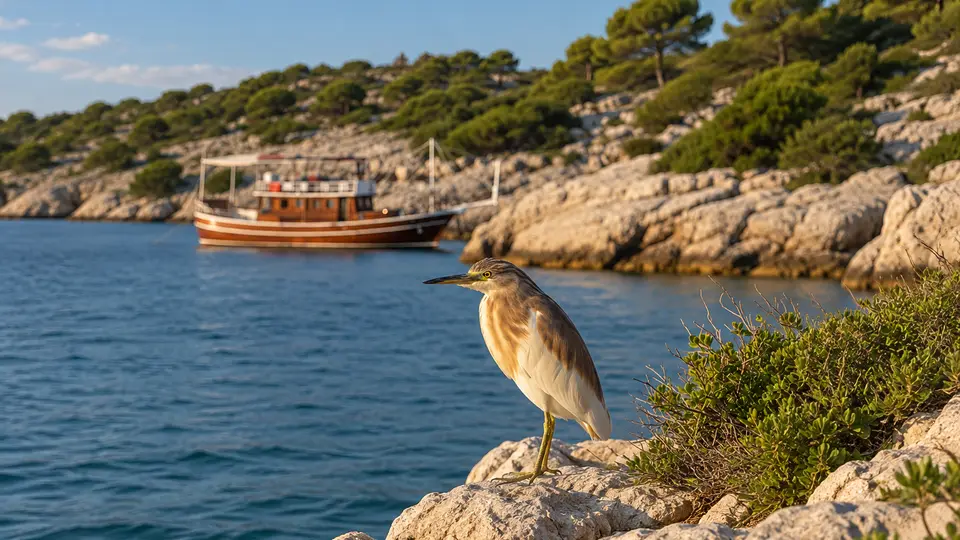
The Squacco Heron is a small heron associated with vegetated freshwater margins. Its quiet feeding style and preference for fringed wetlands make it a different watching proposition from the conspicuous white egrets standing in open shallows. The scientific name is Ardeola ralloides, and BTO places it in Ardeidae, the heron family. Biodiversity Explorer describes a range extending from southern Europe into northern and sub-Saharan Africa. The registered River associations are the Romanian Danube Delta and the Luxor–Aswan Nile cruise corridor. The Nile checklist from 19–26 March 2007 includes Squacco Heron, providing historical evidence on that itinerary rather than a promise for every landing. Its biology is closely tied to still water, dense fringes and small aquatic prey. A traveller may therefore need to watch an apparently quiet patch of vegetation for some time before noticing a bird already feeding there.

Behaviour & reproduction

Size
Species-specific length not verified in the original sources read
Weight
Species-specific weight not verified
Lifespan
Species-specific lifespan not verified
Status
See sourced assessment

A feeding Squacco Heron creeps along the water’s edge with its head held forward, ready to strike at small aquatic prey. This deliberate movement can make a stationary bird hard to distinguish from the surrounding wetland texture. Biodiversity Explorer describes birds as resident and sedentary around permanent wetlands but more nomadic where temporary waters appear. The breeding system is monogamous and usually colonial, sometimes alongside other species. A male builds a compact platform and displays on it until a female joins him. The platform uses thin sticks and reeds with a grass lining and may sit in a reedbed, bush or tree over water. Both parents incubate and feed the young. The account reports young leaving the nest before their first flight, an important reminder that a mobile chick need not be independent. These details describe species biology, not an invitation to locate or approach colonies.

Top wildlife locations

Danube river landscape — River Cruises wildlife habitatAI-modified

Danube

Romania: Danube Delta around Mahmudia and delta lakes/channels; separate lower-Danube/delta itinerary, NOT Passau–Vienna–Bratislava–Budapest.

Explore river cruises
Nile river landscape — River Cruises wildlife habitatAI-modified

Nile

Luxor–Esna–Edfu–Kom Ombo–Aswan; exact observation context in quote

Explore river cruises

Destinations describe the species' habitat, not guaranteed cruise stops. Some animals require an optional inland excursion or are found in restricted reserves.

Fun facts about the Squacco Heron

  • It belongs to the heron family Ardeidae.
  • It favours still freshwater with dense fringes.
  • It can use flooded grasslands and temporary pans.
  • It creeps forward with the head extended when feeding.
  • Its diet includes fish and frogs.
  • Aquatic insects and crustaceans are also eaten.
  • The male constructs the nesting platform.
  • Both parents incubate and feed the young.
  • Young can leave the nest before their first flight.

Best time to see the Squacco Heron

Romanian Danube Delta only: local specialist Ibis Tours identifies April, June as viewing recommendations for this species. This is operator guidance, not a statistical sighting forecast; it does not extend to Passau, Vienna or Budapest. Colonies must be watched from permitted routes without close nest approaches. Other registered reaches retain their separate evidence and unknown months. These highlighted windows are recommendations, not the only months when the species may occur. Ask the guide about recent observations, current water access and local restrictions before choosing an excursion. Historical records and breeding dates elsewhere are not used to fill gaps in the local calendar.

Squacco Heron: season matrix by destination

Highlighted months reflect the stated local evidence, not guaranteed encounters. Neutral months mean no verified monthly viewing window, not absence. Observation records and recommended viewing windows are distinct.

Danube

Romanian Danube Delta only: local specialist Ibis Tours identifies April, June as viewing recommendations for this species. This is operator guidance, not a statistical sighting forecast; it does not extend to Passau, Vienna or Budapest. Colonies must be watched from permitted routes without close nest approaches.

JanFebMarAprMayJunJulAugSepOctNovDec
Explore river cruises

Nile

No recurring local viewing-month window established. The Nile checklist is a single 19–26 March 2007 trip, not an annual calendar; other river reaches require their own local monthly evidence.

JanFebMarAprMayJunJulAugSepOctNovDec
Explore river cruises

Where the Squacco Heron lives

Still freshwater with dense fringing vegetation is the habitat combination emphasised by Biodiversity Explorer for the Squacco Heron. Flooded grassland and temporary pans with emergent plants can also be used. The essential picture is a sheltered feeding edge with cover, not the centre of a broad shipping channel. In the Romanian Danube Delta, the registered context is the area around Mahmudia and its lakes and channels, a lower-Danube itinerary separate from the familiar Vienna–Budapest route. On the Nile, the historical cruise checklist establishes occurrence within the Luxor–Aswan journey but does not pinpoint a currently reliable reedbed. Nesting platforms can be supported by reeds, bushes or trees above water, so both low and elevated vegetation may matter. Seasonal flooding can create new feeding patches, while drying can shift birds elsewhere. A river name alone is therefore a poor substitute for knowing which wetland margin an excursion actually visits.

What the Squacco Heron eats

Squacco Herons take a variety of small aquatic animals rather than specialising on one prey type. Biodiversity Explorer lists fish, frogs, aquatic insects and crustaceans, with grasshoppers, crickets, locusts and spiders also recorded. Much of the feeding takes place at the water’s edge, where a bird creeps forward with its head extended before striking. A small catch may disappear quickly, making the hunting posture easier to observe than the prey itself. Different wetland conditions provide different opportunities, so the published list should not be read as the menu of every Nile or Danube individual. Look for a sequence of slow advance, focused attention and a sudden bill movement. Feeding can occur beside dense cover rather than on an exposed sandbar. Keep the bank undisturbed and allow the bird to choose its own route; pushing it into open ground destroys the natural behaviour that makes the observation valuable.

Species at a glance

Common name
Squacco Heron
Scientific name
Ardeola ralloides
Animal group
Birds
Size
Species-specific length not verified in the original sources read
Weight
Species-specific weight not verified
Lifespan
Species-specific lifespan not verified
Status
Biodiversity Explorer describes the species as not threatened in its southern African account; this is not a newly verified global assessment.
Identification
Begin with the identity Ardeola ralloides: Squacco Heron is a member of the heron family, not an egret identified simply by white colour. Its compact heron shape and quiet, forward-headed feeding posture are useful starting points at a vegetated freshwater edge. A brief view among reeds may show too little for a confident identification, especially where several small herons share the same wetland. Compare a full side view, the head and bill, and the appearance in flight using a current regional field guide. The source material checked here supports habitat, behaviour and taxonomy more strongly than a complete plumage diagnosis, so a difficult bird deserves additional checking rather than a forced name. Note whether it was creeping at the water’s edge and whether nearby water was still or slow-moving. Such observations provide useful context, but neither habitat nor the historical Nile checklist can identify an individual bird on their own.

Squacco Heron: frequently asked questions

Where can I see the Squacco Heron?
Danube, Nile. Watch the boundary between shallow water and dense vegetation, allowing time for a slow-moving bird to reveal itself. The Squacco Heron’s feeding posture, with the head held forward and a sudden strike at prey, may be easier to notice than its body outline. A boat passing quickly along the main channel may offer less opportunity than an authorised delta or wetland excursion with time to pause. In the Danube Delta, keep the Mahmudia lakes-and-channels association distinct from upstream city cruising. On the Nile, treat the March 2007 checklist as historical route evidence, not directions to an occupied colony. If a bird disappears behind reeds, wait rather than flushing it into flight. Record the setting, posture and any useful plumage photographs from the original viewpoint. Avoid entering reeds or moving towards platforms over water, since feeding margins and nesting cover can be close together.
When is the best time to see the Squacco Heron?
Romanian Danube Delta only: local specialist Ibis Tours identifies April, June as viewing recommendations for this species. This is operator guidance, not a statistical sighting forecast; it does not extend to Passau, Vienna or Budapest. Colonies must be watched from permitted routes without close nest approaches. Other registered reaches retain their separate evidence and unknown months. These highlighted windows are recommendations, not the only months when the species may occur. Ask the guide about recent observations, current water access and local restrictions before choosing an excursion. Historical records and breeding dates elsewhere are not used to fill gaps in the local calendar.
How big does the Squacco Heron get?
Species-specific length not verified in the original sources read. Adult weight: Species-specific weight not verified. Size varies with age, sex and population.
How should I behave around the Squacco Heron?
Watch the boundary between shallow water and dense vegetation, allowing time for a slow-moving bird to reveal itself. The Squacco Heron’s feeding posture, with the head held forward and a sudden strike at prey, may be easier to notice than its body outline. A boat passing quickly along the main channel may offer less opportunity than an authorised delta or wetland excursion with time to pause. In the Danube Delta, keep the Mahmudia lakes-and-channels association distinct from upstream city cruising. On the Nile, treat the March 2007 checklist as historical route evidence, not directions to an occupied colony. If a bird disappears behind reeds, wait rather than flushing it into flight. Record the setting, posture and any useful plumage photographs from the original viewpoint. Avoid entering reeds or moving towards platforms over water, since feeding margins and nesting cover can be close together.
What does the Squacco Heron eat?
Squacco Herons take a variety of small aquatic animals rather than specialising on one prey type. Biodiversity Explorer lists fish, frogs, aquatic insects and crustaceans, with grasshoppers, crickets, locusts and spiders also recorded. Much of the feeding takes place at the water’s edge, where a bird creeps forward with its head extended before striking. A small catch may disappear quickly, making the hunting posture easier to observe than the prey itself. Different wetland conditions provide different opportunities, so the published list should not be read as the menu of every Nile or Danube individual. Look for a sequence of slow advance, focused attention and a sudden bill movement. Feeding can occur beside dense cover rather than on an exposed sandbar. Keep the bank undisturbed and allow the bird to choose its own route; pushing it into open ground destroys the natural behaviour that makes the observation valuable.
Are wildlife sightings guaranteed on a river cruise?
No. Animals move freely and routes, weather, access restrictions and local conditions influence every outing. Confirm the actual itinerary and shore program before booking.

Compare wildlife in the same destinations

Explore other birds recorded in these destinations. Similar surroundings do not mean the animals share the same habits or viewing season.

Species comparison by animal group and destination
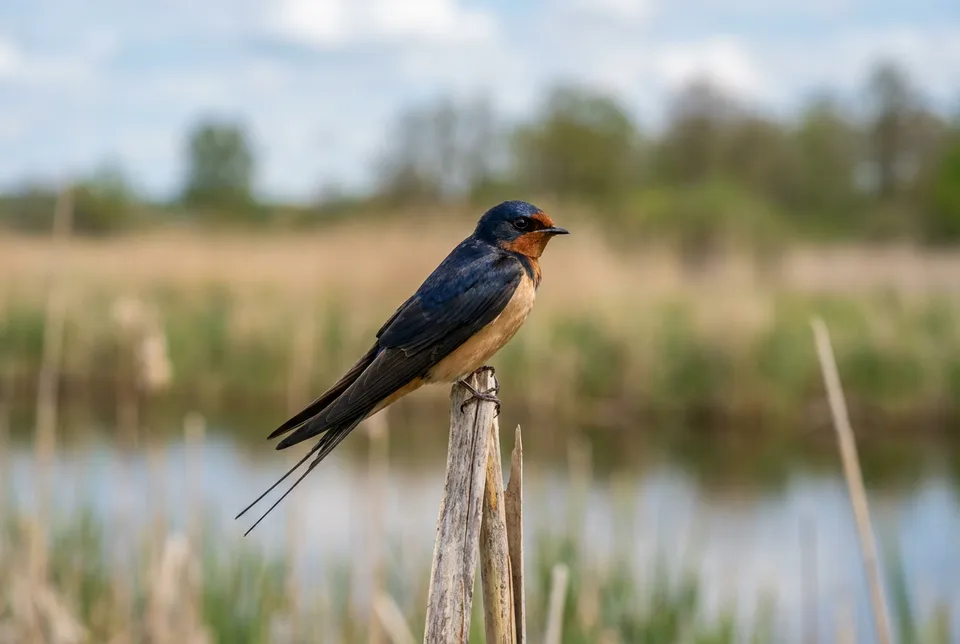
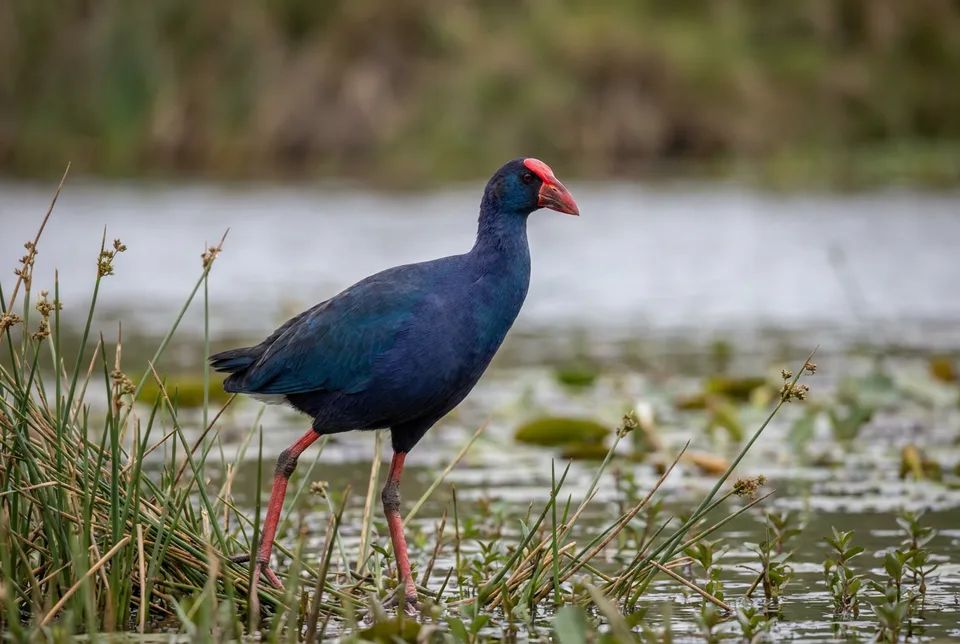
Squacco heron in wetland habitat — Danube, Nile, River Cruises wildlifeAI-modifiedSquacco HeronAfrican Swamphen in wetland habitat — Nile, Egypt, River Cruises wildlifeAI-modifiedAfrican SwamphenBarn Swallow in wetland habitat — Mississippi, Nile, River Cruises wildlifeAI-modifiedBarn Swallow
Animal groupBirdsAnimal groupBirdsAnimal groupBirds
DestinationsDanube, NileDestinationsNileDestinationsMississippi, Nile
Scientific name
Ardeola ralloides
Scientific name
Scientific name
Previous speciesSpur-winged LapwingNext speciesStork-billed Kingfisher
All river wildlife
On this page
  • 01About
  • 02Behaviour & reproduction
  • 03Top wildlife locations
  • 04Fun facts
  • 05Best season
  • 06Season matrix by destination
  • 07Habitat
  • 08Diet
  • 09Species at a glance
  • 10Questions & answers
  • 11Compare

Find your river cruise

AI-modified
Plan your trip

Find your next river journey

Compare destinations, shore programs and dates with the animals and habitats you would love to see.

  • Daily shore excursions
  • Responsible wildlife watching
  • Boutique river ships
Explore river cruises