Bluerides – Blue Rides - Book Liveaboards worldwideOCEAN ADVENTURES
River CruisesRiversNature & WildlifeOur Promise
River CruisesRiversNature & WildlifeOur PromiseSign In

River destinations

  • River destinations
  • Amazon
  • Danube
  • Rhine
  • Mekong
  • Nile

Ships & departures

  • River Cruise Search
  • Deals

Nature & Wildlife

  • Nature & Wildlife

Travel support

  • Our Promise
  • Contact

Contact

Get in Touch

Get in touch anytime, we're happy to help you find the right trip or sort out any question.

EmailWrite us, we usually reply within a few hours.
contact@bluerides.com
WhatsAppChat with us on WhatsApp, Mon–Fri 10:00–16:00 (CET).
Start WhatsApp Chat
PhoneCall us, we're happy to help.
Free call, Mon–Fri 10 AM – 8 PM (CET).
Europe+49 800 1144 990USA+1 888 557 7735UK+44 800 707 4152Australia+61 2 8599 6113Canada+1 888 557 7735
Which river journey is yours?Answer 8 quick questions and find the river cruise that fits you.
8 questions, 1 minute·Plus Gift
Secure Payment MethodsYour payments are fully secured with AES-256 encryption.
Powered byStripeWiseAMEXPayGoogle PaySEPABank
Imprint·Terms & Conditions·Privacy Policy·About·Contact·Liability Waiver·Affiliate Program·Cruise·Blog·
Visit us here

© 2026 Blue Rides. All rights reserved.

Bluerides – Blue Rides - Book Liveaboards worldwideOCEAN ADVENTURES
River CruisesRiversNature & WildlifeOur Promise
River CruisesRiversNature & WildlifeOur PromiseSign In
Stork-billed Kingfisher in wetland habitat — Mekong, River Cruises wildlifeAI-modified
Home›River Cruises›River Wildlife›Stork-billed Kingfisher

Stork-billed KingfisherPelargopsis capensisWhere and when to see them

Previous speciesSquacco HeronNext speciesStreak-throated Hermit

Stork-billed Kingfisher at a glance

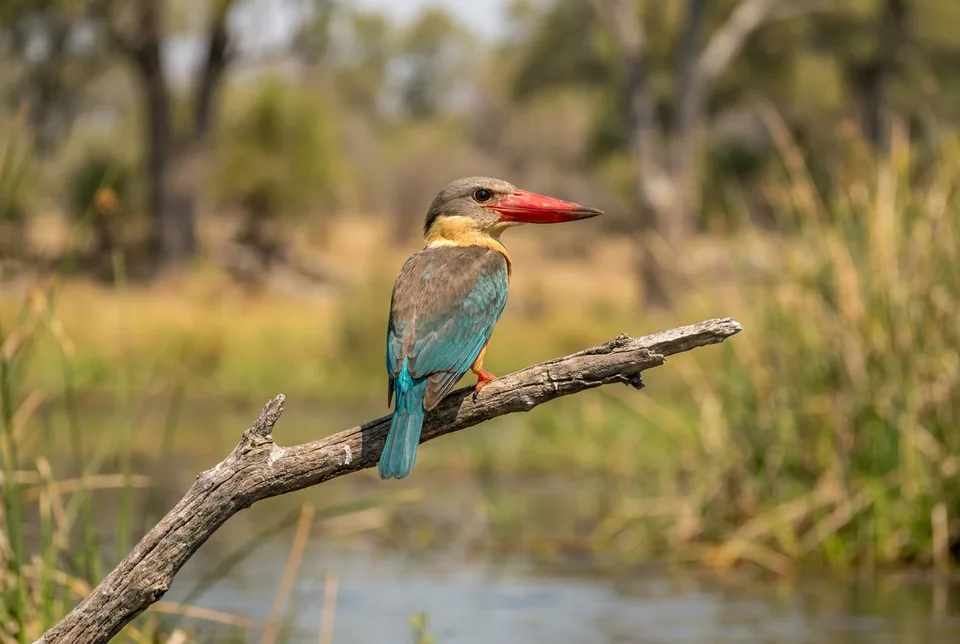
The Stork-billed Kingfisher is a large, heavy-billed kingfisher of wooded watersides in tropical Asia. Its oversized red bill can be more immediately striking than its blue wings. The Mekong listing refers specifically to Tra Su flooded forest, on an optional Chau Doc excursion, using a 2016 survey checklist rather than a current encounter-rate study. Species reference: https://www.birdsofindiansubcontinent.com/storkbilledkingfisher

Behaviour & reproduction

Size
35–38 cm (13.8–15.0 in) total length, Birds of Indian Subcontinent.
Weight
Species-specific weight not verified.
Lifespan
Species-specific lifespan not verified.
Status
Least Concern globally; BirdLife DataZone reports a 2025 assessment.

A waterside perch provides a place to watch for prey before a strike. The bird can remain inconspicuous despite its size when branches and leaves interrupt the view. Species accounts describe direct flapping flight. No Tra Su territory size, hunting success rate or reliable daily activity timetable was verified.

Top wildlife locations

Mekong river landscape — River Cruises wildlife habitatAI-modified

Mekong

Vietnam Mekong delta: Tra Su flooded forest, optional shore excursion from Chau Doc (not main-channel deck wildlife) Official 2016 BirdLife/IEBR survey checklist, not a current abundance claim. Boat/boardwalk/tower viewing; crakes, Watercock and coucals elusive. Migrant kingfishers, pond herons and waders seasonal.

Explore river cruises

Destinations describe the species' habitat, not guaranteed cruise stops. Some animals require an optional inland excursion or are found in restricted reserves.

Fun facts about the Stork-billed Kingfisher

  • Its bill is exceptionally large.
  • Fish are not its only prey.
  • Crabs are recorded in the diet.
  • Rodents and young birds are also taken.
  • Sexes have similar coloration.
  • BirdLife lists its global status as Least Concern.

Best time to see the Stork-billed Kingfisher

BirdLife classifies the species as nonmigratory, but this does not verify a monthly viewing calendar at Tra Su. The historical local checklist confirms only the registry’s occurrence basis. The location months remain empty until a recurring local source can support a range, and present-day abundance remains unverified.

Stork-billed Kingfisher: season matrix by destination

Highlighted months reflect the stated local evidence, not guaranteed encounters. Neutral months mean no verified monthly viewing window, not absence. Observation records and recommended viewing windows are distinct.

Mekong

No recurring local monthly source verified for Tra Su. The registered 2016 survey checklist is historical occurrence evidence, not a monthly calendar.

JanFebMarAprMayJunJulAugSepOctNovDec
Explore river cruises

Where the Stork-billed Kingfisher lives

Lowland streams, ponds and other waters with tree cover are characteristic habitat. Tra Su should be treated as a wooded-wetland shore excursion, not an extension of all main-channel viewing. Suitable perches can be partly hidden, so a guide familiar with the reserve may find birds that a broad open-water scan misses.

What the Stork-billed Kingfisher eats

The documented menu includes fish, frogs, crabs, rodents and young birds. This breadth matters: the name kingfisher should not be read as a fish-only diet. No measured Tra Su prey proportions were verified. Avoid supplying fish or disturbing banks to make the bird move into an exposed hunting position.

Species at a glance

Common name
Stork-billed Kingfisher
Scientific name
Pelargopsis capensis
Animal group
Birds
Size
35–38 cm (13.8–15.0 in) total length, Birds of Indian Subcontinent.
Weight
Species-specific weight not verified.
Lifespan
Species-specific lifespan not verified.
Status
Least Concern globally; BirdLife DataZone reports a 2025 assessment.
Identification
A huge red bill, buff neck and underparts, bluish wings and tail, and a darker grey-brown head form the useful combination. Colour varies geographically, so use shape and multiple plumage features together. Size is hard to judge alone in foliage; compare bill proportions before dismissing a bird as another kingfisher.

Stork-billed Kingfisher: frequently asked questions

Where can I see the Stork-billed Kingfisher?
Mekong. From an authorised boat or boardwalk, check shaded branches above quiet water. Listen to the guide’s directions before moving; a large kingfisher can vanish behind foliage without leaving its perch. Keep voices low and avoid crowding a bank where a nesting cavity might be present. Use optical magnification instead of approaching.
When is the best time to see the Stork-billed Kingfisher?
BirdLife classifies the species as nonmigratory, but this does not verify a monthly viewing calendar at Tra Su. The historical local checklist confirms only the registry’s occurrence basis. The location months remain empty until a recurring local source can support a range, and present-day abundance remains unverified.
How big does the Stork-billed Kingfisher get?
35–38 cm (13.8–15.0 in) total length, Birds of Indian Subcontinent.. Adult weight: Species-specific weight not verified.. Size varies with age, sex and population.
How should I behave around the Stork-billed Kingfisher?
From an authorised boat or boardwalk, check shaded branches above quiet water. Listen to the guide’s directions before moving; a large kingfisher can vanish behind foliage without leaving its perch. Keep voices low and avoid crowding a bank where a nesting cavity might be present. Use optical magnification instead of approaching.
What does the Stork-billed Kingfisher eat?
The documented menu includes fish, frogs, crabs, rodents and young birds. This breadth matters: the name kingfisher should not be read as a fish-only diet. No measured Tra Su prey proportions were verified. Avoid supplying fish or disturbing banks to make the bird move into an exposed hunting position.
Are wildlife sightings guaranteed on a river cruise?
No. Animals move freely and routes, weather, access restrictions and local conditions influence every outing. Confirm the actual itinerary and shore program before booking.

Compare wildlife in the same destinations

Explore other birds recorded in these destinations. Similar surroundings do not mean the animals share the same habits or viewing season.

Species comparison by animal group and destination
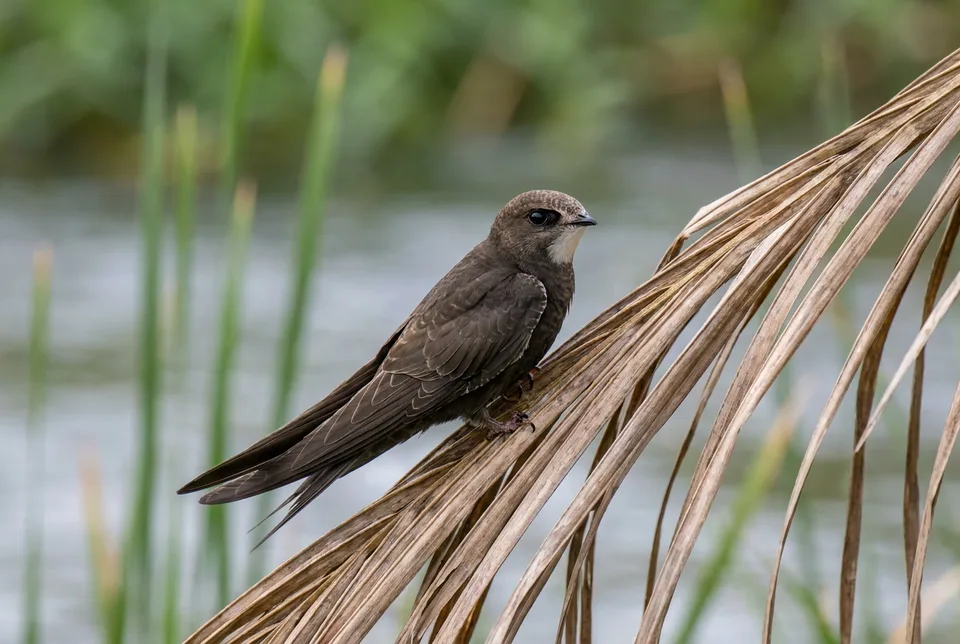
Stork-billed Kingfisher in wetland habitat — Mekong, River Cruises wildlifeAI-modifiedStork-billed KingfisherAsian openbill in wetland habitat — Mekong, River Cruises wildlifeAI-modifiedAsian OpenbillAsian Palm Swift in wetland habitat — Mekong, River Cruises wildlifeAI-modifiedAsian Palm Swift
Animal groupBirdsAnimal groupBirdsAnimal groupBirds
DestinationsMekongDestinationsMekongDestinationsMekong
Scientific name
Pelargopsis capensis
Scientific name
Scientific name
Previous speciesSquacco HeronNext speciesStreak-throated Hermit
All river wildlife
On this page
  • 01About
  • 02Behaviour & reproduction
  • 03Top wildlife locations
  • 04Fun facts
  • 05Best season
  • 06Season matrix by destination
  • 07Habitat
  • 08Diet
  • 09Species at a glance
  • 10Questions & answers
  • 11Compare

Find your river cruise

AI-modified
Plan your trip

Find your next river journey

Compare destinations, shore programs and dates with the animals and habitats you would love to see.

  • Daily shore excursions
  • Responsible wildlife watching
  • Boutique river ships
Explore river cruises