Bluerides – Blue Rides - दुनिया भर में लिवअबोर्ड डाइविंग बुक करेंOCEAN ADVENTURES
रिवर क्रूज़नदियाँप्रकृति और वन्यजीवहमारा वादा
रिवर क्रूज़नदियाँप्रकृति और वन्यजीवहमारा वादासाइन इन करें

River गंतव्य

  • River गंतव्य
  • Amazon
  • Danube
  • Rhine
  • Mekong
  • Nile

जहाज़ और प्रस्थान

  • River Cruise खोजें
  • ऑफ़र

प्रकृति और वन्यजीव

  • प्रकृति और वन्यजीव

यात्रा सहायता

  • हमारा वादा
  • संपर्क

संपर्क करें

संपर्क करें

कभी भी संपर्क करें, हम आपकी यात्रा चुनने या किसी भी सवाल में मदद करने को तैयार हैं।

ईमेलहमें लिखें, आमतौर पर कुछ ही घंटों में जवाब देते हैं।
contact@bluerides.com
व्हाट्सएपव्हाट्सएप पर हमसे चैट करें, सोम–शुक्र 10:00–16:00 (CET)।
WhatsApp चैट शुरू करें
फ़ोनहमें कॉल करें, हम खुशी से मदद करेंगे।
फ्री कॉल, सोम–शुक्र 10:00–20:00 (CET)।
यूरोप+49 800 1144 990यूएसए+1 888 557 7735यूके+44 800 707 4152ऑस्ट्रेलिया+61 2 8599 6113कनाडा+1 888 557 7735
Which river journey is yours?Answer 8 quick questions and find the river cruise that fits you.
8 questions, 1 minute·Plus Gift
सुरक्षित भुगतान विधियाँआपके भुगतान AES-256 एन्क्रिप्शन द्वारा पूरी तरह सुरक्षित हैं।
द्वारा संचालितStripeWiseAMEXPayGoogle PaySEPABank
छाप·नियम और शर्तें·गोपनीयता नीति·हमारे बारे में·संपर्क करें·दायित्व अस्वीकरण·संबद्ध कार्यक्रम·Cruise·
यहाँ हमसे जुड़ें

© 2026 Blue Rides. सर्वाधिकार सुरक्षित।·

Bluerides – Blue Rides - दुनिया भर में लिवअबोर्ड डाइविंग बुक करेंOCEAN ADVENTURES
रिवर क्रूज़नदियाँप्रकृति और वन्यजीवहमारा वादा
रिवर क्रूज़नदियाँप्रकृति और वन्यजीवहमारा वादासाइन इन करें
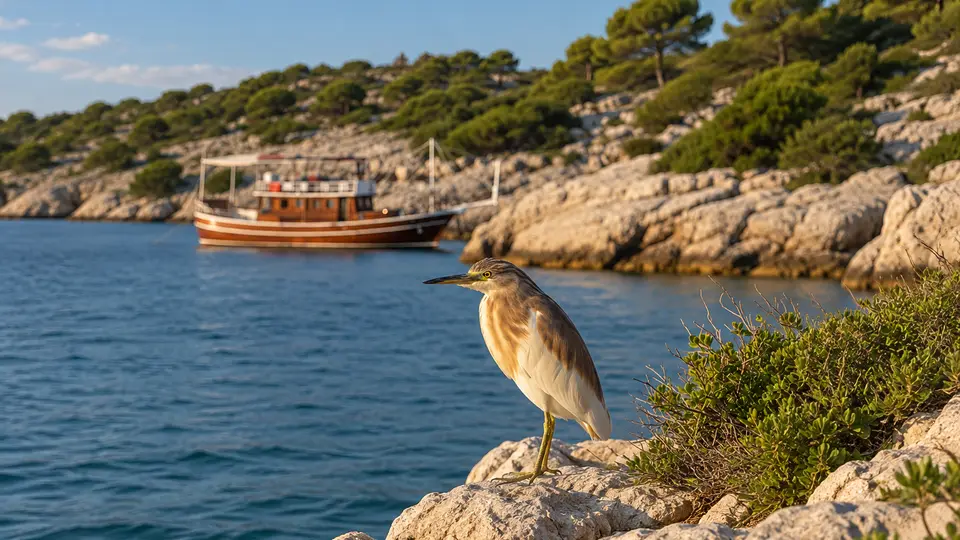
आर्द्रभूमि में Squacco heron — Danube, Nile, नदी क्रूज़ के वन्यजीव
होम›रिवर क्रूज़›नदी के वन्यजीव›Squacco Heron

Squacco HeronArdeola ralloidesइन्हें कहाँ और कब देखें

पिछली प्रजातिSpur-winged Lapwingअगली प्रजातिStork-billed Kingfisher

Squacco Heron एक नज़र में

The Squacco Heron is a small heron associated with vegetated freshwater margins. Its quiet feeding style and preference for fringed wetlands make it a different watching proposition from the conspicuous white egrets standing in open shallows. The scientific name is Ardeola ralloides, and BTO places it in Ardeidae, the heron family. Biodiversity Explorer describes a range extending from southern Europe into northern and sub-Saharan Africa. The registered River associations are the Romanian Danube Delta and the Luxor–Aswan Nile cruise corridor. The Nile checklist from 19–26 March 2007 includes Squacco Heron, providing historical evidence on that itinerary rather than a promise for every landing. Its biology is closely tied to still water, dense fringes and small aquatic prey. A traveller may therefore need to watch an apparently quiet patch of vegetation for some time before noticing a bird already feeding there.

व्यवहार और प्रजनन

आकार
Species-specific length not verified in the original sources read
वजन
Species-specific weight not verified
जीवनकाल
Species-specific lifespan not verified
स्थिति
See sourced assessment

A feeding Squacco Heron creeps along the water’s edge with its head held forward, ready to strike at small aquatic prey. This deliberate movement can make a stationary bird hard to distinguish from the surrounding wetland texture. Biodiversity Explorer describes birds as resident and sedentary around permanent wetlands but more nomadic where temporary waters appear. The breeding system is monogamous and usually colonial, sometimes alongside other species. A male builds a compact platform and displays on it until a female joins him. The platform uses thin sticks and reeds with a grass lining and may sit in a reedbed, bush or tree over water. Both parents incubate and feed the young. The account reports young leaving the nest before their first flight, an important reminder that a mobile chick need not be independent. These details describe species biology, not an invitation to locate or approach colonies.

वन्यजीवों के प्रमुख स्थान

Danube का नदी दृश्य — नदी क्रूज़ के वन्यजीवों का आवास

Danube

Romania: Danube Delta around Mahmudia and delta lakes/channels; separate lower-Danube/delta itinerary, NOT Passau–Vienna–Bratislava–Budapest.
रिवर क्रूज एक्सप्लोर करें
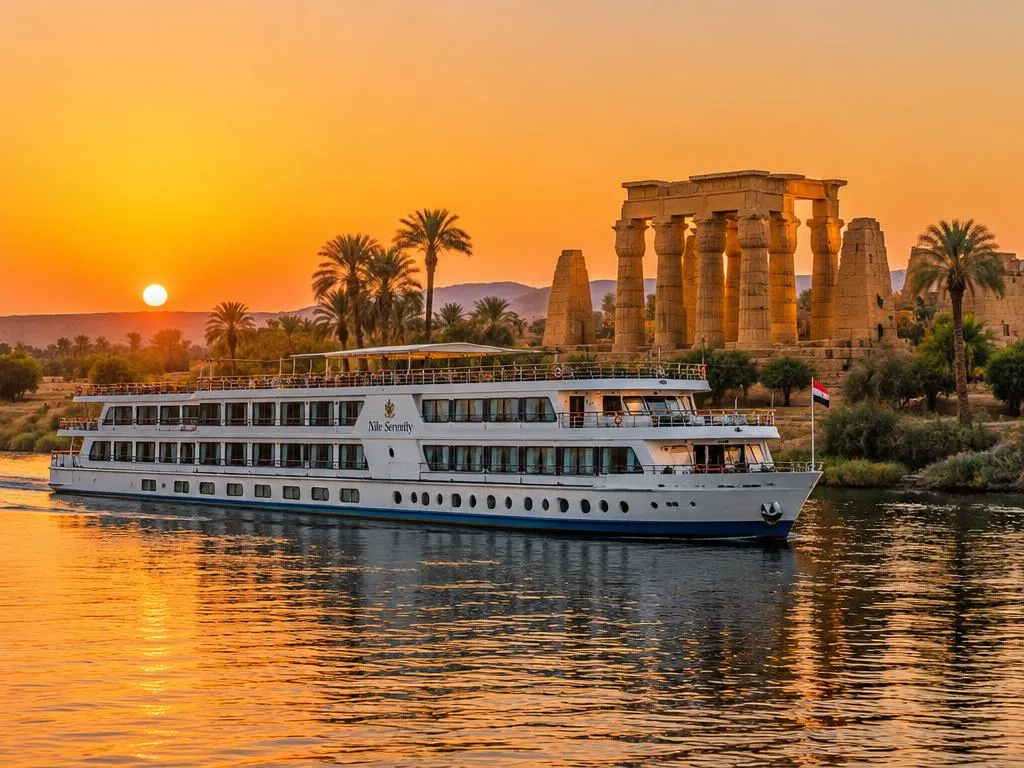
Nile का नदी दृश्य — नदी क्रूज़ के वन्यजीवों का आवास

Nile

Luxor–Esna–Edfu–Kom Ombo–Aswan; exact observation context in quote

रिवर क्रूज एक्सप्लोर करें

गंतव्य प्रजातियों के प्राकृतिक आवास का वर्णन करते हैं, न कि क्रूज के निश्चित पड़ावों का। कुछ जानवरों को देखने के लिए वैकल्पिक अंतर्देशीय भ्रमण की आवश्यकता होती है या वे केवल प्रतिबंधित रिजर्व में पाए जाते हैं।

Squacco Heron के बारे में रोचक तथ्य

  • It belongs to the heron family Ardeidae.
  • It favours still freshwater with dense fringes.
  • It can use flooded grasslands and temporary pans.
  • It creeps forward with the head extended when feeding.
  • Its diet includes fish and frogs.
  • Aquatic insects and crustaceans are also eaten.
  • The male constructs the nesting platform.
  • Both parents incubate and feed the young.
  • Young can leave the nest before their first flight.

Squacco Heron को देखने का सबसे अच्छा समय

Romanian Danube Delta only: local specialist Ibis Tours identifies April, June as viewing recommendations for this species. This is operator guidance, not a statistical sighting forecast; it does not extend to Passau, Vienna or Budapest. Colonies must be watched from permitted routes without close nest approaches. Other registered reaches retain their separate evidence and unknown months. These highlighted windows are recommendations, not the only months when the species may occur. Ask the guide about recent observations, current water access and local restrictions before choosing an excursion. Historical records and breeding dates elsewhere are not used to fill gaps in the local calendar.

Squacco Heron: गंतव्य के अनुसार सीजन मैट्रिक्स

Highlighted months reflect the stated local evidence, not guaranteed encounters. Neutral months mean no verified monthly viewing window, not absence. Observation records and recommended viewing windows are distinct.

Danube

Romanian Danube Delta only: local specialist Ibis Tours identifies April, June as viewing recommendations for this species. This is operator guidance, not a statistical sighting forecast; it does not extend to Passau, Vienna or Budapest. Colonies must be watched from permitted routes without close nest approaches.

जन॰फ़र॰मार्चअप्रैलमईजूनजुल॰अग॰सित॰अक्टू॰नव॰दिस॰
रिवर क्रूज एक्सप्लोर करें

Nile

No recurring local viewing-month window established. The Nile checklist is a single 19–26 March 2007 trip, not an annual calendar; other river reaches require their own local monthly evidence.

जन॰फ़र॰मार्चअप्रैलमईजूनजुल॰अग॰सित॰अक्टू॰नव॰दिस॰
रिवर क्रूज एक्सप्लोर करें

Squacco Heron कहाँ रहता है

Still freshwater with dense fringing vegetation is the habitat combination emphasised by Biodiversity Explorer for the Squacco Heron. Flooded grassland and temporary pans with emergent plants can also be used. The essential picture is a sheltered feeding edge with cover, not the centre of a broad shipping channel. In the Romanian Danube Delta, the registered context is the area around Mahmudia and its lakes and channels, a lower-Danube itinerary separate from the familiar Vienna–Budapest route. On the Nile, the historical cruise checklist establishes occurrence within the Luxor–Aswan journey but does not pinpoint a currently reliable reedbed. Nesting platforms can be supported by reeds, bushes or trees above water, so both low and elevated vegetation may matter. Seasonal flooding can create new feeding patches, while drying can shift birds elsewhere. A river name alone is therefore a poor substitute for knowing which wetland margin an excursion actually visits.

Squacco Heron क्या खाता है

Squacco Herons take a variety of small aquatic animals rather than specialising on one prey type. Biodiversity Explorer lists fish, frogs, aquatic insects and crustaceans, with grasshoppers, crickets, locusts and spiders also recorded. Much of the feeding takes place at the water’s edge, where a bird creeps forward with its head extended before striking. A small catch may disappear quickly, making the hunting posture easier to observe than the prey itself. Different wetland conditions provide different opportunities, so the published list should not be read as the menu of every Nile or Danube individual. Look for a sequence of slow advance, focused attention and a sudden bill movement. Feeding can occur beside dense cover rather than on an exposed sandbar. Keep the bank undisturbed and allow the bird to choose its own route; pushing it into open ground destroys the natural behaviour that makes the observation valuable.

प्रजातियों पर एक नज़र

सामान्य नाम
Squacco Heron
Scientific name
Ardeola ralloides
पशु समूह
Birds
आकार
Species-specific length not verified in the original sources read
वजन
Species-specific weight not verified
जीवनकाल
Species-specific lifespan not verified
स्थिति
Biodiversity Explorer describes the species as not threatened in its southern African account; this is not a newly verified global assessment.
पहचान
Begin with the identity Ardeola ralloides: Squacco Heron is a member of the heron family, not an egret identified simply by white colour. Its compact heron shape and quiet, forward-headed feeding posture are useful starting points at a vegetated freshwater edge. A brief view among reeds may show too little for a confident identification, especially where several small herons share the same wetland. Compare a full side view, the head and bill, and the appearance in flight using a current regional field guide. The source material checked here supports habitat, behaviour and taxonomy more strongly than a complete plumage diagnosis, so a difficult bird deserves additional checking rather than a forced name. Note whether it was creeping at the water’s edge and whether nearby water was still or slow-moving. Such observations provide useful context, but neither habitat nor the historical Nile checklist can identify an individual bird on their own.

Squacco Heron: अक्सर पूछे जाने वाले प्रश्न

तुम Squacco Heron कहाँ देख सकते हो?
Danube, Nile. Watch the boundary between shallow water and dense vegetation, allowing time for a slow-moving bird to reveal itself. The Squacco Heron’s feeding posture, with the head held forward and a sudden strike at prey, may be easier to notice than its body outline. A boat passing quickly along the main channel may offer less opportunity than an authorised delta or wetland excursion with time to pause. In the Danube Delta, keep the Mahmudia lakes-and-channels association distinct from upstream city cruising. On the Nile, treat the March 2007 checklist as historical route evidence, not directions to an occupied colony. If a bird disappears behind reeds, wait rather than flushing it into flight. Record the setting, posture and any useful plumage photographs from the original viewpoint. Avoid entering reeds or moving towards platforms over water, since feeding margins and nesting cover can be close together.
Squacco Heron देखने का सबसे अच्छा समय कब है?
Romanian Danube Delta only: local specialist Ibis Tours identifies April, June as viewing recommendations for this species. This is operator guidance, not a statistical sighting forecast; it does not extend to Passau, Vienna or Budapest. Colonies must be watched from permitted routes without close nest approaches. Other registered reaches retain their separate evidence and unknown months. These highlighted windows are recommendations, not the only months when the species may occur. Ask the guide about recent observations, current water access and local restrictions before choosing an excursion. Historical records and breeding dates elsewhere are not used to fill gaps in the local calendar.
Squacco Heron कितने बड़े होते हैं?
Species-specific length not verified in the original sources read। वयस्क वजन: Species-specific weight not verified। आकार उम्र, लिंग और आबादी के साथ बदलता रहता है।
Squacco Heron के आस-पास मुझे कैसा व्यवहार करना चाहिए?
Watch the boundary between shallow water and dense vegetation, allowing time for a slow-moving bird to reveal itself. The Squacco Heron’s feeding posture, with the head held forward and a sudden strike at prey, may be easier to notice than its body outline. A boat passing quickly along the main channel may offer less opportunity than an authorised delta or wetland excursion with time to pause. In the Danube Delta, keep the Mahmudia lakes-and-channels association distinct from upstream city cruising. On the Nile, treat the March 2007 checklist as historical route evidence, not directions to an occupied colony. If a bird disappears behind reeds, wait rather than flushing it into flight. Record the setting, posture and any useful plumage photographs from the original viewpoint. Avoid entering reeds or moving towards platforms over water, since feeding margins and nesting cover can be close together.
Squacco Heron क्या खाते हैं?
Squacco Herons take a variety of small aquatic animals rather than specialising on one prey type. Biodiversity Explorer lists fish, frogs, aquatic insects and crustaceans, with grasshoppers, crickets, locusts and spiders also recorded. Much of the feeding takes place at the water’s edge, where a bird creeps forward with its head extended before striking. A small catch may disappear quickly, making the hunting posture easier to observe than the prey itself. Different wetland conditions provide different opportunities, so the published list should not be read as the menu of every Nile or Danube individual. Look for a sequence of slow advance, focused attention and a sudden bill movement. Feeding can occur beside dense cover rather than on an exposed sandbar. Keep the bank undisturbed and allow the bird to choose its own route; pushing it into open ground destroys the natural behaviour that makes the observation valuable.
क्या रिवर क्रूज पर वन्यजीवों का दिखना निश्चित है?
नहीं। जानवर स्वतंत्र रूप से घूमते हैं और मार्ग, मौसम, पहुंच प्रतिबंध और स्थानीय स्थितियां हर यात्रा को प्रभावित करती हैं। बुकिंग से पहले वास्तविक यात्रा कार्यक्रम और तट कार्यक्रम की पुष्टि करें।

उन्हीं गंतव्यों में वन्यजीवों की तुलना करें

इन गंतव्यों में दर्ज अन्य birds को एक्सप्लोर करें। समान परिवेश का अर्थ यह नहीं है कि जानवरों की आदतें या देखने का सीजन भी एक जैसा होगा।

पशु समूह और गंतव्य के अनुसार प्रजातियों की तुलना
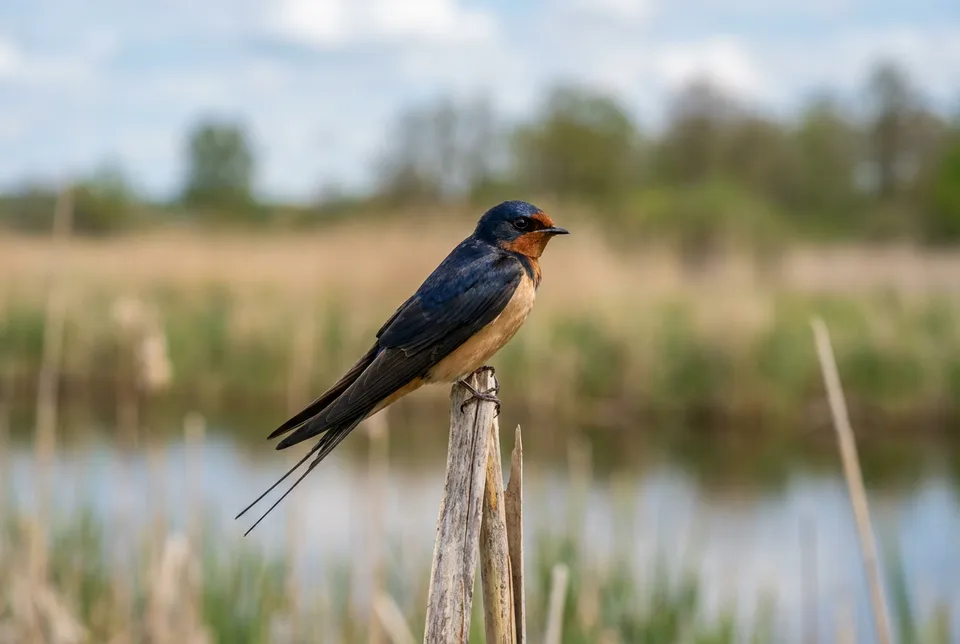
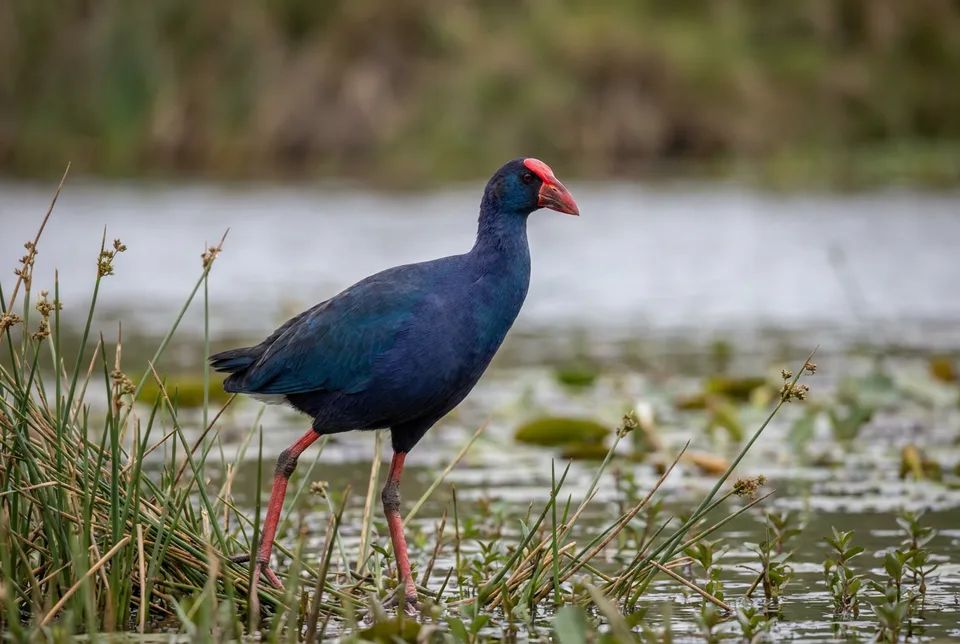
आर्द्रभूमि में Squacco heron — Danube, Nile, नदी क्रूज़ के वन्यजीवSquacco Heronआर्द्रभूमि में अफ्रीकी स्वैम्पहेन — नील, मिस्र, नदी क्रूज़ के वन्यजीवAfrican Swamphenआर्द्रभूमि में Barn Swallow — Mississippi, Nile, नदी क्रूज़ के वन्यजीवBarn Swallow
पशु समूहBirdsपशु समूहBirdsपशु समूहBirds
डेस्टिनेशनDanube, Nileडेस्टिनेशनNileडेस्टिनेशनMississippi, Nile
Scientific name
Ardeola ralloides
Scientific name
Scientific name
पिछली प्रजातिSpur-winged Lapwingअगली प्रजातिStork-billed Kingfisher
नदी के सभी वन्यजीव
On this page
  • 01लगभग
  • 02व्यवहार और प्रजनन
  • 03वन्यजीवों के प्रमुख स्थान
  • 04रोचक तथ्य
  • 05सबसे अच्छा मौसम
  • 06गंतव्य के अनुसार सीजन मैट्रिक्स
  • 07आवास
  • 08आहार
  • 09प्रजातियों पर एक नज़र
  • 10प्रश्न और उत्तर
  • 11तुलना करें

Find your river cruise

अपनी यात्रा की योजना बनाएं

अपना अगला रिवर क्रूज़ सफर खोजो

उन गंतव्यों, तटवर्ती कार्यक्रमों और तारीखों की तुलना करें जहाँ आप अपने पसंदीदा जानवरों और उनके प्राकृतिक आवासों को देख सकें।

  • दैनिक तटवर्ती भ्रमण
  • जिम्मेदारी के साथ वन्यजीव दर्शन
  • बुटीक रिवर शिप्स
रिवर क्रूज एक्सप्लोर करें