À propos de Plaza Islands
Les îles Plaza, et plus particulièrement l'île Plaza Sud, sont un site de plongée remarquable de l'archipel des Galápagos, réputé pour offrir une expérience adaptée aux plongeurs moins expérimentés. Situées près de l'île de Santa Cruz, ces îles se caractérisent par leurs origines volcaniques, offrant une topographie spectaculaire tant à la surface que sous l'eau. Plonger autour des îles Plaza consiste généralement à explorer des sites où la vie marine prospère au milieu des structures sous-marines. La fourchette de profondeur le rend accessible à différents niveaux de certification, ce qui contribue à son attrait. L'expérience de plongée fait souvent partie d'un itinéraire d'île en île, te permettant d'explorer à la fois les environnements terrestres et marins. Bien que la région des Galápagos soit réputée pour sa riche biodiversité, les îles Plaza offrent la possibilité de rencontrer une variété d'espèces, bien que les détails spécifiques sur la vie marine du site de plongée lui-même ne soient pas détaillés dans les sources fournies. Cependant, les eaux plus larges des Galápagos abritent des otaries, une grande diversité de requins, de raies et de tortues de mer. L'expérience de plongée sur des sites comme les îles Plaza est souvent considérée comme appropriée pour les plongeurs moins expérimentés. Elle est généralement proposée en excursion d'une journée depuis les îles centrales, ce qui te permet de combiner l'exploration sous-marine avec d'autres activités terrestres.
Points forts
Topographie d'île volcaniqueAdapté aux plongeurs moins expérimentésInclus dans les itinéraires d'île en îleRencontres avec la vie marine des Galápagos
Calendrier saisonnier
Meilleurs mois pour plonger
Jan
Fév
Mar
Avr
Mai
Juin
Juil
Août
Sep
Oct
Nov
Déc
Excellent
Bon
Fiche du site de plongée: Plaza Islands
- Courant
- Medium à Fort
- Visibilité
- 10–30 m
- Température de l'eau
- 17–26°C
- Mise à l'eau
- Croisière ou bateau à la journée
- Niveau
- Intermédiaire
- Type de plongée
- Récif, big_animals
- Région / port
- Galápagos Islands
- Coordonnées
- -0.5796, -90.1598
Conditions & courants
Les courants sont généralement faibles, ce qui en fait une plongée relaxante adaptée à la plupart des plongeurs certifiés. Il est généralement présenté comme une plongée pour débutants. Le site se plonge en croisière ou en bateau à la journée, selon ton point de départ. Marée, vent et saison changent la donne d'un jour à l'autre : le briefing de l'équipage prime toujours sur toute description générale.
Faune marine et probabilité d'observation
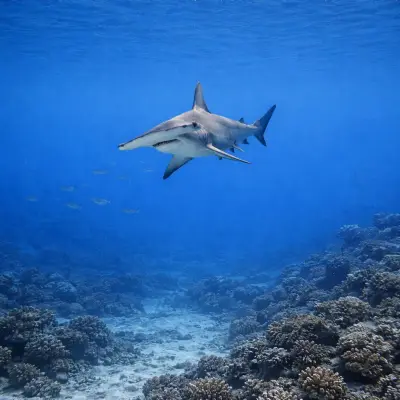
Hammerhead shark
December–May (large schools); June–November (smaller numbers · fréquent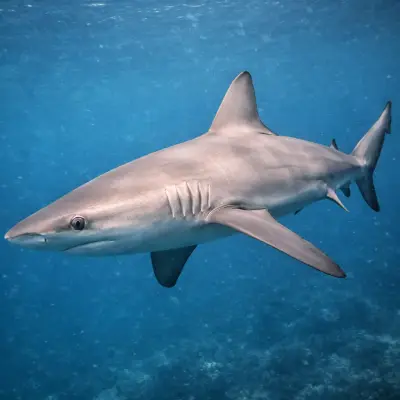
Galápagos shark
fréquent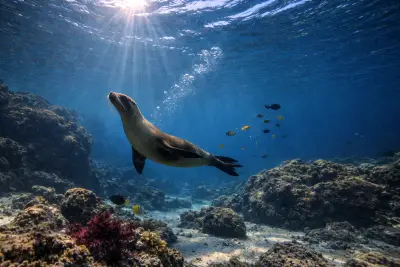
Sea lion
fréquent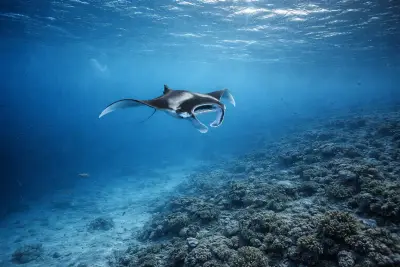
Manta ray
March–May (frequently spotted) · fréquent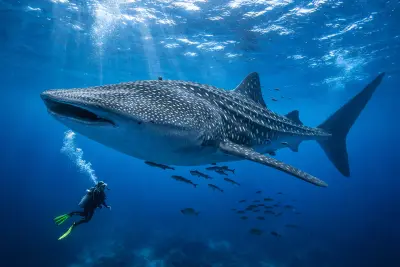
Whale shark
June–November (peak season) · fréquent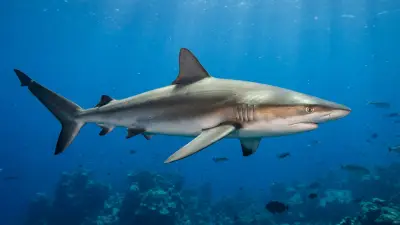
Silky shark
fréquent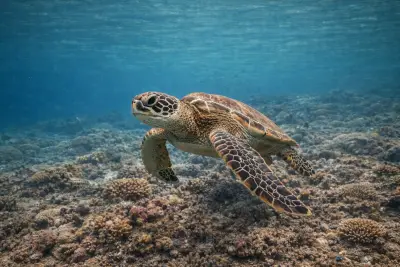
Green sea turtle
fréquent
Reef fish
fréquentProfil et déroulé de la plongée
A typical dive at Plaza Islands focuses on exploring the rich marine environment that thrives due to upwellings and currents. Divers usually enter the water via tender from a liveaboard or day boat, often performing a negative entry to quickly descend and mitigate surface currents. The route typically follows the contours of the underwater landscape, allowing for observation of pelagic species in the open water and reef fish closer to the rocks. Depth progression can vary, but generally, divers will explore different depth bands to encounter a diverse range of marine life. Attention is often directed towards areas where currents are more pronounced, as these are hotbeds for larger marine animals. The turn point is determined by air consumption and bottom time, with divers often drifting along the current. Safety stops are conducted in shallower, more sheltered areas if available, or as a blue-water stop, requiring careful buoyancy control, especially with potentially strong currents. The dive concludes with an ascent back to the tender boat, which will follow the divers' drift.
Photographie sous-marine
Plaza Islands offers excellent opportunities for wide-angle photography, especially for capturing the vibrant pelagic action and large marine animals. A fisheye or wide-angle lens (e.g., 10-17mm or 16-35mm equivalent) is recommended to frame schooling hammerheads, manta rays, and whale sharks against the blue water. External strobes are beneficial for adding color and detail, especially in deeper or less clear conditions, helping to cut through backscatter. When photographing larger subjects, ensure you maintain a respectful distance to avoid disturbing their natural behavior. For smaller reef fish and invertebrates, a macro lens might be suitable, though the primary draw of Plaza Islands is its big animal encounters. Buoyancy control is paramount, particularly with the prevalent currents, to avoid damaging the delicate ecosystem and to maintain stable shots. Natural light can be sufficient for wide shots in good visibility, but strobes will enhance color and contrast.
À combiner avec ces sites
- Gordon Rocks
Gordon Rocks, situé au large de la côte nord-est de l'île de Santa Cruz aux Galápagos, s'impose comme un site de plongée de premier plan au…
- Kicker Rock (León Dormido)
Kicker Rock, également appelé León Dormido (le Lion Endormi) en raison de sa silhouette caractéristique sous certains angles, est un site…
- North Seymour
North Seymour est l'un des sites de plongée les plus fréquentés des Galápagos, idéalement situé à un court trajet en bateau du canal…
- Mosquera Island
Mosquera Island est un site de plongée unique dans la réserve marine des Galápagos, situé entre les îles Seymour et Baltra.
- Pinzon
Pinzon est situé au cœur de l'archipel des Galápagos, une zone caractérisée par des eaux généralement plus chaudes et plus protégées que…
- Beagle Rocks
Beagle Rocks est un site de plongée captivant situé au large de Santiago Island, dans le centre de l'archipel des Galápagos, réputé pour sa…
Accès et logistique
Access to Plaza Islands in the Galápagos typically involves flights into the Galápagos Ecologic Airport (GPS) on Baltra Island, or potentially San Cristobal Airport (SCY). From these airports, liveaboards are the most common way to visit remote dive sites, offering itineraries ranging from 7 to 10 days. Some land-based island hopping tours also offer diving, often departing from Puerto Ayora on Santa Cruz Island. Divers need to budget for the Galápagos National Park entrance fee (currently $200 per person) and the INGALA tax ($20 per person), which are usually not included in tour prices. Dive equipment rentals are available, but many divers prefer to bring their own. Permitting and operator restrictions are strict due to the protected marine reserve status, so it's essential to confirm all requirements with your chosen operator before travel.
Sécurité et environnement
Diving in the Galápagos demands a high level of preparedness. The nearest recompression chamber is located in Puerto Ayora, Santa Cruz Island, making immediate access a concern for serious dive emergencies. Evacuation from remote dive sites to the chamber can take several hours, often involving boat transfers. Therefore, comprehensive dive insurance, including coverage for emergency medical treatment and evacuation, is not just recommended but essential. Site-specific hazards at Plaza Islands include strong and unpredictable currents, potential down-currents, and varying visibility, which can pose challenges for less experienced divers. Proper training, including advanced open water certification and experience in current diving, is highly advisable. Divers must strictly adhere to guide instructions, maintain excellent buoyancy control, and always dive within their limits. Observing marine life from a respectful distance is crucial to protect both divers and the delicate ecosystem.
Pour qui — et pour qui pas
Adapté à
- Experienced divers comfortable with strong currents
- Intermediate divers seeking pelagic encounters
- Photographers focusing on wide-angle marine life
- Divers interested in endemic species and unique ecosystems
- Liveaboard enthusiasts
Moins adapté à
- Beginner divers without current experience
- Divers uncomfortable with cold water
- Individuals prone to seasickness on choppy waters
- Divers expecting calm, easy conditions
- Those without comprehensive dive insurance
FAQ
FAQ Plaza Islands
What marine life can I expect to see at Plaza Islands?
Plaza Islands is known for strong pelagic action. You can commonly encounter hammerhead sharks, Galápagos sharks, and sea lions. Depending on the season, manta rays are frequently spotted from March to May, and whale sharks are a major highlight during the peak season from June to November. Various rays, green sea turtles, and numerous reef fish also inhabit the area.
When is the best time of year to dive Plaza Islands?
Plaza Islands is a year-round diving destination, but the 'best' time depends on what you want to see. The warmer season (December-May) offers calmer seas, better visibility, and more large schools of hammerhead sharks and giant manta rays. The cooler season (June-November) is ideal for whale shark encounters, though water temperatures are lower and seas can be choppier.
What is the typical water temperature and visibility at Plaza Islands?
Water temperatures at Plaza Islands range from approximately 22-26°C (72-79°F) during the warm season (December-May) and drop to 17-23°C (63-73°F) during the cool season (June-November). Visibility generally ranges from 10 to 30 meters, with better visibility often in the warmer months and slightly reduced visibility during nutrient-rich upwellings.
What level of diving experience is required for Plaza Islands?
Plaza Islands is recommended for intermediate to experienced divers. The Galápagos waters are known for medium to strong currents, surge, and potentially cold water. Divers should be comfortable with drift diving, have excellent buoyancy control, and possess experience in challenging conditions to fully enjoy the site safely.
Are there any specific safety considerations for diving at Plaza Islands?
Due to potentially strong currents and the remote location, divers must prioritize safety. It is crucial to have comprehensive dive insurance that covers emergency medical treatment and evacuation, as the nearest recompression chamber is not immediately accessible. Always follow your dive guide's instructions, maintain good buoyancy, and be mindful of your air consumption.
Pourquoi plonger Plaza Islands en croisière ?
Plaza Islands est un site emblématique de Galápagos. Une croisière te loge sur l'eau et propose trois à quatre plongées guidées par jour, dont des plongées à l'aube et de nuit que les bateaux à la journée offrent rarement. Tu évites le retour quotidien au port et atteins des sites plus tranquilles de la même région en un seul voyage.
Voici les croisières qui incluent Plaza Islands dans leurs itinéraires en Galápagos.
Croisières plongée à Plaza Islands
Ces croisières plongée peuvent visiter Plaza Islands sur certains itinéraires — les sites exacts dépendent du départ, de la météo et des conditions.
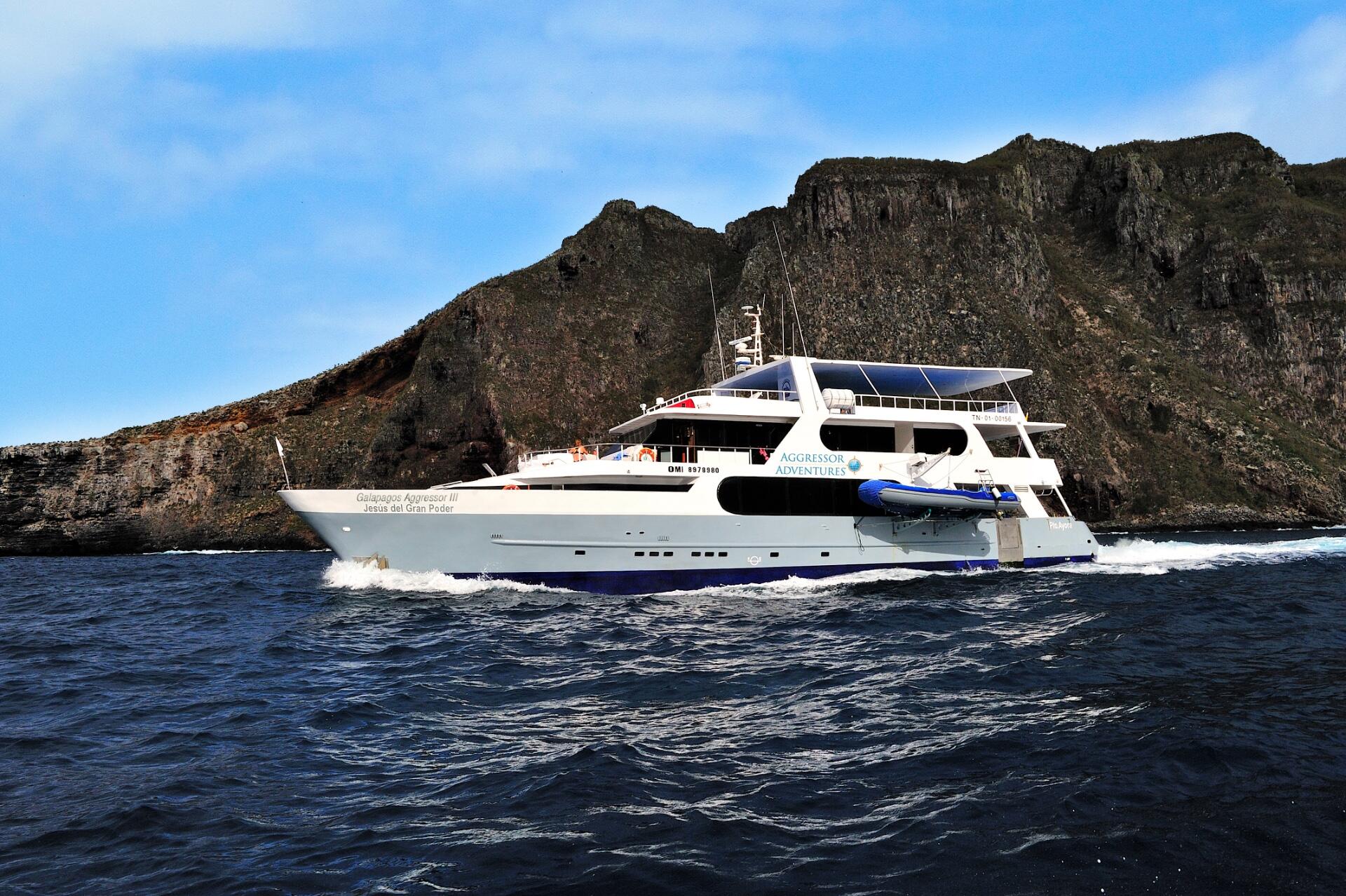
Galapagos Aggressor III
Galápagos
16 plongeurs30.5 m
€803/jour
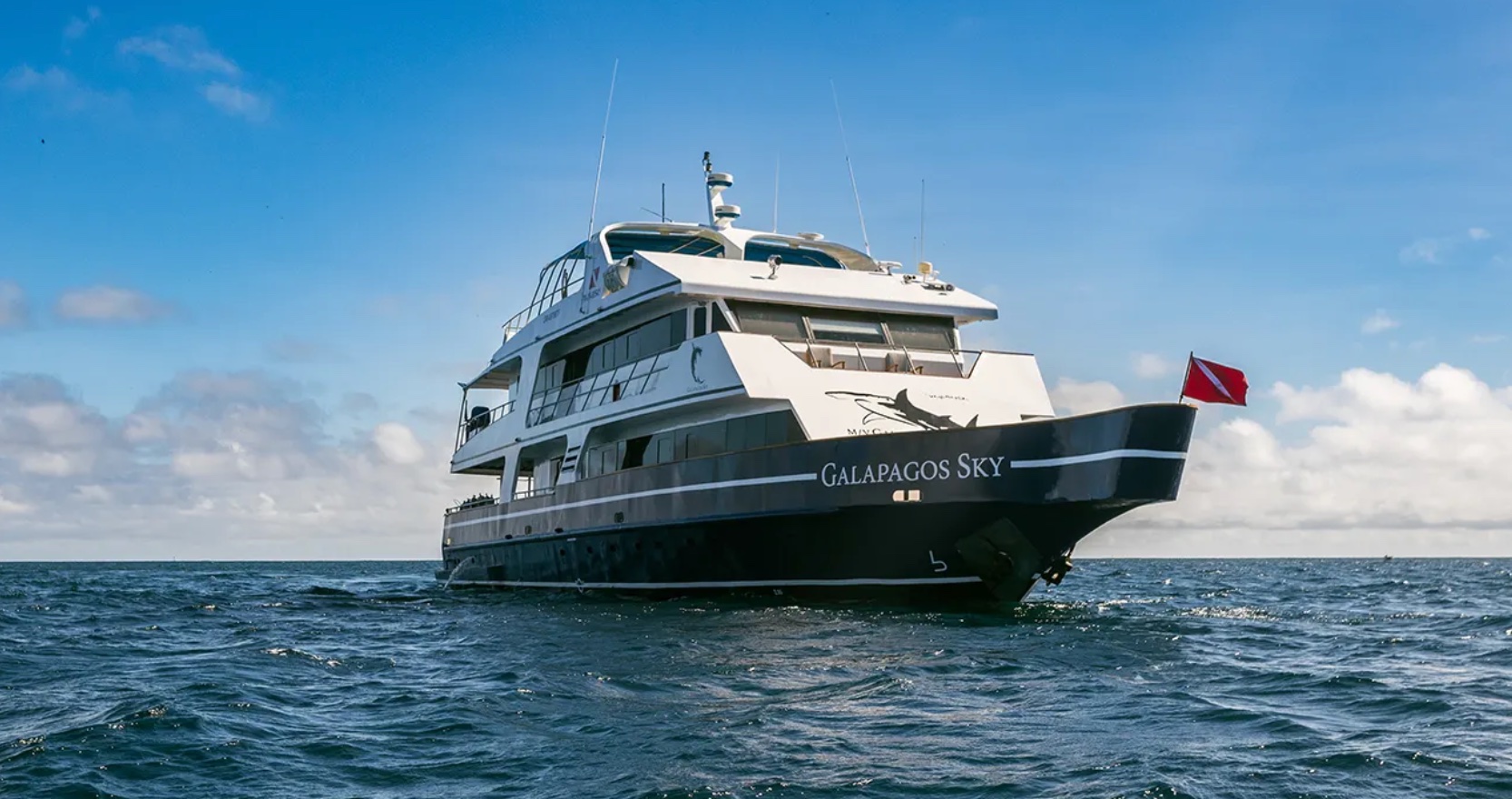
Galapagos Sky
Galápagos
16 plongeurs
€824/jour
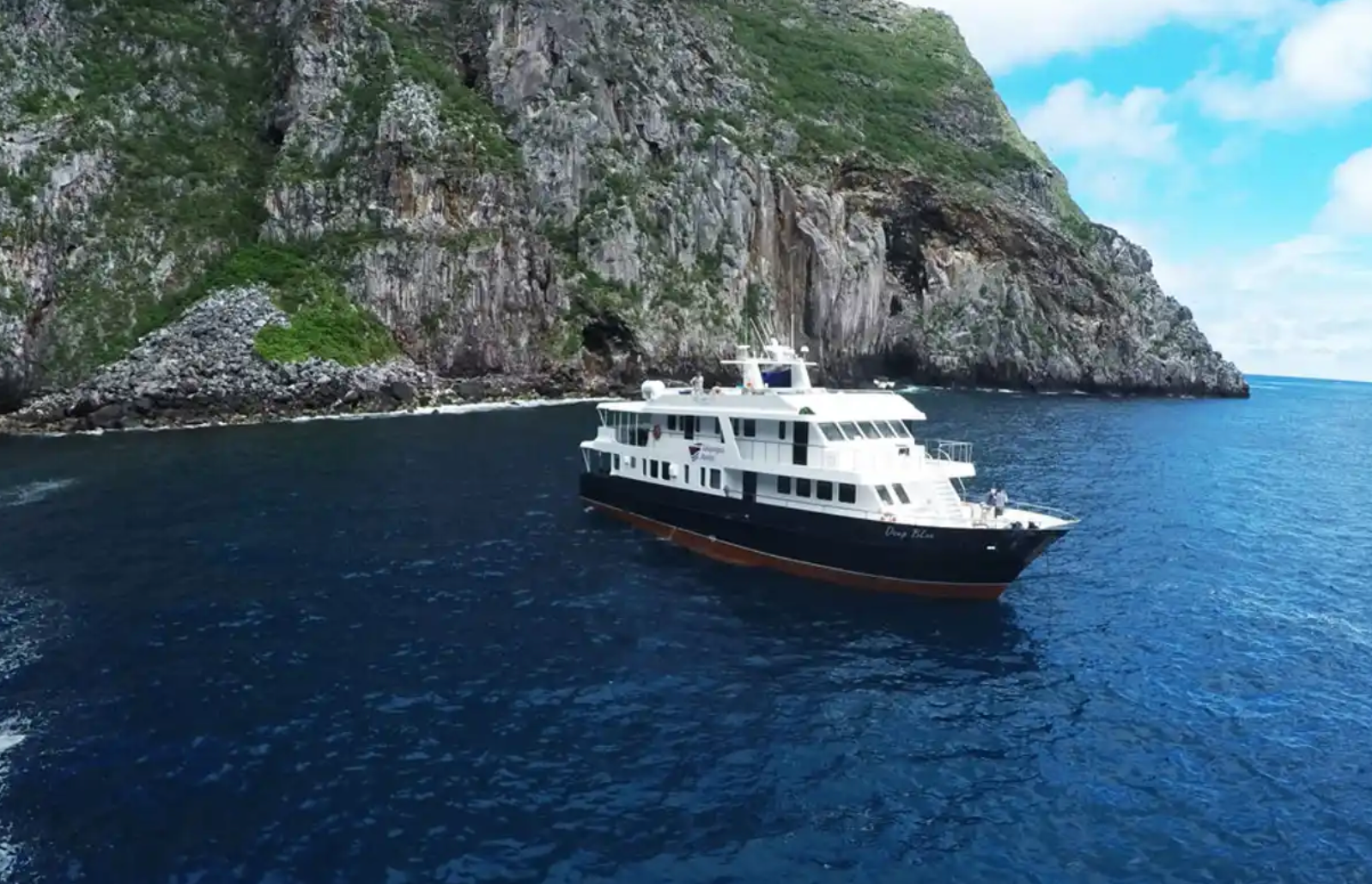
Galapagos Master
Galápagos
16 plongeurs
€589/jour
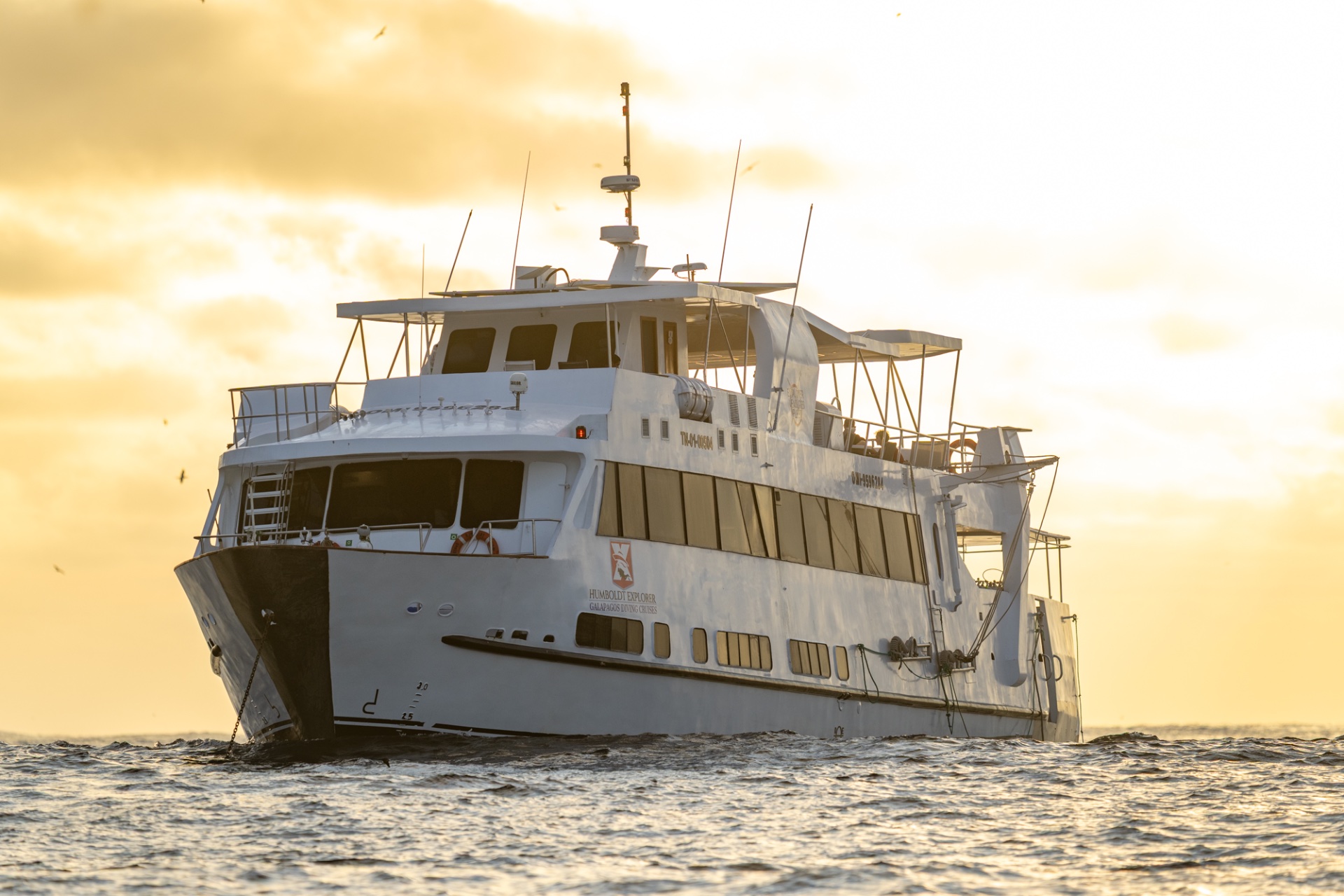
Humboldt Explorer
Galápagos
16 plongeurs
€538/jour
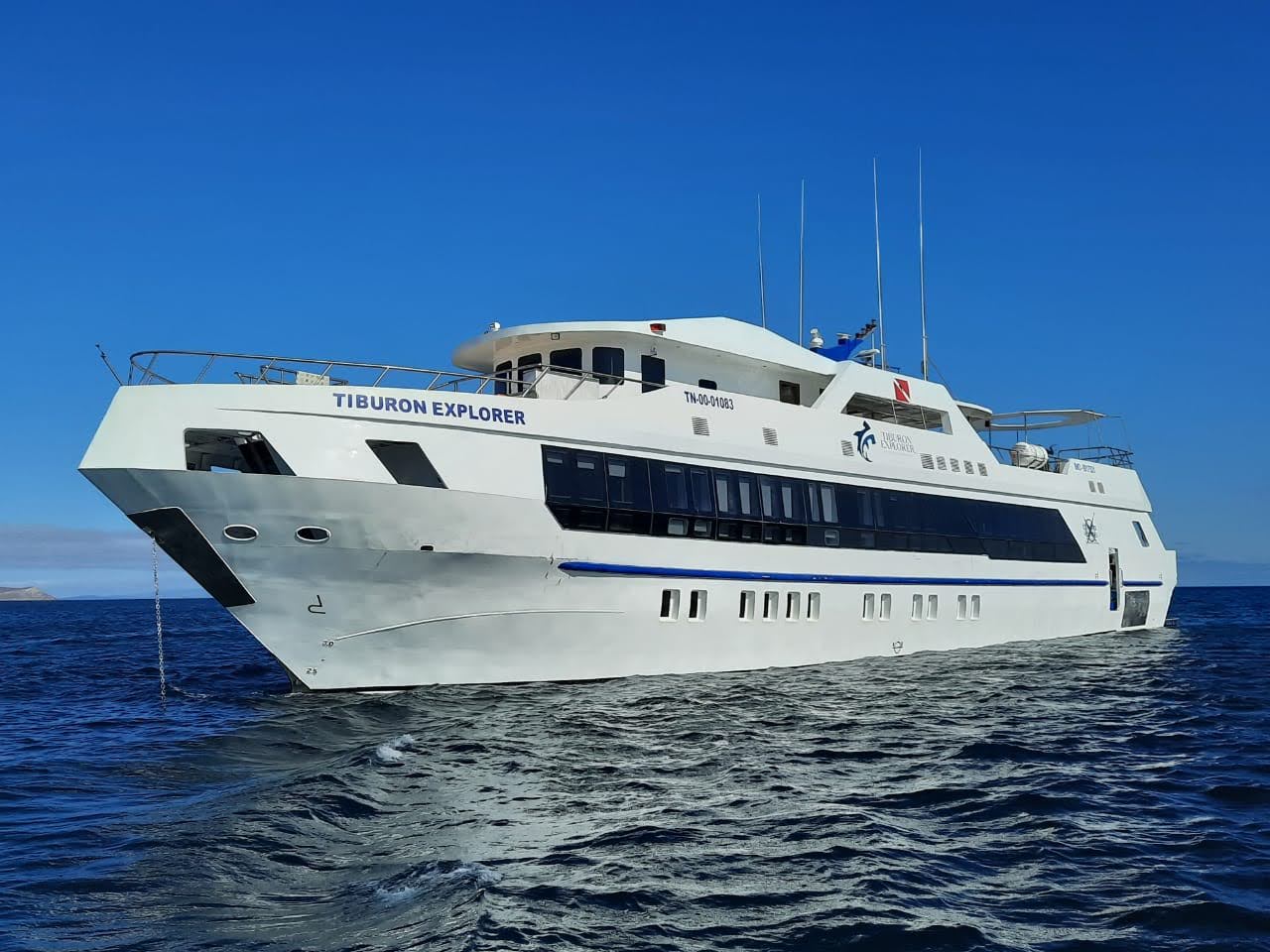
Tiburon Explorer
Galápagos
16 plongeurs
€813/jour
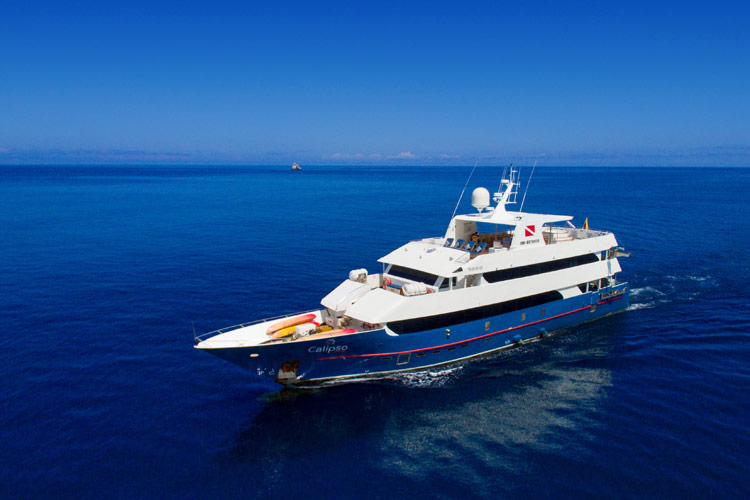
Calipso
Galápagos
16 plongeurs
€721/jour
Sites de plongée similaires à Plaza Islands
Même ambiance, mêmes eaux : six autres sites appréciés pour les mêmes raisons.Comparez les saisons, l'accès et les itinéraires de liveaboard, puis choisissez le site qui correspond à votre voyage.
© Esri — Maxar, Earthstar, GIS
Floreana - La Couronne du Diable
Galápagos
Devil's Crown, situé au large de l'île Floreana aux Galápagos, est réputé pour être l'une des destinations de plongée et de PMT les plus spectaculaires de l'archipel.
- Adapté à
- Débutant
- Courant
- Fort
- Accès
- Croisière uniquement
- Profondeur
- 3–15 m
- Thème
- Récif
Pinzon est situé au cœur de l'archipel des Galápagos, une zone caractérisée par des eaux généralement plus chaudes et plus protégées que les régions du nord ou de l'ouest.
- Adapté à
- Avancé
- Courant
- Fort
- Accès
- Croisière ou bateau à la journée
- Profondeur
- ≤ 18 m
- Thème
- Récif / Dérivante
L'île de Santa Fe, également connue sous son nom anglais Barrington, est un site de plongée unique de l'archipel des Galápagos, remarquable par son âge géologique important et son fort degré d'endémisme.
- Adapté à
- Débutant
- Courant
- Faible
- Accès
- Croisière ou bateau à la journée
- Profondeur
- 5–30 m
- Thème
- Récif
© Esri — Maxar, Earthstar, GIS
Camano Islet
Galápagos
L'îlot Camano offre une expérience de plongée accessible et douce au sein de l'archipel des Galápagos, se distinguant comme un site adapté aux plongeurs moins expérimentés.…
- Adapté à
- Débutant
- Courant
- Faible
- Accès
- Croisière ou bateau à la journée
- Profondeur
- 21–35 m
- Thème
- Récif
© Esri — Maxar, Earthstar, GIS
El Arenal - Santiago
Galápagos
El Arenal, situé près de l'île Darwin dans le nord de l'archipel des Galápagos, est considéré comme l'un des meilleurs sites de plongée au monde.
- Adapté à
- Intermédiaire
- Courant
- Fort
- Accès
- Croisière uniquement
- Profondeur
- 3–18 m
- Thème
- Récif
© Esri — Maxar, Earthstar, GIS
Cap Douglas - Fernandina
Galápagos
Cape Douglas, situé au large de l'île sauvage de Fernandina aux Galápagos, offre une expérience de plongée unique au monde, axée sur sa faune marine endémique.
- Adapté à
- Avancé
- Courant
- Fort
- Accès
- Croisière uniquement
- Profondeur
- 5–33 m
- Thème
- Récif