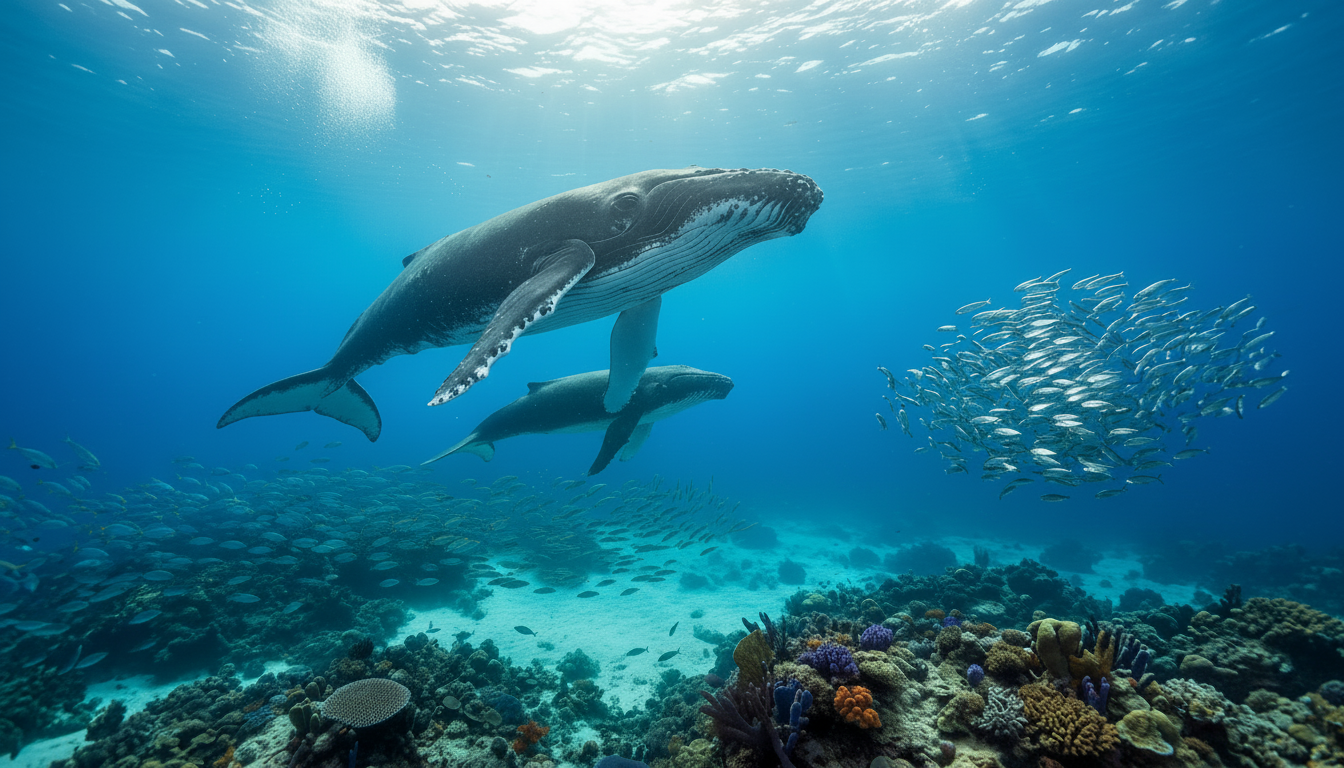
Imagine, if you will, being completely enveloped by the vast, cobalt embrace of the ocean, the rhythmic pulse of the currents your only companion, when from the depths emerges a silhouette of mythic proportions. Then, another, and another, until the very water around you vibrates with the immense presence of one of the planet's most magnificent creatures. This isn't a dream; it's a profound reality awaiting you in the crystal-clear waters surrounding Grand Turk, where the annual pilgrimage of humpback whales offers an unparalleled opportunity for connection with the wild heart of the ocean. Prepare yourself for an encounter that will redefine your understanding of marine life and leave an indelible mark on your soul.
Why Humpback Whale Passage Belongs on Your Bucket List
The Humpback Whale Passage off Grand Turk isn't just another dive trip; it's a rendezvous with giants, a front-row seat to one of nature's most spectacular migrations. Each year, between January and April, thousands of North Atlantic humpback whales journey from their northern feeding grounds to the warm, protected waters of the Turks Bank and Silver Bank to mate and give birth. This makes the Turks Island Passage one of the Caribbean's most vital and bustling whale corridors. What sets Grand Turk apart is its unique geographical position, acting as a bottleneck for these majestic cetaceans as they navigate the deep channels.
This isn't merely about spotting a whale from a distance; it's about the potential for meaningful, respectful in-water encounters, a privilege afforded to very few places on Earth. The sheer scale and grace of these animals, ranging up to 16 metres in length and weighing up to 40 tonnes, are utterly breathtaking. Witnessing a mother and calf, or hearing their ethereal songs resonate through the water, is an experience that transcends mere tourism. It’s an immersion into a primeval world, a moment of humbling perspective that connects you directly to the raw power and delicate balance of our oceans. If you seek adventure intertwined with profound natural beauty and an unforgettable wildlife encounter, then this experience is tailor-made for you, speaking directly to those with an insatiable wanderlust and a deep respect for marine biodiversity.
What You'll See and Do
The primary draw, of course, is the humpback whale. Your days will be spent scanning the horizon for their distinctive spouts and tail flukes, and listening intently for their haunting vocalizations. Once a suitable pod is located, and under strict regulatory guidelines to ensure minimal disturbance, you may have the extraordinary opportunity to enter the water for a snorkel encounter. These are not 'dives' in the traditional sense, but rather surface interactions designed to allow the whales to dictate the terms of engagement. Imagine hovering silently in the water as a magnificent adult glides past beneath you, or a curious calf breaches in the distance. The sheer size of these animals up close is staggering, their scarred skin and barnacle-encrusted forms a testament to their epic journeys.
While the whales are the main event, the Turks & Caicos waters are a vibrant ecosystem in their own right. Even on days when whale interactions are limited, you'll be treated to spectacular reef dives. Sites like "The Wall" off Grand Turk offer dramatic drop-offs adorned with vibrant corals, sponges, and a plethora of reef fish, including French angelfish, barracuda, and reef sharks. You might encounter eagle rays gliding gracefully, green turtles munching on seagrass, or nurse sharks resting under ledges. The incredible clarity of the water, often exceeding 30 metres (100 feet), provides unparalleled viewing opportunities, allowing you to appreciate the rich marine tapestry even as you await your whale encounter. The experience is about patience, respect, and readiness for a moment that could redefine your life.
Best Time to Go
To maximise your chances of experiencing the Humpback Whale Passage, you'll want to plan your trip between January and April. This four-month window is peak whale migration season, when the majority of humpbacks are passing through the Turks Island Passage. January typically sees the first arrivals, with numbers steadily increasing through February and March, often peaking into April before they begin their return journey north.
During these months, the water temperatures are comfortably warm, ranging from 25–27°C (77–81°F). Visibility is consistently excellent, often exceeding 30 metres (100 feet), which is crucial for spotting whales from the surface and enjoying breathtaking underwater views. While there can be occasional stronger currents in the passage itself, particularly during surface encounters, these are generally manageable and part of the dynamic ocean environment. Weather during this period is typically stable and pleasant, with plenty of sunshine and comfortable air temperatures, making for ideal conditions both on and off the water.
How to Dive Humpback Whale Passage
Accessing the Humpback Whale Passage experience is primarily done via specialised day-boat operators based in Grand Turk. While there are no liveaboards dedicated solely to whale interactions in this specific passage, some liveaboard itineraries in the wider Turks & Caicos region may offer day excursions to Grand Turk or focus on other diving highlights. For dedicated whale encounters, day-boats offer the flexibility to follow the whales and adhere to strict regulatory guidelines for in-water interactions. Most in-water encounters with humpbacks are surface-based (snorkelling), as diving directly with these whales is heavily restricted and often prohibited to minimise disturbance.
For the accompanying reef dives, a PADI Open Water Diver (or equivalent) certification is the minimum requirement, but we highly recommend an Advanced Open Water certification, particularly for those wanting to explore deeper sections of the dramatic walls. While not strictly mandatory for whale encounters, experience with drift diving can be beneficial given the currents sometimes found in the passage. A Nitrox certification is definitely recommended for extending your bottom time on the stunning coral reefs. Given the comfortable water temperatures, a 3mm shorty or full wetsuit is typically sufficient for thermal protection during your time in the water, providing both warmth and protection from the sun. Essential gear includes your personal mask, snorkel, and fins. For photography, a wide-angle lens is a must to capture the sheer scale of the whales against the vast blue backdrop.
Conservation and Responsible Diving
Engaging with humpback whales requires immense respect and adherence to strict guidelines, which are in place to protect these vulnerable creatures. All interactions are non-invasive and passive; you are a respectful observer in their natural habitat. This means absolutely no touching, chasing, or attempting to feed the whales. Reputable operators will brief you thoroughly on responsible viewing practices, ensuring a minimal impact on the whales' natural behaviour. Maintain a safe distance and allow the whales to approach you on their terms, if they choose to. Ethical photography is paramount – avoid flash, excessive noise, and any actions that could stress the animals. A conscientious approach ensures these magnificent migrations continue for future generations to witness and appreciate.
Plan Your Trip
The Humpback Whale Passage is more than a destination; it’s an odyssey, an opportunity to connect with the raw power and enduring mystery of the ocean's gentle giants. If the thought of being eye-to-eye with a humpback whale sends a thrill down your spine, then it's time to make this dream a reality. Blue Rides offers a curated selection of premium liveaboards and dive experiences that can bring you closer to this unforgettable encounter. Allow us to help you chart a course for your next great adventure, ensuring your journey to the Turks & Caicos is as breathtaking and seamless as the whales' own passage.