
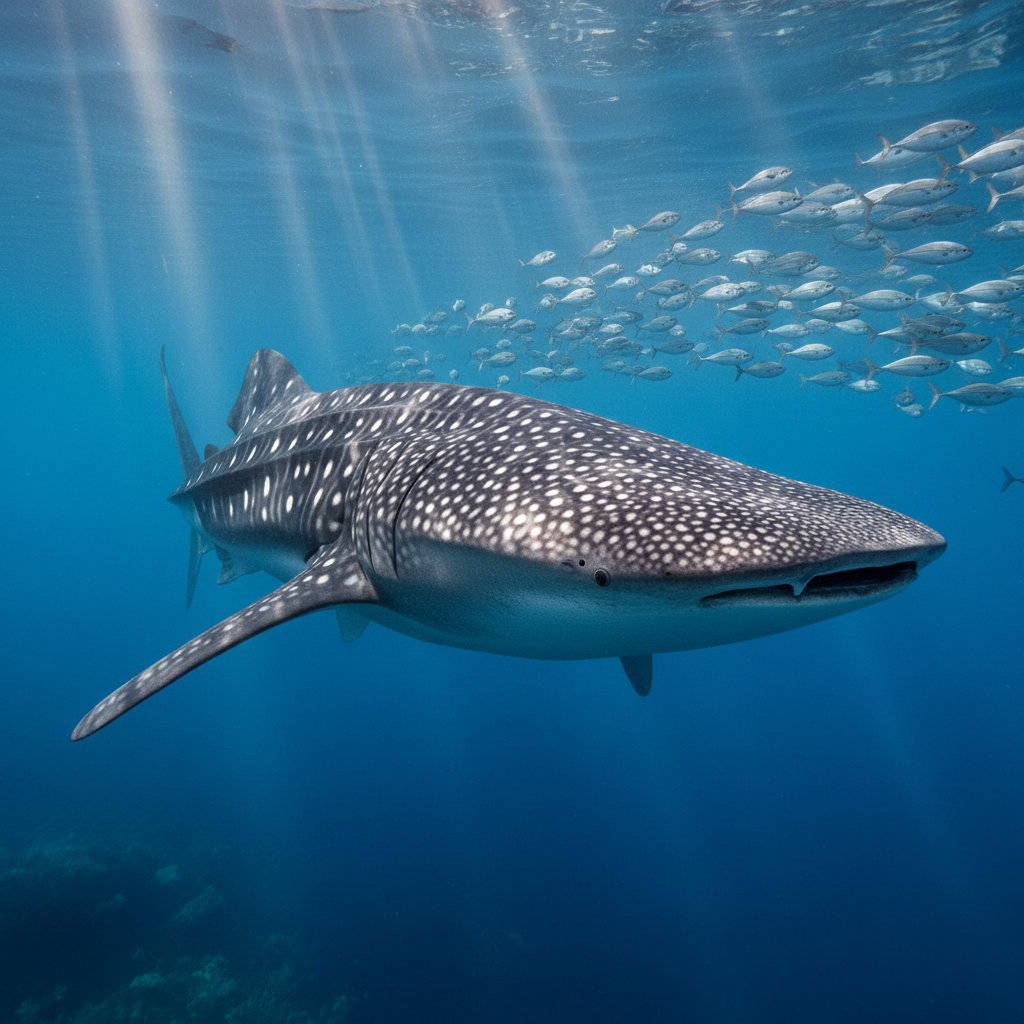
Imagine the sapphire expanse of the Andaman Sea, a warmth permeating the water that hints at tropical abundance, and then, a shadow passes overhead. Not just any shadow, but one that stretches for an imposing length, dotted with the cosmic dust of a star map. This isn't just a dive; it's an encounter, a profound moment that etches itself into your soul. You are in the realm of the magnificent, gentle giants, and you are about to understand why Thailand's "Whale Shark Season" is the ultimate big animal experience.
Why Whale Shark Season Belongs on Your Bucket List
There are dives, and then there are dives that redefine your perception of the ocean. Whale Shark Season in Thailand, specifically around the revered Similan Islands and the iconic Richelieu Rock, unequivocally falls into the latter category. What makes this experience so profoundly special? It's the sheer improbability and breathtaking scale of encountering the largest fish in the ocean in its natural migratory path. Unlike some highly managed encounters elsewhere in the world, these are truly wild animals, gracing the nutrient-rich waters with their presence as they follow the plankton blooms. It’s an authentic wildlife spectacle, a testament to the Andaman Sea's vibrant ecosystem.
This isn't merely about spotting a whale shark; it’s about the holistic experience. The journey itself takes you to some of the world's most pristine dive sites, where every descent offers a kaleidoscopic display of marine life, even without the star attraction. It's an adrenaline-fueled anticipation followed by a serene, almost spiritual connection with a creature that has roamed the oceans for millions of years. This adventure is perfectly suited for experienced divers seeking that pinnacle wildlife interaction, those who appreciate the untouched beauty of healthy coral reefs, and anyone whose dive log feels incomplete without a truly awe-inspiring, large-animal encounter.
What You'll See and Do
The magic unfolds in the nutrient-rich waters of the Andaman Sea, specifically around the Similan Islands National Park and further north at Richelieu Rock. While the whale shark is the ultimate prize, it’s far from the only draw. Dive sites like Christmas Point, Koh Bon, and Koh Tachai are renowned for their pelagic life, including schooling barracuda, trevally, and leopard sharks resting on the sandy bottom. You’ll weave through vibrant coral gardens, encounter reef sharks patrolling the edges, and marvel at the intricate lives of creatures like ghost pipefish, seahorses, and frogfish camouflaged amongst the rubble and anemones. The diversity is staggering, from the smallest nudibranch to the largest oceanic giants.
When a whale shark makes an appearance, it's an unforgettable moment. These majestic filter feeders can be seen cruising leisurely, often near the surface or at depths up to 30 metres, hoovering up plankton and small fish. Encounters range from fleeting glimpses to extended periods of swimming alongside these gentle giants. Their characteristic spotted patterns, unique to each individual, are a sight to behold. Keep an eye out for other large pelagics too; manta rays are frequent visitors to Koh Bon and Koh Tachai, and even hammerheads have been periodically spotted in deeper areas. The dive styles range from gentle drifts along beautiful walls to exhilarating current dives at pinnacles like Richelieu Rock, offering varied and dynamic experiences.
Best Time to Go
The prime window for Whale Shark Season in Thailand is during the northeast monsoon, which typically runs from February to April. This period offers the most favourable conditions and the highest probability of encountering these magnificent creatures. While sightings can occur outside this window, these months represent the peak of their migratory presence in the region.
During this season, water temperatures are consistently warm, averaging between 28-30°C (82-86°F), making for incredibly comfortable diving. Visibility is generally excellent, often exceeding 25-30 metres, allowing for clear, expansive views of the underwater world and, crucially, allowing you to spot those distant shadows before they morph into giants. While some dive sites, particularly pinnacles like Richelieu Rock, can experience moderate to strong currents, these are often what attract the nutrient-rich waters and, consequently, the plankton and the filter feeders that follow. Surface conditions are typically calm and sunny, making for pleasant liveaboard travel between sites.
How to Dive Whale Shark Season
For the ultimate Whale Shark Season experience, a liveaboard is unequivocally the superior choice. Operating from Phuket or Khao Lak, these vessels provide unparalleled access to the remote Similan Islands National Park and the more distant Richelieu Rock. Day trips, while available for closer sites, cannot reach the premium, whale shark-frequented locations with sufficient dive time. A liveaboard allows you to maximise your time in the water, often offering 3-4 dives per day, increasing your chances of that coveted encounter, and positioning you at the best sites during optimal times, away from day-boat crowds.
Certification-wise, an Advanced Open Water Diver certification or equivalent is generally required due to the depths and potential currents encountered in some areas. We recommend divers have at least 50 logged dives to comfortably navigate the varied conditions and fully appreciate the experience. For those looking to maximise their bottom time and reduce nitrogen loading, a Nitrox certification is highly beneficial and strongly recommended. Additionally, a Drift Diver specialty course can be very useful for optimising dives at current-swept sites. For thermal comfort in the warm water, a 3mm shorty wetsuit or even a dive skin is usually sufficient protection. Don't forget your surface marker buoy (SMB) — a crucial safety device, especially when dealing with potential currents and busy dive sites.
Conservation and Responsible Diving
Encountering a whale shark is a privilege, and respecting these gentle giants is paramount. As responsible divers, we have a collective duty to protect these endangered animals and their habitat. This means adhering strictly to guidelines: maintain a respectful distance (typically 3-4 metres from their head and 4-5 metres from their tail), avoid blocking their path, and absolutely never touch, ride, or harass them. Remember, these are wild creatures, and we are guests in their environment. Practice good buoyancy control to avoid damaging corals, and always be mindful of your fins. Photography is encouraged, but ethical considerations apply; avoid flash photography directly at marine life and prioritize the animal's well-being over the perfect shot. By diving responsibly, we contribute to their conservation and ensure future generations can also experience the wonder of Whale Shark Season.
Plan Your Trip
The opportunity to immerse yourself in Thailand's Whale Shark Season is a rare privilege, a journey into the heart of the Andaman Sea's most spectacular natural phenomenon. If the thought of gliding alongside the ocean's largest fish fills you with anticipation, now is the time to turn that dream into a reality. Explore our curated selection of premium liveaboards departing for the Similan Islands and Richelieu Rock, and let Blue Rides guide you to this unforgettable bucket-list adventure.