
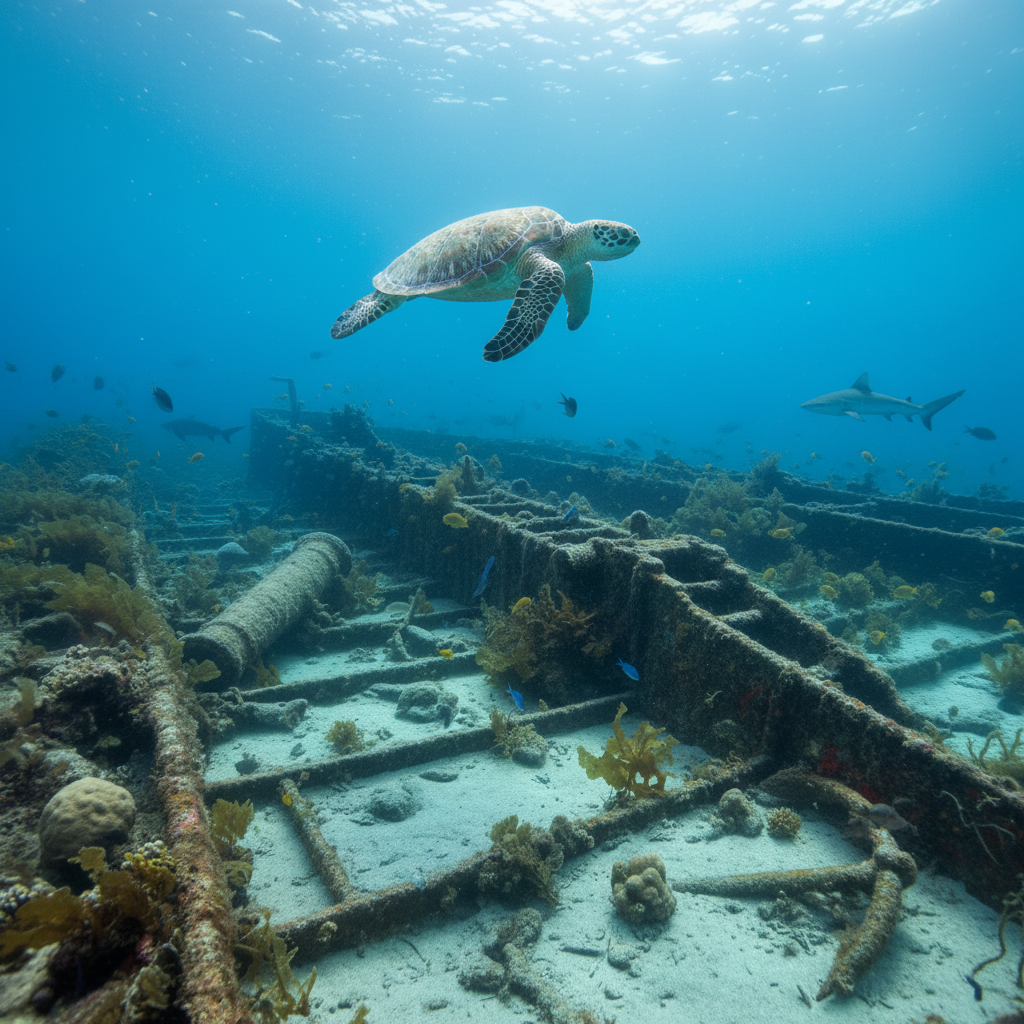
You’ve seen the images, scrolled through the travel blogs, and probably even dreamt about it. But when it comes to truly unforgettable underwater encounters, there are some dives that transcend the mere act of exploration and become indelible memories, marking a milestone in your diving journey. The HMS Proselyte Wreck in St. Maarten is precisely one such experience – a captivating blend of history, vibrant marine life, and accessible wonder that beckons to the adventurous spirit.
Why HMS Proselyte Wreck Belongs on Your Bucket List
Imagine descending into the azure embrace of Caribbean waters, not just to admire a reef, but to explore a tangible piece of history. The HMS Proselyte, a majestic British frigate that met its watery fate in 1801, offers more than just a glimpse into the past; it presents a living, breathing testament to nature's relentless reclaiming power. This isn't just a dive site; it's an evolving artificial reef, a colossal underwater sculpture that continues to adapt and flourish, attracting an astonishing array of marine inhabitants. For seasoned wreck divers, the historical significance and impressive scale provide a rich tapestry for exploration, while newer divers will be thrilled by the sheer biodiversity and the relatively shallow depths that make the experience accessible without compromising on impact. It’s a dive that rewards both the historically curious and the avid nature enthusiast.
What sets the Proselyte apart from many other wreck dives globally is its seamless integration into the natural ecosystem. While man-made, it has become an integral part of St. Maarten’s underwater landscape, fostering life in a way that few shipwrecks manage so successfully. You’re not just swimming through decaying metal; you’re navigating corridors adorned with colourful sponges, fans, and corals, where every nook and cranny might conceal a creature great or small. This symbiotic relationship between a sunken marvel and its adopted marine family creates a "WOW" factor that few sites can match. It’s an experience that appeals to those who crave a narrative with their dive, a story etched in iron and brought to life by the relentless pulse of the ocean.
This particular wreck suits a broad spectrum of divers, from those with a handful of logged dives looking for a major step up, to experienced old salts seeking a detailed exploration of a historical monument. Its well-preserved structure and relatively sheltered location make for a comfortable and rewarding dive. It’s perfect for underwater photographers eager to capture both wide-angle shots of the impressive hull and macro details of the creatures that call it home. The Proselyte is not merely a wreck; it’s an underwater laboratory, a museum, and a thriving ecosystem all rolled into one, promising an experience that will long outlast the air in your tank.
What You'll See and Do
The moment you descend upon the HMS Proselyte, you are greeted by an immediate sense of scale. The frigate lies broken but largely intact, spread across the sandy seabed at depths ranging from approximately 15 metres (50 feet) to 25 metres (82 feet). You'll find yourself navigating around rusted cannons, encrusted anchors, and the remains of the ship’s structure, which now serve as apartment complexes for an astonishing variety of marine life. The sheer density of schooling fish is often the first thing to grab your attention – bustling shoals of grunts, snapper, and jacks patrol the wreck’s perimeter, creating a shimmering, silver curtain through which to explore.
As you get closer, the details emerge. The Proselyte is famously adorned with vibrant coral growth and a plethora of sponges, showcasing a kaleidoscope of colours. Keep an eye out for brain coral, brilliant sea fans, and delicate seaflowers, all thriving on the ship's framework. This thriving ecosystem supports a rich diversity of species: colossal green moray eels peer from within the wreck's crevices, their robust bodies often startling in their size. Nurse sharks are common residents, frequently found resting peacefully under sections of the hull, offering superb photographic opportunities. You’ll also spot barracuda, gliding silently with their characteristic menacing stare, and perhaps even a gentle reef shark making a casual pass.
Beyond the larger inhabitants, the Proselyte is a macro diver’s paradise. Intricately camouflaged frogfish often cling to the sponge-covered wreckage, providing an exciting challenge for keen-eyed spotters. Arrow crabs, banded coral shrimp, and a variety of nudibranchs add delicate splashes of colour and intricate detail to the scene. The relatively shallow depth allows for extended bottom times, providing ample opportunity to observe these creatures and their natural behaviours. Drifting gently along the wreck, you'll feel like you've stepped back in time and into a vibrant, living diorama.
Best Time to Go
One of the many benefits of diving the HMS Proselyte Wreck in St. Maarten is its year-round accessibility and consistently favourable conditions. The island enjoys a tropical climate, meaning you can plan your dive adventure almost any time you wish. The peak tourist season generally runs from December to May, which typically coincides with slightly calmer seas and lower humidity, although the diving conditions remain excellent throughout the shoulder and off-peak months as well. There is no truly "bad" time to experience this incredible wreck.
Water temperatures in St. Maarten are wonderfully consistent and warm throughout the year, typically ranging from a comfortable 26°C (79°F) to 29°C (84°F). This means fewer layers and more comfortable diving. Visibility at the Proselyte is generally superb, often extending beyond 20 metres (65 feet) and frequently reaching up to 30 metres (100 feet) on exceptional days, allowing for breathtaking views of the entire wreck from a distance. While there can be occasional mild currents, particularly around exposed sections, the Proselyte lies in a relatively sheltered part of Great Bay, making any current generally manageable and enhancing the drift through certain parts of the wreck for an effortless exploration. With minimal impact from hurricane season further south and a reliable climate, St. Maarten offers a dependable dive experience.
How to Dive HMS Proselyte Wreck
Accessing the HMS Proselyte Wreck is straightforward, primarily via day-boat operations departing from various points around St. Maarten. While the dream of a liveaboard might be on your mind, the diving infrastructure in St. Maarten is very much geared towards daily excursions, ensuring efficient and comfortable transfers to and from prime dive sites like the Proselyte. Several reputable dive centres on the island regularly visit the wreck, catering to different group sizes and experience levels. You'll typically find that packages include tanks, weights, and guides, with rental equipment readily available.
To dive the Proselyte, you should ideally possess at least an Open Water Diver certification. However, due to the wreck’s depth and the desire for extended exploration, we highly recommend having your Advanced Open Water certification. This will not only allow you to fully experience the deeper sections of the wreck but also equip you with better buoyancy control, which is paramount when diving around delicate historical sites and marine life. We also strongly advise completing a Nitrox diver course; the increased bottom time afforded by enriched air allows for a more comprehensive and relaxed exploration of this expansive site. Furthermore, given the wreck’s size and potential for mild currents, a Drift Diver specialty or experience with drift diving can be beneficial. In terms of gear, a 3mm shorty or full wetsuit is typically sufficient for thermal protection given the warm water, and remember your dive computer and a reliable dive light to illuminate the wreck’s darker crevices and reveal true colours.
Conservation and Responsible Diving
The HMS Proselyte Wreck is not just a dive site; it's a protected historical landmark and a thriving marine ecosystem. As divers, we bear a responsibility to ensure its preservation for future generations. When exploring the wreck, paramount care must be taken to maintain perfect buoyancy. Avoid touching any part of the ship's structure or the marine life that inhabits it. Even seemingly minor contact can damage delicate coral polyps or disturb resting animals. Practice excellent fin control to prevent silting up the wreck, which can obscure visibility and harm sedentary organisms. Photographers should be particularly mindful, ensuring their equipment does not make contact and that their pursuit of the perfect shot does not compromise the well-being of the site or its inhabitants. Remember the golden rule of ‘take only photos, leave only bubbles’ to help protect this irreplaceable underwater treasure.
Plan Your Trip
Ready to add the magnificent HMS Proselyte Wreck to your personal logbook? This extraordinary dive offers a unique blend of history, vibrant marine ecology, and accessibility, making it an essential experience for any diver. Dive into the past and explore a bustling underwater world that continues to thrive on the remains of a proud frigate. Browse Blue Rides’ curated selection of liveaboards and dive packages to St. Maarten and begin planning your unforgettable journey today.