
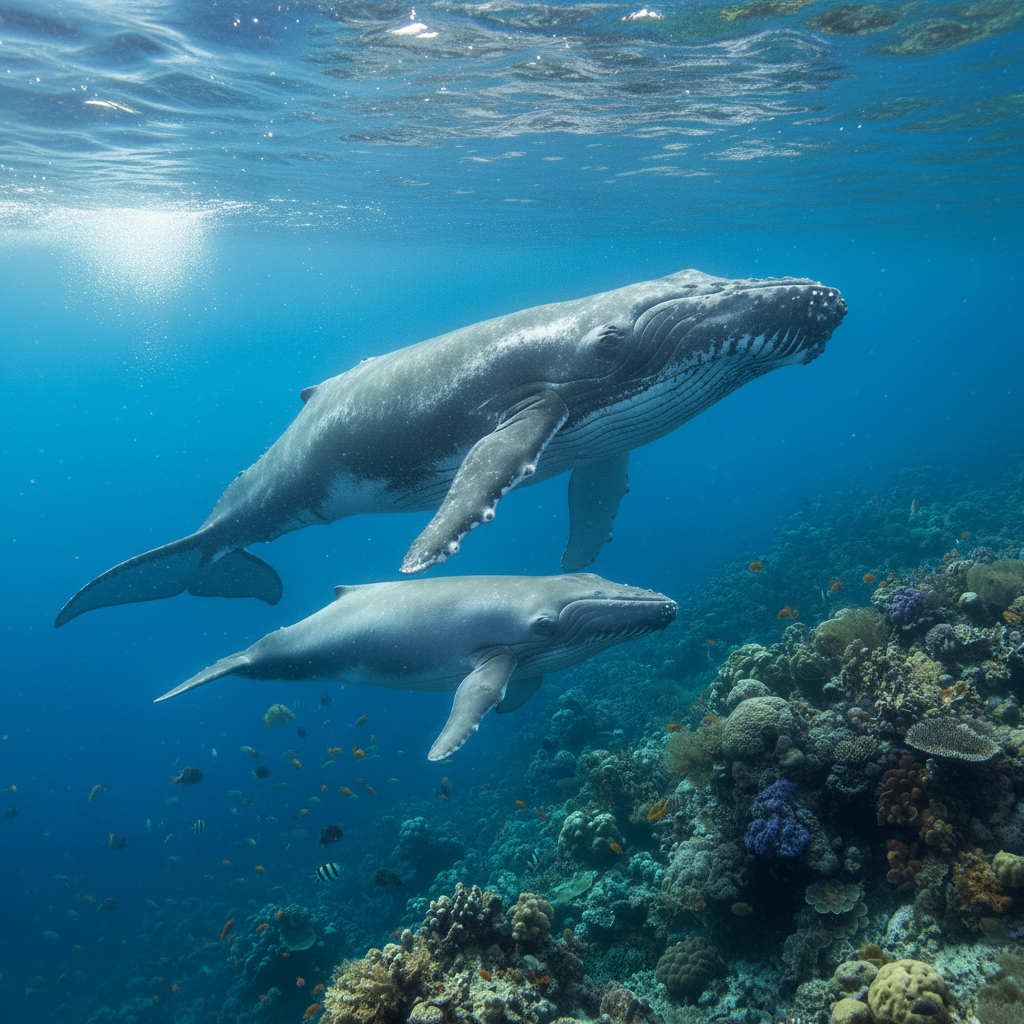
Imagine the serene aqua light of the South Pacific, a gentle sway beneath you, and then, a colossal shadow gliding silently into view. It is a moment that transcends mere observation, pulling you into a primal connection with one of the ocean's most magnificent creatures. These are not encounters from the deck of a boat; these are face-to-face, heart-to-heart experiences in the water, a rare privilege offered in the warm, welcoming embrace of French Polynesia.
Why Humpback Whale Encounters Belongs on Your Bucket List
There are dives that enthrall, and then there are experiences that fundamentally alter your perspective. Swimming alongside humpback whales in French Polynesia firmly belongs in the latter category. What sets this experience apart globally is the astonishing clarity of the water around islands like Moorea and Tahiti, providing unparalleled visibility for these intimate interactions. Unlike many other whale-watching destinations, the legal framework in French Polynesia allows for in-water encounters with these gentle giants, under strict guidelines designed to protect them. This isn't just about witnessing; it's about sharing their space, observing their natural behaviours from their own element.
The sheer scale of a humpback whale, even a juvenile, is awe-inspiring. To be in the presence of an animal that weighs tens of tonnes, yet moves with such elegant grace, is a profound privilege. The gentle curiosity these whales sometimes exhibit, particularly the calves, creates moments of undeniable magic. This experience is perfectly suited for anyone with a deep love for marine life, a desire for truly unique wildlife interactions, and a spirit of adventure that extends beyond typical reef dives. It appeals to photographers seeking that iconic shot, to conservationists keen to understand these creatures firsthand, and to anyone simply yearning for an encounter with the wild that resonates on a deeply emotional level.
What You'll See and Do
The primary focus of these encounters is, of course, the humpback whales. You might observe them resting, mothers nursing their calves, or even witness competitive groups of males vying for a female's attention. Calves are often particularly curious, sometimes swimming closer to investigate, their movements mirroring the watchful patience of their mothers. While in-water encounters are non-intrusive and conducted with utmost respect, you'll feel the incredible power and grace of these animals as they fin-slap, breach, or trumpet beneath the surface. Vocalisations, if the whales are singing, can resonate through your entire body, an unforgettable auditory experience.
Beyond the whales, the crystal-clear waters of Moorea offer a vibrant backdrop of other marine life. Keep an eye out for various reef sharks, rays, and a dazzling array of tropical fish that inhabit the lagoons and outer reefs. The encounters with humpbacks typically occur in relatively shallow, protected waters, often around the 10-20 metre mark, but whale groups can also be found in deeper, open-ocean environments. These are primarily freediving or snorkelling encounters, as bubbles from scuba gear can disturb the whales. Most interactions involve floating peacefully on the surface, observing the whales as they go about their natural routine. The emphasis is on passive observation and minimizing any impact on their behaviour.
Best Time to Go
The best season for Humpback Whale Encounters in French Polynesia runs from August through November. This is when the humpback whales migrate from their Antarctic feeding grounds to the warm, protected waters around islands like Moorea and Tahiti for breeding and calving. During this period, the chances of encountering whales are at their highest, offering the optimal window for these remarkable interactions.
Water temperatures during these months are wonderfully warm, typically ranging from 26°C to 28°C (79°F to 82°F), making for very comfortable in-water experiences. Visibility is generally exceptional, often exceeding 30 metres, sometimes reaching up to 40 metres, providing crystal-clear views of the whales. Currents are typically mild within the lagoons and sheltered bays where many encounters take place, though offshore areas can experience more noticeable currents. The weather is generally sunny and pleasant, with lower risk of tropical storms compared to the wet season. However, as with any natural environment, conditions can vary, so flexibility is always a good approach.
How to Dive Humpback Whale Encounters
While the actual in-water interactions with humpback whales are primarily snorkelling or freediving, you'll likely be accessing the whale grounds via day-boats from Moorea or Tahiti. There is no specific liveaboard itinerary dedicated solely to whale encounters in French Polynesia; rather, premium liveaboards sailing these waters often incorporate dedicated excursions or offer opportunities for in-water whale interactions as part of their broader itinerary, where permitted and feasible. Day-boat operations are plentiful and well-regulated, ensuring safe and respectful encounters. For the truly immersive underwater experience on the reefs, liveaboards offer unparalleled access to more remote dive sites before or after your whale focus.
For the whale encounters themselves, a strong swimming ability and comfort in the open ocean are essential. While no specific dive certification is required for snorkelling with whales, you will need to be able to fin quietly and observe from a respectful distance. For any accompanying scuba diving on the reefs, an Open Water Diver certification is the minimum, but we highly recommend an Advanced Open Water certification for accessing deeper sites and experiencing a wider range of the region's incredible topography. Logged dives of 50+ are beneficial for comfort and buoyancy control. Courses such as a PADI Freediver course will significantly enhance your experience with the whales, allowing for deeper and longer breath-holds, while a Drift Diver specialty is excellent for navigating the channel currents. A 3mm full wetsuit is ample for warmth and sun protection, though some may opt for a rash vest or shorty in the warm waters. Ensure your mask fits well, and consider a long pair of freediving fins for efficient, quiet movement in the water.
Conservation and Responsible Diving
The privilege of encountering humpback whales comes with a significant responsibility. French Polynesia has stringent regulations in place to protect these magnificent creatures. Adherence to these guidelines is paramount. Always maintain a respectful distance, never touch or chase the whales, and move slowly and quietly in the water. Listen to your guide's instructions implicitly, as they are trained to ensure the safety of both humans and whales. The use of flash photography should be avoided underwater, and ethical considerations for drone photography must always be taken into account. Our presence in their natural habitat should be as unobtrusive as possible, ensuring these encounters remain sustainable for future generations and cause no undue stress to the whales.
Plan Your Trip
A Humpback Whale Encounter in French Polynesia is more than just a trip; it's a profound journey into the heart of marine wilderness. If you're ready to answer the call of the ocean and experience one of nature's greatest spectacles, delve into our curated selection of premium liveaboards destined for the unparalleled beauty of French Polynesia. Your adventure awaits.