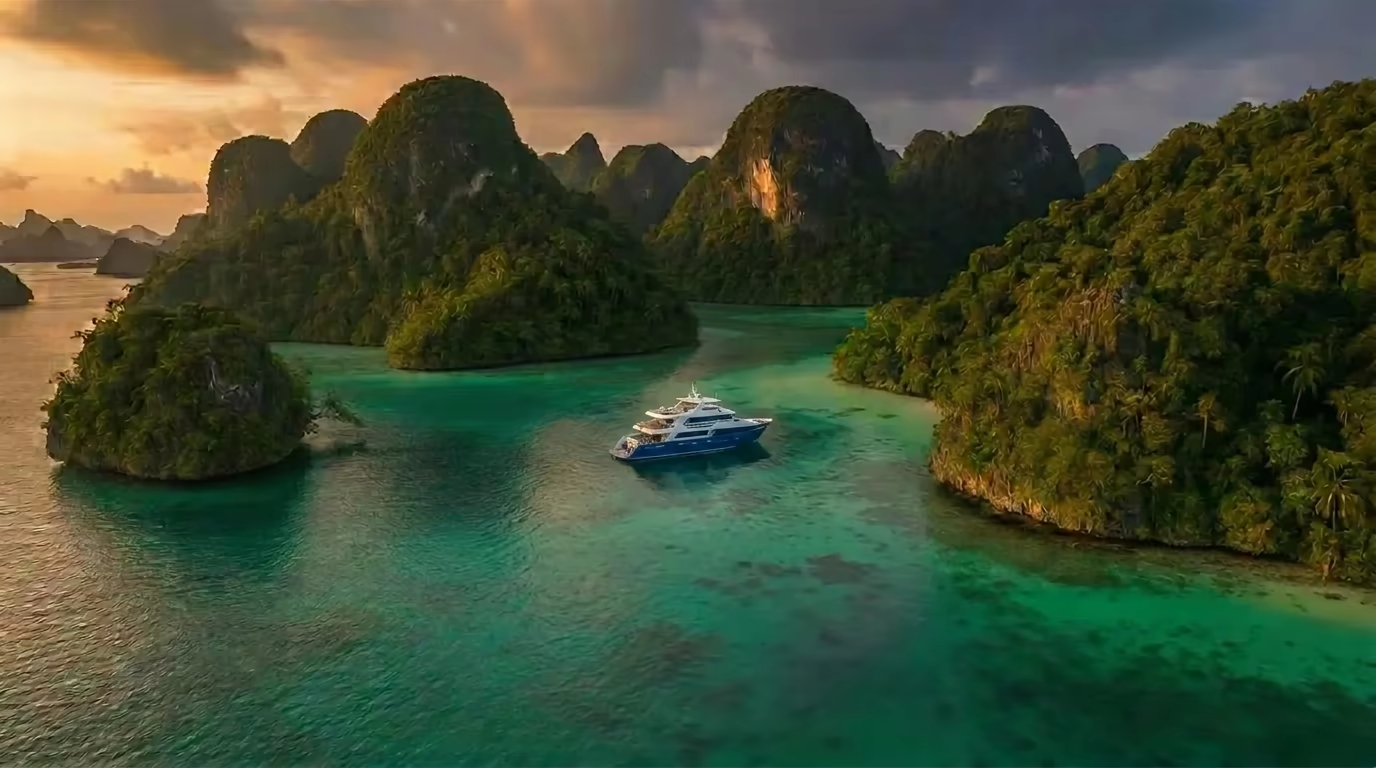
Imagine descending into waters so clear they feel like air, only to find yourself face-to-face with history. This isn't just another dive; it's a journey back in time, an exploration of sunken relics that hold stories both poignant and profound. Prepare to have your perceptions of underwater exploration irrevocably altered.
Why WWII Wreck Diving Belongs on Your Bucket List
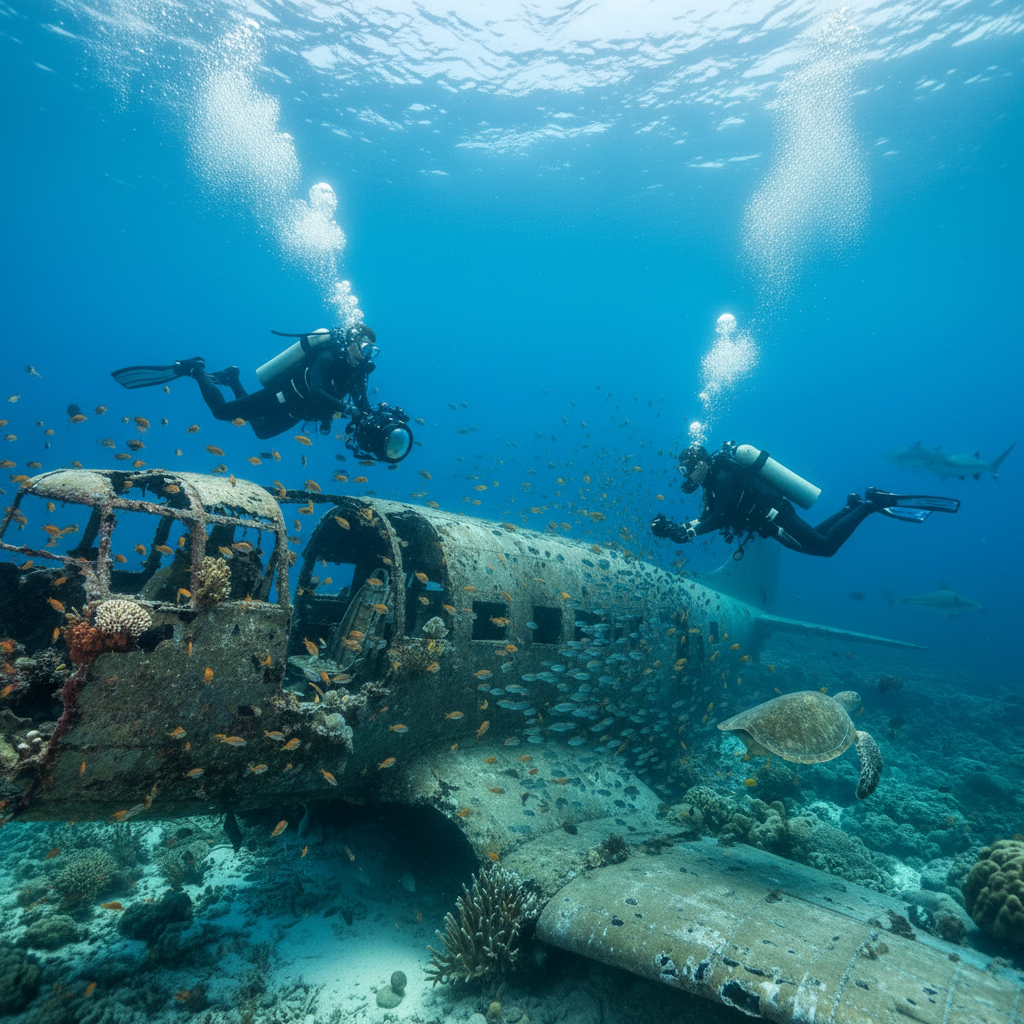
There are dive experiences, and then there are truly transformative encounters. WWII Wreck Diving in Papua New Guinea’s Rabaul region firmly falls into the latter category. What makes this experience so globally unique and utterly compelling is the sheer density and astonishing preservation of its underwater war graves. Unlike anywhere else on the planet, Rabaul’s seabed is a veritable museum of intact aircraft, cargo ships, destroyers, and even submarines, each lying eerily silent, draped in vibrant soft corals and teeming with tropical marine life. This isn't abstract history; it's tangible, three-dimensional, and within arm's reach. You’re not just looking at a wreck; you’re exploring a living memorial, a testament to human conflict reclaimed by nature’s relentless beauty.
The "wow" factor here comes from the paradox: the destructive force of war juxtaposed with the breathtaking rebirth of life. Engines, cockpits, and cargo holds remain remarkably intact, transforming into artificial reefs that house an incredible biodiversity. It’s an experience that appeals not just to history buffs and wreck fanatics, but to any diver who craves more than just beautiful fish. This is diving with a narrative, a chance to connect with events that shaped the modern world, all while surrounded by the unparalleled natural splendour of the Coral Triangle. It’s an adventure that engages the mind, the spirit, and the senses like few others.
This niche, yet universally appealing, dive suits those who appreciate historical significance, possess an adventurous spirit, and are comfortable with the challenges and rewards of deeper, more intricate dive profiles. It’s for divers who seek an emotional connection to their underwater exploration, who understand that beneath the waves, some of the most compelling stories are still waiting to be told.
What You'll See and Do
The dive sites around Rabaul are an unparalleled collection of WWII artefacts, each offering a unique exploration. You could find yourself penetrating the cargo holds of the Italmar, a large cargo ship, or exploring the intricacies of the Japanese destroyer, the Nisshin Maru. Perhaps you’ll descend upon the ghostly remains of a Japanese Zero fighter plane, its cockpit still discernible, or a Betty bomber, its wings providing shelter for schools of glassfish. These wrecks typically rest at depths ranging from 15 metres (50 feet) to well over 40 metres (130 feet), accommodating various levels of advanced diving experience. The sheer variety ensures that each dive offers a fresh perspective and new discoveries.
Marine life here is abundant and vibrant, a stunning contrast to the history below. As you fin past propeller blades and anti-aircraft guns, you'll encounter schools of fusiliers and trevally swooping over the decking. Brightly coloured soft corals like dendronephthya and gorgonian fans adorn every surface, attracting pygmy seahorses, nudibranchs, and a myriad of reef fish such as damselfish, angelfish, and butterflyfish. Keep an eye out for resident groupers and barracuda patrolling the larger structures, and if lucky, you might spot the elusive wobbegong shark nestled amongst the debris.
Diving these sites often involves careful penetration of the more intact wrecks, allowing you to explore engine rooms, bridge sections, and cargo holds, revealing crockery, bottles, and personal effects still scattered within. This requires excellent buoyancy control and awareness. Current conditions can vary, from gentle drifts that carry you along the length of a sunken aircraft to stronger flows that demand more advanced finning techniques. The feeling of swimming through a piece of history, watching moray eels peer from gun turrets and anemonefish dance on the hull of a submerged transport, is truly unforgettable.
Best Time to Go
Papua New Guinea, and particularly the Rabaul area, boasts a remarkably consistent tropical climate, making WWII Wreck Diving a fantastic year-round experience. Unlike many other regions with distinct dive seasons, Rabaul offers excellent conditions almost continuously. However, the period from May to November is often considered marginally better, boasting slightly calmer seas, though conditions remain favourable outside of this window too.
Water temperatures are consistently warm and inviting throughout the year, typically ranging between 27°C and 30°C (81°F to 86°F). This allows for comfortable diving with minimal thermal protection. Visibility is generally outstanding, often exceeding 20 metres (65 feet) and frequently extending to 30 metres (100 feet) or more on calmer days, providing crystal-clear views of the wrecks and the vibrant marine ecosystems they host. While currents can occasionally be present, they rarely become prohibitive, offering exciting drift dives along the longer wrecks. Localised weather patterns can bring brief, heavy tropical showers, but these rarely impact diving negatively, often clearing quickly to reveal sunshine.
How to Dive WWII Wreck Diving
Accessing the incredible WWII wrecks of Rabaul is predominantly undertaken via liveaboard. While day-boat operations exist for some sites closer to shore, the sheer number and often remote location of the most pristine wrecks necessitate a multi-day liveaboard experience. This offers unparalleled flexibility, allowing divers to visit multiple sites, including those further afield, and often includes night dives on some of the more accessible wrecks. Liveaboards also provide the convenience of diving, eating, and sleeping in close proximity to the sites, maximizing your underwater exploration time.
Given the nature of the sites – many of which are below 30 metres (100 feet) and offer opportunities for light penetration – a minimum PADI Advanced Open Water Diver or equivalent certification is highly recommended. Many operators will also require a deep diving specialty certification for specific, deeper wrecks. For genuine enjoyment and safety, it's advisable to have at least 50-100 logged dives, with some prior experience in wreck diving or intricate navigations. Essential recommended courses include Enriched Air Nitrox, which dramatically extends your bottom time on these deeper sites, and potentially a Wreck Diver Specialty course if you plan on significant penetration. A Sidemount Diver certification can also be advantageous for navigating tighter sections of wrecks.
Regarding gear, a 3mm shorty or full wetsuit is ample for the warm water, though some prefer a thicker suit for multiple daily dives. A dependable dive computer, a primary and secondary light (even for daytime wreck dives), and an audible surface signalling device are crucial. Given the potential for deeper dives, accurate depth gauges and a comprehensive dive plan are always paramount. Always ensure your gear is well-maintained and familiar to you before embarking on such an adventure.
Conservation and Responsible Diving
The WWII wrecks of Papua New Guinea are not just dive sites; they are war graves and invaluable historical artefacts. Approaching them with the utmost respect is paramount. This means maintaining excellent buoyancy control to avoid any contact with the wrecks, preventing accidental damage to the structures themselves, and safeguarding the delicate coral growth that now adorns them. Absolutely no souvenir taking is permitted; these wrecks are protected sites. Practice responsible photography, ensuring flash photography doesn’t disturb marine life and that you avoid creating silty conditions inside wrecks. By minimising your impact, you help preserve these unique underwater museums for future generations of divers and honour the history they represent. Always listen to your dive guide’s briefings and adhere to local guidelines.
Plan Your Trip
Ready to immerse yourself in history and witness the breathtaking fusion of sunken relics and vibrant marine life? Exploring the WWII wrecks of Rabaul, Papua New Guinea, is an unparalleled adventure. Browse our selection of premium liveaboards departing for this extraordinary experience and let Blue Rides help you plan your bucket list dive holiday.