
Forget the predictable luxury resorts and well-trodden paths. Imagine yourself not just observing, but truly connecting with one of the ocean's most magnificent creatures. Every winter, an extraordinary pilgrimage unfolds along the Pacific coast, culminating in an encounter so profound, so utterly unique, it redefines the very essence of a bucket list adventure: the grey whale migration to Baja California Sur.
Why Grey Whale Migration Belongs on Your Bucket List
This isn't merely a wildlife viewing trip; it's an immersive, sensory experience that transcends traditional tourism. For centuries, the grey whales (Eschrichtius robustus) have undertaken perhaps the longest mammalian migration on Earth, a monumental 10,000-kilometre journey from the food-rich waters of Alaska and the Arctic to the warm, sheltered nurseries of Baja California's lagoons. While several lagoons serve as calving grounds, San Ignacio Lagoon stands apart. Here, something truly magical happens — the whales, often referred to as "friendly whales," actively seek out human interaction. Instead of shying away, these colossal yet gentle giants, and even their newborn calves, approach small pangas (traditional Mexican fishing boats), allowing for an unparalleled opportunity to touch their barnacle-encrusted skin, look into their ancient eyes, and feel the spray from their blowholes.
What makes this experience globally unique is this unscripted, voluntary interaction. There’s no baiting, no forced encounters. The whales initiate the contact, often swimming alongside the boats for extended periods, rolling onto their backs for a belly rub, or presenting their calves for a gentle stroke. It’s an act of curiosity and trust that baffles scientists and moves every visitor to tears. This phenomenal connection with an apex marine animal, on its own terms, in its natural habitat, is an experience that resonates deeply, fostering a profound sense of wonder and respect for the natural world. It’s perfect for nature enthusiasts, photographers, ethical wildlife adventurers, and anyone seeking a genuinely transformative travel experience far removed from the ordinary.
What You'll See and Do
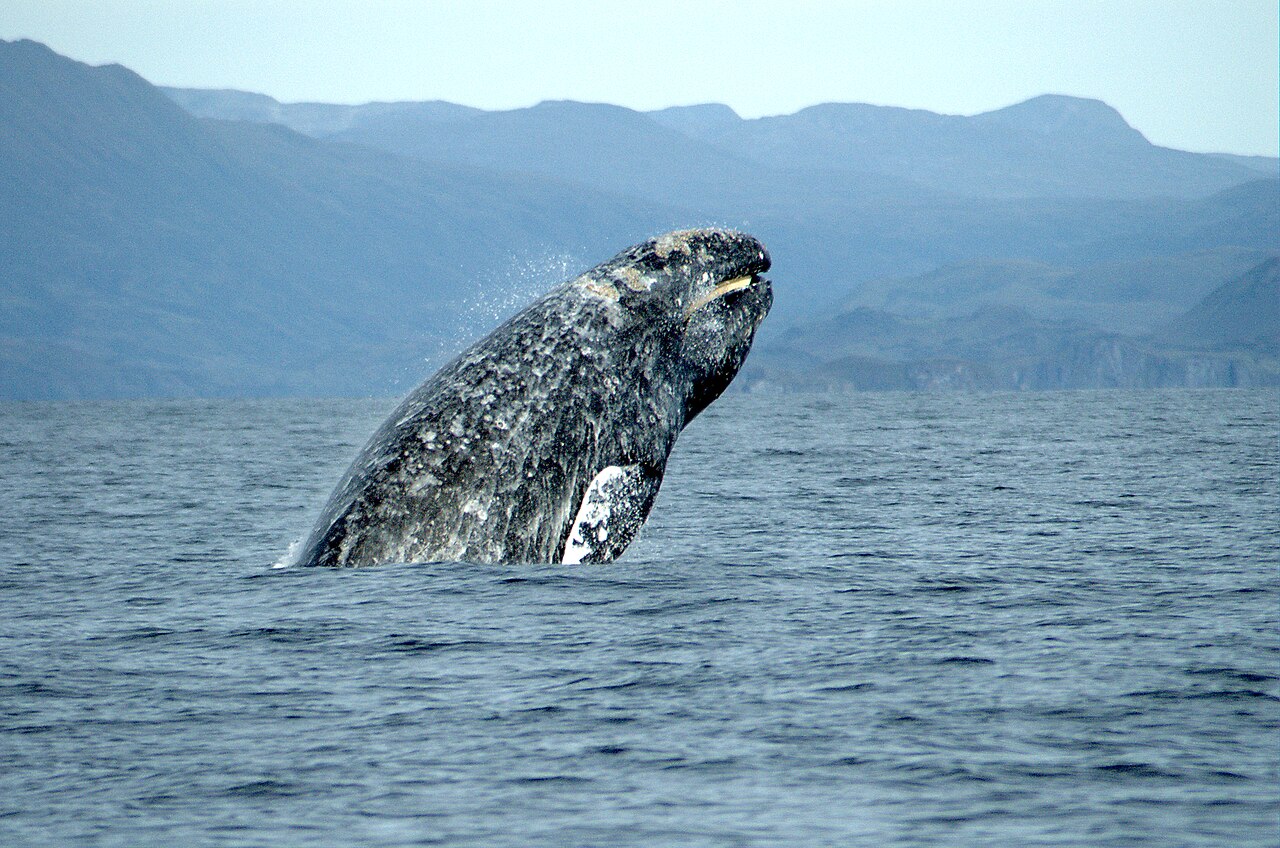
Your days in San Ignacio Lagoon will revolve entirely around the whales. Early mornings are often cool and crisp, but as the sun rises, the lagoon awakens with activity. You'll board small, government-regulated pangas, limited in number to protect the whales and provide intimate experiences. Once inside the lagoon, the search begins. Soon, you'll spot the tell-tale blows and dorsal ridges breaking the surface. The mothers bring their newborn calves, born just weeks prior, into the protected waters. These calves are incredibly curious, often being nudged by their mothers towards the boats. You'll witness breaching, spy-hopping where whales poke their heads out of the water to look around, and mothers teaching their young how to navigate their new world.
Beyond the grey whales, the lagoon is a rich ecosystem. You might spot various species of marine birds, including pelicans, cormorants, and herons. On the shorelines and sandbanks that fringe the lagoon system, harbour seals and California sea lions are commonly sighted, basking in the sun. Given the shallow, protected nature of the lagoon (typically 5-15 metres deep), actual scuba diving is not permitted as it would disturb the whales and compromise their safety and the integrity of this crucial nursery. Instead, the interaction is entirely surface-oriented, allowing for crystal-clear views in the calm, relatively shallow waters. The focus is always on respectful, non-intrusive observation and, when permitted by the whales, gentle interaction. Photography opportunities are endless, capturing everything from intimate portraits of whale eyes to powerful breaches against the Baja landscape.
Best Time to Go
The optimal season for witnessing the grey whale migration in San Ignacio Lagoon is typically from January to March. January marks the beginning of the calving season, with many mothers arriving with their new-borns. February and March are generally considered the peak months, offering the highest concentration of whales and the most frequent interactions, as the calves are a bit older and more playful. By late March, the whales begin their long journey north again. Water temperatures in the lagoon during this period generally range from a cool 18°C to 22°C (64°F to 72°F). Surface visibility is usually excellent, often reaching 10-20 metres or more due to the calm, shallow conditions and limited marine particulate. The lagoon is protected from the open Pacific, so strong currents are not an issue. Weather during the winter months in Baja California Sur is generally sunny and pleasant, with daytime air temperatures often in the low to mid-20s °C (70s °F), though evenings can be cooler.
How to Dive Grey Whale Migration
As mentioned, traditional scuba diving is not allowed within San Ignacio Lagoon due to the strict conservation protocols designed to protect the grey whale nursery. However, the experience is accessed purely as a surface interaction from small pangas. Access to San Ignacio Lagoon is primarily through dedicated land-based operations rather than liveaboards in the traditional diving sense. Liveaboards that operate in the wider Baja California Sur region (e.g., to Socorro or the Revillagigedo Islands) typically do not include San Ignacio Lagoon in their itineraries due to its remote, protected nature and the specific requirements for whale interactions. Instead, multi-day land-based expeditions usually involve stays in eco-camps or lodges directly on the lagoon's edge, facilitating daily panga excursions.
No dive certification is required for this experience, as all interactions occur from the boat. No wetsuit or specialist dive gear is needed, although a good quality windbreaker, layers for warmth, and sun protection (hat, sunglasses, high-SPF sunscreen) are essential. Binoculars are highly recommended for spotting blows in the distance. While no specific dive experience is needed, a reasonable level of mobility to get in and out of the pangas is helpful. For those considering further diving in Baja, Nitrox certification is often beneficial for liveaboard trips to offshore islands like Socorro, and an Advanced Open Water certification opens up more dive opportunities. While currents are not a factor in the lagoon, some offshore dive sites in other parts of Baja do experience drift, so Drift Diver specialty training could be useful for other diving adventures in the region if you plan to extend your stay beyond the grey whales.
Conservation and Responsible Diving
The grey whale migration to San Ignacio Lagoon is a testament to successful conservation efforts. Decades ago, these magnificent creatures were hunted to the brink of extinction. Today, thanks to strict protections and community involvement, their numbers have rebounded, and their breeding grounds are fiercely guarded. Visitors play a crucial role in this ongoing success. Always follow the guidelines set by your experienced local guides and the Mexican authorities. This includes maintaining a respectful distance if the whales do not approach, refraining from sudden movements, and never attempting to get into the water with them. The interactions are always initiated by the whales themselves. Photography is encouraged, but using flash is discouraged, and the focus should remain on observing and appreciating these gentle giants in their natural, undisturbed state. Your visit directly supports the local communities and provides economic incentive for continued conservation.
Plan Your Trip
Embarking on a journey to witness the grey whale migration in San Ignacio Lagoon is an experience that will stay with you long after you've returned home. It's a rare privilege to connect with nature's giants on such an intimate level, a profound reminder of the ocean's magic. Let Blue Rides help you plan this extraordinary wildlife encounter. Explore our carefully curated liveaboard and land-based expeditions to Baja California Sur and beyond, and prepare for the adventure of a lifetime.