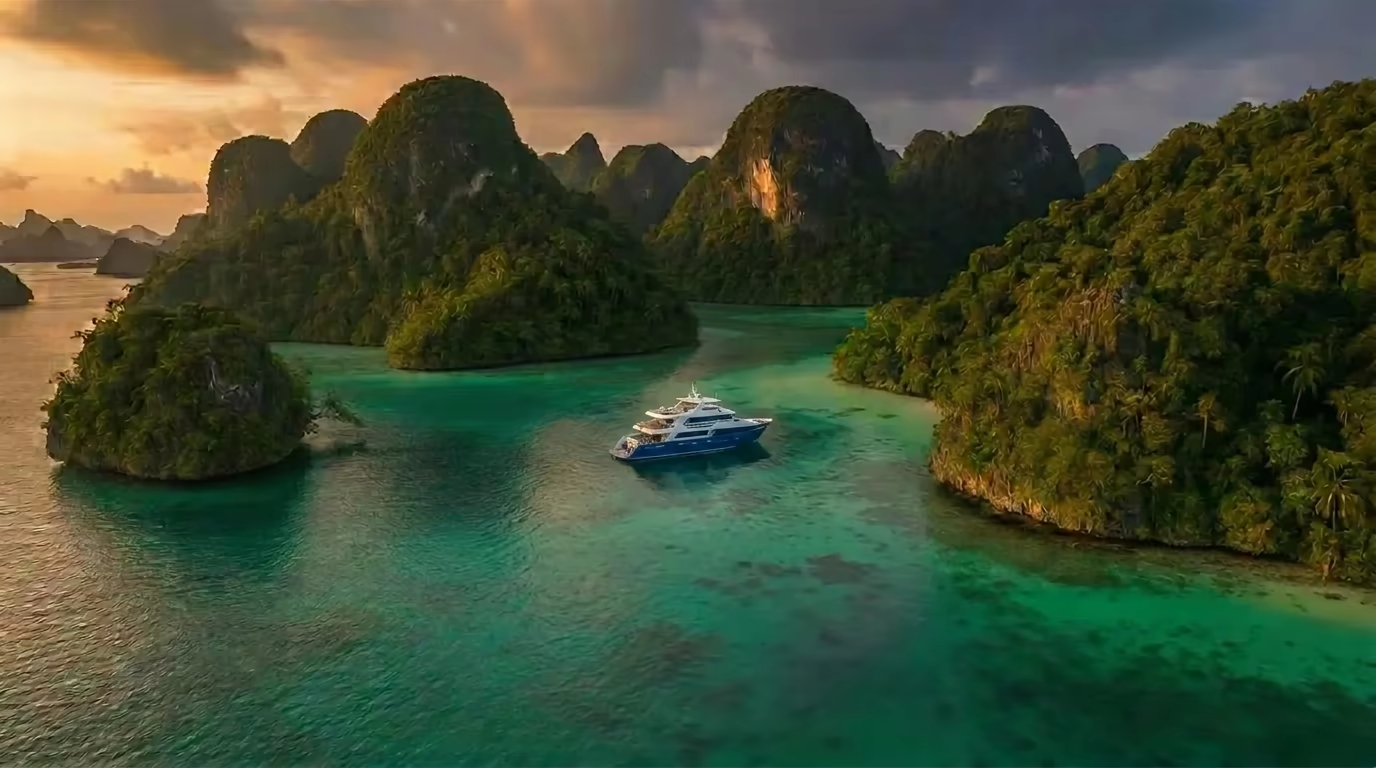
Imagine a journey where the vibrant hues of the Indian Ocean meet the emerald tapestry of ancient rainforests. A place where the wild calls to you not from the deep, but from the canopy. This isn't just another dive trip; it’s an expedition to the very soul of Madagascar, promising an encounter that transcends the ordinary liveaboard experience. You've chased whale sharks, drifted with manta rays, and peered into the eyes of formidable marine predators, but nothing quite prepares you for the untamed magic of Nosy Komba, where the legendary lemurs hold court.
Why Lemur Forest Visits Belongs on Your Bucket List
Madagascar is a world unto itself, a biological ark where evolution has charted a unique course for millions of years. And at the heart of its terrestrial marvels are the lemurs – primates found nowhere else on Earth. The "Lemur Forest Visits" experience is less about ticking off a species list and more about immersion into their delicate, thriving ecosystems. This isn't a zoo visit; it's a privilege to observe these incredible creatures in their natural habitat, often within arm's reach (though respectful distance is always paramount). What makes this a truly global standout is the sheer diversity and endemic nature. Over 100 species of lemurs exist, each with its own niche, social structure, and captivating behaviours, from the diurnal black lemurs of Nosy Komba with their strikingly intelligent gaze to the nocturnal Aye-aye with its bizarre, elongated finger. For those who seek a deeper connection with nature, an understanding of biodiversity beyond the reef, and a story to tell that few can rival, this experience is undeniably for you.
Beyond the simple act of observation, the "WOW" factor lies in the tangible connection you feel. The forests of Nosy Komba are alive with their chattering, their graceful leaps, and their curious expressions. It’s an intimate wildlife encounter, often guided by local experts who share not just names, but stories, ecological insights, and the deep cultural significance these animals hold. This isn't just for hard-core wildlife photographers; it’s for anyone with an open mind and a desire to witness the raw, unfiltered beauty of nature, making it a perfect complement to a comprehensive dive itinerary around Madagascar.
What You'll See and Do
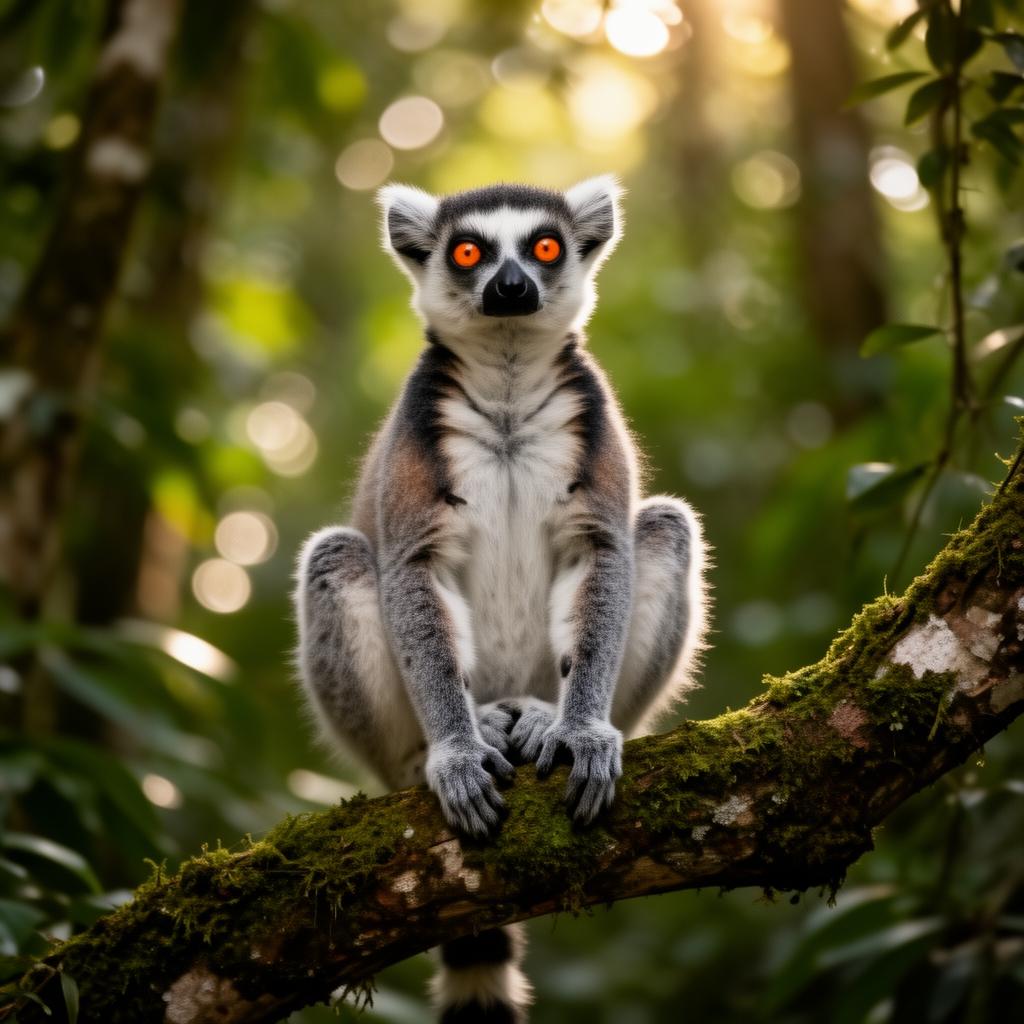
While the dive experience itself will primarily focus on Madagascar's incredible marine biodiversity – think vibrant coral reefs, pelagic encounters, and macro photography heaven – the "Lemur Forest Visits" component offers a profound terrestrial interlude. On Nosy Komba, also known as Lemur Island, your primary focus will be the black lemurs (Eulemur macaco). These diurnal primates are highly habituated to human presence, making for exceptionally close and rewarding encounters. You'll observe them feeding on fruits and leaves, grooming each other, and playfully leaping through the trees. Their bright orange eyes, especially noticeable on the males, create a striking contrast against their dark fur, adding to their captivating allure.
During your forest walk, typically led by a local guide, you’ll learn about their social structures, their diet, and the conservation challenges they face. You won’t be diving with the lemurs, of course, but the experience provides an invaluable perspective on Madagascar’s unique biodiversity, a perfect counterpoint to the underwater wonders. Other terrestrial wildlife you might encounter include chameleons, geckos, and various colourful bird species, all adding to the rich tapestry of the island’s ecosystem. The atmosphere is one of respectful observation, ensuring minimal impact on the animals' natural behaviours.
Best Time to Go
One of the many appealing aspects of exploring Madagascar, particularly Nosy Komba, is that the "Lemur Forest Visits" experience is fantastic year-round. There isn't a bad time to witness these captivating creatures. However, if you're combining it with a dive trip, certain periods offer optimal marine conditions. The dry season, from April to November, generally provides the most stable weather for both land excursions and diving. During this period, air temperatures typically range from 25–30°C (77–86°F).
Water temperatures around Nosy Komba and the wider Nosy Be archipelago hover between 26–30°C (79–86°F) year-round, meaning a 3mm or 5mm wetsuit is usually sufficient. Visibility is generally excellent, often exceeding 20 meters (65 feet), with periods of up to 30 meters (100 feet) possible, especially further offshore from June to October. While currents can vary depending on the dive site and lunar cycle, there are numerous sheltered reefs offering gentle conditions, alongside more exposed sites for advanced drift diving. The wet season, from December to March, can bring more rain, but it’s often in short, heavy bursts, and the forests are at their most lush and vibrant, making lemur viewing equally rewarding.
How to Dive Lemur Forest Visits
Accessing the "Lemur Forest Visits" experience is typically managed through day excursions from a liveaboard itinerary cruising the Nosy Be archipelago, or via land-based tours from accommodations on Nosy Komba itself or nearby Nosy Be. For divers, a liveaboard offers the ultimate convenience, seamlessly integrating terrestrial adventures with world-class diving around sites like Sakatia, Tanikely, and the "Greg WALL" named after the diving legend Greg Le Coeur. While the liveaboard takes care of logistics, providing direct access to Nosy Komba for the lemur encounters, it also positions you perfectly for a varied dive schedule.
Most dive operators will require Open Water Diver certification for the general diving around Madagascar. However, to truly maximise your experience and access a wider range of dive sites, including those with deeper coral gardens or more pronounced currents, we highly recommend holding an Advanced Open Water Diver certification. Having at least 30-50 logged dives is advisable to comfortably handle varying conditions and dive profiles. For increased bottom time and exploring the vibrant reef systems, a Nitrox certification is a significant advantage. Furthermore, as some of Madagascar’s signature dive sites can feature strong currents, a PADI Drift Diver specialty or equivalent experience will be beneficial. Regarding gear, a 3mm to 5mm full-length wetsuit is ideal given the warm water, offering protection from the sun and any minor scrapes. Standard dive gear is sufficient, though a dive computer is essential, and a surface marker buoy (SMB) is always good practice for drift dives.
Conservation and Responsible Diving
The "Lemur Forest Visits" experience is intrinsically linked to conservation. Madagascar's lemur populations face significant threats from habitat loss due to deforestation, the illegal pet trade, and bushmeat hunting. When visiting Nosy Komba, you play a direct role in sustainable tourism, providing economic incentives for local communities to protect their natural heritage. It is paramount to engage in respectful behaviour: never feed the lemurs, maintain a safe and non-intrusive distance, and always follow your guide’s instructions. Do not try to touch them, no matter how tempting – wild animals should remain wild. For photographers, avoid using flash directly on their eyes, especially the nocturnal species if encountered. On the marine side, the same principles apply: practice exemplary buoyancy, avoid touching corals or marine life, and never leave anything behind. Support local initiatives that are working to protect both the terrestrial and marine ecosystems, ensuring that these unique wonders can be enjoyed by future generations.
Plan Your Trip
Ready to combine exhilarating dives with an unforgettable close encounter with Madagascar’s iconic lemurs? Picture yourself exploring vibrant reefs in the morning and observing charismatic primates in the afternoon – a truly complete adventure. Allow Blue Rides to curate your dream itinerary, seamlessly blending the best of Madagascar’s underwater realm with the essential "Lemur Forest Visits." Browse our exquisite selection of liveaboards departing for Nosy Be and the surrounding archipelagos, each offering a gateway to this extraordinary destination.