Imagine the cool spray on your face, the vast expanse of the Indian Ocean surrounding you, and then, a monumental breach. A living leviathan, a humpback whale, launches its massive body skyward, defying gravity in a spectacular display of power and grace. This isn't a scene from a nature documentary; it's what awaits you, a diver with an insatiable appetite for the extraordinary, off the coast of Madagascar.
For those of us who live to explore the ocean's depths and its most magnificent inhabitants, the annual Humpback Whale Migration in Madagascar isn't just another dive trip; it's a pilgrimage. It's an opportunity to witness one of nature's grandest spectacles, a profound encounter that will imprint itself on your soul.
Why Humpback Whale Migration Belongs on Your Bucket List
The call of the humpback whale is ancient, pulling these magnificent creatures thousands of kilometres from their Antarctic feeding grounds to the warm, protected waters of the Mozambique Channel. Off Nosy Be, Madagascar, this migration culminates in a dazzling display of life. What sets this experience apart globally is the sheer concentration of whales and the intimate nature of the encounters. You're not just observing from a distance; you're often in their presence, feeling the immense power of their movements, hearing their haunting songs travel through the water.
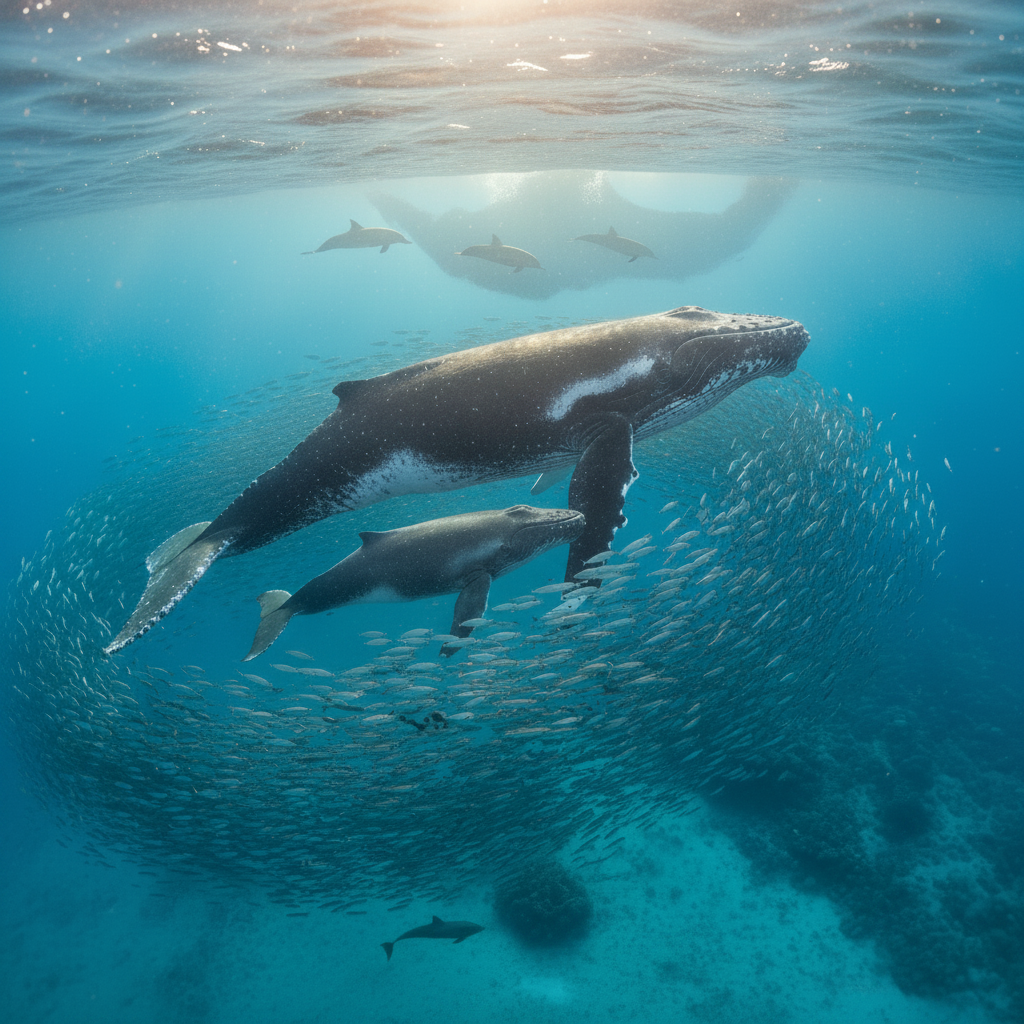
This isn't merely a wildlife viewing; it's an immersive, sensory journey. The sheer scale of these animals – up to 16 metres long and weighing 40 tonnes – is humbling. Seeing a mother whale tenderly guide her newborn calf, often just metres from your vantage point, is a privilege few get to experience. The energy is palpable, the breaches are explosive, and the flukes, rising majestically before a deep dive, are a sight of unparalleled beauty. This expedition is perfectly suited for divers who crave epic encounters, photographers seeking that once-in-a-lifetime shot, and anyone who understands that true luxury lies in connecting with the wild heart of our planet.
What You'll See and Do
During the humpback migration season, your days will be punctuated by thrilling encounters both above and below the surface. While the focus is undeniably on the humpback whales, the waters around Nosy Be are teeming with other marine life. Keep an eye out for spinner dolphins playfully escorting your vessel, and graceful manta rays gliding through the blue. You might also spot various shark species, including reef sharks, and the occasional whale shark, especially towards the latter part of the migration season as the waters teem with plankton. The healthy coral reefs, such as those around Nosy Sakatia or the Mitsio Archipelago, are vibrant ecosystems, home to an array of reef fish, turtles, and colourful nudibranchs, offering excellent diving opportunities in between whale excursions.
The primary activity, of course, revolves around responsibly observing the humpbacks. This involves boat-based viewing, where you'll witness breaches, tail slapping, spy-hopping, and the gentle movements of mothers and calves. While direct in-water encounters with whales are strictly regulated to ensure their protection and your safety, opportunities for 'soft in-water encounters' may arise. This involves carefully entering the water a safe distance from the whales, allowing them to approach if they choose. This is an incredibly humbling experience, offering unparalleled photographic and emotional opportunities. Diving in areas frequented by the whales often involves drifts along reef slopes, ranging from 10 to 30 metres, where visibility can extend to 20-30 metres on a good day. The dive styles are varied, from exploring the vibrant shallow reefs to deeper, current-swept walls where bigger pelagics are often spotted. Night dives can unveil a different cast of characters, from hunting moray eels to sleeping parrotfish.
Best Time to Go
The prime window for witnessing the humpback whale migration off Nosy Be, Madagascar, is unequivocally from July to September. This period aligns with their breeding and calving season in these warm, sheltered waters. The whales begin to arrive in numbers in July, with peak activity typically occurring in August and early September. By late September, they begin their long journey back to the colder feeding grounds of the Antarctic.
During these months, the weather is generally dry and pleasant, though occasional squalls can occur. Water temperatures average a comfortable 26-28°C (79-82°F), making for enjoyable diving. Visibility is usually excellent, often reaching 20-30 metres (65-100 feet), providing crystal-clear views both above and below the surface. Currents around the reefs can range from mild to moderate, particularly in deeper channels, which can be advantageous for drift diving. Conditions are generally calm enough for comfortable boat travel, though the open ocean can always present some chop.
How to Dive Humpback Whale Migration
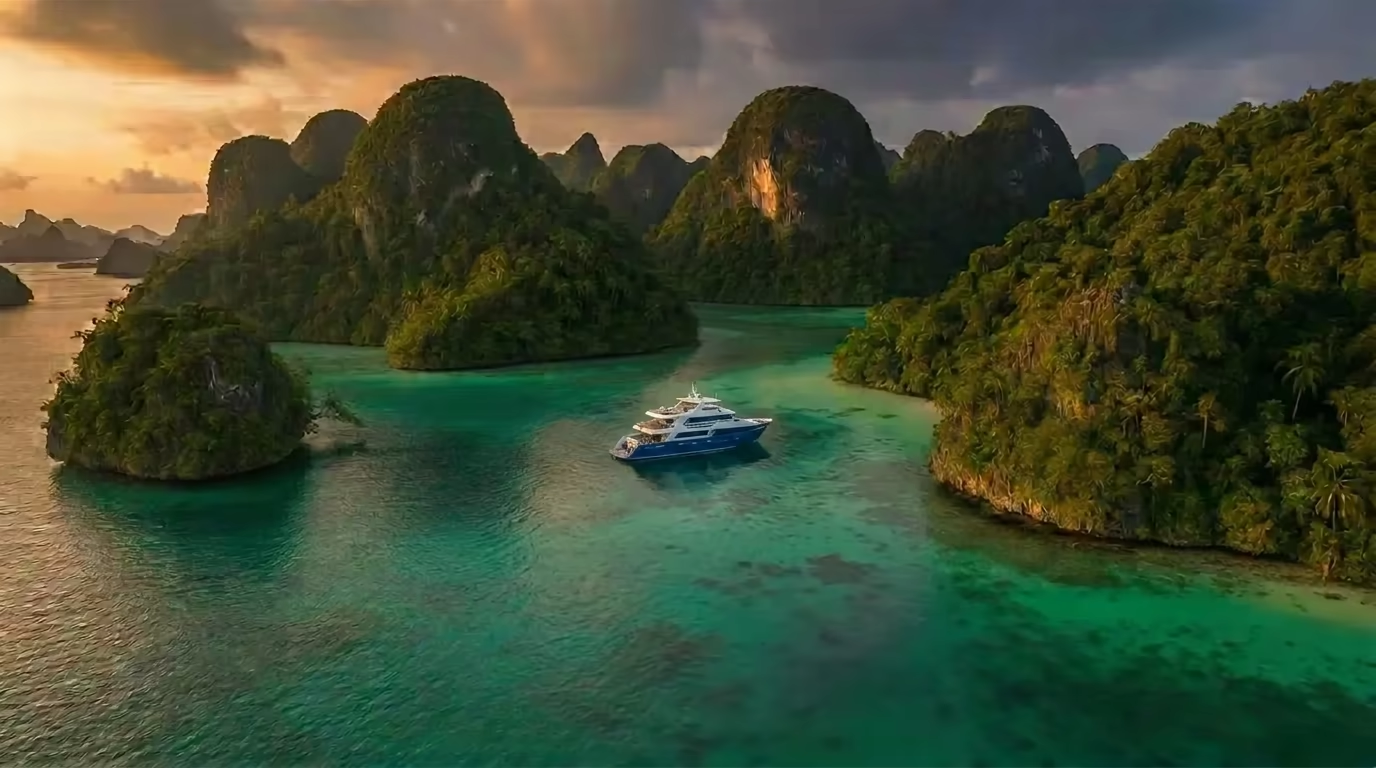
Embarking on a Humpback Whale Migration trip typically offers two main access points: liveaboards or day-boat operations from resorts on Nosy Be. For a truly immersive experience, especially when exploring further afield dive sites or maximising whale encounters, a liveaboard is often the superior choice. It allows for extended time on the water, reaching less-frequented areas, and often provides multiple daily opportunities for both diving and whale watching. Day-boat operations are excellent for shorter trips or if you prefer a land-based holiday with daily excursions.
While the actual whale encounters are often a surface or snorkeling activity, diving in Madagascar's reefs does require certification. An Open Water Diver certification is the minimum, but to fully enjoy the diverse dive sites, an Advanced Open Water Diver certification is highly recommended. This allows you to explore deeper reefs and partake in potential drift dives. We suggest logging at least 30-50 dives to be comfortable with varied conditions. Considering the extended time on the water and multiple dives per day, a Nitrox certification is a significant advantage for extending bottom time and reducing nitrogen loading. For some of the more dynamic sites, a Drift Diver specialty course would also be beneficial. For wetsuit thickness, a 3mm shorty or full suit is typically sufficient given the warm water, though a 5mm suit might be preferred by those who chill easily. Essential gear notes include bringing a surface marker buoy (SMB) and a whistle for safety, especially if drift diving. A good quality underwater camera with video capabilities is also a must for capturing these unforgettable moments.
Conservation and Responsible Diving
The privilege of witnessing humpback whales in their natural habitat comes with a profound responsibility. These magnificent creatures are protected, and adhering to strict guidelines is paramount for their well-being and the sustainability of this incredible experience. Always maintain a respectful distance from the whales; your boat captain and guides will ensure this. Never attempt to approach or touch the whales, nor should you separate a mother from her calf. Loud noises and sudden movements can cause stress. When in the water, move slowly and minimise disturbance. Photography is encouraged, but always with respect for the animals' space and behaviour, avoiding flash photography underwater. By choosing operators committed to ethical whale watching practices, you contribute directly to the conservation efforts that safeguard these vital migratory routes and breeding grounds. Your presence should be a silent observation, a testament to the beauty of the wild, and an act of unwavering respect.
Plan Your Trip
The Humpback Whale Migration in Madagascar is more than just a trip; it's an experience that will etch itself into your memory forever. To truly capture the magic of these gentle giants and the vibrant underwater world of Nosy Be, a carefully planned itinerary is essential. Let Blue Rides connect you with the premium liveaboard experiences that promise unparalleled access and responsible encounters during this phenomenal migration season.