
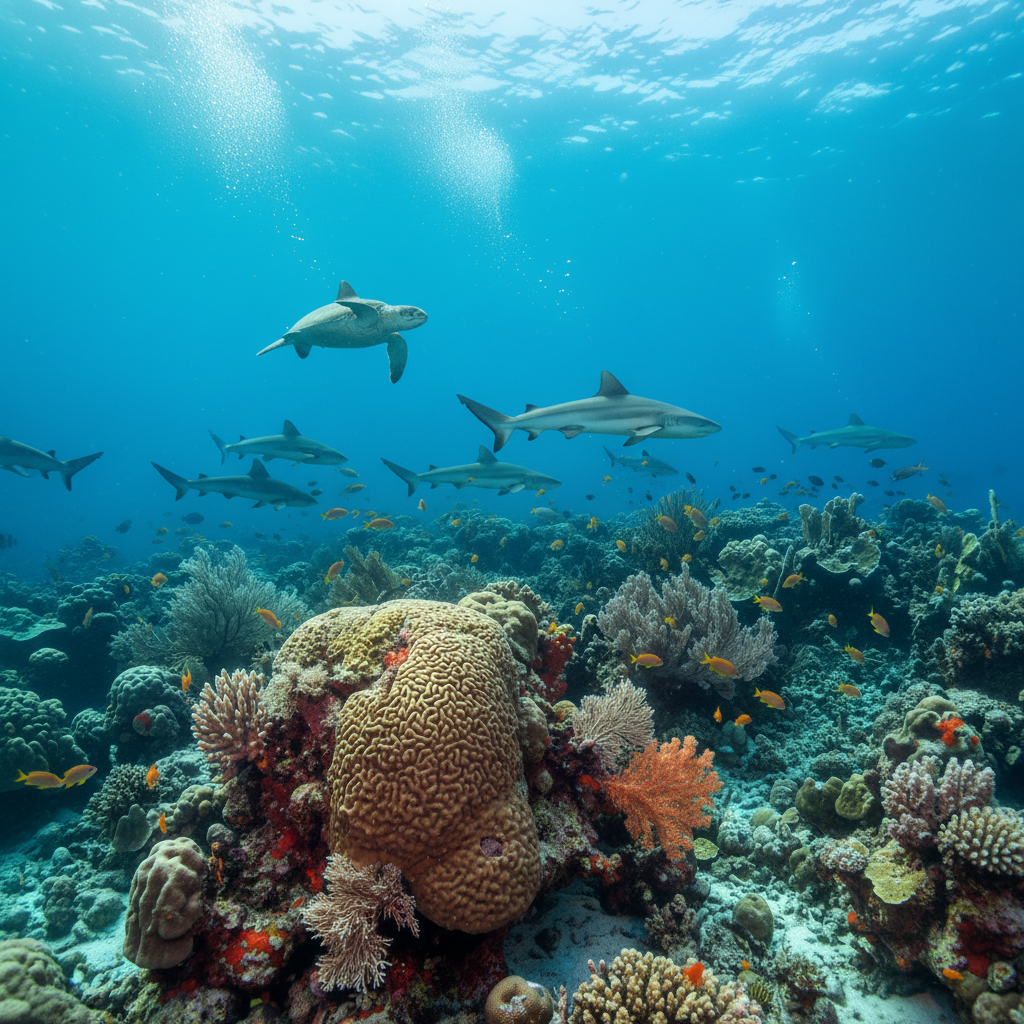
Ever fantasised about stepping back in time, to a pristine marine wilderness where humans are mere observers and nature truly reigns supreme? Imagine a place where sharks patrol seemingly without fear, where Goliath groupers loom from coral fortresses, and where the reef itself hums with an untamed vitality. Such a place isn't a figment of a diver's dream; it exists, hidden away in the Caribbean, beckoning to those who seek the extraordinary. Welcome to Cuba's Jardines de la Reina, the Gardens of the Queen, a dive destination so remarkable it redefines what you thought possible underwater.
Why Gardens of the Queen Belongs on Your Bucket List
The Gardens of the Queen isn't just another dive site; it's a living, breathing testament to successful conservation and a true unicorn in the world of marine ecosystems. Located off the southern coast of Cuba, this vast archipelago of cays and mangroves is one of the largest protected marine areas in the Caribbean, a status it has enjoyed since 1996. This strict protection has allowed the ecosystem to flourish, creating an unparalleled environment for large pelagics and an explosion of healthy coral. What makes it globally unique is the sheer density and fearlessness of its apex predators – particularly the sharks. You're not just hoping for a shark sighting here; you’re expecting, and receiving, multiple, intimate encounters.
Unlike many overfished or over-dived Caribbean destinations, the Gardens of the Queen offers a glimpse into how these reefs once thrived before widespread human impact. The coral formations are immense and vibrant, a stunning backdrop to the endless parade of marine life. This destination is perfectly suited for experienced divers who appreciate pristine environments, prioritise marine conservation, and are seeking genuinely thrilling interactions with large marine fauna. If your idea of a perfect dive involves coming face-to-face with multiple species of sharks, swimming alongside giant groupers, and exploring an intact ecosystem, then rest assured, you've found your next adventure.
What You'll See and Do
Prepare for an immersion into a vibrant seascape teeming with life. The undisputed stars of the show are the sharks. Caribbean reef sharks are ubiquitous companions on nearly every dive, often swimming inquisitively close. You’ll also frequently encounter silky sharks, especially in deeper, blue water areas or during safety stops, circling gracefully with their characteristic long, slender bodies. Nurse sharks are common bottom dwellers, often resting placidly beneath ledges, while the majestic great hammerhead sharks are a highly sought-after, albeit less frequent, sighting, typically observed gliding along deeper reefs or in the blue, particularly around the cooler months.
Beyond the sharks, the Gardens boast an astonishing population of Goliath groupers, some reaching colossal sizes, majestically patrolling the reefs or emerging from coral caves. Tarpon, with their silvery scales and prehistoric appearance, are also common, often forming shoals near mangrove roots or cruising over the reefs. The vibrant health of the coral ecosystem itself is a major draw: massive colonies of elkhorn, staghorn, brain, and star corals create intricate labyrinths and dramatic walls, providing habitat for an explosion of smaller reef fish. You'll encounter schools of snapper, grunts, jacks, and barracuda, alongside an array of colourful parrotfish, angelfish, and butterflyfish. Keep an eye out for green sea turtles and hawksbill turtles, frequently spotted gliding over the reefs or feeding on sponges. Depths typically range from 10-30 metres (33-100 feet), with drift dives providing exciting ways to cover more ground along stunning wall formations.
Best Time to Go
The prime season to visit the Gardens of the Queen runs from November through April. During these months, Cuba experiences its dry season, meaning more stable weather, calmer seas, and generally excellent visibility. Water temperatures during this period are comfortably warm, ranging from approximately 25-28°C (77-82°F). Visibility is consistently outstanding, often exceeding 30 metres (100 feet), providing crystal-clear views of the expansive reefs and sharks. While currents are generally mild, some sites, particularly channel entrances or deeper walls, can experience moderate drift, adding an exciting dynamic to the dives.
The shoulder months just outside this peak window, such as late October or early May, can also offer good conditions with fewer tourists, though there's a slightly increased chance of rain or rougher seas. The hurricane season officially runs from June to November, with the highest risk of storms between August and October. While specific weather patterns vary annually, for the most reliable and enjoyable dive experience, sticking to the November-April dry season is highly recommended.
How to Dive Gardens of the Queen
Access to the Gardens of the Queen is tightly controlled, and practically, the only way to experience this untouched paradise is via liveaboard. Day-boat operations from the Cuban mainland are not permitted, serving to maintain the pristine condition of the reserve and limit daily diver impact. A liveaboard experience offers unparalleled access to the best dive sites, allowing for multiple dives per day, including night dives, and immersing you fully in the remote beauty of the archipelago without the daily commute. These vessels typically offer comfortable cabins, excellent food, and dedicated dive boats and crew, ensuring a seamless and unforgettable experience.
While the dives are generally suitable for Open Water certified divers, we highly recommend being Advanced Open Water certified, or at least having significant experience (50+ logged dives) before visiting. Many of the most rewarding dives explore deeper sections of the reef or involve drift diving, where an Advanced certification or specific drift dive training would be beneficial. Nitrox certification is also highly recommended, as it allows for extended bottom times, especially on repetitive dives, maximising your time exploring this incredible ecosystem. For wetsuit thickness, a 3mm shorty or full suit is usually sufficient given the warm water temperatures, but those who chill easily might prefer a 5mm for extended dives. A dive computer is essential, and good quality dive lights for night dives or peering into crevices are always a plus. Remember to pack lightly, conserving space for your cameras and passion for underwater photography!
Conservation and Responsible Diving
The pristine condition of the Gardens of the Queen is a direct result of Cuba's long-standing and rigorous conservation efforts. As divers, we play a crucial role in maintaining this delicate balance. Adhering to strict no-touch policies is paramount – this means no touching corals, no baiting marine life, and certainly no taking of souvenirs. Maintain excellent buoyancy control to avoid accidental contact with the reef. When photographing or observing marine life, always give animals their space and avoid any behaviour that might stress or alter their natural patterns. This respectful approach not only safeguards the environment but also ensures more authentic and rewarding encounters for everyone. By diving responsibly, you become a custodian of this extraordinary marine treasure.
Plan Your Trip
The opportunity to dive the Gardens of the Queen is a privilege, offering an escape to a truly wild and vibrant marine world. This isn't just a dive trip; it's an immersive expedition into one of the ocean's last frontiers. If you're ready to answer the call of untamed reefs and fearless sharks, then it's time to choose your liveaboard and embark on this once-in-a-lifetime adventure. Explore the Blue Rides selection of premium liveaboards departing for Cuba's Jardines de la Reina and start planning your bucket list dive experience today.