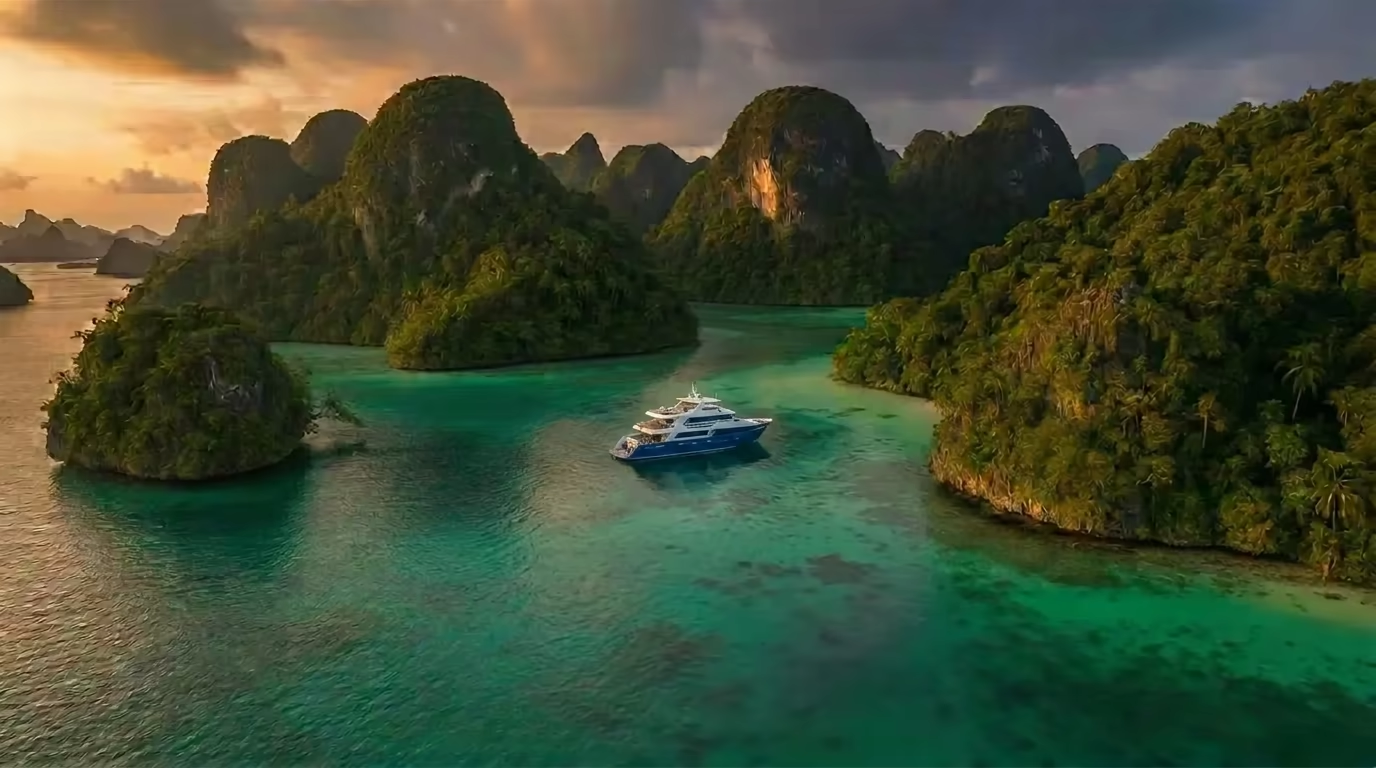
You’ve dreamt of horizons unmarred by human touch, of waters so clear they defy belief, where the ocean’s grandest spectacle unfolds just for you. Forget the well-trodden paths; some expeditions are reserved for those who seek the extraordinary, the truly wild.
Why Moucha Island Reefs Belongs on Your Bucket List
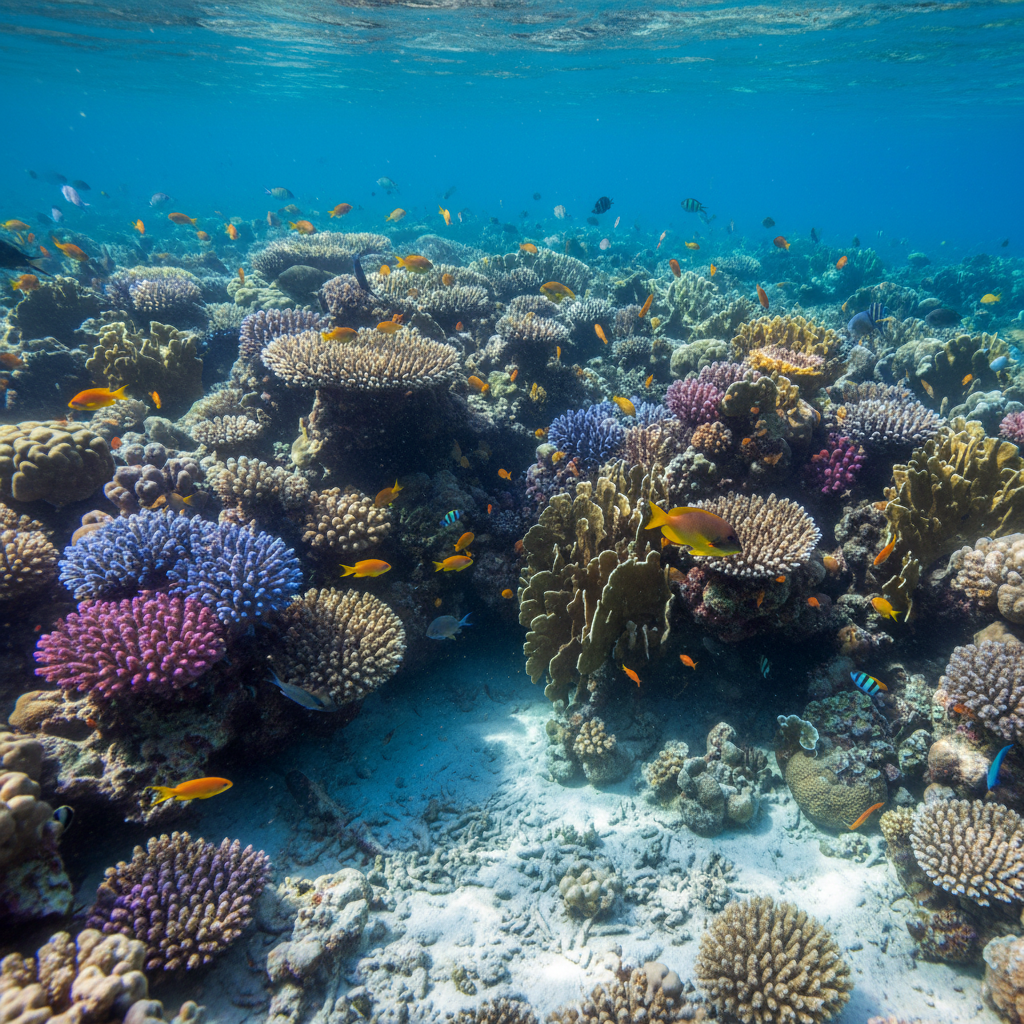
Imagine, for a moment, an underwater landscape where ancient corals flourish, reaching magnificent proportions, creating intricate cities for a myriad of marine life. This isn’t a fantasy; it’s the reality awaiting you around Moucha Island, Djibouti. What elevates Moucha Island Reefs from a mere dive trip to a bona fide bucket-list experience is its pristine, almost untouched nature. Unlike many world-renowned dive destinations that have felt the impact of mass tourism, Djibouti's underwater world, particularly around Moucha, remains a sanctuary. This is where you encounter truly massive table corals, some spanning metres across, providing shelter and sustenance to entire ecosystems. The sheer scale and health of these coral gardens are a marvel, offering a glimpse into what all reefs once were, and what, with careful conservation, they could be again.
The "WOW factor" here isn't just about the charismatic megafauna – though you’ll certainly find them – but about the holistic experience of diving in a biodiverse haven. It’s the thrill of spotting a pod of playful common dolphins in the blue, or the majestic, silent ascent of a manta ray gliding effortlessly overhead, completely unperturbed by your presence. Moucha offers a profound sense of discovery, a feeling of being among the first to witness such vibrant, thriving marine communities. This destination is perfect for seasoned divers who have "seen it all" and are now yearning for genuine adventure, for those who value authenticity and ecological integrity over crowded dive sites and commercialised experiences.
It's for the photographer chasing that elusive shot of undisturbed natural beauty, the marine biologist at heart eager to observe complex reef dynamics, and anyone who understands that true luxury in diving is often found in the quiet, undisturbed corners of the world. If your diving philosophy leans towards exploration, conservation, and encountering marine life in their natural, wild habitat, then the Moucha Island Reefs will resonate deeply with your soul.
What You'll See and Do
The marine life around Moucha Island is a captivating mosaic of colours, shapes, and behaviours. Beneath the shimmering surface, you’ll discover unparalleled coral formations, dominated by vast, ancient table corals and intricate branching varieties that house a dazzling array of reef fish. Expect to encounter schools of vibrant fusiliers, inquisitive butterflyfish, and the ever-present anemonefish guarding their homes. Keep a keen eye out for reef sharks – blacktip and whitetip – gracefully patrolling the deeper sections of the reefs. The healthy ecosystem supports a robust food chain, making every dive a potential encounter with something truly special.
Beyond the resident reef inhabitants, Moucha is renowned for its larger pelagic visitors. Dolphins are a common sight, often seen playfully breaching the surface or even investigating divers underwater, their curiosity as boundless as the ocean itself. While not guaranteed, the season often brings with it incredible opportunities to witness manta rays, especially around cleaning stations found at sites like the famed ‘Seven Brothers’ archipelago, a short boat ride from Moucha. These gentle giants, with their impressive wingspan, create an unforgettable ballet in the blue. Depths vary from shallow coral gardens, ideal for extending bottom time and macro photography, to deeper wall dives extending beyond 30 metres, where you might spot larger pelagics or unique deep-water reef fish. Dive styles are predominantly drift dives, utilising the currents to explore vast stretches of reef, though static dives on specific pinnacles or coral bommies are also common.
One of the true highlights for many is the opportunity for a surface encounter with whale sharks. While whale shark season peaks during specific months, their presence in the region is a constant draw. Imagine slipping into the water, just metres away from the largest fish in the ocean, observing its serene filter-feeding behaviour. These respectful, non-invasive encounters form memories that last a lifetime. Additionally, the unique topography of sites like the ‘White Lady’ offers fascinating architectural reef structures, often with abundant soft corals, fan corals, and sponges that thrive in the gentle currents.
Best Time to Go
The optimal season for exploring the Moucha Island Reefs is from October to April. During these months, Djibouti experiences its cooler, drier period, offering ideal conditions both above and below the water. Air temperatures range comfortably between 25°C and 30°C (77°F and 86°F), making surface intervals and land excursions pleasant. The true magic, however, lies beneath. Water temperatures during this season are consistently warm, averaging around 26°C to 29°C (79°F to 84°F), which means comfortable diving with minimal thermal protection needed. Visibility during these months is frequently exceptional, often reaching 20-30 metres (65-100 feet) and sometimes even more on calm days, allowing for breathtaking vistas of the sprawling coral landscapes and distant pelagics.
While currents can be present, especially around channels and specific dive sites, knowledgeable local guides and liveaboard operators plan dives to maximise enjoyment and safety, often utilising them for exhilarating drift dives. This period also coincides with the high season for whale shark sightings, particularly between November and February, adding another layer of appeal to an already incredible destination. The Red Sea influence keeps the waters rich in nutrients, attracting a diverse array of marine life. Venturing outside of this prime window can mean higher temperatures, less predictable weather, and potentially reduced visibility, making the October to April segment undeniably the best time for a truly pristine Moucha Island experience.
How to Dive Moucha Island Reefs
Accessing the incredible Moucha Island Reefs is predominantly via liveaboard. While day trips from Djibouti City are possible for Moucha, to truly explore the wider region, including the famous Seven Brothers, a liveaboard offers the most comprehensive and rewarding experience. Liveaboards provide unparalleled access to more remote sites, allowing multiple dives per day and the luxury of waking up in pristine, secluded locations. For any diver considering this expedition, an Advanced Open Water certification is highly recommended due to the potential for deeper dives, drift dives, and varied conditions. While open to all certified divers, those with at least 50 logged dives will find themselves more comfortable and proficient in embracing the diverse diving opportunities presented.
Given the multi-day nature of liveaboard diving and the opportunity for extended bottom times around these flourishing reefs, Nitrox certification is a significant advantage, allowing for longer no-decompression limits and reducing post-dive fatigue. A Drift Diver specialty course would also be beneficial for those less experienced with current-assisted diving. In terms of gear, a 3mm to 5mm full wetsuit is generally sufficient given the warm water temperatures, offering both thermal comfort and protection from potential coral scrapes or stings. Consider bringing a reef hook for observing specific areas without finning and a signalling device like a SMB (Surface Marker Buoy) for safety, especially during drift dives or potential surface encounters with large pelagics. Reliable mask, fins, and a well-serviced regulator are standard, but also pack a dive computer with audible alarms and a robust camera setup to capture the unparalleled beauty.
Conservation and Responsible Diving
Diving the Moucha Island Reefs comes with a profound responsibility to protect this fragile and beautiful ecosystem. The pristine condition of these reefs is a testament to their relative isolation and the minimal human impact they have experienced. As divers, we must uphold the highest standards of responsible interaction. This means maintaining excellent buoyancy control to avoid any contact with the delicate corals – no touching, standing, or finning against the reef. We are observers in their world, not participants who leave a trace. When encountering marine life, particularly larger species like dolphins, mantas, or whale sharks, always maintain a respectful distance, avoid chasing or harassing them, and never try to touch them. Follow your guide’s instructions diligently, as they are trained to facilitate respectful interactions. For underwater photographers, always prioritise the welfare of the marine life over the perfect shot; never disturb an animal or its habitat for a photograph. By adhering to these principles, we ensure that the Moucha Island Reefs remain a vibrant sanctuary for future generations of divers and marine life alike.
Plan Your Trip
The Moucha Island Reefs represent a pinnacle of dive travel, a journey into one of the Red Sea's most secluded and spectacular underwater realms. If you're ready to answer the call of the wild, to explore coral gardens of unparalleled health, and encounter marine life in its truest form, then this is the adventure for you. Begin planning your extraordinary expedition today by browsing our curated selection of premium liveaboards departing for the Moucha Island Reefs and the wider Djibouti region.