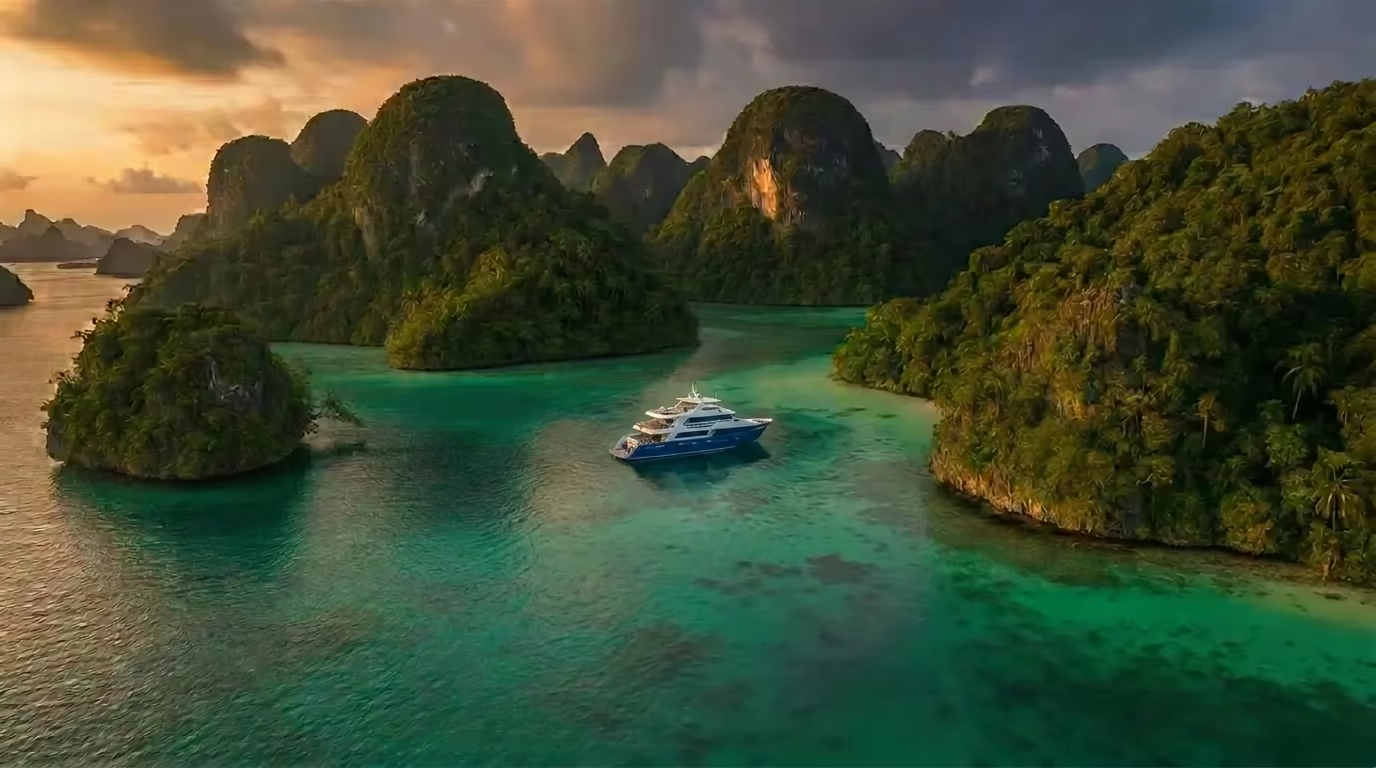
Imagine a place so remote, so wild, that it feels like stepping back in time, to an ocean teeming with life far beyond your wildest dreams. This isn't a scene from a nature documentary; it's the raw, unfiltered reality awaiting you at Cocos Island, a distant speck in the vast Pacific. Here, beneath the waves, an extraordinary spectacle unfolds daily: the majestic gathering of hundreds of hammerhead sharks, a truly unparalleled bucket list experience for any serious diver.
Why Hammerhead Shark Schools at Cocos Island Belongs on Your Bucket List
There are dive destinations, and then there's Cocos Island. Tucked away some 550 kilometres off Costa Rica's Pacific coast, this UNESCO World Heritage Site isn't just another dive spot; it's an isolated marine sanctuary, a beacon for pelagic life, and arguably one of the top ten dive sites on earth. What elevates "Hammerhead Shark Schools at Cocos Island" from a great dive to an ultimate bucket list contender is its sheer, undeniable "WOW" factor.
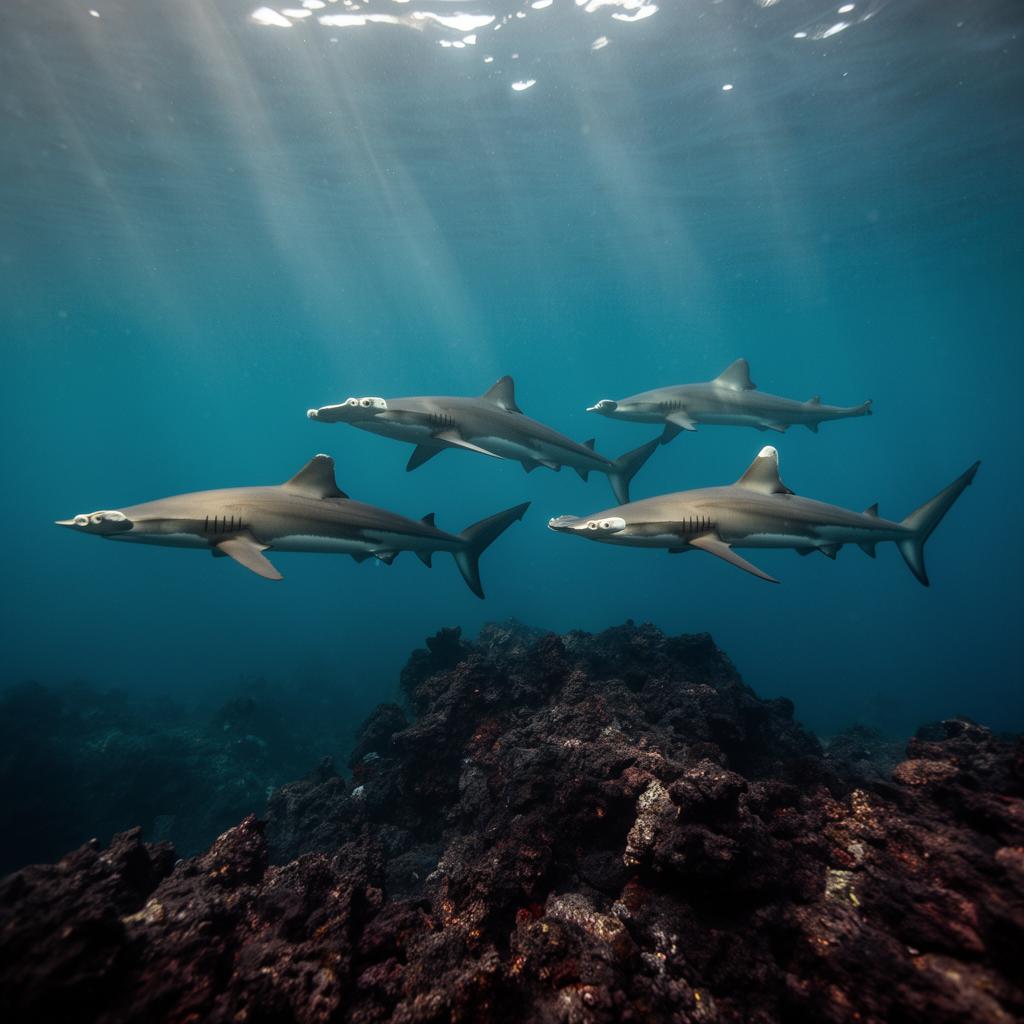
The star attraction, without a doubt, is the immense congregations of scalloped hammerhead sharks. These aren't fleeting glimpses; these are vast schools, sometimes numbering in the hundreds, circling volcanic seamounts and cleaning stations with an almost mystical synchronicity. It's an immersive experience that leaves an indelible mark on your soul: being completely surrounded by these incredible predators, witnessing their natural behaviour up close, without the disturbance of human interaction – a truly humbling honour. This isn't for the casual snorkeller; this is for the dedicated diver, the true ocean adventurer who craves the electrifying thrill of big-animal encounters in their most epic form.
Beyond the hammerheads, the ecosystem here is astonishingly rich and vibrant, supporting a density of marine life that has few equals globally. Divers come seeking not just a shark sighting, but an immersion into an untouched underwater wilderness, a profound connection with the ocean's raw power and beauty. If your diving aspirations include witnessing the ocean's grandest spectacles, where untouched nature dictates the rhythm, then prepare to check off the pinnacle of your underwater adventures.
What You'll See and Do
Prepare for an adrenalizing spectacle underwater. The primary focus of most dives at Cocos is the scalloped hammerhead shark. At iconic sites like Bajo Alcyone and Dirty Rock, you'll descend to the edges of seamounts and volcanic pinnacles, often positioning yourself to watch hundreds of hammerheads ascend from the depths during their daily cleaning rituals or transiting in vast schools. Sometimes they'll pass so close you can count the remoras clinging to their flanks. These encounters typically occur at depths ranging from 25 to 40 metres, requiring good air consumption and comfortable buoyancy skills.
But Cocos is far more than just hammerheads. Silky sharks are a constant, curious presence, often inspecting divers at shallower depths. You'll also encounter Galápagos sharks, white-tip reef sharks, and the occasional tiger shark patrolling the deeper reefs. Giant oceanic manta rays gracefully glide overhead at sites such as Manuelita, their massive wingspan casting dramatic shadows. Marble rays, eagle rays, and Mobula rays are also common. Dolphins frequently escort the liveaboards and can be spotted during dives. Keep an eye out for tuna, reef fish in astonishing abundance, and the occasional whale shark, especially during certain periods.
Diving here is primarily drift diving around seamounts and pinnacles, often with strong currents. You'll typically perform three to four dives per day, punctuated by surface intervals on the liveaboard. The dive profiles are often multi-level, descending to observe pelagics at depth then gradually ascending along the slope. Night dives at Manuelita are famous for observing white-tip reef sharks hunting in packs, a mesmerizing and unique behaviour.
Best Time to Go
While Cocos Island is a year-round dive destination, the period from June to December is widely considered the best season for optimal visibility and the most spectacular hammerhead schooling events. During these months, the waters are typically cooler, stimulating the plankton blooms that attract the larger pelagics, including the hammerheads and often whale sharks.
Water temperatures during the high season generally range from 26°C to 28°C (79°F to 82°F), making a 3mm to 5mm full wetsuit comfortable for multiple dives per day. Visibility can be exceptional, often extending beyond 30 metres (100 feet), providing crystal-clear views of the schooling sharks. However, it can occasionally drop due to plankton, which paradoxically often correlates with more sharks! Currents can be strong and unpredictable, a common feature of oceanic islands, requiring divers to be comfortable with drift diving. The weather during this period is generally pleasant, though being the rainy season in Costa Rica, expect some tropical showers, but these rarely impact the diving experience which takes place so far offshore.
How to Dive Hammerhead Shark Schools at Cocos Island
Reaching the remote waters of Cocos Island is exclusively via liveaboard. There are no land-based operations or day trips due to its extreme distance from the mainland. The journey itself is an adventure, a 36-hour crossing from Puntarenas, Costa Rica, across the open Pacific. Once there, your liveaboard becomes your floating hotel, dive centre, and restaurant for the duration of the trip, typically 8 to 10 nights. This ensures you maximise your time at the dive sites, often enjoying multiple dives a day.
This is not a destination for novice divers. A minimum PADI Advanced Open Water Diver certification or equivalent is essential, though many operators prefer divers to have logged at least 50-100 dives in varying conditions. The diving here involves frequent deep dives, strong currents, and challenging conditions, requiring excellent buoyancy control, good air consumption, and a calm demeanour. Recommended courses include Enriched Air Nitrox (to extend bottom time on repetitive deep dives), Deep Diver, and Drift Diver specialties. A 3mm or 5mm wetsuit is generally sufficient, but consideration for a hood or thicker layers should be given if you tend to get cold easily. Bring your own dive computer, safety sausage (SMB), and a signalling device; these are often mandatory. Due to the remote location, comprehensive dive insurance is highly recommended.
Conservation and Responsible Diving
Cocos Island is a protected marine national park, and as divers, we are privileged visitors to this pristine ecosystem. Adhering to responsible diving practices is paramount. Always maintain neutral buoyancy, ensuring you don't touch or disturb any marine life or the delicate reef structures. Keep a respectful distance from sharks and other large pelagics; never chase, harass, or attempt to feed them. Observe their natural behaviour without interference. The use of cameras should be done ethically, avoiding the use of bright flashes that could disorient marine animals. Remember, we are guests in their home, and our actions directly impact the health and future of this incredible destination. Your liveaboard crew will always provide detailed briefings on park regulations and best practices.
Plan Your Trip
The allure of Cocos Island's hammerhead schools is simply irresistible for any diver seeking the ultimate pelagic encounter. If you're ready to answer the call of the wild Pacific and experience one of the world's most electrifying big-animal destinations, Blue Rides offers a curated selection of premium liveaboards perfectly suited for this once-in-a-lifetime adventure. Explore our extensive range of trips departing for Cocos Island and begin planning your extraordinary diving journey today.