
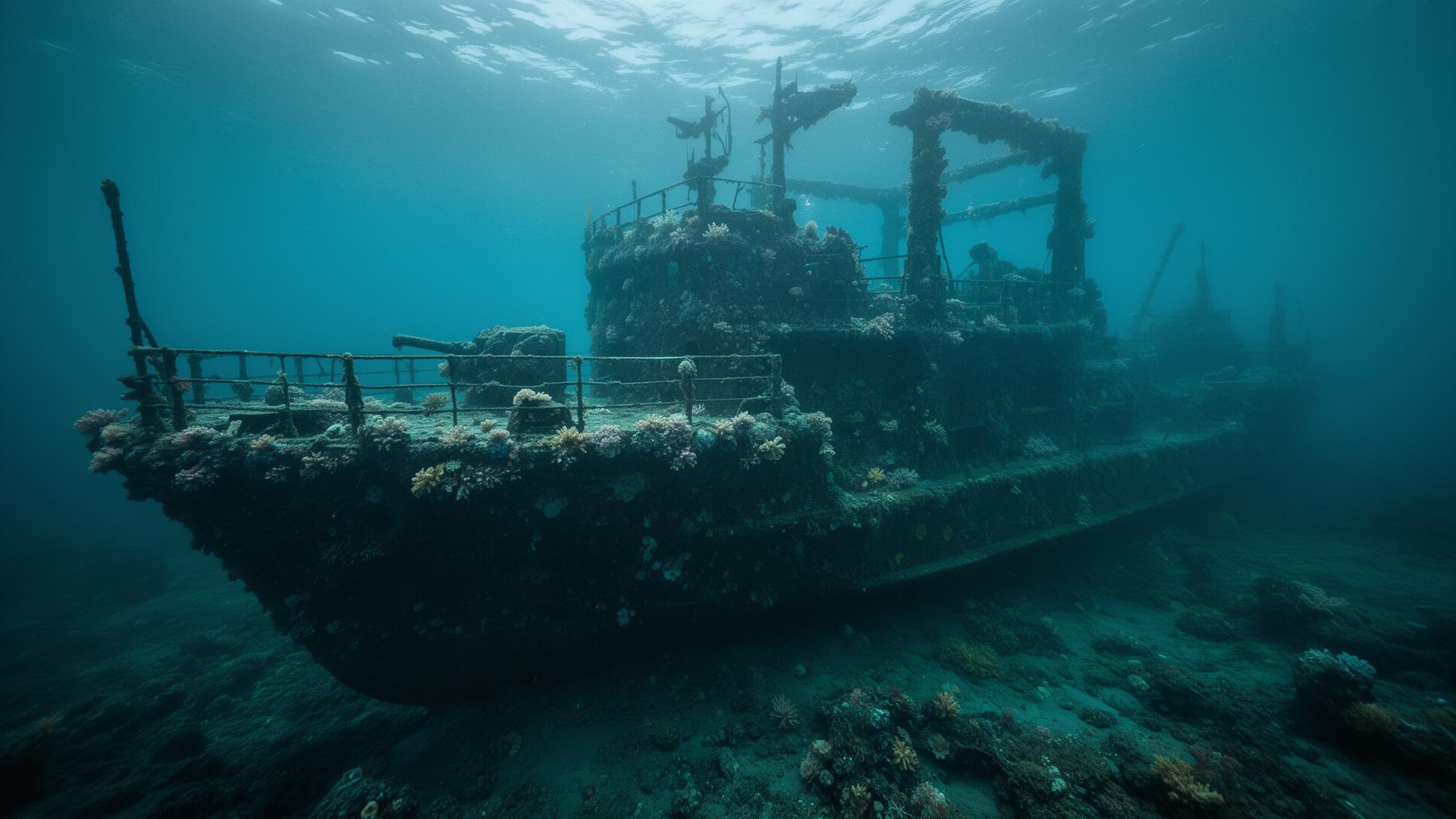
Picture this: you’re finning gently over black volcanic sand, the warmth of the tropical Balinese sun filtering through the water above. Ahead, a silhouette takes shape, draped in a living tapestry of coral. This isn't just a dive; it’s a journey back in time, a poignant whisper from history now teeming with vibrant life. Welcome to the Japanese Shipwreck of Amed, a dive experience that consistently earns its place on the most discerning diver’s bucket list.
Why Japanese Shipwreck Belongs on Your Bucket List
In a world overflowing with incredible dive sites, what makes the Japanese Shipwreck in Amed truly stand out? It's the delightful juxtaposition of its accessibility and its profound beauty. This isn't a deep, challenging wreck reserved for the most experienced technical divers. Instead, it’s a compact, shallow marvel, resting gently at depths between a mere 6 and 12 metres. This makes it an ideal playground for virtually all certified divers, from newly qualified open water enthusiasts to seasoned pros seeking an unhurried, visually rich experience.
The ‘WOW’ factor here isn’t just about the wreck itself, though its history as a WWII-era patrol boat adds a compelling layer of intrigue. It’s the sheer explosion of life that has claimed it as home. Every inch of its surface is colonised, transforming the metal husk into a breathtaking reef. You’ll find kaleidoscopic hard corals, swaying soft corals, and a density of marine life that belies its relatively small size. This is a site that invites you to slow down, to observe, and to truly immerse yourself in the intricate dance of the ocean’s ecosystem.
For photographers, whether you wield a wide-angle lens or a macro rig, this wreck is a dream come true. The shallow depth means abundant natural light, providing incredible clarity and colour rendition. Its compact nature allows for captivating wide shots capturing the wreck in its entirety, while the proliferation of tiny critters offers endless macro opportunities. It truly offers a globally unique combination of military history, vibrant coral growth, and accessible diving, making it an essential entry for any diver’s ultimate wish list.
What You'll See and Do
Prepare to be captivated from the moment you descend. The Japanese Shipwreck is a treasure trove of marine biodiversity. You’ll weave your way around the coral-encrusted hull, spotting a profusion of reef fish. Schools of various sweetlips, often found congregating under overhangs or near the wreck’s more sheltered sections, create mesmerising shimmering clouds. Keep an eye out for colourful parrotfish grazing on the corals and vibrant angelfish darting in and out of crevices. On the black sand surrounding the wreck, you might encounter garden eels swaying in the gentle current or a flatworm gliding gracefully across the substrate.
For macro enthusiasts, this site is a goldmine. The corals and sponges adorning the wreck provide perfect camouflage for an incredible array of critters. Dedicated searching will often reveal several species of pygmy seahorses, including the diminutive Bargibant's pygmy seahorse, meticulously camouflaged amongst the gorgonian corals. Nudibranchs in every imaginable colour and pattern crawl across the wreck and surrounding seabed – from the flamboyant Spanish dancer to more subtle species like Chromodoris annae. Shrimp and crab species hide within the coral branches, constantly on the lookout for a meal or a mate.
The relatively shallow depth (6-12m) ensures excellent bottom times, allowing for extended exploration and plenty of time for photography or simply absorbing the beauty. The wreck itself offers some small swim-throughs for those with appropriate experience, but the main spectacle is the exterior’s vibrant coral growth and the abundant marine life it supports. While largely observational, the close proximity of the wreck to the shore and its protected location means currents are generally gentle, making for a relaxed and thoroughly enjoyable dive experience suitable for drift-free exploration.
Best Time to Go
One of the many charms of the Japanese Shipwreck in Amed, Bali, is its accessibility year-round. Unlike some dive destinations with very specific seasons, Bali offers excellent diving conditions for this particular site throughout the entire year. However, certain periods do offer marginally more favourable conditions.
The dry season, typically from April to October, generally brings the calmest seas and best visibility. During these months, surface conditions are often placid, making for smooth boat rides from shore. Visibility at the Japanese Shipwreck can range from 15 to 30 metres (50 to 100 feet) on a good day, allowing for sweeping views of the entire wreck and its surrounding ecosystem. Water temperatures during this period average a balmy 27-29°C (81-84°F). The wet season, from November to March, still offers fantastic diving, though you might encounter occasional rain showers, which rarely impact underwater conditions significantly. Visibility might drop slightly but usually remains very good, in the 10-20 metre (33-66 feet) range. Water temperature remains consistently warm, around 26-28°C (79-82°F). Currents at the wreck are generally mild due to its sheltered location close to shore, making it suitable for divers of all experience levels irrespective of the season.
How to Dive Japanese Shipwreck
Diving the Japanese Shipwreck is typically done via short day-boat trips from the various dive centres in Amed or surrounding areas like Jemeluk. Liveaboard itineraries exploring Bali and the Nusa Islands often include specific day excursions to dive sites along the Bali coast, and some may offer this unique experience as part of their package depending on their routing. The beauty of Amed’s dive sites is their close proximity to shore, making for convenient and quick access. You’ll board a traditional Balinese jukung (outrigger boat) for a brief ride out to the site – a delightful cultural experience in itself.
This site is incredibly beginner-friendly, making it suitable for anyone with an Open Water Diver certification or equivalent. However, to truly enhance your experience, especially if you're keen on photography or extending your bottom time, some additional training can be beneficial. An Enriched Air Nitrox certification is highly recommended, allowing for longer no-decompression limits, particularly in the shallow depths of this wreck. While not essential, an Advanced Open Water Diver certification can boost your confidence and introduce you to skills like underwater navigation, though the wreck is easy to navigate. Given the site’s gentle currents, a Drift Diver specialty isn't strictly necessary for safe diving, but understanding drift diving techniques can always add to your repertoire. For wetsuit choice, a 3mm shorty or full suit is usually more than enough, given the consistently warm water temperatures. Make sure your gear includes a torch for peering into crevices and potentially a magnifying glass for spotting the tiny critters!
Conservation and Responsible Diving
The Japanese Shipwreck is a fragile ecosystem, a poignant blend of history and thriving marine life. As divers, we have a profound responsibility to protect it. Always maintain excellent buoyancy control to avoid any contact with the delicate corals or the wreck itself. Remember the golden rule of "look, don't touch" – this applies to all marine life, from the smallest nudibranchs to the largest fish. Photographers, in particular, should exercise extreme caution; do not harass marine animals for a perfect shot, and never touch them or their environment. Sustainable diving practices ensure that generations of divers to come will be able to marvel at this beautiful underwater historical site and its vibrant inhabitants. Support local dive operations that demonstrate strong environmental ethics and participate in local conservation efforts.
Plan Your Trip
Ready to add this remarkable piece of underwater history to your logbook? The Japanese Shipwreck in Amed promises an unforgettable dive adventure, blending fascinating history with an explosion of marine life. Begin planning your journey to this Indonesian gem by exploring the diverse range of liveaboard options departing for Bali and its surrounding islands. Our selection of premium liveaboards offers unparalleled comfort, safety, and access to the best dive sites in the region, ensuring your dream dive holiday becomes a reality.