
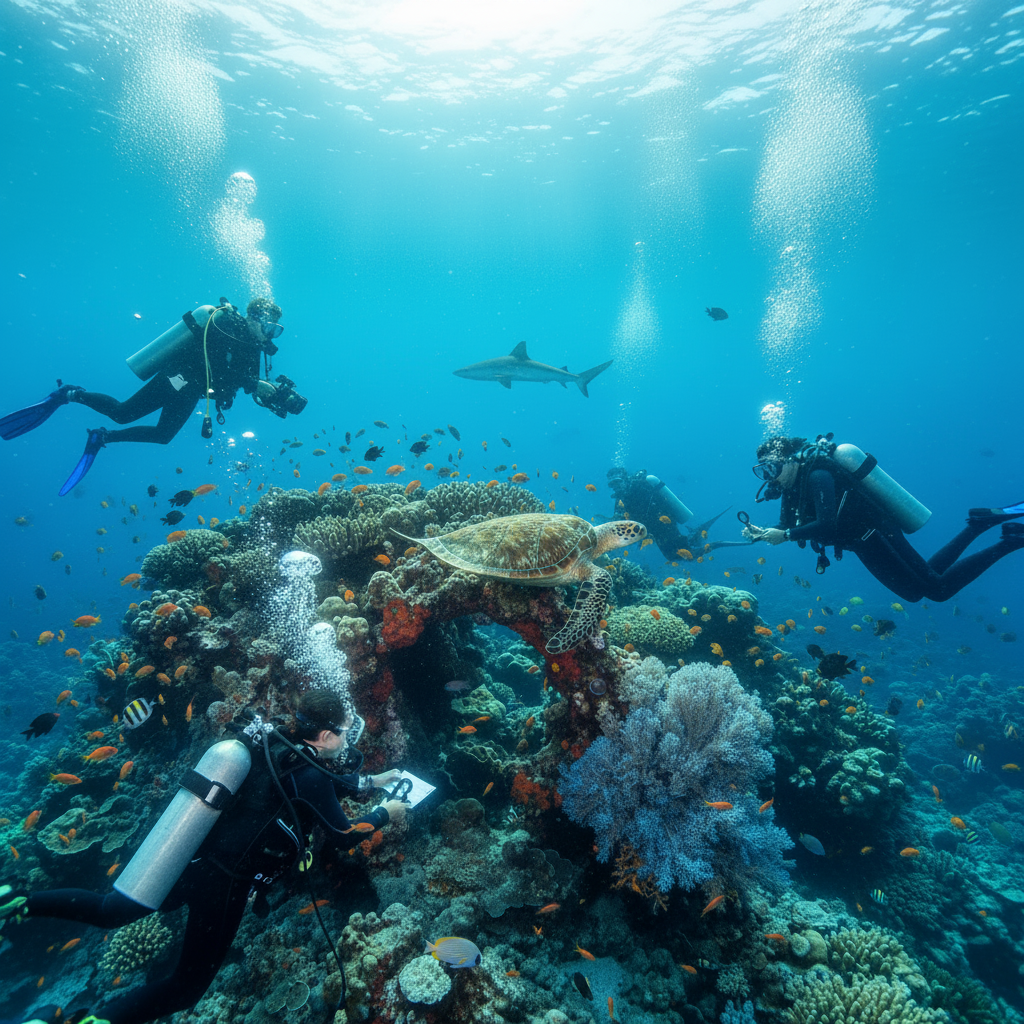
Imagine a world beneath the waves so vast and vibrant it can be seen from space. A living tapestry of coral stretching for thousands of kilometres, teeming with an explosion of life in every conceivable colour and form. This isn't a fantasy; it's the Great Barrier Reef, and embarking on an exploration of its depths is not just a dive, it's a pilgrimage to one of Earth's most extraordinary natural wonders, an experience that will undoubtedly redefine your perception of the ocean's majesty.
Why Great Barrier Reef Exploration Belongs on Your Bucket List
There are 'dives' and then there are 'Great Barrier Reef Exploration' dives. What elevates this experience from simply good to unequivocally bucket-list-worthy is its sheer scale and biodiversity. You're not just visiting a reef; you're immersing yourself in the planet's largest living structure, a UNESCO World Heritage site of unparalleled ecological importance. With over 1,500 species of fish, 400 types of coral, and an astonishing array of other marine invertebrates, reptiles, and mammals, the Great Barrier Reef offers an aquatic spectacle that nowhere else on Earth can truly replicate. It’s an immersion into a vibrant ecosystem so rich and complex that every dive unveils something new, something breathtaking, something that humbles you with its natural grandeur.
This journey is particularly suited for those who seek not just adventure, but profound connection with the natural world. It appeals to the seasoned diver yearning for a truly iconic experience, the passionate underwater photographer chasing that perfect shot, and anyone who dreams of witnessing marine life in its most abundant, diverse, and spectacular form. The reef’s immense size means that regardless of your preferred diving style – from adrenaline-pumping drift dives to tranquil reef explorations – there’s a corner of this aquatic paradise waiting to astound you. It’s a destination that promises not just great diving, but an unforgettable expedition into the heart of ocean life.
What You'll See and Do
Prepare for an unparalleled sensory feast. As you descend into the azure waters, you’ll be greeted by an architectural marvel of hard and soft corals – brain corals, staghorn corals, sea fans, and anemones – painted in hues of purple, pink, orange, and green. Lionfish drift languidly, moray eels peek from their crevices, and schools of fusiliers dart through the water like living currents. Photographers will revel in the opportunities presented by anemonefish tending their homes, cleaner shrimp at their stations, and vibrant nudibranchs meticulously crawling along the reef. You might even spot a manta ray gliding gracefully overhead, its vast wings casting a fleeting shadow.
The Great Barrier Reef's deeper waters and outer reefs, often accessed by liveaboards, offer encounters with larger pelagic species. Think majestic Green Sea Turtles and Hawksbill Turtles, or Reef Sharks – White-tip, Black-tip, and Grey Reef Sharks – patrolling the drop-offs. Iconic sites like the Cod Hole on the Ribbon Reefs are famous for their resident Potato Cod (also known as Marbled Groupers), which are incredibly habituated and offer phenomenal close-up interactions. You'll likely observe various species of Parrotfish, Triggerfish, and Sweetlips, all contributing to the kaleidoscope of life. Behavioural observations are plentiful; witness fish spawning, feeding frenzies, or the intricate symbiotic relationships that define a healthy reef. Depths can range from shallow reef tops perfect for novices, to exhilarating wall dives venturing to 30 metres or more. Night dives transform the reef into a completely different world, revealing nocturnal creatures like sleeping parrotfish, active crabs, and the eerie glow of bioluminescence.
Best Time to Go
The optimal time for Great Barrier Reef Exploration is between June and October, aligning with Australia's dry season. During these months, you’ll typically experience clear, calm water and consistent conditions. Water temperatures are comfortably warm, averaging around 23-26°C (73-79°F). This period also boasts the best visibility, often exceeding 20 metres (65 feet) and frequently reaching 30 metres (100 feet) or more on the outer reefs. The dry season brings little rainfall, reducing freshwater runoff and contributing to excellent clarity. Wind conditions are generally lighter, leading to smoother crossings to the outer reefs, which is particularly beneficial for liveaboard trips.
While the Great Barrier Reef doesn't experience extreme currents, certain sites and tidal movements can create mild to moderate drifts, which can be thrilling for experienced divers. The weather during this peak season is consistently sunny and pleasant, making surface intervals and land excursions equally enjoyable. It's also the time of year when Humpback Whales migrate through the reef waters, offering an added bonus for those onboard liveaboards, with potential for surface sightings or even in-water encounters, though these are typically protected interactions observed from a distance.
How to Dive Great Barrier Reef Exploration
To truly experience the expanse and magnificence of the Great Barrier Reef, a liveaboard expedition is highly recommended, if not essential. While day boats offer excellent access to inner reef sites from coastal towns like Cairns or Port Douglas, it's the multi-day liveaboard trips that take you to the remote, pristine outer reefs and Ribbon Reefs – locations like Cod Hole, Pixie Pinnacle, and Osprey Reef (further north and generally accessed from dedicated itinerary liveaboards) – where the greatest biodiversity and healthiest coral formations reside. These journeys provide multiple dives daily, including night dives, immersing you in the reef's rhythms far from the crowds.
For most Great Barrier Reef diving, an Open Water Diver certification is the minimum requirement. However, to maximise your experience and safely explore deeper sites and participate in drift dives, an Advanced Open Water Diver certification is highly recommended. Many liveaboard operators also encourage or require Nitrox certification to extend bottom times and enhance safety, especially with multiple dives planned per day. If drift diving is on the itinerary, comfort with managing currents is beneficial. A 3mm to 5mm full-length wetsuit is typically sufficient for the water temperatures, though some prefer a semi-dry in the cooler months. Don't forget your dive computer, safety sausage (SMB), and a torch for night dives – these are often mandatory safety items.
Conservation and Responsible Diving
The Great Barrier Reef is a precious and fragile ecosystem, facing challenges from climate change, coral bleaching, and human impact. As divers, we have a crucial role to play in its preservation. Always practice responsible diving: maintain excellent buoyancy control to avoid contact with corals, avoid stirring up silt, and never, under any circumstances, touch, pick up, or remove anything from the reef – not even a seemingly lifeless shell. Marine life should be observed from a respectful distance; feeding animals or chasing them for photographs is strictly prohibited. Choose operators who are committed to sustainable practices and education. Your respectful behaviour ensures that this incredible wonder can be enjoyed by future generations.
Plan Your Trip
The Great Barrier Reef truly represents the pinnacle of dive travel. It’s an adventure that promises not just incredible underwater encounters but a profound connection with one of Earth's most vital and beautiful ecosystems. We invite you to explore the range of Blue Rides liveaboards departing for this unforgettable Great Barrier Reef Exploration, and take the first step towards a journey that will stay with you long after you've surfaced.