
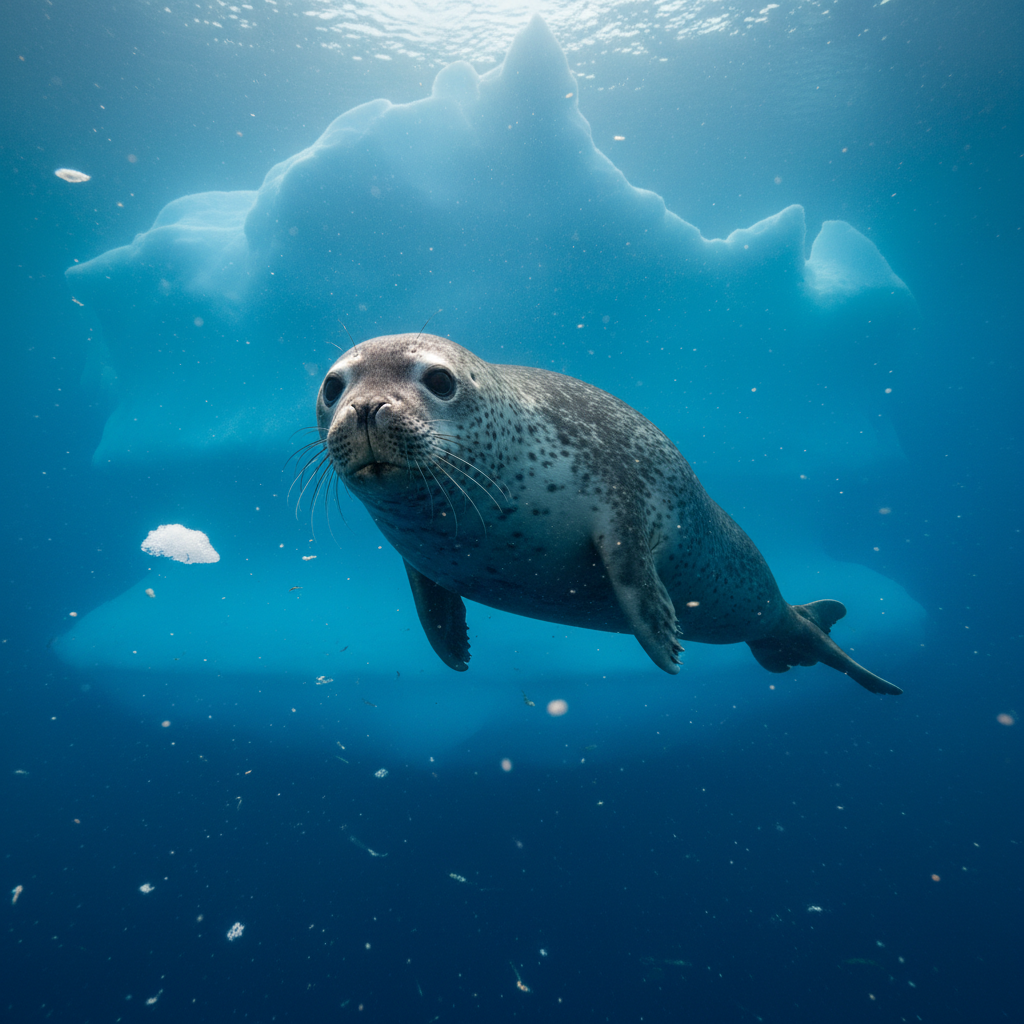
Imagine the ultimate face-to-face encounter, not with a placid reef fish, but with a creature that embodies the raw power and untamed spirit of the wild. This isn't just another dive; it's a profound interaction with one of the most enigmatic predators on Earth, a dance on the very edge of exhilarating discovery. Forget everything you thought you knew about cold-water diving; this is where true adventure begins.
Why Leopard Seal Encounters Belongs on Your Bucket List
The Antarctic Peninsula, with its colossal icebergs, staggering fjords, and a vibrant ecosystem, is already a dream destination for the adventurous spirit. But within this majestic landscape lies an opportunity that elevates a remarkable journey to an unforgettable expedition: diving with leopard seals. These apex predators, often reaching over three metres in length and weighing up to 600 kilograms, are the very embodiment of the Antarctic food chain, second only to orcas. What makes this experience globally unique is the genuine curiosity they exhibit towards humans. Unlike many other large marine predators, leopard seals are known to approach divers, not with aggression (though respect is paramount), but with an intriguing blend of inquisitiveness and playful assertion. It's this active interaction, the sense of being observed and engaged by such a magnificent creature in its natural, untamed habitat, that delivers an unparalleled "wow" factor.
This experience is tailor-made for the seasoned diver seeking more than just beautiful corals or pelagic sightings. It’s for those who yearn for a deep connection with nature, who are comfortable in challenging environments, and who possess a profound respect for marine wildlife. If your dive log is filled with incredible moments, but you're still searching for that one ultimate, life-altering interaction, then "Leopard Seal Encounters" in the Antarctic is precisely what you've been looking for. It’s a privilege to witness such a powerful creature up close, observing its intelligence and adaptability in one of the planet's most extreme yet pristine environments.
What You'll See and Do
Diving in the waters of the South Shetland Islands, you'll enter the leopard seal's domain. Visibility in these pristine Antarctic waters can often range from 15 to 30 metres, offering crystal-clear views of the underwater world and its inhabitants. While the leopard seals are undoubtedly the stars of the show, they share their habitat with an incredible array of marine life. You’ll likely encounter Chinstrap and Gentoo penguins darting through the water, their agile movements a stark contrast to the seals’ powerful elegance. Crabeater seals may also make an appearance, and the vibrant array of invertebrates, including colourful nudibranchs, sea stars, and anemones clinging to the rocky seafloor, provides a fascinating backdrop. Depths for these encounters are typically shallow, often between 5 and 15 metres, as the seals hunt and play close to the surface and ice edges. Liveaboards provide Zodiacs for access to dive sites, allowing for dynamic and flexible dive styles, often involving drift dives along ice formations or sheltered coves.
The behaviour of the leopard seals is truly what makes these encounters so mesmerising. You might observe them gracefully gliding through the water, their powerful serpentine bodies propelling them with effortless speed. Often, they will approach divers, circling, observing with their large, dark eyes, and occasionally exhibiting mock charges or displaying their impressive teeth. These are not aggressive acts but rather a form of communication and curiosity. They are intelligent hunters, and it’s not uncommon to see them interacting with penguins or other seals – a stark reminder of the food chain at play. While specific dive sites vary with ice conditions and seal presence, areas around Half Moon Island, Deception Island, and Cuverville Island are known hotspots for seal sightings, offering a dramatic backdrop of ice-sculpted landscapes both above and below the surface.
Best Time to Go
The Antarctic dive season is a relatively short window, and for prime leopard seal encounters, the months of January through March are unquestionably the best. This period falls within the Antarctic summer, offering the most stable weather conditions and the longest daylight hours, which are crucial for both navigation and enjoyable diving. During these months, ice conditions are generally more favourable, allowing liveaboards greater access to dive sites around the South Shetland Islands and the Antarctic Peninsula. Water temperatures during this season typically hover between -1°C and 2°C (30°F to 36°F), demanding robust thermal protection. While cold, the incredibly clear water and the intensity of the encounters make the chill easily forgotten. Visibility, as mentioned, is usually superb, often exceeding 20 metres. Currents are generally manageable, especially when diving in sheltered bays or through ice channels, but conditions can change rapidly, characteristic of polar environments. The abundance of krill and fish during this time also means a higher concentration of the smaller marine life that leopard seals prey upon, increasing the likelihood of observing them in their natural hunting behaviours.
How to Dive Leopard Seal Encounters
Accessing these remote dive sites is exclusively via dedicated liveaboard expeditions. There are no day-boat operations in the Antarctic, given the vast distances and challenging conditions. These liveaboards are purpose-built for polar exploration, offering robust ice-strengthened hulls, Zodiacs for shore excursions and diving, and comfortable accommodations. Due to the extreme environment, a high level of dive experience is recommended. While an Open Water Diver certification is usually the minimum requirement, most operators strongly recommend, and often mandate, at least 50-100 logged dives, with significant experience in cold water and dry suit diving. An Advanced Open Water Diver certification is highly beneficial, as is a Nitrox certification, allowing for extended bottom times safely. While specific courses like "Ice Diver" aren’t mandatory for these trips, practical experience in challenging conditions, including current or limited visibility, will greatly enhance your enjoyment and safety. A dry suit is absolutely essential for Antarctic diving, typically requiring a 7mm or thicker undergarment. Beyond your standard dive gear, many divers opt for heated vests or gloves, and a full-face mask can add an extra layer of comfort and warmth. Redundant systems and thoroughly serviced equipment are paramount in this remote region.
Given the nature of encounters with large, powerful marine mammals, maintaining buoyancy control is critical for safety and to avoid disturbing the seals. Divers must be proficient in managing their breathing and movements to remain calm and controlled. The equipment typically includes redundant air sources, and robust cold-water regulators. Additionally, carrying a dive computer and signalling devices (SMB, whistle) is standard. Your liveaboard expedition will provide expert dive guides, often with extensive experience diving with leopard seals, who will brief you thoroughly on safe interaction protocols and lead every dive. Their knowledge of seal behaviour and the local environment is invaluable, ensuring you have the best possible chance of a memorable encounter while maintaining the highest safety standards.
Conservation and Responsible Diving
Antarctica is one of humanity's last true wildernesses, and the privilege of diving there comes with a profound responsibility. All encounters with leopard seals must be conducted with the utmost respect for their welfare and natural behaviours. This means adhering strictly to a universal "no-touch" policy – never attempt to touch, feed, or harass any marine life. Maintain a respectful distance, allowing the seals to dictate the terms of the interaction. When photographing, avoid disruptive flash photography and be mindful of your proximity. Dive operators working in Antarctica are typically committed to strict environmental guidelines, often members of IAATO (International Association of Antarctica Tour Operators), which promotes safe and environmentally responsible tourism. By choosing a reputable liveaboard, you contribute to these conservation efforts, ensuring that leopard seals and their pristine environment remain protected for future generations of divers and wildlife enthusiasts.
Plan Your Trip
Ready to embark on the ultimate polar diving adventure? A close encounter with the magnificent leopard seals of Antarctica is not merely a dive; it's a journey into the heart of the wild. Browse our meticulously curated selection of premium liveaboards departing for the South Shetland Islands and the Antarctic Peninsula, and let Blue Rides help you turn this extraordinary dream into a breathtaking reality.