
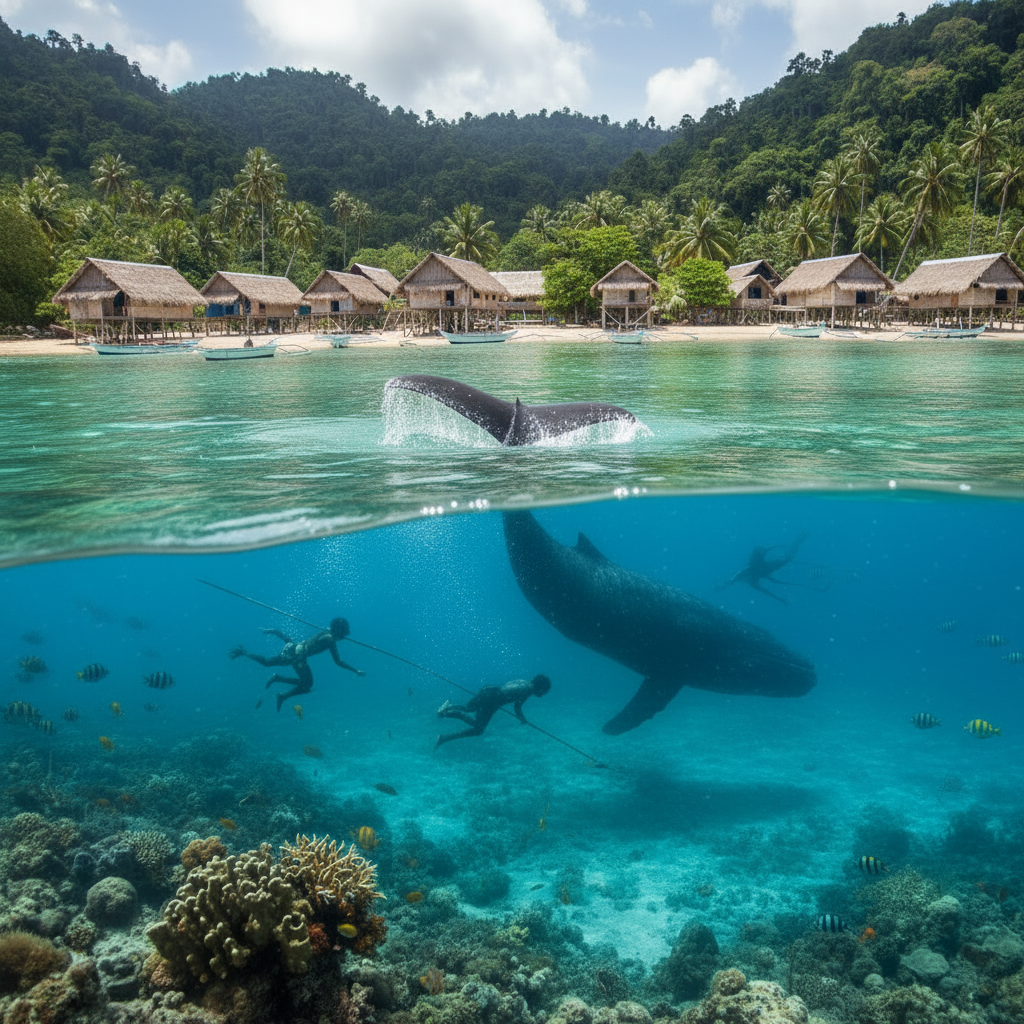
Imagine a place where the rhythmic slap of paddles against the waves echoes through generations, where the ocean is both provider and spiritual guide, and where ancient traditions, largely untouched by the modern world, continue to shape daily life. Welcome to Alor, specifically the remote corners around Lembata Island, where an experience unlike any other truly awaits – a dive into the heart of the "Traditional Whaling Villages." This isn't just about what lies beneath the surface; it’s a profound journey into the soul of a people intertwined with the sea, an encounter that will undoubtedly redefine your understanding of culture and connection.
Why Traditional Whaling Villages Belongs on Your Bucket List
You’ve seen stunning reefs, encountered magnificent marine creatures, and explored incredible shipwrecks. But have you ever witnessed a living, breathing tradition, preserved over 600 years, that speaks volumes about human resilience and a primal bond with nature? The Traditional Whaling Villages of Lamalera offers precisely this. Forget the stereotypes associated with commercial whaling; this is subsistence hunting, passed down from ancestor to ancestor, essential for the survival and cultural identity of the community.
What makes this truly globally unique is the approach – using only hand-carved wooden boats (peledang), sails made from palm leaves, and simple barbed spears (tempuling) wielded by expert harpooners (lamafa). There are no engines, no modern technology, just raw human skill, courage, and an intimate knowledge of the ocean and its giants. For ethical adventurers, for those who seek not just a holiday but a truly transformative experience, for anyone who wants to witness a culture that has resisted the relentless march of globalisation, this is a profound draw. It’s an immersion into a way of life that feels impossibly ancient yet powerfully present, offering a perspective on humanity's relationship with the ocean that is both humbling and awe-inspiring.
What You'll See and Do
While the cultural interaction ashore is the undeniable star, the diving around Alor and Lembata is world-class and perfectly complements this unique journey. Prepare for vibrant coral gardens, dramatic walls, and an astonishing diversity of marine life. You'll encounter schooling barracuda and snappers, reef sharks, and perhaps even hammerheads on deeper dives. Macro enthusiasts will be thrilled by the abundance of pygmy seahorses, flamboyant cuttlefish, and various rare nudibranchs clinging to vibrant soft corals.
Dive sites like Clown Valley, The Arch, and Pura's Pyramid offer incredible drifts over healthy reefs teeming with life. Depths typically range from 15 to 30 metres, catering to a wide range of experience levels. Expect thrilling drift dives and exhilarating encounters with larger pelagics in deeper waters, alongside serene observations of prolific reef life in shallower, more protected bays. While the cultural aspect of the "Traditional Whaling Villages" is primarily above the surface, the incredible diving provides a holistic experience, connecting you to the very waters that sustain the Lamalera people. During shore visits, you’ll observe the daily life, the carving of the peledang, and if fortunate, may witness the preparations for a hunt or the joyous return of a successful whaling crew, always with deep respect for the community's way of life.
Best Time to Go
The prime season for experiencing the Traditional Whaling Villages and diving Alor is generally from May to October. This period offers the most stable weather conditions and calms seas, crucial for both diving and the traditional whaling activities when they occur. During these months, water temperatures hover comfortably between 26°C and 29°C (79°F to 84°F), making for enjoyable diving. Visibility is typically excellent, often exceeding 20 metres and frequently reaching 30 metres or more in good conditions, especially away from any coastal runoff. Currents can be strong, particularly in the channels between islands, making for exhilarating drift dives that carry you along vibrant walls and reefs. While the dry season prevails, be prepared for occasional, short tropical downpours.
How to Dive Traditional Whaling Villages
To truly immerse yourself in this region, a liveaboard is unequivocally the superior option. While some remote day-boat operations exist, a liveaboard provides unparalleled access to the best dive sites around Alor and Lembata, including the more isolated communities. It allows for a more comprehensive exploration, maximising your dive time and cultural opportunities. Most liveaboards will offer a flexible itinerary that balances the incredible diving with scheduled cultural visits to the Lamalera villages, ensuring a respectful and well-organised interaction.
For the diving, a PADI Advanced Open Water or equivalent certification is highly recommended, given the potential for deeper dives and strong currents. You should have at least 50 logged dives to comfortably handle varying conditions and make the most of the drift diving opportunities. Nitrox certification is a significant advantage, allowing for extended bottom times and enhancing safety given the multi-day diving. A 3mm or 5mm full-body wetsuit is ideal for comfort and protection against stinging hydroids or coral scrapes, despite the warm water. Essential gear includes a good dive computer, SMB (surface marker buoy) for drift dives, and a reef hook can be useful for holding position in strong currents. For the cultural visits, modest attire is appropriate and respectful.
Conservation and Responsible Diving
When engaging with the Lamalera community, it's paramount to approach with the utmost respect for their ancient traditions and way of life. Photography should always be done with permission, and any interactions should be sensitive to their customs. On the diving front, adhere strictly to established conservation practices: maintain perfect buoyancy, never touch marine life or corals, and ensure your gear is streamlined to prevent accidental damage. The species they hunt, mainly sperm whales, are critical to their sustenance and culture. The traditional Lamalera hunts are self-regulated and are recognised by the Indonesian government as indigenous subsistence whaling, distinct from commercial whaling. Your presence supports sustainable tourism that can offer alternative livelihoods while respecting tradition. Always choose a liveaboard operator with a clear commitment to responsible tourism and community engagement.
Plan Your Trip
This journey to the Traditional Whaling Villages of Alor is more than just a dive trip; it's an expedition into the heart of an extraordinary culture, set against a backdrop of some of Indonesia's most pristine and vibrant underwater landscapes. Blue Rides offers a curated selection of liveaboards that provide the perfect platform for this once-in-a-lifetime experience. Explore our itineraries and prepare for an adventure that will forever change your perspective on the ocean and its people.