Bluerides – Blue Rides - Book Liveaboards worldwideOCEAN ADVENTURES
River CruisesRiversNature & WildlifeOur Promise
River CruisesRiversNature & WildlifeOur PromiseSign In

River destinations

  • River destinations
  • Amazon
  • Danube
  • Rhine
  • Mekong
  • Nile

Ships & departures

  • River Cruise Search
  • Deals

Nature & Wildlife

  • Nature & Wildlife

Travel support

  • Our Promise
  • Contact

Contact

Get in Touch

Get in touch anytime, we're happy to help you find the right trip or sort out any question.

EmailWrite us, we usually reply within a few hours.
contact@bluerides.com
WhatsAppChat with us on WhatsApp, Mon–Fri 10:00–16:00 (CET).
Start WhatsApp Chat
PhoneCall us, we're happy to help.
Free call, Mon–Fri 10 AM – 8 PM (CET).
Europe+49 800 1144 990USA+1 888 557 7735UK+44 800 707 4152Australia+61 2 8599 6113Canada+1 888 557 7735
Which river journey is yours?Answer 8 quick questions and find the river cruise that fits you.
8 questions, 1 minute·Plus Gift
Secure Payment MethodsYour payments are fully secured with AES-256 encryption.
Powered byStripeWiseAMEXPayGoogle PaySEPABank
Imprint·Terms & Conditions·Privacy Policy·About·Contact·Liability Waiver·Affiliate Program·Cruise·Blog·
Visit us here

© 2026 Blue Rides. All rights reserved.

Bluerides – Blue Rides - Book Liveaboards worldwideOCEAN ADVENTURES
River CruisesRiversNature & WildlifeOur Promise
River CruisesRiversNature & WildlifeOur PromiseSign In
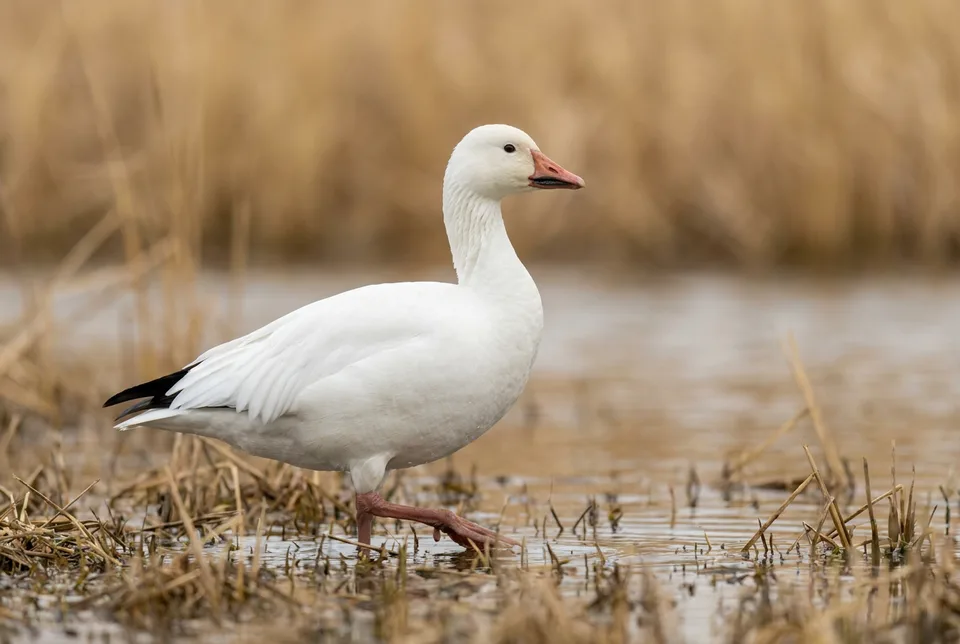
Snow Goose in wetland habitat — Columbia, Mississippi, River Cruises wildlifeAI-modified
Home›River Cruises›River Wildlife›Snow Goose

Snow GooseAnser caerulescensWhere and when to see them

Previous speciesSnail KiteNext speciesSnowy Egret

Snow Goose at a glance

A Snow Goose flock is often a landscape-scale event, with calling birds covering open water or fields before lifting into a shifting cloud. Yet individual identification still matters: the species includes both white birds with black flight feathers and dark blue-morph birds with white heads. Cornell emphasises that these are colour forms of one species, not separate geese. The river registry places Snow Goose at specific North American wetland reaches rather than promising enormous flocks everywhere along either basin. Search accessible open water and nearby feeding land, listening for calls overhead. A dramatic distant flock can be memorable without every member being identifiable, particularly where other white geese are mixed in.
Behaviour & reproduction

Size
Not verified
Weight
Not verified
Lifespan
Not verified
Status
Not verified

Snow Geese feed socially and move between resting water and open feeding areas. Their broad movements can create impressive passing flocks, while settled birds graze or dig for plant parts. Cornell describes colonial breeding on northern tundra and family movements into food-rich brood-rearing areas after hatch. The female chooses a nest site with the male accompanying her, generally seeking a sheltered position on ground that avoids flooding. White and blue-morph birds can occur together, so colour diversity within a flock is not evidence of several species. Watch natural flock movements from a fixed position rather than walking towards the group to create a mass takeoff.

Top wildlife locations

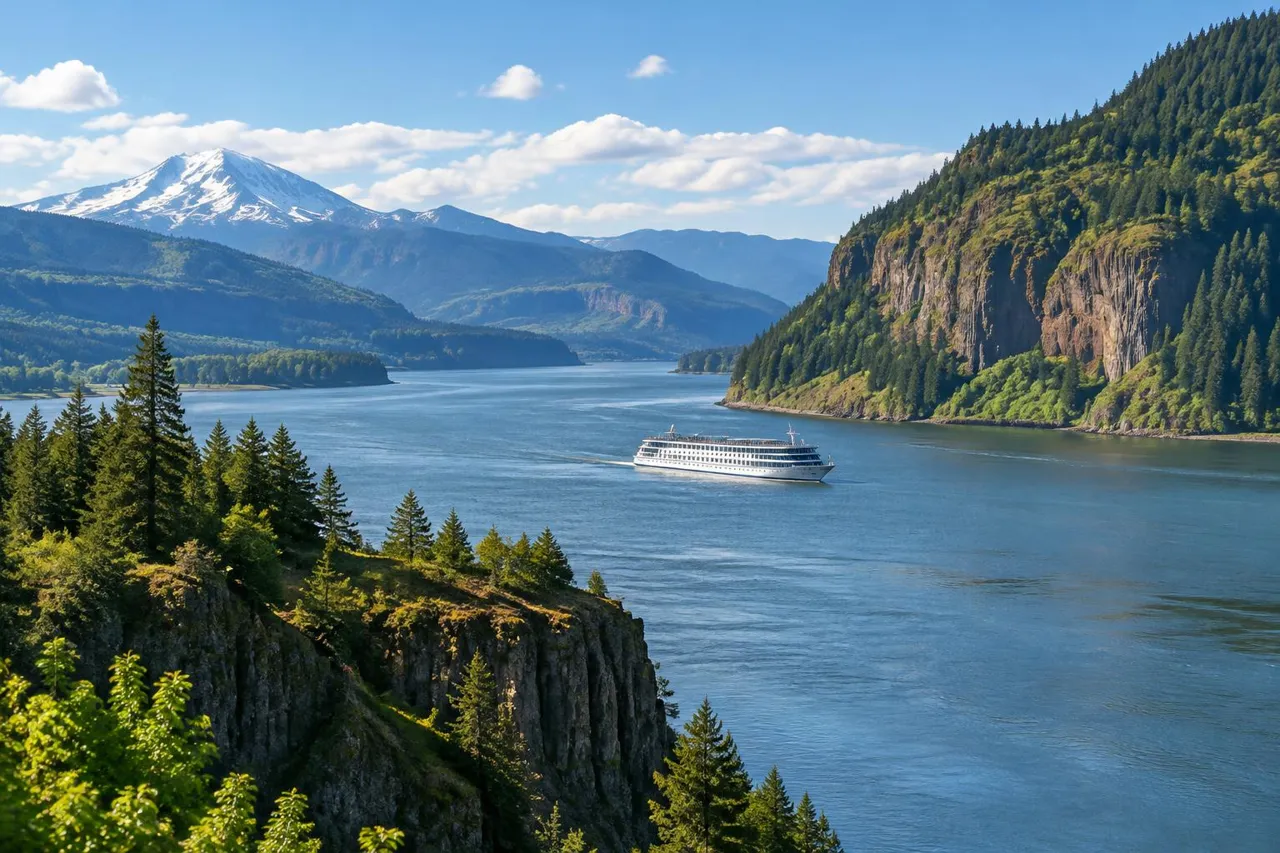
Columbia river landscape — River Cruises wildlife habitatAI-modified

Columbia

Most records cover Umatilla refuge backwaters along the Columbia near Boardman–Irrigon. Seasonal waterfowl may be best in winter rather than the sailing season. Bighorn sheep require a separate Hells Canyon excursion on the Snake River.
Explore river cruises
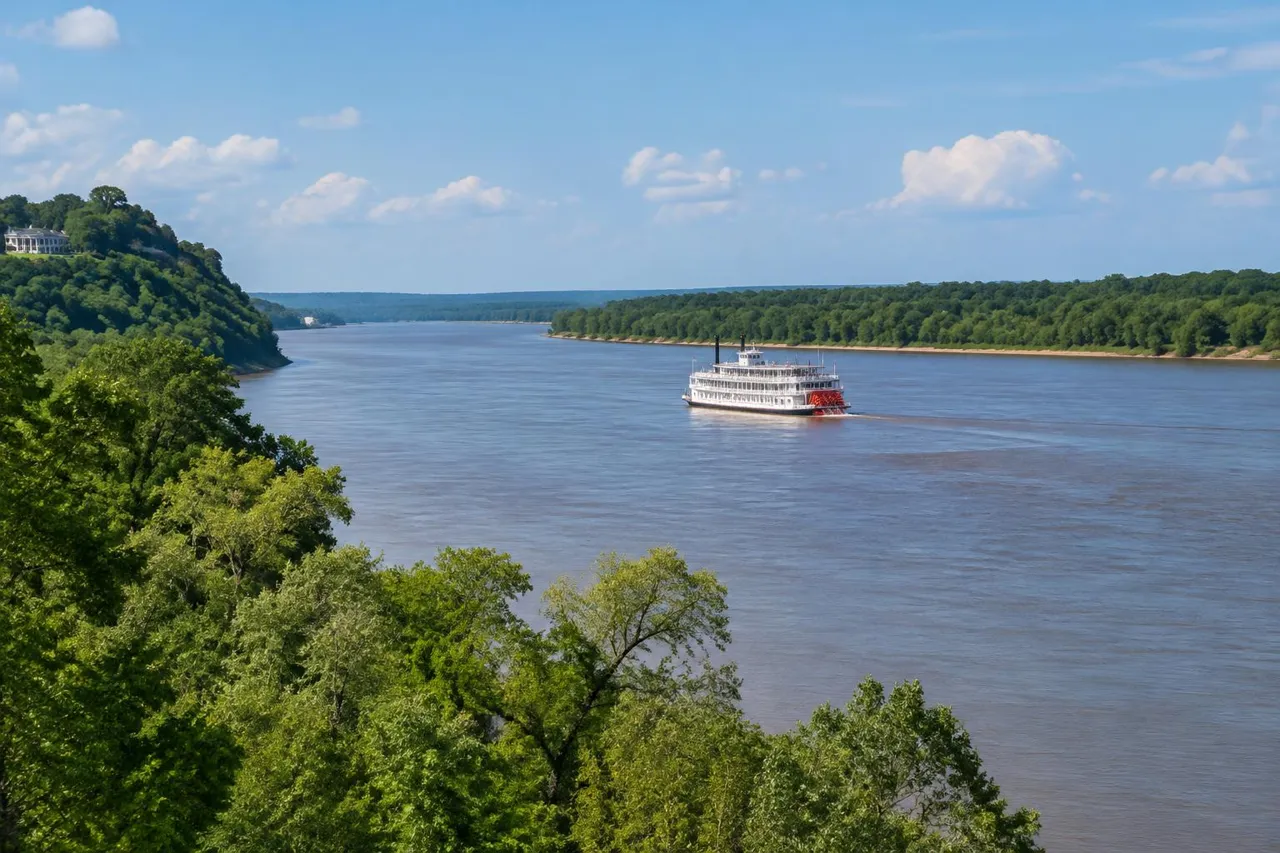
Mississippi river landscape — River Cruises wildlife habitatAI-modified

Mississippi

Upper Mississippi refuge records cover Wabasha–Rock Island; the smaller Lower Mississippi subset is limited to the Natchez area. Backwater/refuge visits and the season matter; upper-river fauna is not promised on a New Orleans sailing.

Explore river cruises

Destinations describe the species' habitat, not guaranteed cruise stops. Some animals require an optional inland excursion or are found in restricted reserves.

Fun facts about the Snow Goose

  • White and blue morphs belong to one species.
  • Blue-morph adults have white heads.
  • White-morph adults have black flight feathers.
  • The diet is mainly plant material.
  • Roots and tubers are eaten.
  • Agricultural grain is also used.
  • Breeding is colonial on northern tundra.
  • Migrating birds use fields and wetlands.
  • Families move into brood-rearing feeding areas after hatch.

Best time to see the Snow Goose

No numerical local viewing calendar is verified for the registered Columbia, Mississippi associations. Cornell recommends looking in open water and fields on migration and wintering grounds. Flocks can be highly mobile; an impressive passage at one site is not a recurring monthly peak for the whole river.

Snow Goose: season matrix by destination

Highlighted months reflect the stated local evidence, not guaranteed encounters. Neutral months mean no verified monthly viewing window, not absence. Observation records and recommended viewing windows are distinct.

Columbia

No river-specific wildlife calendar is confirmed. Check the actual river reach, local conditions and excursion access with your operator.

JanFebMarAprMayJunJulAugSepOctNovDec
Explore river cruises

Mississippi

No river-specific wildlife calendar is confirmed. Check the actual river reach, local conditions and excursion access with your operator.

JanFebMarAprMayJunJulAugSepOctNovDec
Explore river cruises

Where the Snow Goose lives

Northern breeding colonies occupy coastal tundra near ponds, shallow lakes, streams and marshes. During migration the species uses open lakes, fields, protected marshes, slow rivers and sandbars; winter habitats include grassland, marine inlets, ponds and agricultural ground. This range explains why a river sighting may involve birds flying to a field rather than feeding in the channel. At the registered Columbia and Upper Mississippi reaches, use official overlooks to examine both resting water and visible open ground. Do not follow a flock onto private farmland or land on an occupied sandbar. Suitable habitat establishes where to search, not when a recurring local peak can be promised.

What the Snow Goose eats

Snow Geese mainly eat plants, taking leaves, stems, seeds, tubers and roots. They graze, shear vegetation and pull up plant material, using wetland and upland resources as opportunities change. Cornell also records agricultural grain and young crop stems during migration and winter, with some animal material such as fly larvae in the diet of goslings. A field full of feeding geese is therefore a natural part of the species’ modern feeding landscape. From a viewpoint, distinguish surface grazing from digging without claiming the exact plant when it is not visible. Do not supply grain or approach a feeding line: flock spacing and choice of patch are worth preserving as undisturbed observations.

Species at a glance

Common name
Snow Goose
Scientific name
Anser caerulescens
Animal group
Birds
Size
Not verified in the accessible source text.
Weight
Not verified in the accessible source text.
Lifespan
Wild lifespan not verified in the accessible source text.
Status
Current global conservation assessment not verified.
Identification
White-morph adults combine white body plumage with black flight feathers; blue-morph adults have dark bodies and white heads. Both forms belong to Snow Goose, and younger birds can look greyer and less crisp. Other white geese require careful comparison of size, bill and head structure, so a white body with dark wingtips is only the beginning. Study individuals at similar distances to avoid perspective errors within a flock. A folded wing can conceal much of the black, while glare can erase bill detail. Photograph uncertain birds in profile and retain a cautious goose identification if the features needed to separate similar species cannot be resolved.

Snow Goose: frequently asked questions

Where can I see the Snow Goose?
Columbia, Mississippi. Find a settled flock from a legal roadside or refuge viewpoint, then scan it slowly with a scope. Look for both white and dark colour forms and allow time to check unusual individuals rather than treating a flock as one undifferentiated mass. Overhead calls can draw attention to passage before birds become visible, but a noisy flight does not establish a local seasonal peak. Keep clear of roads and private field entrances when stopping. If birds raise their heads in unison or begin walking away, increase distance before the whole flock takes flight. A long quiet view of feeding and social movement gives more information than a brief spectacular flush.
When is the best time to see the Snow Goose?
No numerical local viewing calendar is verified for the registered Columbia, Mississippi associations. Cornell recommends looking in open water and fields on migration and wintering grounds. Flocks can be highly mobile; an impressive passage at one site is not a recurring monthly peak for the whole river.
How big does the Snow Goose get?
Not verified in the accessible source text.. Adult weight: Not verified in the accessible source text.. Size varies with age, sex and population.
How should I behave around the Snow Goose?
Find a settled flock from a legal roadside or refuge viewpoint, then scan it slowly with a scope. Look for both white and dark colour forms and allow time to check unusual individuals rather than treating a flock as one undifferentiated mass. Overhead calls can draw attention to passage before birds become visible, but a noisy flight does not establish a local seasonal peak. Keep clear of roads and private field entrances when stopping. If birds raise their heads in unison or begin walking away, increase distance before the whole flock takes flight. A long quiet view of feeding and social movement gives more information than a brief spectacular flush.
What does the Snow Goose eat?
Snow Geese mainly eat plants, taking leaves, stems, seeds, tubers and roots. They graze, shear vegetation and pull up plant material, using wetland and upland resources as opportunities change. Cornell also records agricultural grain and young crop stems during migration and winter, with some animal material such as fly larvae in the diet of goslings. A field full of feeding geese is therefore a natural part of the species’ modern feeding landscape. From a viewpoint, distinguish surface grazing from digging without claiming the exact plant when it is not visible. Do not supply grain or approach a feeding line: flock spacing and choice of patch are worth preserving as undisturbed observations.
Are wildlife sightings guaranteed on a river cruise?
No. Animals move freely and routes, weather, access restrictions and local conditions influence every outing. Confirm the actual itinerary and shore program before booking.

Compare wildlife in the same destinations

Explore other birds recorded in these destinations. Similar surroundings do not mean the animals share the same habits or viewing season.

Species comparison by animal group and destination
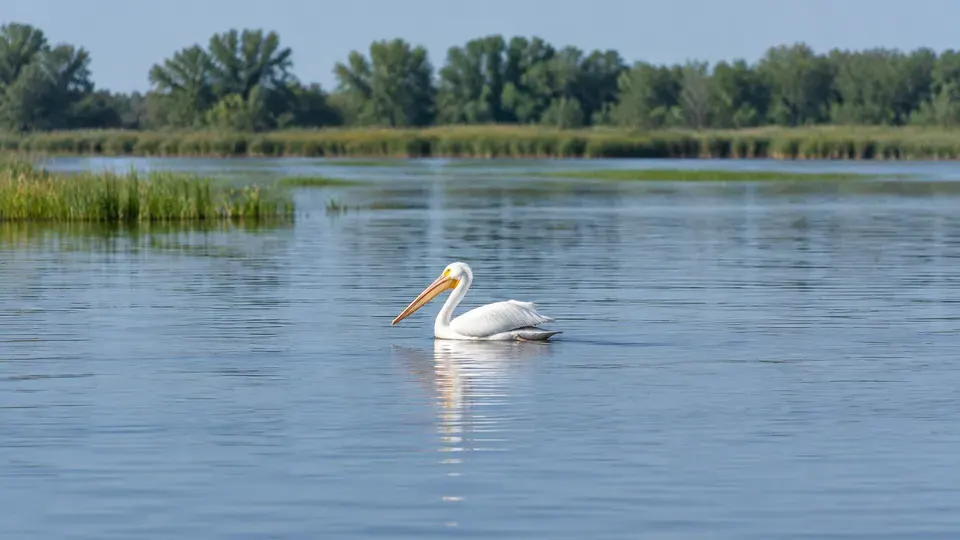
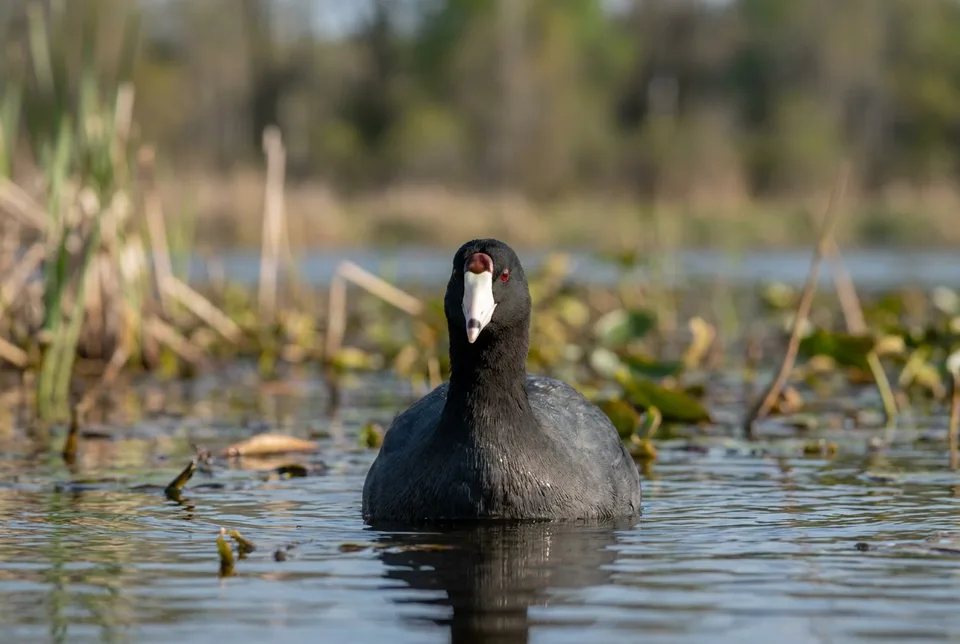
Snow Goose in wetland habitat — Columbia, Mississippi, River Cruises wildlifeAI-modifiedSnow GooseAmerican Coot in wetland habitat — Columbia, River Cruises wildlifeAI-modifiedAmerican CootAmerican white pelican in wetland habitat — Columbia, Mississippi, River Cruises wildlifeAI-modifiedAmerican White Pelican
Animal groupBirdsAnimal groupBirdsAnimal groupBirds
DestinationsColumbia, MississippiDestinationsColumbiaDestinationsColumbia, Mississippi
Scientific name
Anser caerulescens
Scientific name
Scientific name
Previous speciesSnail KiteNext speciesSnowy Egret
All river wildlife
On this page
  • 01About
  • 02Behaviour & reproduction
  • 03Top wildlife locations
  • 04Fun facts
  • 05Best season
  • 06Season matrix by destination
  • 07Habitat
  • 08Diet
  • 09Species at a glance
  • 10Questions & answers
  • 11Compare

Find your river cruise

AI-modified
Plan your trip

Find your next river journey

Compare destinations, shore programs and dates with the animals and habitats you would love to see.

  • Daily shore excursions
  • Responsible wildlife watching
  • Boutique river ships
Explore river cruises