Bluerides – Blue Rides - Book Liveaboards worldwideOCEAN ADVENTURES
River CruisesRiversNature & WildlifeOur Promise
River CruisesRiversNature & WildlifeOur PromiseSign In

River destinations

  • River destinations
  • Amazon
  • Danube
  • Rhine
  • Mekong
  • Nile

Ships & departures

  • River Cruise Search
  • Deals

Nature & Wildlife

  • Nature & Wildlife

Travel support

  • Our Promise
  • Contact

Contact

Get in Touch

Get in touch anytime, we're happy to help you find the right trip or sort out any question.

EmailWrite us, we usually reply within a few hours.
contact@bluerides.com
WhatsAppChat with us on WhatsApp, Mon–Fri 10:00–16:00 (CET).
Start WhatsApp Chat
PhoneCall us, we're happy to help.
Free call, Mon–Fri 10 AM – 8 PM (CET).
Europe+49 800 1144 990USA+1 888 557 7735UK+44 800 707 4152Australia+61 2 8599 6113Canada+1 888 557 7735
Which river journey is yours?Answer 8 quick questions and find the river cruise that fits you.
8 questions, 1 minute·Plus Gift
Secure Payment MethodsYour payments are fully secured with AES-256 encryption.
Powered byStripeWiseAMEXPayGoogle PaySEPABank
Imprint·Terms & Conditions·Privacy Policy·About·Contact·Liability Waiver·Affiliate Program·Cruise·Blog·
Visit us here

© 2026 Blue Rides. All rights reserved.

Bluerides – Blue Rides - Book Liveaboards worldwideOCEAN ADVENTURES
River CruisesRiversNature & WildlifeOur Promise
River CruisesRiversNature & WildlifeOur PromiseSign In
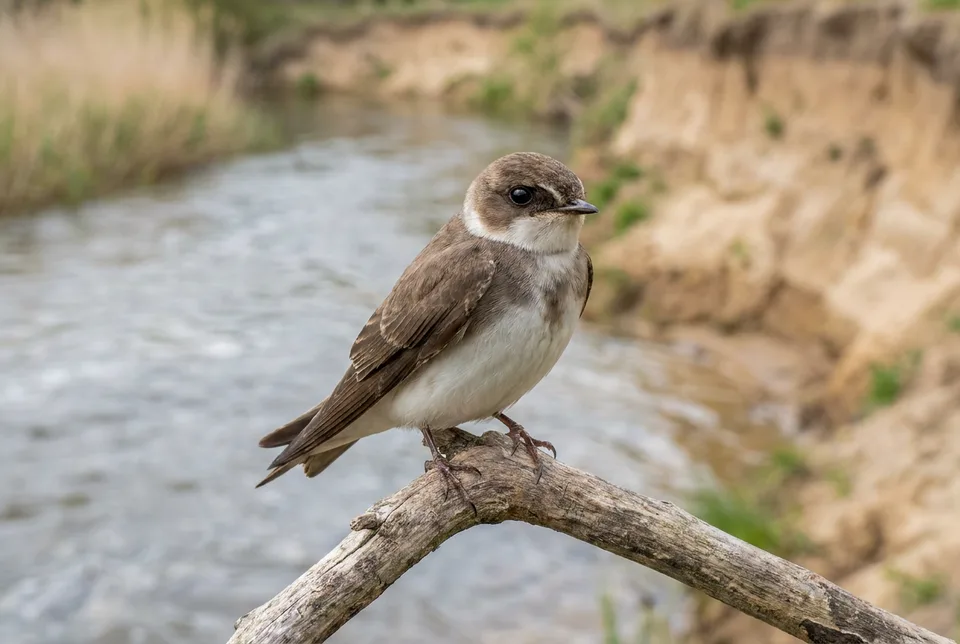
Sand Martin in wetland habitat — Seine, River Cruises wildlifeAI-modified
Home›River Cruises›River Wildlife›Sand Martin

Sand MartinRiparia ripariaWhere and when to see them

Previous speciesRufescent Tiger HeronNext speciesSanderling

Sand Martin at a glance

The Sand Martin is the same species called Bank Swallow in North America. It is a small, brown aerial insectivore whose association with rivers depends on both feeding space and suitable nesting banks. The Seine registration is specifically Grande Noë at Val-de-Reuil, a gravel-pit lake within the Léry-Poses river loop, rather than unrestricted evidence along the navigable Seine. Species reference: https://www.allaboutbirds.org/guide/Bank_Swallow/overview
Behaviour & reproduction

Size
Species-specific body length not verified.
Weight
Species-specific weight not verified.
Lifespan
Species-specific lifespan not verified.
Status
Cornell identifies the North American population as a Common Bird in Steep Decline; a formal global category was not verified.

Colonial nesting is a defining feature. Birds excavate tunnels in sandy banks using the bill, feet and wings, and busy colonies can contain many closely spaced entrances. Away from a colony, rapid, fluttering flights over water bring them into mixed swallow flocks. A flock should be checked individually: not every small swallow over a lake is a Sand Martin.

Top wildlife locations

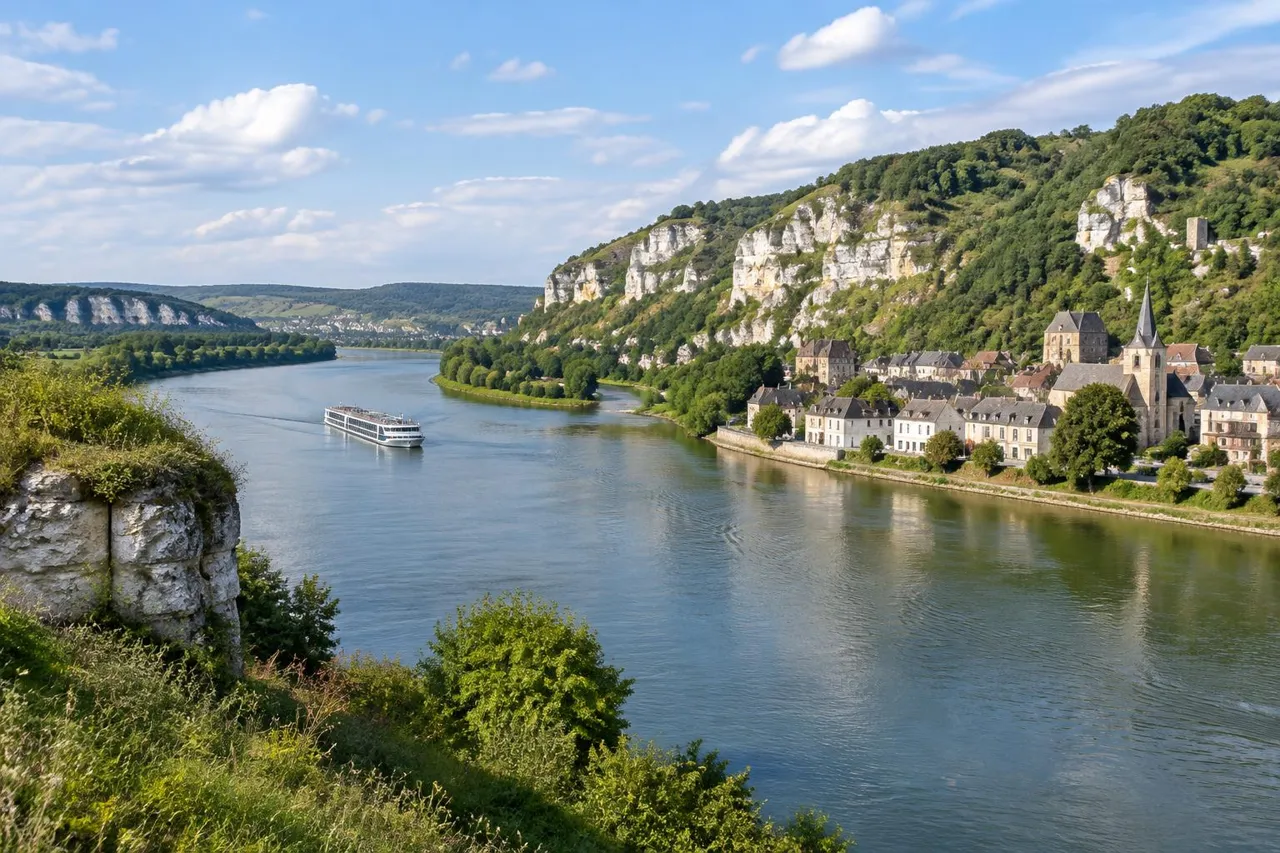
Seine river landscape — River Cruises wildlife habitatAI-modified

Seine

Grande Noë reserve, Val-de-Reuil, inside Seine loop at Léry-Poses between Les Andelys and Rouen; shore excursion to floodplain gravel-pit lake, not main-channel deck evidence. Spring/summer. Use public hides; sightings not guaranteed.
Explore river cruises

Destinations describe the species' habitat, not guaranteed cruise stops. Some animals require an optional inland excursion or are found in restricted reserves.

Fun facts about the Sand Martin

  • It is called Bank Swallow in North America.
  • The birds excavate their own nesting burrows.
  • Nesting colonies can be very large.
  • The breast band is an important field mark.
  • It feeds in flight.
  • Sand and gravel workings can provide nesting faces.

Best time to see the Sand Martin

The registry describes spring and summer opportunities. The reserve material retrieved did not establish a recurring, species-specific monthly calendar. Consequently the Seine month array remains empty; neither European migration dates nor the dates of individual reserve observations have been converted into local observation months.

Sand Martin: season matrix by destination

Highlighted months reflect the stated local evidence, not guaranteed encounters. Neutral months mean no verified monthly viewing window, not absence. Observation records and recommended viewing windows are distinct.

Seine

Spring/summer is qualitative registry guidance only. No recurring monthly source verified for Sand Martin at Grande Noë.

JanFebMarAprMayJunJulAugSepOctNovDec
Explore river cruises

Where the Sand Martin lives

Open water and open wet ground provide hunting space; exposed sandy banks supply nesting opportunities. Cornell also describes use of artificial sand and gravel piles. The Grande Noë visit is to a managed floodplain reserve, so the relevant landscape is the lake margin and its surroundings, not the wake of the cruise vessel or every steep riverbank.

What the Sand Martin eats

Flying insects are caught on the wing. Watch the bird change direction rather than expecting it to settle on vegetation to feed. No Grande Noë prey analysis or dietary percentages were verified. Insect abundance and suitable nesting substrate are separate requirements: a productive lake does not establish that a colony occupies its banks.

Species at a glance

Common name
Sand Martin
Scientific name
Riparia riparia
Animal group
Birds
Size
Species-specific body length not verified.
Weight
Species-specific weight not verified.
Lifespan
Species-specific lifespan not verified.
Status
Cornell identifies the North American population as a Common Bird in Steep Decline; a formal global category was not verified.
Identification
Brown upperparts, white underparts and a distinct brown band across the upper breast are the principal combination. Small size, a shallowly forked tail and quick wingbeats support identification. A shaded bird can appear much darker; obtain a clear breast view before separating it from other brownish swallows.

Sand Martin: frequently asked questions

Where can I see the Sand Martin?
Seine. Use the public hides at Grande Noë and scan low over the lake. Follow one bird long enough to see the breast band, then compare neighbouring swallows. Keep clear of any occupied nesting face: approaching tunnel entrances can interrupt traffic and destabilise sandy substrate. Ask reserve staff about current access and colony activity.
When is the best time to see the Sand Martin?
The registry describes spring and summer opportunities. The reserve material retrieved did not establish a recurring, species-specific monthly calendar. Consequently the Seine month array remains empty; neither European migration dates nor the dates of individual reserve observations have been converted into local observation months.
How big does the Sand Martin get?
Species-specific body length not verified.. Adult weight: Species-specific weight not verified.. Size varies with age, sex and population.
How should I behave around the Sand Martin?
Use the public hides at Grande Noë and scan low over the lake. Follow one bird long enough to see the breast band, then compare neighbouring swallows. Keep clear of any occupied nesting face: approaching tunnel entrances can interrupt traffic and destabilise sandy substrate. Ask reserve staff about current access and colony activity.
What does the Sand Martin eat?
Flying insects are caught on the wing. Watch the bird change direction rather than expecting it to settle on vegetation to feed. No Grande Noë prey analysis or dietary percentages were verified. Insect abundance and suitable nesting substrate are separate requirements: a productive lake does not establish that a colony occupies its banks.
Are wildlife sightings guaranteed on a river cruise?
No. Animals move freely and routes, weather, access restrictions and local conditions influence every outing. Confirm the actual itinerary and shore program before booking.

Compare wildlife in the same destinations

Explore other birds recorded in these destinations. Similar surroundings do not mean the animals share the same habits or viewing season.

Species comparison by animal group and destination
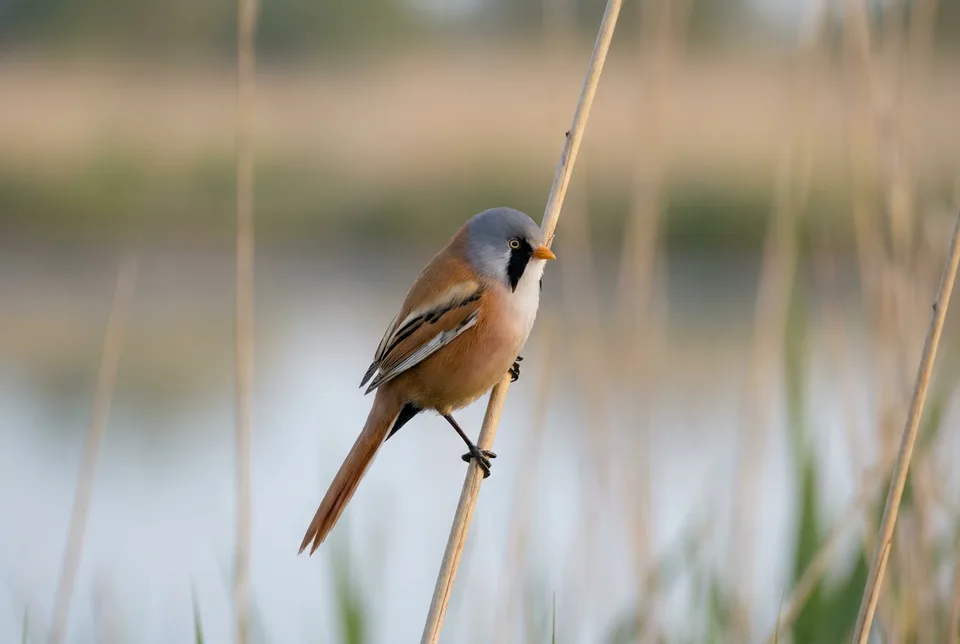
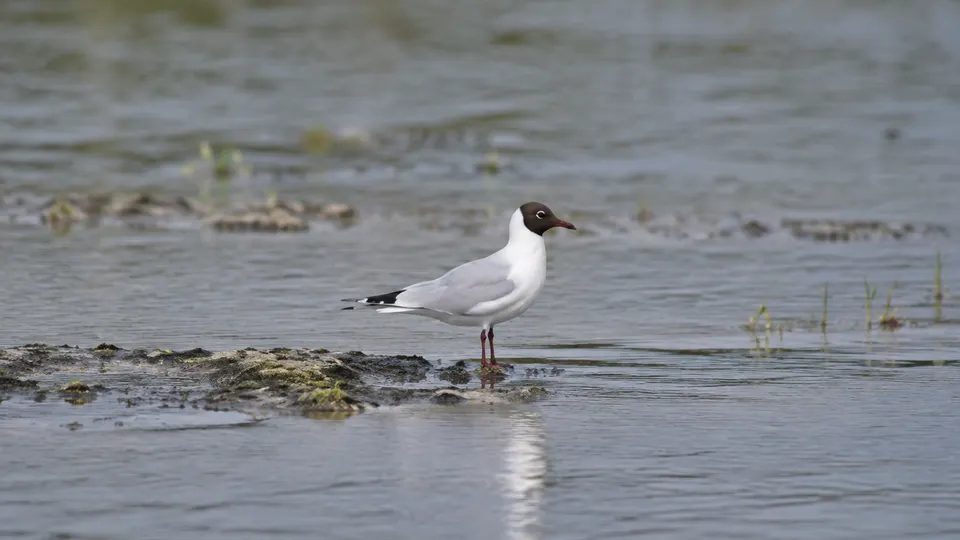
Sand Martin in wetland habitat — Seine, River Cruises wildlifeAI-modifiedSand MartinBearded Reedling in wetland habitat — Seine, River Cruises wildlifeAI-modifiedBearded ReedlingBlack-headed gull in wetland habitat — Saone, Seine, Nile, Douro, River Cruises wildlifeAI-modifiedBlack-Headed Gull
Animal groupBirdsAnimal groupBirdsAnimal groupBirds
DestinationsSeineDestinationsSeineDestinationsSaone, Seine, Nile, Douro
Scientific name
Riparia riparia
Scientific name
Scientific name
Previous speciesRufescent Tiger HeronNext speciesSanderling
All river wildlife
On this page
  • 01About
  • 02Behaviour & reproduction
  • 03Top wildlife locations
  • 04Fun facts
  • 05Best season
  • 06Season matrix by destination
  • 07Habitat
  • 08Diet
  • 09Species at a glance
  • 10Questions & answers
  • 11Compare

Find your river cruise

AI-modified
Plan your trip

Find your next river journey

Compare destinations, shore programs and dates with the animals and habitats you would love to see.

  • Daily shore excursions
  • Responsible wildlife watching
  • Boutique river ships
Explore river cruises