Bluerides – Blue Rides - Book Liveaboards worldwideOCEAN ADVENTURES
River CruisesRiversNature & WildlifeOur Promise
River CruisesRiversNature & WildlifeOur PromiseSign In

River destinations

  • River destinations
  • Amazon
  • Danube
  • Rhine
  • Mekong
  • Nile

Ships & departures

  • River Cruise Search
  • Deals

Nature & Wildlife

  • Nature & Wildlife

Travel support

  • Our Promise
  • Contact

Contact

Get in Touch

Get in touch anytime, we're happy to help you find the right trip or sort out any question.

EmailWrite us, we usually reply within a few hours.
contact@bluerides.com
WhatsAppChat with us on WhatsApp, Mon–Fri 10:00–16:00 (CET).
Start WhatsApp Chat
PhoneCall us, we're happy to help.
Free call, Mon–Fri 10 AM – 8 PM (CET).
Europe+49 800 1144 990USA+1 888 557 7735UK+44 800 707 4152Australia+61 2 8599 6113Canada+1 888 557 7735
Which river journey is yours?Answer 8 quick questions and find the river cruise that fits you.
8 questions, 1 minute·Plus Gift
Secure Payment MethodsYour payments are fully secured with AES-256 encryption.
Powered byStripeWiseAMEXPayGoogle PaySEPABank
Imprint·Terms & Conditions·Privacy Policy·About·Contact·Liability Waiver·Affiliate Program·Cruise·Blog·
Visit us here

© 2026 Blue Rides. All rights reserved.

Bluerides – Blue Rides - Book Liveaboards worldwideOCEAN ADVENTURES
River CruisesRiversNature & WildlifeOur Promise
River CruisesRiversNature & WildlifeOur PromiseSign In
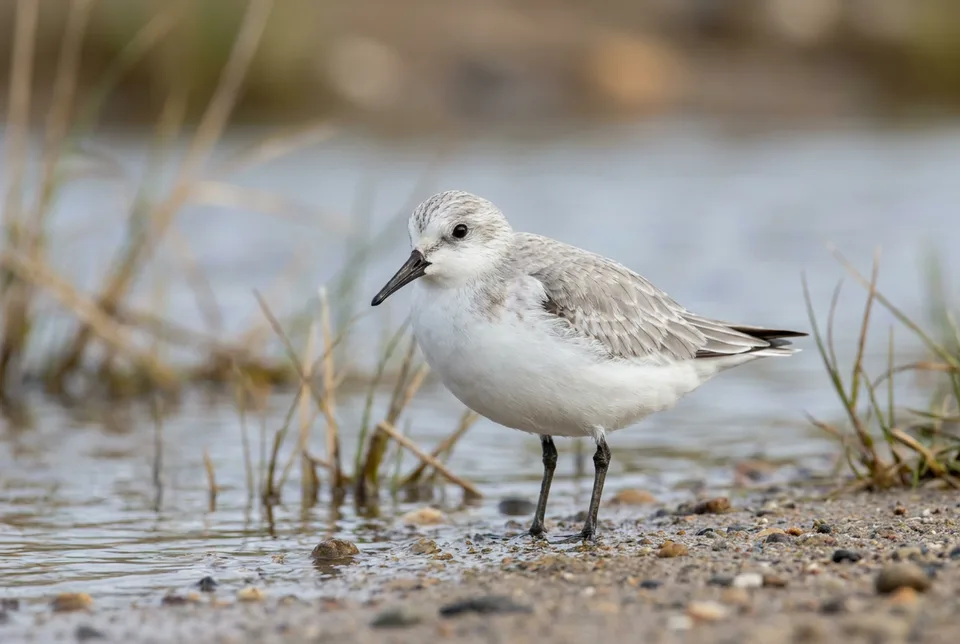
Sanderling in wetland habitat — Douro, River Cruises wildlifeAI-modified
Home›River Cruises›River Wildlife›Sanderling

SanderlingCalidris albaWhere and when to see them

Previous speciesSand MartinNext speciesSandhill Crane

Sanderling at a glance

Sanderlings are compact shorebirds strongly associated with sandy wave edges. Their stop-start running makes them conspicuous even when pale plumage almost disappears against wet sand. This Douro association concerns the estuary reserve at Porto and Vila Nova de Gaia, including Afurada, Cabedelo and São Paio. It does not extend to the inland Régua–Pinhão cruise reach. Species reference: https://www.allaboutbirds.org/guide/Sanderling/lifehistory
Behaviour & reproduction

Size
Species-specific body length not verified.
Weight
Species-specific weight not verified.
Lifespan
British ringing records document an individual surviving at least 17 years 7 months; this is a record, not average lifespan (https://wwrg.org.uk/species/sanderling).
Status
The Douro reserve account describes it as Least Concern; assessment date not verified.

Birds follow retreating water to seize exposed prey, then run back before the next wave. Feeding groups may move in loose synchrony without maintaining fixed positions. At higher water, birds can rest together above the feeding margin. Resting flocks need space just as feeding birds do; repeated displacement wastes time and energy.

Top wildlife locations

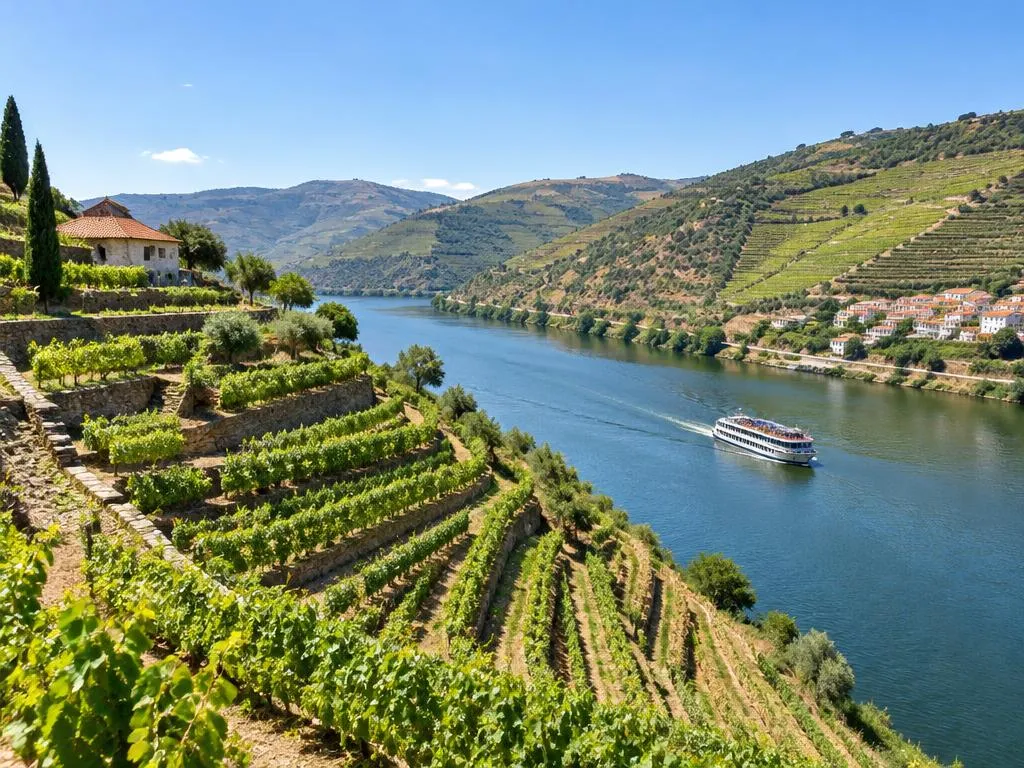
Douro river landscape — River Cruises wildlife habitatAI-modified

Douro

Porto / Vila Nova de Gaia: Douro estuary reserve, Afurada–Cabedelo–São Paio; NOT a claim for inland Régua–Pinhão Accessible Porto shore visit with paths and hides; waders/gulls concentrated at low tide and migration/winter. Osprey and Short-eared Owl irregular/seasonal; no guaranteed sightings.
Explore river cruises

Destinations describe the species' habitat, not guaranteed cruise stops. Some animals require an optional inland excursion or are found in restricted reserves.

Fun facts about the Sanderling

  • It breeds in the High Arctic.
  • It feeds along retreating waves.
  • Small crustaceans are among its prey.
  • Winter plumage is strikingly pale.
  • Spring plumage can become rusty.
  • The local reserve publishes explicit observation-probability months.

Best time to see the Sanderling

The municipal reserve account provides an unusually specific local recurring guide: higher observation probability in May and August through December. Those six months are retained exactly, not expanded using Portugal-wide winter dates. This is a guide to relative opportunity, not a statement that birds are absent during all other months.

Sanderling: season matrix by destination

Highlighted months reflect the stated local evidence, not guaranteed encounters. Neutral months mean no verified monthly viewing window, not absence. Observation records and recommended viewing windows are distinct.

Douro

Municipal Douro estuary reserve account explicitly gives these higher-probability months. This is not an exhaustive presence calendar and is not evidence for inland Régua–Pinhão.

JanFebMarAprMayJunJulAugSepOctNovDec
Explore river cruises

Where the Sanderling lives

Sandy beaches are characteristic nonbreeding habitat, although tidal flats and other shores are also used. High Arctic nesting habitat is very different, including tundra near freshwater. At the Douro mouth, assess the actual available shoreline and reserve boundaries rather than assuming all exposed sediment is equally suitable. A coastal shore excursion is required.

What the Sanderling eats

Cornell lists small crustaceans, worms and molluscs among the foods. Birds pick stranded animals from the surface and probe wet sand for buried prey. Insects and some plant foods also occur in the wider diet. These general dietary observations do not quantify prey use in the Douro reserve; a local feeding study was not verified.

Species at a glance

Common name
Sanderling
Scientific name
Calidris alba
Animal group
Birds
Size
Species-specific body length not verified.
Weight
Species-specific weight not verified.
Lifespan
British ringing records document an individual surviving at least 17 years 7 months; this is a record, not average lifespan (https://wwrg.org.uk/species/sanderling).
Status
The Douro reserve account describes it as Least Concern; assessment date not verified.
Identification
Nonbreeding birds are very pale with black legs and a short, straight black bill; a dark shoulder patch can stand out. Spring birds may show rusty colour on the head and upperparts. Running behaviour is helpful but not sufficient: compare body proportions and bill shape with other small shorebirds.

Sanderling: frequently asked questions

Where can I see the Sanderling?
Douro. Watch from reserve paths and hides with a telescope or binoculars. Let birds approach along the tide edge rather than walking through the flock. Check both feeding sand and undisturbed roosting areas. Dogs and people crossing the upper beach can displace resting birds, so respect all signed exclusions and keep a generous distance.
When is the best time to see the Sanderling?
The municipal reserve account provides an unusually specific local recurring guide: higher observation probability in May and August through December. Those six months are retained exactly, not expanded using Portugal-wide winter dates. This is a guide to relative opportunity, not a statement that birds are absent during all other months.
How big does the Sanderling get?
Species-specific body length not verified.. Adult weight: Species-specific weight not verified.. Size varies with age, sex and population.
How should I behave around the Sanderling?
Watch from reserve paths and hides with a telescope or binoculars. Let birds approach along the tide edge rather than walking through the flock. Check both feeding sand and undisturbed roosting areas. Dogs and people crossing the upper beach can displace resting birds, so respect all signed exclusions and keep a generous distance.
What does the Sanderling eat?
Cornell lists small crustaceans, worms and molluscs among the foods. Birds pick stranded animals from the surface and probe wet sand for buried prey. Insects and some plant foods also occur in the wider diet. These general dietary observations do not quantify prey use in the Douro reserve; a local feeding study was not verified.
Are wildlife sightings guaranteed on a river cruise?
No. Animals move freely and routes, weather, access restrictions and local conditions influence every outing. Confirm the actual itinerary and shore program before booking.

Compare wildlife in the same destinations

Explore other birds recorded in these destinations. Similar surroundings do not mean the animals share the same habits or viewing season.

Species comparison by animal group and destination
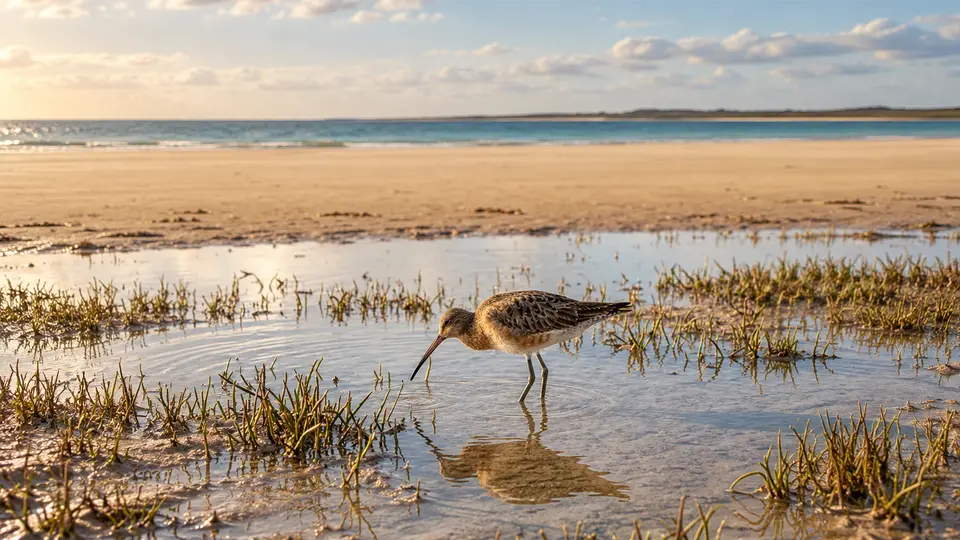
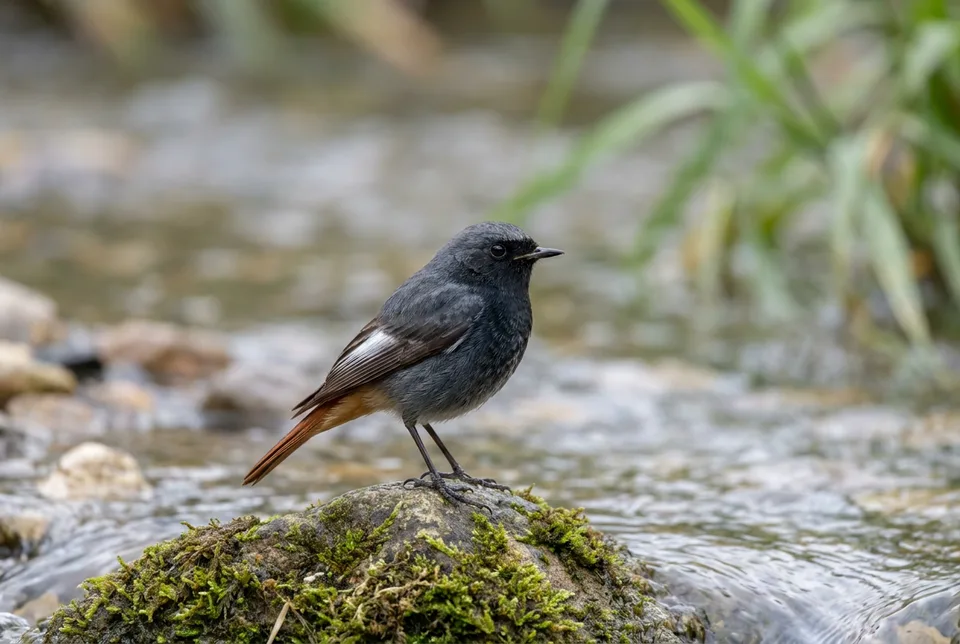
Sanderling in wetland habitat — Douro, River Cruises wildlifeAI-modifiedSanderlingBar-tailed godwit in wetland habitat — Douro, River Cruises wildlifeAI-modifiedBar-tailed godwitBlack Redstart in wetland habitat — Saone, Douro, River Cruises wildlifeAI-modifiedBlack Redstart
Animal groupBirdsAnimal groupBirdsAnimal groupBirds
DestinationsDouroDestinationsDouroDestinationsSaone, Douro
Scientific name
Calidris alba
Scientific name
Scientific name
Previous speciesSand MartinNext speciesSandhill Crane
All river wildlife
On this page
  • 01About
  • 02Behaviour & reproduction
  • 03Top wildlife locations
  • 04Fun facts
  • 05Best season
  • 06Season matrix by destination
  • 07Habitat
  • 08Diet
  • 09Species at a glance
  • 10Questions & answers
  • 11Compare

Find your river cruise

AI-modified
Plan your trip

Find your next river journey

Compare destinations, shore programs and dates with the animals and habitats you would love to see.

  • Daily shore excursions
  • Responsible wildlife watching
  • Boutique river ships
Explore river cruises