Bluerides – Blue Rides - Book Liveaboards worldwideOCEAN ADVENTURES
River CruisesRiversNature & WildlifeOur Promise
River CruisesRiversNature & WildlifeOur PromiseSign In

River destinations

  • River destinations
  • Amazon
  • Danube
  • Rhine
  • Mekong
  • Nile

Ships & departures

  • River Cruise Search
  • Deals

Nature & Wildlife

  • Nature & Wildlife

Travel support

  • Our Promise
  • Contact

Contact

Get in Touch

Get in touch anytime, we're happy to help you find the right trip or sort out any question.

EmailWrite us, we usually reply within a few hours.
contact@bluerides.com
WhatsAppChat with us on WhatsApp, Mon–Fri 10:00–16:00 (CET).
Start WhatsApp Chat
PhoneCall us, we're happy to help.
Free call, Mon–Fri 10 AM – 8 PM (CET).
Europe+49 800 1144 990USA+1 888 557 7735UK+44 800 707 4152Australia+61 2 8599 6113Canada+1 888 557 7735
Which river journey is yours?Answer 8 quick questions and find the river cruise that fits you.
8 questions, 1 minute·Plus Gift
Secure Payment MethodsYour payments are fully secured with AES-256 encryption.
Powered byStripeWiseAMEXPayGoogle PaySEPABank
Imprint·Terms & Conditions·Privacy Policy·About·Contact·Liability Waiver·Affiliate Program·Cruise·Blog·
Visit us here

© 2026 Blue Rides. All rights reserved.

Bluerides – Blue Rides - Book Liveaboards worldwideOCEAN ADVENTURES
River CruisesRiversNature & WildlifeOur Promise
River CruisesRiversNature & WildlifeOur PromiseSign In
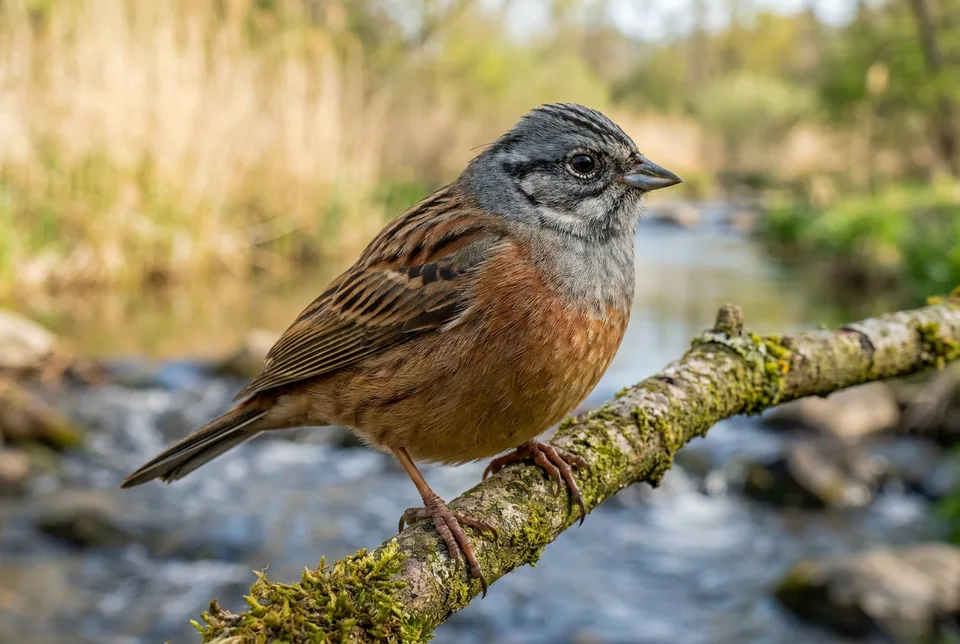
Rock Bunting in wetland habitat — Rhine, River Cruises wildlifeAI-modified
Home›River Cruises›River Wildlife›Rock Bunting

Rock BuntingEmberiza ciaWhere and when to see them

Previous speciesRinged KingfisherNext speciesRuddy Duck

Rock Bunting at a glance

The Rock Bunting is a patterned-headed songbird associated with rocky open ground. The Middle Rhine vineyard slopes between Rüdesheim and Lorchhausen form the registered setting, where a shore walk is needed. Its presence is not a reason to expect a small bunting to be identifiable from the cruise deck. Species reference: https://en.wikipedia.org/wiki/Rock_bunting

Behaviour & reproduction

Size
About 16 cm (6.3 in) long.
Weight
Species-specific weight not verified.
Lifespan
Species-specific lifespan not verified.
Status
Least Concern, BirdLife global assessment (2024).

Birds forage on or near the ground and may sing from an exposed perch. Ground nesting means apparently empty stony vegetation can still be sensitive habitat. Remain on established paths and avoid following an adult that seems reluctant to leave a small patch. A carrying-food observation is a reason to retreat.

Top wildlife locations

Rhine river landscape — River Cruises wildlife habitatAI-modified

Rhine

Middle Rhine: Rüdesheim–Lorchhausen vineyard slopes; optional uphill shore excursion, not boat-deck expectation. Spring/summer; search vineyard and scrub paths; uncommon/local; no guaranteed sightings.
Explore river cruises

Destinations describe the species' habitat, not guaranteed cruise stops. Some animals require an optional inland excursion or are found in restricted reserves.

Fun facts about the Rock Bunting

  • Males have strongly striped grey heads.
  • The underparts are warm buff.
  • Rocky slopes are characteristic habitat.
  • Seeds are an important food.
  • Insects are fed to young.
  • The registered Rhine viewing requires a shore excursion.

Best time to see the Rock Bunting

The registry gives broad spring and summer guidance. Monitoring confirms local breeding importance but its survey dates do not establish a recurring observation range. Numerical months remain empty. Different populations’ movements and nesting dates cannot be transferred to this particular Middle Rhine slope.

Rock Bunting: season matrix by destination

Highlighted months reflect the stated local evidence, not guaranteed encounters. Neutral months mean no verified monthly viewing window, not absence. Observation records and recommended viewing windows are distinct.

Rhine

Local monitoring supports occurrence in these vineyard slopes. Breeding evidence and survey dates are not converted into observation months.

JanFebMarAprMayJunJulAugSepOctNovDec
Explore river cruises

Where the Rock Bunting lives

Open dry rocky slopes are characteristic habitat. Local monitoring describes a mosaic of vineyards, rock faces, scrub and small wooded areas. That mixture helps explain the Rhine association more accurately than a generic label such as riverside bird. Habitat suitability does not establish a current bird on a particular terrace.

What the Rock Bunting eats

Seeds form an important part of the diet, with insects used when feeding young. This broad distinction is not a local seasonal food calendar. No measured prey composition for the registered vineyards was verified. Avoid clearing vegetation or scattering seed to obtain a ground-level photograph.

Species at a glance

Common name
Rock Bunting
Scientific name
Emberiza cia
Animal group
Birds
Size
About 16 cm (6.3 in) long.
Weight
Species-specific weight not verified.
Lifespan
Species-specific lifespan not verified.
Status
Least Concern, BirdLife global assessment (2024).
Identification
The male’s grey head carries strong black stripes, contrasting with warm buff underparts and a chestnut-toned back. Females are paler and less sharply patterned; juveniles add further uncertainty. Compare head stripes and body pattern together rather than assigning every buff bird on a rocky slope to this species.

Rock Bunting: frequently asked questions

Where can I see the Rock Bunting?
Rhine. Use binoculars to check low rocks, wall edges and open perches along permitted vineyard paths. Listen before moving towards a singing bird. Steep terrain and working vineyards require attention to access and safety as well as wildlife. Do not climb retaining walls or enter private rows for a closer view.
When is the best time to see the Rock Bunting?
The registry gives broad spring and summer guidance. Monitoring confirms local breeding importance but its survey dates do not establish a recurring observation range. Numerical months remain empty. Different populations’ movements and nesting dates cannot be transferred to this particular Middle Rhine slope.
How big does the Rock Bunting get?
About 16 cm (6.3 in) long.. Adult weight: Species-specific weight not verified.. Size varies with age, sex and population.
How should I behave around the Rock Bunting?
Use binoculars to check low rocks, wall edges and open perches along permitted vineyard paths. Listen before moving towards a singing bird. Steep terrain and working vineyards require attention to access and safety as well as wildlife. Do not climb retaining walls or enter private rows for a closer view.
What does the Rock Bunting eat?
Seeds form an important part of the diet, with insects used when feeding young. This broad distinction is not a local seasonal food calendar. No measured prey composition for the registered vineyards was verified. Avoid clearing vegetation or scattering seed to obtain a ground-level photograph.
Are wildlife sightings guaranteed on a river cruise?
No. Animals move freely and routes, weather, access restrictions and local conditions influence every outing. Confirm the actual itinerary and shore program before booking.

Compare wildlife in the same destinations

Explore other birds recorded in these destinations. Similar surroundings do not mean the animals share the same habits or viewing season.

Species comparison by animal group and destination
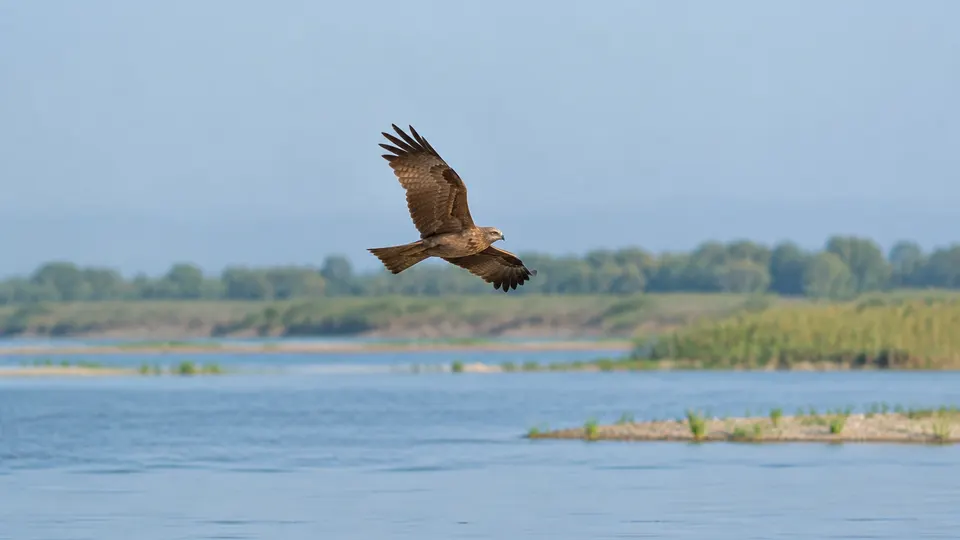
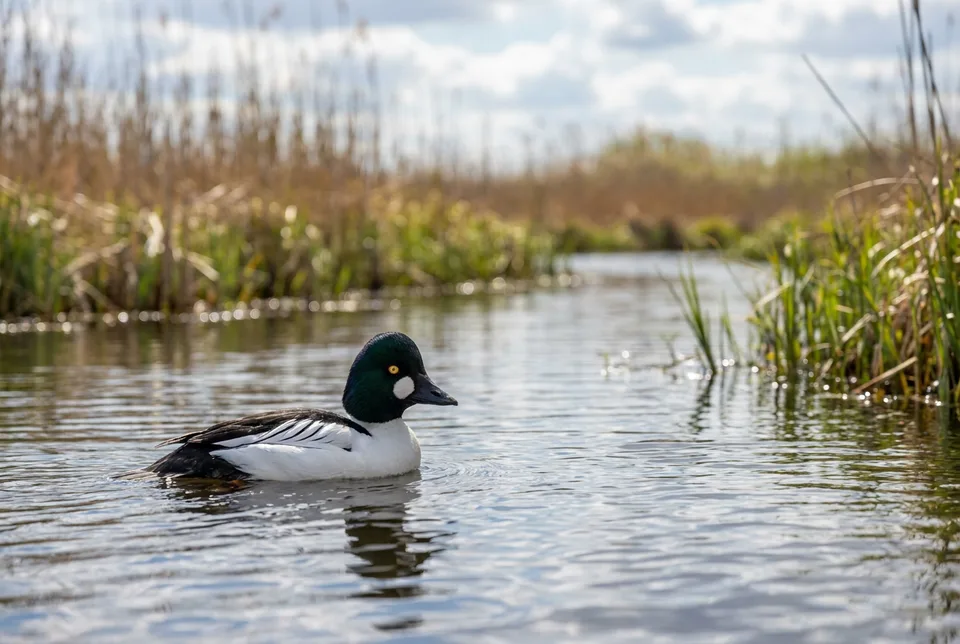
Rock Bunting in wetland habitat — Rhine, River Cruises wildlifeAI-modifiedRock BuntingBlack kite in wetland habitat — Danube, Rhine, River Cruises wildlifeAI-modifiedBlack KiteCommon Goldeneye in wetland habitat — Rhine, River Cruises wildlifeAI-modifiedCommon Goldeneye
Animal groupBirdsAnimal groupBirdsAnimal groupBirds
DestinationsRhineDestinationsDanube, RhineDestinationsRhine
Scientific name
Emberiza cia
Scientific name
Scientific name
Previous speciesRinged KingfisherNext speciesRuddy Duck
All river wildlife
On this page
  • 01About
  • 02Behaviour & reproduction
  • 03Top wildlife locations
  • 04Fun facts
  • 05Best season
  • 06Season matrix by destination
  • 07Habitat
  • 08Diet
  • 09Species at a glance
  • 10Questions & answers
  • 11Compare

Find your river cruise

AI-modified
Plan your trip

Find your next river journey

Compare destinations, shore programs and dates with the animals and habitats you would love to see.

  • Daily shore excursions
  • Responsible wildlife watching
  • Boutique river ships
Explore river cruises