Bluerides – Blue Rides - Book Liveaboards worldwideOCEAN ADVENTURES
River CruisesRiversNature & WildlifeOur Promise
River CruisesRiversNature & WildlifeOur PromiseSign In

River destinations

  • River destinations
  • Amazon
  • Danube
  • Rhine
  • Mekong
  • Nile

Ships & departures

  • River Cruise Search
  • Deals

Nature & Wildlife

  • Nature & Wildlife

Travel support

  • Our Promise
  • Contact

Contact

Get in Touch

Get in touch anytime, we're happy to help you find the right trip or sort out any question.

EmailWrite us, we usually reply within a few hours.
contact@bluerides.com
WhatsAppChat with us on WhatsApp, Mon–Fri 10:00–16:00 (CET).
Start WhatsApp Chat
PhoneCall us, we're happy to help.
Free call, Mon–Fri 10 AM – 8 PM (CET).
Europe+49 800 1144 990USA+1 888 557 7735UK+44 800 707 4152Australia+61 2 8599 6113Canada+1 888 557 7735
Which river journey is yours?Answer 8 quick questions and find the river cruise that fits you.
8 questions, 1 minute·Plus Gift
Secure Payment MethodsYour payments are fully secured with AES-256 encryption.
Powered byStripeWiseAMEXPayGoogle PaySEPABank
Imprint·Terms & Conditions·Privacy Policy·About·Contact·Liability Waiver·Affiliate Program·Cruise·Blog·
Visit us here

© 2026 Blue Rides. All rights reserved.

Bluerides – Blue Rides - Book Liveaboards worldwideOCEAN ADVENTURES
River CruisesRiversNature & WildlifeOur Promise
River CruisesRiversNature & WildlifeOur PromiseSign In
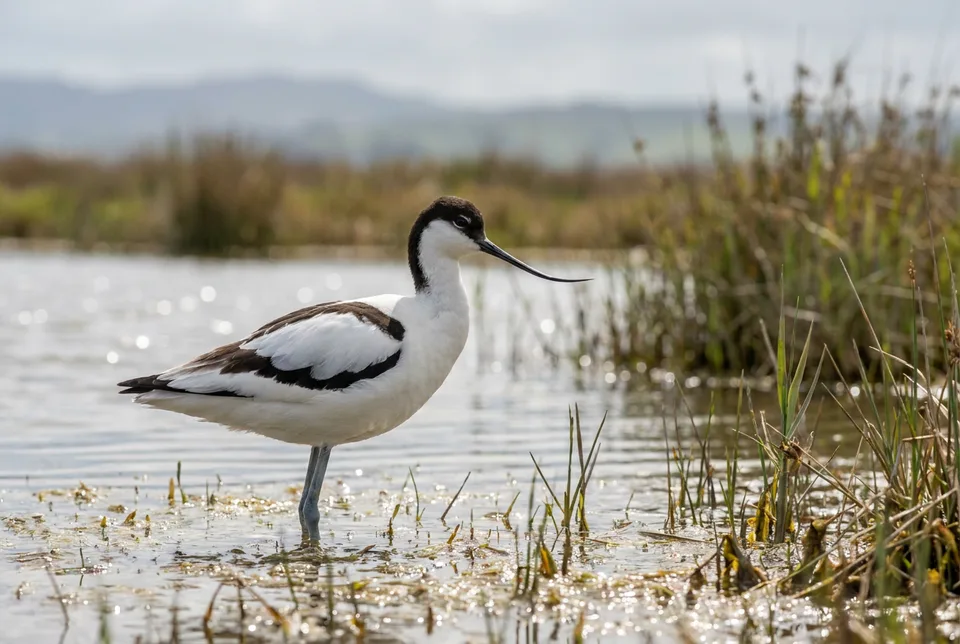
Pied Avocet in wetland habitat — Seine, River Cruises wildlifeAI-modified
Home›River Cruises›River Wildlife›Pied Avocet

Pied AvocetRecurvirostra avosettaWhere and when to see them

Previous speciesPeregrine FalconNext speciesPied Kingfisher

Pied Avocet at a glance

The Pied Avocet is a black-and-white wader with long bluish-grey legs and a fine bill curving upwards. That unusual bill gives the bird a distinctive feeding style as well as a striking silhouette. BTO gives a reference mass of 275 grams and lists the global category as Least Concern. The registered river association is the lower tidal Seine estuary towards Honfleur and Le Havre, including protected flats beyond the port. It is not a claim for Paris or the freshwater upper Seine. LPO Normandie describes the estuary as an important wintering location while also documenting a much reduced breeding presence: https://normandie.lpo.fr/oiseaux-de-normandie/inventaire-oiseaux-de-normandie-effectifs-et-populations/avocette-elegante/. Source: https://www.bto.org/learn/about-birds/birdfacts/avocet
Behaviour & reproduction

Size
Body length not verified.
Weight
275 g (9.7 oz) reference value; BTO BirdFacts.
Lifespan
Species-specific lifespan not verified.
Status
Least Concern globally, as listed by BTO.

Avocets often feed with repeated side-to-side bill movements in shallow water. Watching a group from a fixed viewpoint reveals how birds space themselves and move across a feeding patch without needing a close approach. BTO describes purposeful walking supported by the long legs. The Normandy account distinguishes nesting, migration and wintering occurrence, which should not be collapsed into a claim that all birds remain throughout the year. Breeding areas require particular care even when nests are hard to see. Avoid walking towards a group until it takes flight; displacement interrupts the very feeding behaviour visitors came to observe.

Top wildlife locations

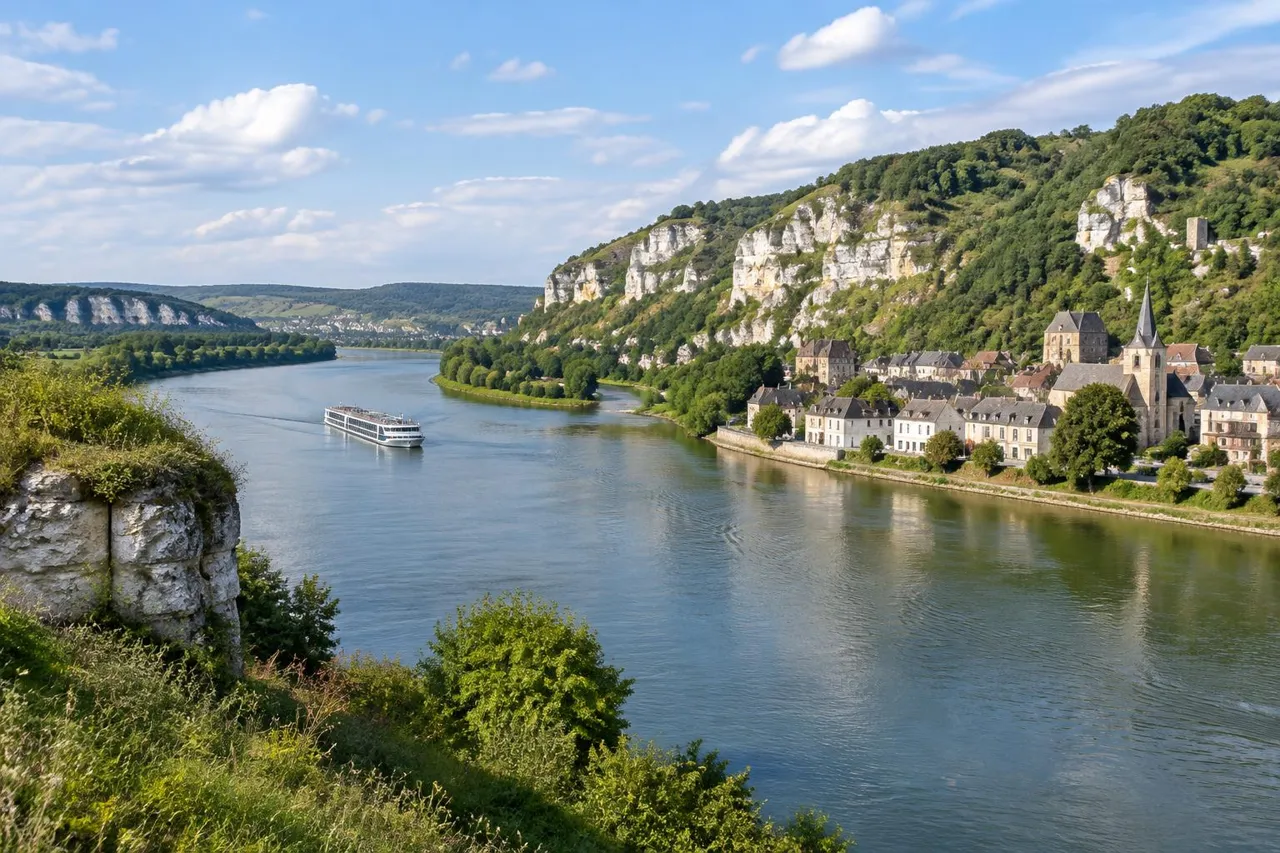
Seine river landscape — River Cruises wildlife habitatAI-modified

Seine

OPTIONAL ESTUARY: ZPS Estuaire et marais de la Basse-Seine, lower tidal Seine toward Honfleur/Le Havre; includes protected flats beyond port, not Paris freshwater reaches. Viewing context: Breeding and winter; exposed mudflats. Tide-dependent; use authorized shore viewpoints; monitoring evidence 2015–2018, not a current sighting promise.
Explore river cruises

Destinations describe the species' habitat, not guaranteed cruise stops. Some animals require an optional inland excursion or are found in restricted reserves.

Fun facts about the Pied Avocet

  • The bill curves upwards.
  • Its plumage is black and white.
  • The legs are bluish-grey.
  • It sweeps its bill sideways while feeding.
  • Small invertebrates are taken from shallow water and mud.
  • The Seine association is tidal-estuary habitat.
  • LPO Normandie documents wintering in the estuary.

Best time to see the Pied Avocet

LPO Normandie explicitly documents wintering avocets in the Seine estuary and a limited breeding population. Those are local recurring seasonal associations, but the retrieved material does not provide an appropriate numerical month range for this profile. Historical passage dates quoted for Normandy as a whole should not be transformed into a present-day estuary viewing calendar. The months array therefore remains empty. Timing within the tidal cycle may be practically important, so ask the reserve about viewing points and recent distribution. Distinguish that daily planning information from the separate question of verified monthly recurrence.

Pied Avocet: season matrix by destination

Highlighted months reflect the stated local evidence, not guaranteed encounters. Neutral months mean no verified monthly viewing window, not absence. Observation records and recommended viewing windows are distinct.

Seine

A recurring species-specific numerical month range for this exact reach was not verified. Months are left empty; occurrence, broad residency, breeding dates and single trips are not treated as a calendar.

JanFebMarAprMayJunJulAugSepOctNovDec
Explore river cruises

Where the Pied Avocet lives

Coastal wetland and shallow-water habitat are the relevant setting, including the exposed mudflats named in the Seine registry. Tide can change where feeding ground is available and where birds gather, but tide state is not a month calendar. The protected lower-estuary landscape extends beyond ordinary port waterfronts, so a visitor may need a specific authorised shore excursion. No exact occupied feeding pool or accessible roost was verified. Use current reserve maps and guidance, remain outside closed areas and avoid assuming that a low-tide flat is open for walking. The bird’s presence is linked to habitat access, not simply proximity to a cruise terminal.

What the Pied Avocet eats

BTO describes the avocet sweeping its bill from side to side through shallow water to sift small invertebrates from mud. That is the verified feeding mechanism used here. A local Seine prey-species inventory, dietary percentages and feeding rates were not verified. The fine bill may move too quickly for prey to be visible even through a telescope. Watch the sequence of walking and sweeping without entering the feeding area to inspect the sediment. Do not apply prey information from another avocet species. Maintaining undisturbed shallow feeding habitat matters more than obtaining a close photograph of a single capture.

Species at a glance

Common name
Pied Avocet
Scientific name
Recurvirostra avosetta
Animal group
Birds
Size
Body length not verified.
Weight
275 g (9.7 oz) reference value; BTO BirdFacts.
Lifespan
Species-specific lifespan not verified.
Status
Least Concern globally, as listed by BTO.
Identification
The combination of black-and-white plumage, long bluish-grey legs and a thin upcurved bill is highly distinctive in a clear view. The head and neck pattern and black wing markings should be checked when the bill is obscured. Other black-and-white waders, including stilts, do not share the same bill curvature. Feeding sweeps can support the identification but are not always visible in resting birds. Bright reflected light may conceal fine bill detail, so wait for a different angle rather than approaching. A distant pale flock should not be labelled avocets until individual structure can be resolved.

Pied Avocet: frequently asked questions

Where can I see the Pied Avocet?
Seine. Use authorised estuary viewpoints and a telescope to inspect shallow water and exposed flats. Check access and tide advice before setting out; following birds across soft sediment is unsafe and disruptive. If a feeding flock raises heads repeatedly or begins moving away, increase the distance. Keep clear of breeding areas and high-tide resting groups. A cruise call near Honfleur or Le Havre is not itself evidence that avocets will be visible from the vessel. Plan a dedicated shore visit where permitted and accept distant views that allow normal feeding to continue.
When is the best time to see the Pied Avocet?
LPO Normandie explicitly documents wintering avocets in the Seine estuary and a limited breeding population. Those are local recurring seasonal associations, but the retrieved material does not provide an appropriate numerical month range for this profile. Historical passage dates quoted for Normandy as a whole should not be transformed into a present-day estuary viewing calendar. The months array therefore remains empty. Timing within the tidal cycle may be practically important, so ask the reserve about viewing points and recent distribution. Distinguish that daily planning information from the separate question of verified monthly recurrence.
How big does the Pied Avocet get?
Body length not verified.. Adult weight: 275 g (9.7 oz) reference value; BTO BirdFacts.. Size varies with age, sex and population.
How should I behave around the Pied Avocet?
Use authorised estuary viewpoints and a telescope to inspect shallow water and exposed flats. Check access and tide advice before setting out; following birds across soft sediment is unsafe and disruptive. If a feeding flock raises heads repeatedly or begins moving away, increase the distance. Keep clear of breeding areas and high-tide resting groups. A cruise call near Honfleur or Le Havre is not itself evidence that avocets will be visible from the vessel. Plan a dedicated shore visit where permitted and accept distant views that allow normal feeding to continue.
What does the Pied Avocet eat?
BTO describes the avocet sweeping its bill from side to side through shallow water to sift small invertebrates from mud. That is the verified feeding mechanism used here. A local Seine prey-species inventory, dietary percentages and feeding rates were not verified. The fine bill may move too quickly for prey to be visible even through a telescope. Watch the sequence of walking and sweeping without entering the feeding area to inspect the sediment. Do not apply prey information from another avocet species. Maintaining undisturbed shallow feeding habitat matters more than obtaining a close photograph of a single capture.
Are wildlife sightings guaranteed on a river cruise?
No. Animals move freely and routes, weather, access restrictions and local conditions influence every outing. Confirm the actual itinerary and shore program before booking.

Compare wildlife in the same destinations

Explore other birds recorded in these destinations. Similar surroundings do not mean the animals share the same habits or viewing season.

Species comparison by animal group and destination
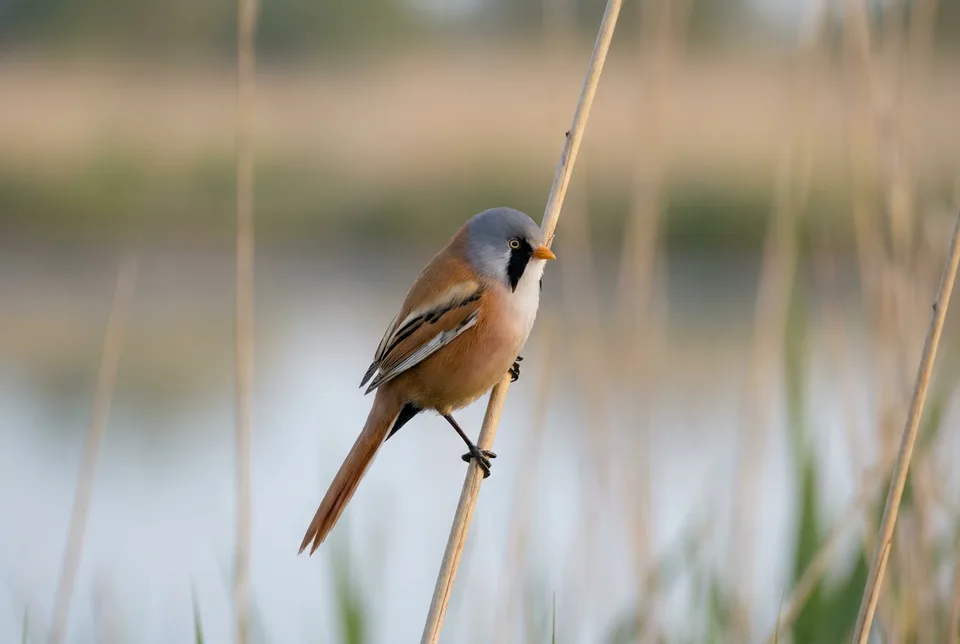
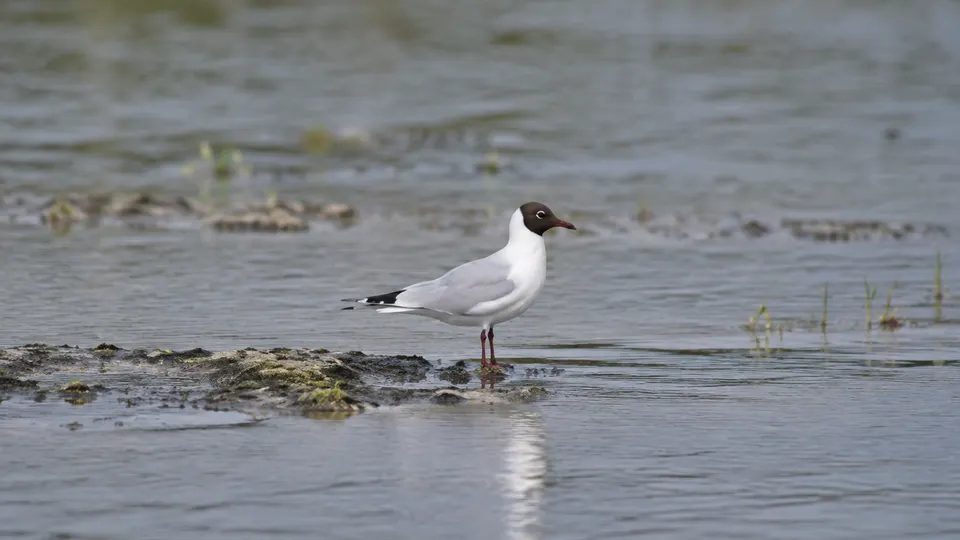
Pied Avocet in wetland habitat — Seine, River Cruises wildlifeAI-modifiedPied AvocetBearded Reedling in wetland habitat — Seine, River Cruises wildlifeAI-modifiedBearded ReedlingBlack-headed gull in wetland habitat — Saone, Seine, Nile, Douro, River Cruises wildlifeAI-modifiedBlack-Headed Gull
Animal groupBirdsAnimal groupBirdsAnimal groupBirds
DestinationsSeineDestinationsSeineDestinationsSaone, Seine, Nile, Douro
Scientific name
Recurvirostra avosetta
Scientific name
Scientific name
Previous speciesPeregrine FalconNext speciesPied Kingfisher
All river wildlife
On this page
  • 01About
  • 02Behaviour & reproduction
  • 03Top wildlife locations
  • 04Fun facts
  • 05Best season
  • 06Season matrix by destination
  • 07Habitat
  • 08Diet
  • 09Species at a glance
  • 10Questions & answers
  • 11Compare

Find your river cruise

AI-modified
Plan your trip

Find your next river journey

Compare destinations, shore programs and dates with the animals and habitats you would love to see.

  • Daily shore excursions
  • Responsible wildlife watching
  • Boutique river ships
Explore river cruises