Bluerides – Blue Rides - Book Liveaboards worldwideOCEAN ADVENTURES
River CruisesRiversNature & WildlifeOur Promise
River CruisesRiversNature & WildlifeOur PromiseSign In

River destinations

  • River destinations
  • Amazon
  • Danube
  • Rhine
  • Mekong
  • Nile

Ships & departures

  • River Cruise Search
  • Deals

Nature & Wildlife

  • Nature & Wildlife

Travel support

  • Our Promise
  • Contact

Contact

Get in Touch

Get in touch anytime, we're happy to help you find the right trip or sort out any question.

EmailWrite us, we usually reply within a few hours.
contact@bluerides.com
WhatsAppChat with us on WhatsApp, Mon–Fri 10:00–16:00 (CET).
Start WhatsApp Chat
PhoneCall us, we're happy to help.
Free call, Mon–Fri 10 AM – 8 PM (CET).
Europe+49 800 1144 990USA+1 888 557 7735UK+44 800 707 4152Australia+61 2 8599 6113Canada+1 888 557 7735
Which river journey is yours?Answer 8 quick questions and find the river cruise that fits you.
8 questions, 1 minute·Plus Gift
Secure Payment MethodsYour payments are fully secured with AES-256 encryption.
Powered byStripeWiseAMEXPayGoogle PaySEPABank
Imprint·Terms & Conditions·Privacy Policy·About·Contact·Liability Waiver·Affiliate Program·Cruise·Blog·
Visit us here

© 2026 Blue Rides. All rights reserved.

Bluerides – Blue Rides - Book Liveaboards worldwideOCEAN ADVENTURES
River CruisesRiversNature & WildlifeOur Promise
River CruisesRiversNature & WildlifeOur PromiseSign In
Northern Shoveler in wetland habitat — Columbia, Mississippi, Rhine, Nile, River Cruises wildlifeAI-modified
Home›River Cruises›River Wildlife›Northern Shoveler

Northern ShovelerSpatula clypeataWhere and when to see them

Previous speciesNorthern PintailNext speciesOriental darter

Northern Shoveler at a glance

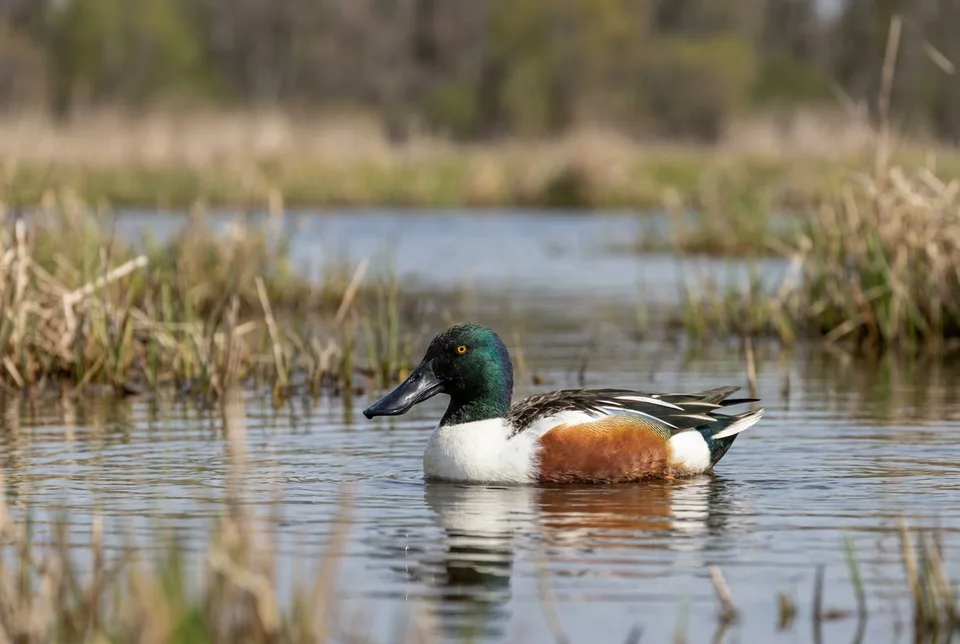
The Northern Shoveler’s broad spoon-shaped bill explains both its name and much of its daily activity. Instead of simply picking large food items, it filters tiny organisms and seeds from water. Breeding males have green heads, white chests and rusty flanks; females are mottled brown with an equally distinctive oversized bill. At a distance, a head-down feeding group may reveal the species before any colour is resolved. The registered river associations concern wetland opportunities, not an expectation of shovelers in fast deep channels. Sheltered pools and shallow margins are the places to examine carefully, especially where an apparently ordinary group of dabbling ducks keeps sweeping its bills through the surface.
Behaviour & reproduction

Size
Not verified
Weight
Not verified
Lifespan
Not verified
Status
Not verified

Shovelers often feed with the bill submerged, moving it from side to side as they swim. Groups sometimes circle together, stirring food into the water, a behaviour particularly rewarding to watch without interruption. Outside breeding they are social and mix with other dabbling ducks; territorial birds can be less tolerant of neighbours. Females make a ground scrape, generally in short vegetation near water, and line it with down. The young hatch covered in down and able to walk and swim. Circular feeding is not something to recreate by approaching or disturbing a pool: a quiet viewpoint allows the birds’ own movements and spacing to remain visible.

Top wildlife locations

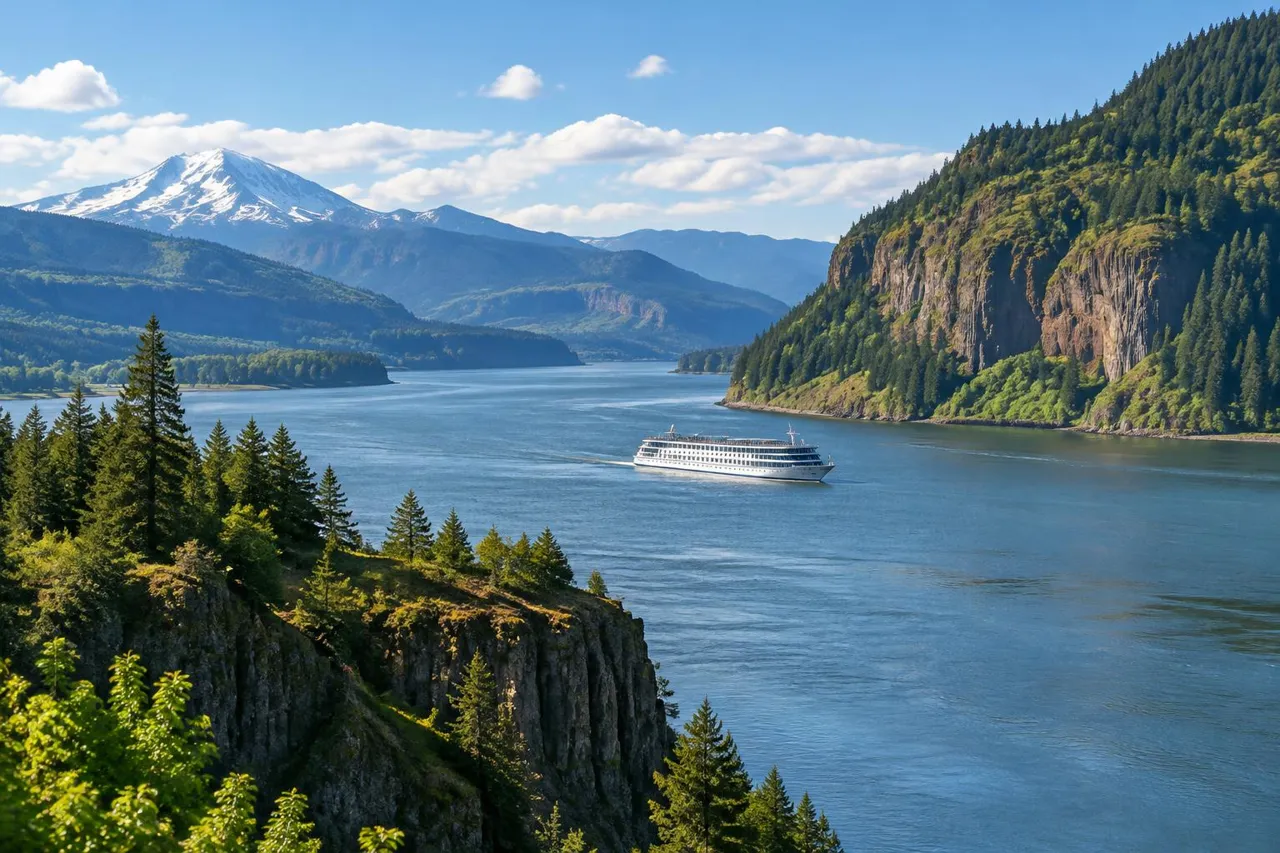
Columbia river landscape — River Cruises wildlife habitatAI-modified

Columbia

Most records cover Umatilla refuge backwaters along the Columbia near Boardman–Irrigon. Seasonal waterfowl may be best in winter rather than the sailing season. Bighorn sheep require a separate Hells Canyon excursion on the Snake River.
Explore river cruises
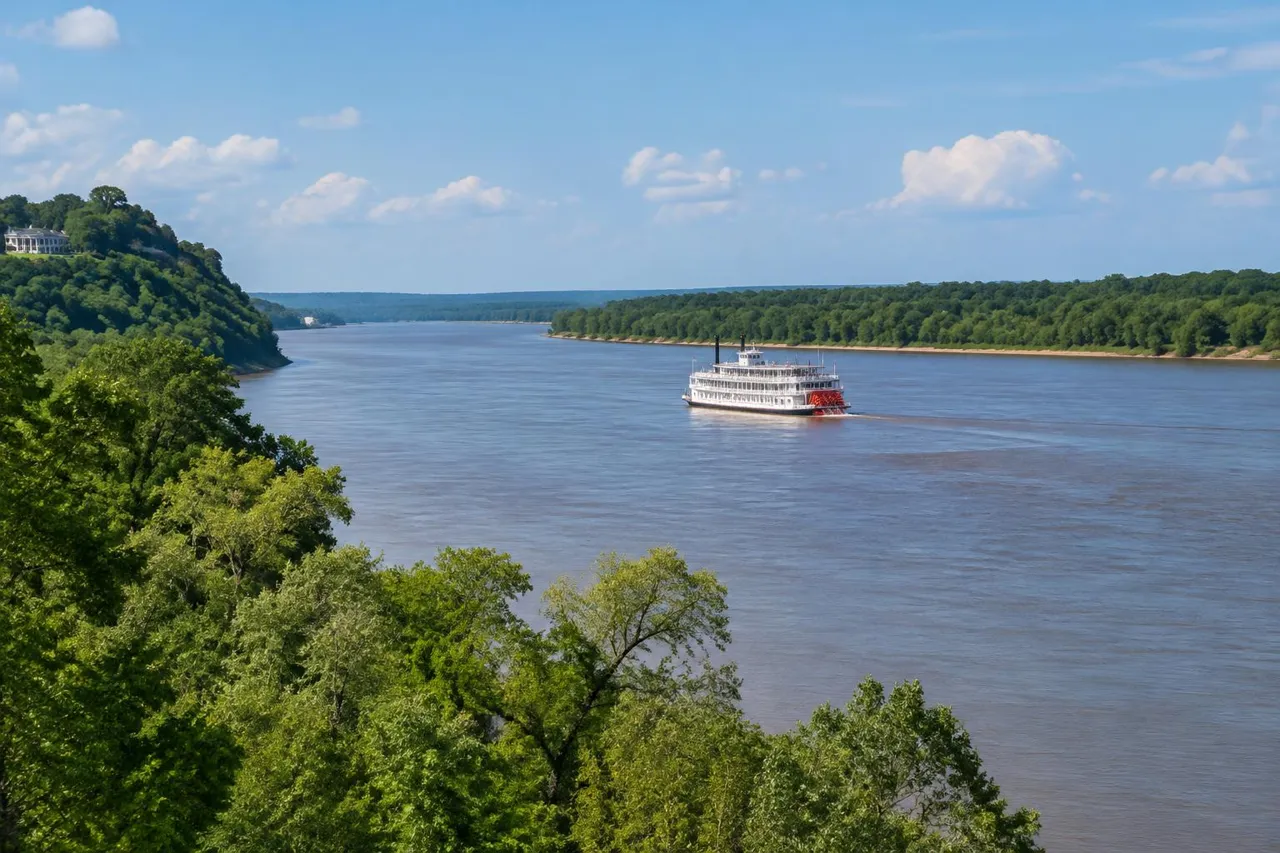
Mississippi river landscape — River Cruises wildlife habitatAI-modified

Mississippi

Upper Mississippi — Upper Mississippi River NWR, Wabasha MN–Rock Island IL

Explore river cruises
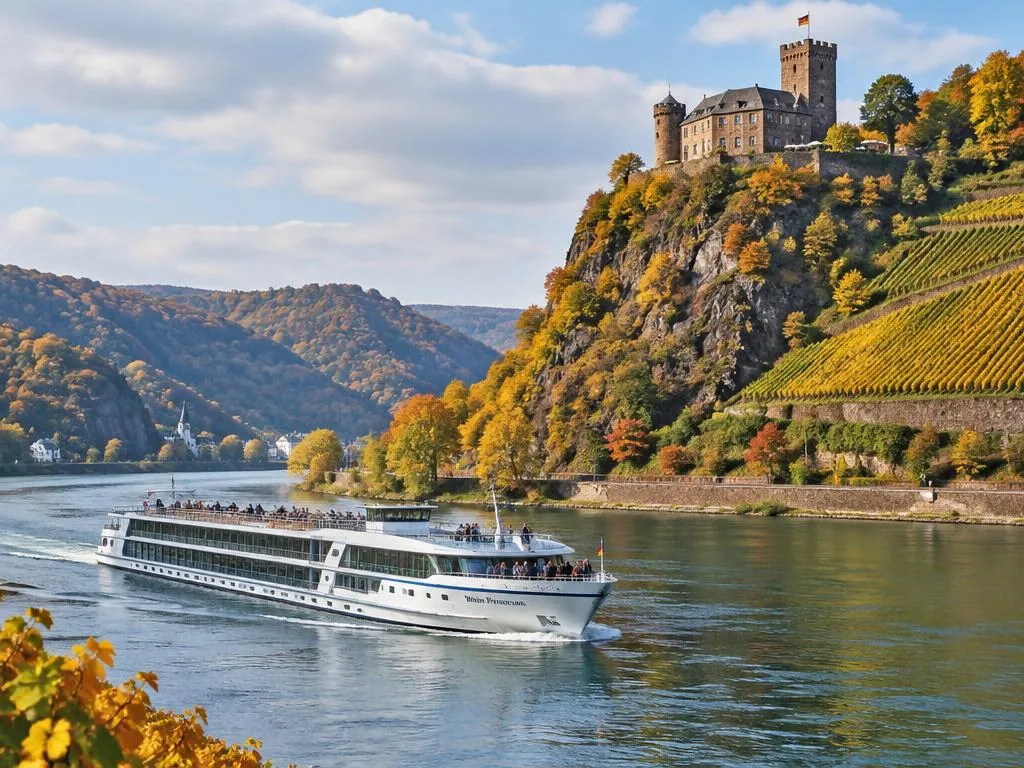
Rhine river landscape — River Cruises wildlife habitatAI-modified

Rhine

Records refer to named Upper/Middle/Lower Rhine birding sites and optional riverside, vineyard or floodplain excursions. Several ducks are winter visitors; no animal is guaranteed on every Basel–Amsterdam sailing.

Explore river cruises
Nile river landscape — River Cruises wildlife habitatAI-modified

Nile

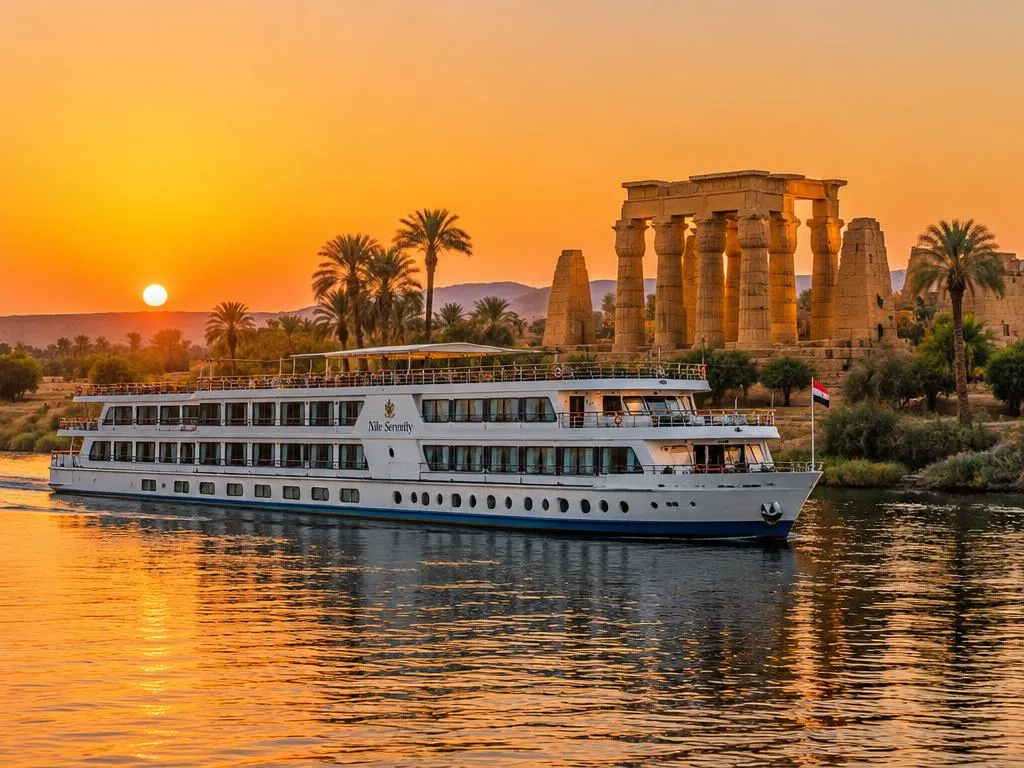
Birds are documented by a historical March Luxor–Aswan cruise report, with local reeds, riverbanks and nearby shore stops. These are occurrence records, not current sighting rates. No Nile crocodiles, hippos or Lake Nasser fauna are advertised.

Explore river cruises

Destinations describe the species' habitat, not guaranteed cruise stops. Some animals require an optional inland excursion or are found in restricted reserves.

Fun facts about the Northern Shoveler

  • The bill is spoon-shaped.
  • Bill-edge filters are called lamellae.
  • Tiny crustaceans form part of the diet.
  • Seeds are also filtered from water.
  • Feeding birds sweep their bills sideways.
  • Groups sometimes swim in circles.
  • Males have rusty flanks and white chests.
  • Females also have oversized bills.
  • Nests are down-lined ground scrapes.

Best time to see the Northern Shoveler

For Northern shoveler, the strongest local viewing guidance here is the Upper Mississippi refuge’s own recommendation for backwater overlooks. Its birding account explicitly names this species among ducks gathering from mid–late September through late October or early November. The stored months are therefore September, October and November, but the first and last are partial windows; this is not a claim of equal abundance throughout all three months. This recommendation applies only to the listed Upper Mississippi refuge backwaters; all other registered locations retain unknown months.

Northern Shoveler: season matrix by destination

Highlighted months reflect the stated local evidence, not guaranteed encounters. Neutral months mean no verified monthly viewing window, not absence. Observation records and recommended viewing windows are distinct.

Columbia

No river-specific wildlife calendar is confirmed. Check the actual river reach, local conditions and excursion access with your operator.

JanFebMarAprMayJunJulAugSepOctNovDec
Explore river cruises

Mississippi

Upper Mississippi backwater overlooks: mid–late September through late October/early November; September and November are partial months, not whole-month guarantees.

JanFebMarAprMayJunJulAugSepOctNovDec
Explore river cruises

Rhine

No river-specific wildlife calendar is confirmed. Check the actual river reach, local conditions and excursion access with your operator.

JanFebMarAprMayJunJulAugSepOctNovDec
Explore river cruises

Nile

No river-specific wildlife calendar is confirmed. Check the actual river reach, local conditions and excursion access with your operator.

JanFebMarAprMayJunJulAugSepOctNovDec
Explore river cruises

Where the Northern Shoveler lives

Shallow wetlands with submerged vegetation are characteristic breeding habitat, with nests in marginal or nearby grassy areas. Outside breeding, shovelers also use estuaries, marshes, flooded fields, lakes and managed ponds. Cornell notes that they may favour more stagnant or murkier pools than some other ducks. Such water can look unpromising to a visitor searching only broad clear channels, yet contain suitable suspended food. At registered river sites, inspect protected backwaters and pools visible from official paths. Habitat suitability is not permission to enter treatment ponds or closed wetland units. Local access information should determine where to stop, while bill shape and feeding action determine which birds deserve a closer look.

What the Northern Shoveler eats

Tiny crustaceans, other aquatic invertebrates and seeds are filtered through comb-like structures along the bill edges. These structures, called lamellae, retain food as water passes out. The bird’s broad bill therefore functions differently from a merganser’s narrow serrated fish-gripping bill. Sweeping the head and swimming through rich shallow water help bring food to the filter. A group may disturb enough water to become conspicuous without any large prey appearing at the surface. Do not infer that an unseen catch means unsuccessful feeding. The most useful observation may be the repeated filtering action itself, documented from a settled flock rather than interrupted by close approach or food offerings.

Species at a glance

Common name
Northern Shoveler
Scientific name
Spatula clypeata
Animal group
Birds
Size
Not verified in the accessible source text.
Weight
Not verified in the accessible source text.
Lifespan
Wild lifespan not verified in the accessible source text.
Status
Current global conservation assessment not verified.
Identification
The oversized broad-tipped bill is the primary field mark in both sexes. Breeding males add a green head, white chest and chestnut sides, a pattern that differs from the grey-sided Mallard. Females and immature birds are brown and can be overlooked unless the bill is seen clearly; the female’s bill is orange-toned in Cornell’s overview. A head-on view may exaggerate width, so obtain a side profile as well. Resting birds can tuck the decisive feature into their feathers, requiring patience. Use body pattern and feeding method as supporting evidence, but do not substitute a generic head-down posture for an actual view of the bill.

Northern Shoveler: frequently asked questions

Where can I see the Northern Shoveler?
Columbia, Mississippi, Rhine, Nile. Begin at the shallow fringes of pools and look for birds spending long periods with bills down. A scope reveals the bill even when the head is partly submerged; binoculars help follow the coordinated movement of a nearby group. Wait for one bird to lift its head before deciding that a green-headed duck is a Mallard. The Upper Mississippi refuge explicitly includes shovelers in its autumn backwater viewing recommendation, with partial-month qualifications. Other river locations retain their own evidence limits. Stay still when a group feeds close to cover and avoid walking directly down the bank. Natural circling and bill-sweeping are more interesting than a flock pushed into flight.
When is the best time to see the Northern Shoveler?
For Northern shoveler, the strongest local viewing guidance here is the Upper Mississippi refuge’s own recommendation for backwater overlooks. Its birding account explicitly names this species among ducks gathering from mid–late September through late October or early November. The stored months are therefore September, October and November, but the first and last are partial windows; this is not a claim of equal abundance throughout all three months. This recommendation applies only to the listed Upper Mississippi refuge backwaters; all other registered locations retain unknown months.
How big does the Northern Shoveler get?
Not verified in the accessible source text.. Adult weight: Not verified in the accessible source text.. Size varies with age, sex and population.
How should I behave around the Northern Shoveler?
Begin at the shallow fringes of pools and look for birds spending long periods with bills down. A scope reveals the bill even when the head is partly submerged; binoculars help follow the coordinated movement of a nearby group. Wait for one bird to lift its head before deciding that a green-headed duck is a Mallard. The Upper Mississippi refuge explicitly includes shovelers in its autumn backwater viewing recommendation, with partial-month qualifications. Other river locations retain their own evidence limits. Stay still when a group feeds close to cover and avoid walking directly down the bank. Natural circling and bill-sweeping are more interesting than a flock pushed into flight.
What does the Northern Shoveler eat?
Tiny crustaceans, other aquatic invertebrates and seeds are filtered through comb-like structures along the bill edges. These structures, called lamellae, retain food as water passes out. The bird’s broad bill therefore functions differently from a merganser’s narrow serrated fish-gripping bill. Sweeping the head and swimming through rich shallow water help bring food to the filter. A group may disturb enough water to become conspicuous without any large prey appearing at the surface. Do not infer that an unseen catch means unsuccessful feeding. The most useful observation may be the repeated filtering action itself, documented from a settled flock rather than interrupted by close approach or food offerings.
Are wildlife sightings guaranteed on a river cruise?
No. Animals move freely and routes, weather, access restrictions and local conditions influence every outing. Confirm the actual itinerary and shore program before booking.

Compare wildlife in the same destinations

Explore other birds recorded in these destinations. Similar surroundings do not mean the animals share the same habits or viewing season.

Species comparison by animal group and destination
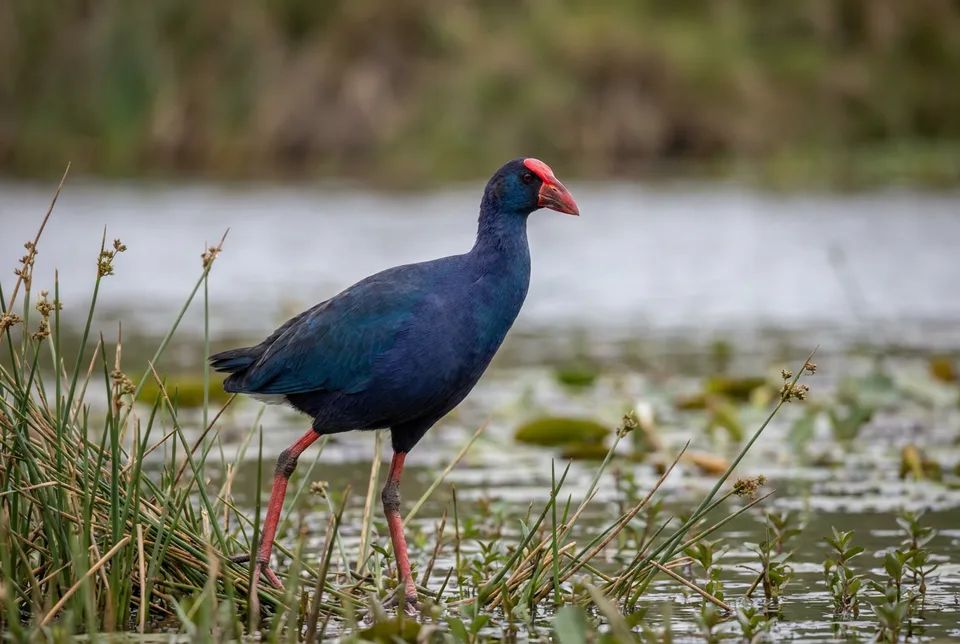
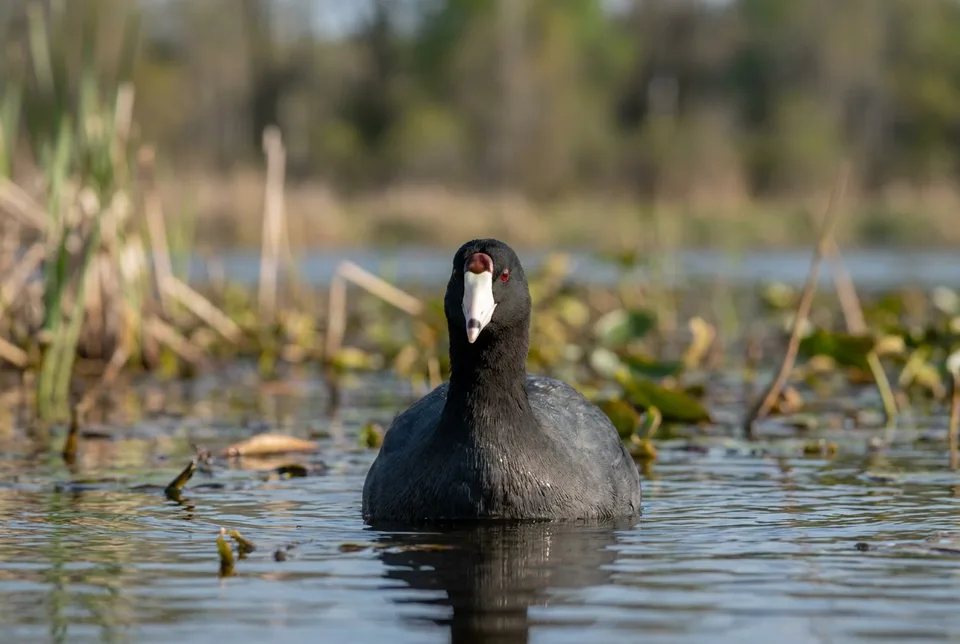
Northern Shoveler in wetland habitat — Columbia, Mississippi, Rhine, Nile, River Cruises wildlifeAI-modifiedNorthern ShovelerAfrican Swamphen in wetland habitat — Nile, Egypt, River Cruises wildlifeAI-modifiedAfrican SwamphenAmerican Coot in wetland habitat — Columbia, River Cruises wildlifeAI-modifiedAmerican Coot
Animal groupBirdsAnimal groupBirdsAnimal groupBirds
DestinationsColumbia, Mississippi, Rhine, NileDestinationsNileDestinationsColumbia
Scientific name
Spatula clypeata
Scientific name
Scientific name
Previous speciesNorthern PintailNext speciesOriental darter
All river wildlife
On this page
  • 01About
  • 02Behaviour & reproduction
  • 03Top wildlife locations
  • 04Fun facts
  • 05Best season
  • 06Season matrix by destination
  • 07Habitat
  • 08Diet
  • 09Species at a glance
  • 10Questions & answers
  • 11Compare

Find your river cruise

AI-modified
Plan your trip

Find your next river journey

Compare destinations, shore programs and dates with the animals and habitats you would love to see.

  • Daily shore excursions
  • Responsible wildlife watching
  • Boutique river ships
Explore river cruises