Bluerides – Blue Rides - Book Liveaboards worldwideOCEAN ADVENTURES
River CruisesRiversNature & WildlifeOur Promise
River CruisesRiversNature & WildlifeOur PromiseSign In

River destinations

  • River destinations
  • Amazon
  • Danube
  • Rhine
  • Mekong
  • Nile

Ships & departures

  • River Cruise Search
  • Deals

Nature & Wildlife

  • Nature & Wildlife

Travel support

  • Our Promise
  • Contact

Contact

Get in Touch

Get in touch anytime, we're happy to help you find the right trip or sort out any question.

EmailWrite us, we usually reply within a few hours.
contact@bluerides.com
WhatsAppChat with us on WhatsApp, Mon–Fri 10:00–16:00 (CET).
Start WhatsApp Chat
PhoneCall us, we're happy to help.
Free call, Mon–Fri 10 AM – 8 PM (CET).
Europe+49 800 1144 990USA+1 888 557 7735UK+44 800 707 4152Australia+61 2 8599 6113Canada+1 888 557 7735
Which river journey is yours?Answer 8 quick questions and find the river cruise that fits you.
8 questions, 1 minute·Plus Gift
Secure Payment MethodsYour payments are fully secured with AES-256 encryption.
Powered byStripeWiseAMEXPayGoogle PaySEPABank
Imprint·Terms & Conditions·Privacy Policy·About·Contact·Liability Waiver·Affiliate Program·Cruise·Blog·
Visit us here

© 2026 Blue Rides. All rights reserved.

Bluerides – Blue Rides - Book Liveaboards worldwideOCEAN ADVENTURES
River CruisesRiversNature & WildlifeOur Promise
River CruisesRiversNature & WildlifeOur PromiseSign In
Mute swan in wetland habitat — Danube, Rhine, Saone, Seine, River Cruises wildlifeAI-modified
Home›River Cruises›River Wildlife›Mute Swan

Mute SwanCygnus olorWhere and when to see them

Previous speciesMule DeerNext speciesNeotropic Cormorant

Mute Swan at a glance

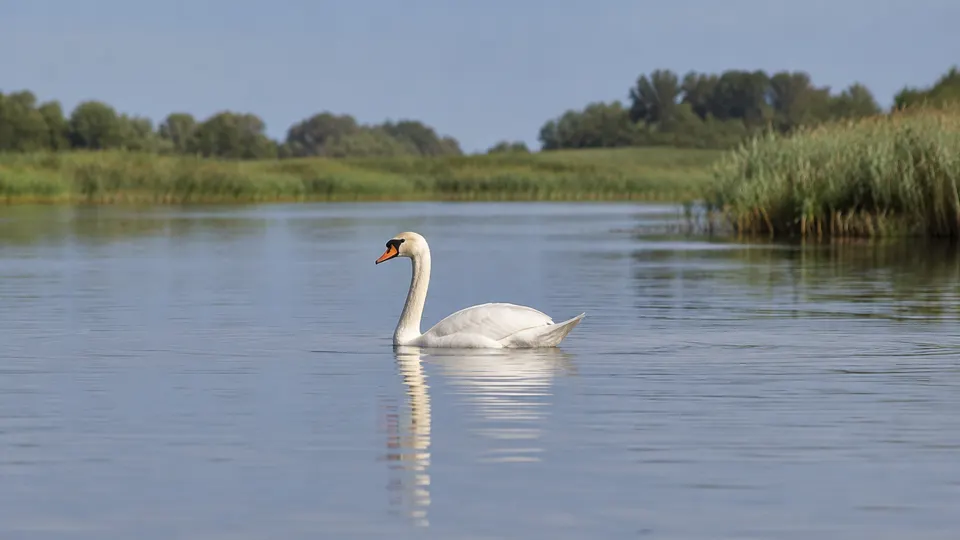
The Mute Swan is a very large white waterbird with an orange bill, black facial skin and a prominent black knob at the bill base. BTO gives a reference mass of 9.4 kilograms. The name does not mean the bird is silent: hissing and soft calls are part of its repertoire, while its wings produce a distinctive sound in flight. Four separate river settings are registered, and they must remain separate: the Romanian Danube Delta around Mahmudia, Strasbourg’s Rohrschollen waters, the lower Saône promenade and Grande Noë lake in the Seine floodplain. None establishes a universal swan-viewing itinerary. BTO reference: https://www.bto.org/learn/about-birds/birdfacts/mute-swan. Source: https://www.rspb.org.uk/birds-and-wildlife/mute-swan

Behaviour & reproduction

Size
Body length not verified.
Weight
9.4 kg (20.7 lb) reference value; BTO BirdFacts.
Lifespan
Species-specific lifespan not verified.
Status
UK Green in BTO; a current global assessment was not verified.

Breeding pairs can be strongly territorial, while nonbreeding birds may gather in groups. The RSPB describes both birds that remain on territories and birds that move substantial distances. These alternatives explain why the presence of one pair cannot establish the movements of an entire local population. Parents can carry small cygnets on their backs. A raised-wing posture or hissing should be treated as a warning to increase distance, not a sign that a bird wants food. Leave a clear route between adults, young and open water.

Top wildlife locations

Danube river landscape — River Cruises wildlife habitatAI-modified

Danube

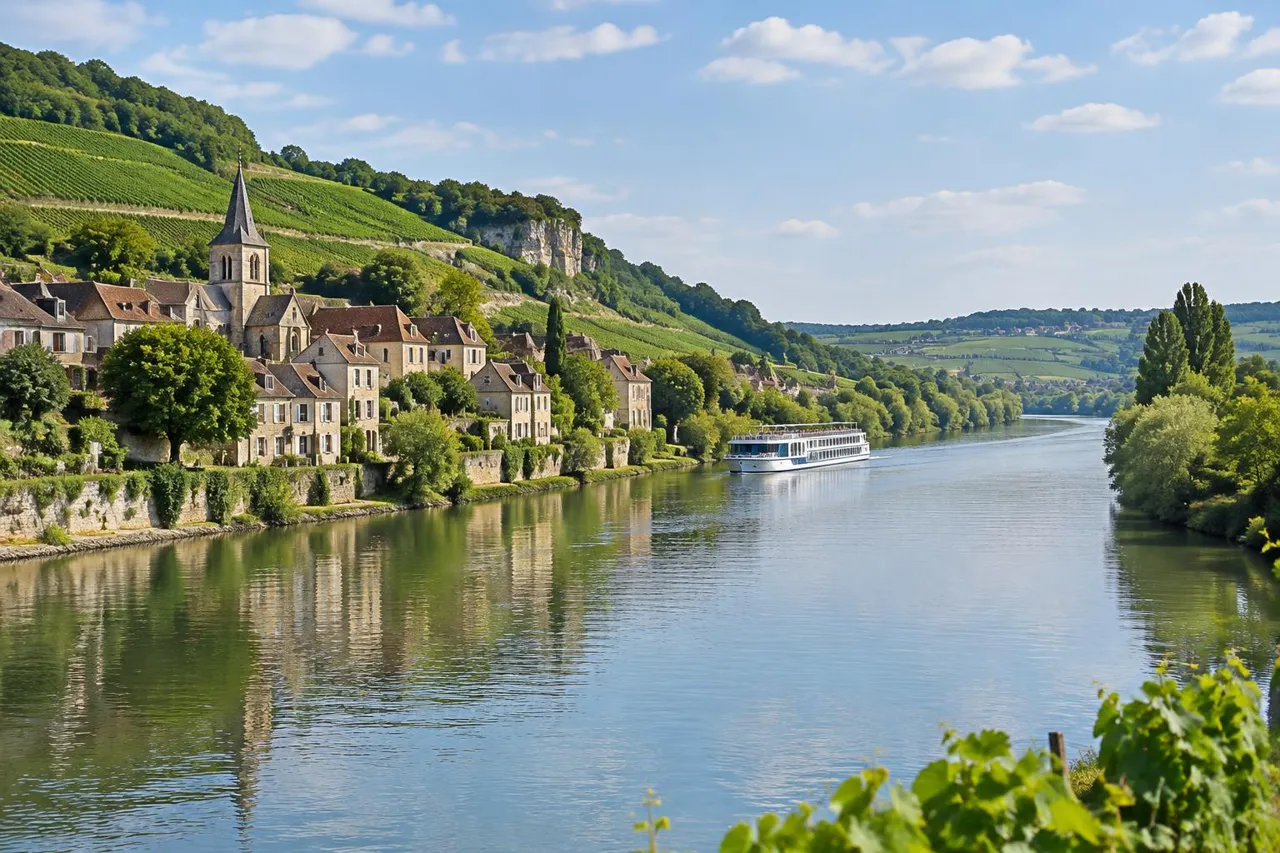
Romania: Danube Delta around Mahmudia and delta lakes/channels; separate lower-Danube/delta itinerary, NOT Passau–Vienna–Bratislava–Budapest. Viewing context: Year-round possible; lakes. Checklist establishes occurrence, not guaranteed daily sightings.
Explore river cruises
Rhine river landscape — River Cruises wildlife habitatAI-modified

Rhine

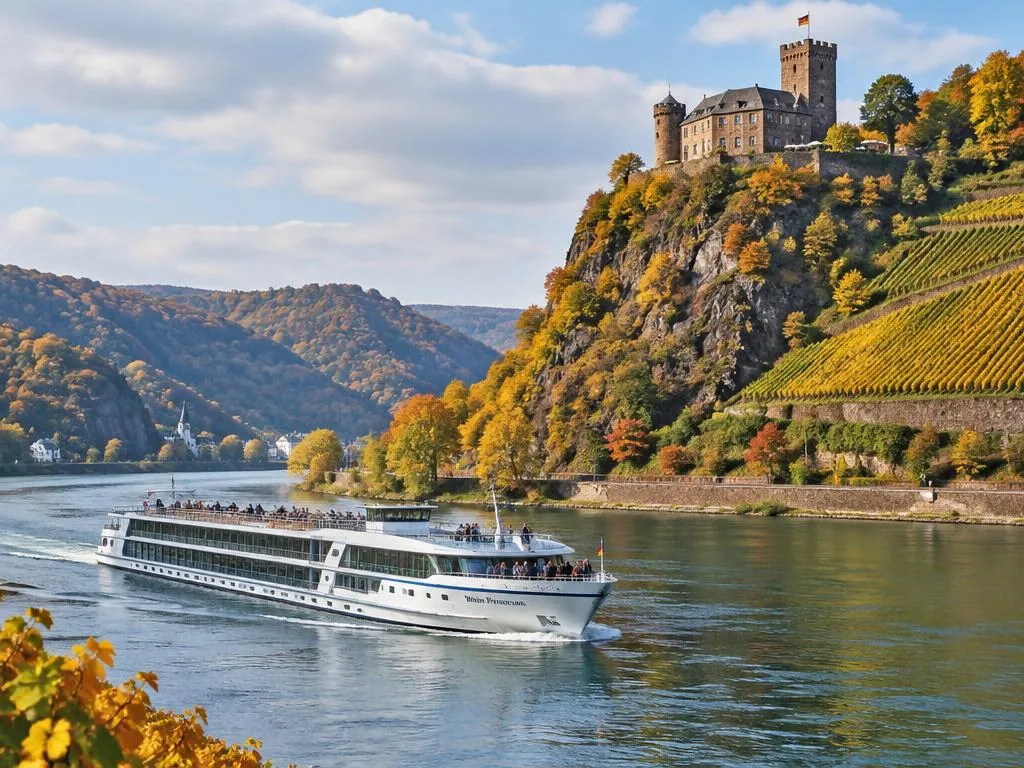
Upper Rhine: Strasbourg, Rohrschollen island / Vieux Rhin and Grand Canal; shore observation excursion. Viewing context: Winter waterbird watching from shore or hide; binoculars/telescope; no guarantee.

Explore river cruises
Saone river landscape — River Cruises wildlife habitatAI-modified

Saone

Lower Saône: Grand Lyon Rives de Saône promenade, Rochetaillée-sur-Saône–Fontaines-sur-Saône–Lyon, upstream of the Rhône confluence. Viewing context: Open water and bank edges, year-round.

Explore river cruises
Seine river landscape — River Cruises wildlife habitatAI-modified

Seine

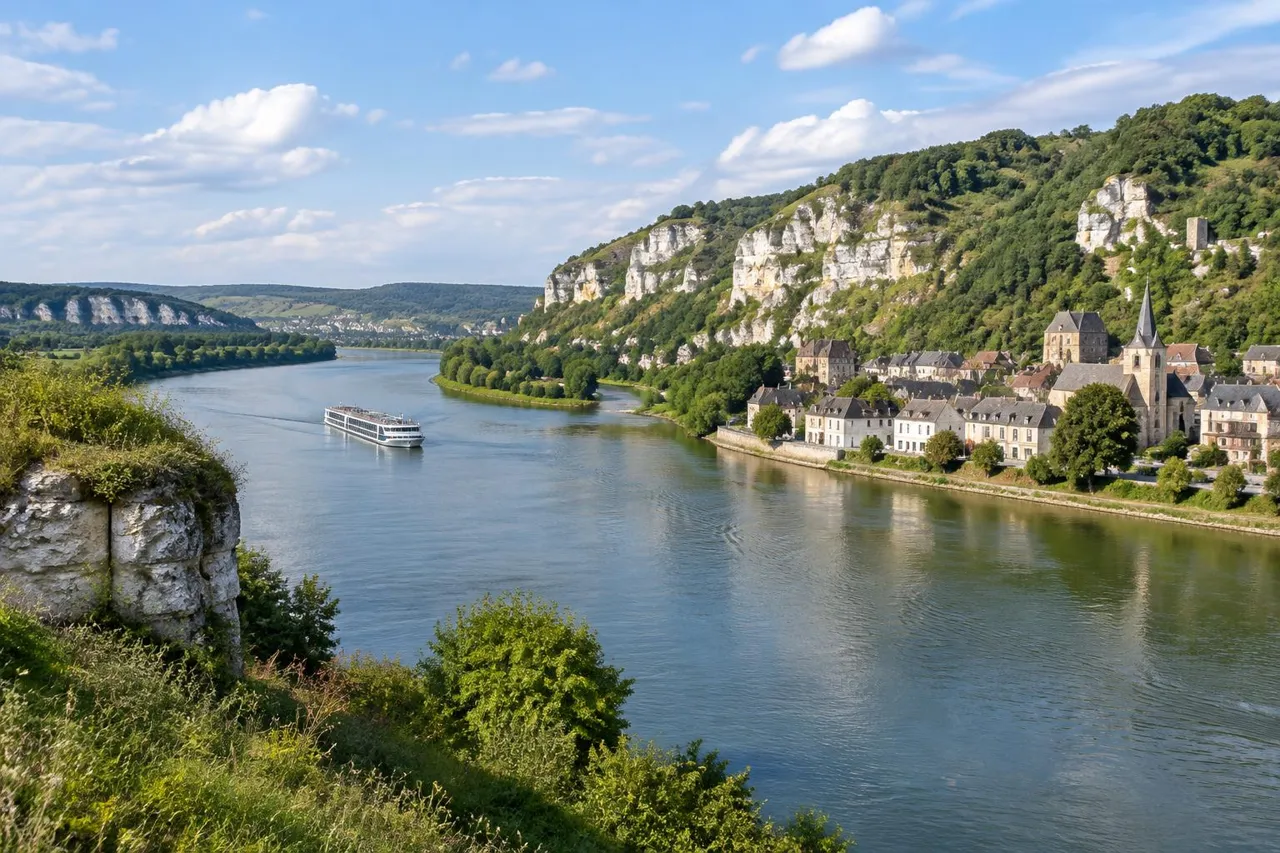
Grande Noë reserve, Val-de-Reuil, inside Seine loop at Léry-Poses between Les Andelys and Rouen; shore excursion to floodplain gravel-pit lake, not main-channel deck evidence. Viewing context: Year-round. Use public hides; sightings not guaranteed.

Explore river cruises

Destinations describe the species' habitat, not guaranteed cruise stops. Some animals require an optional inland excursion or are found in restricted reserves.

Fun facts about the Mute Swan

  • The orange bill has a black base.
  • The bill carries a black knob.
  • Young birds are often grey-brown.
  • It is not actually silent.
  • Small cygnets can ride on a parent’s back.
  • Pairs can defend territories.
  • It reaches underwater vegetation with its long neck.

Best time to see the Mute Swan

LPO Alsace explicitly lists Mute Swan among winter waterbirds around Rohrschollen. That local seasonal statement is retained qualitatively because it does not supply numerical month boundaries. The registry describes year-round opportunities at some other sites, but a retrieved species-specific recurring calendar was not verified for those exact reaches. All four months arrays remain empty. The Romanian association concerns a separate delta itinerary, not the usual Passau–Budapest route. Check local access and present conditions rather than using broad European residency to fill a monthly matrix.

Mute Swan: season matrix by destination

Highlighted months reflect the stated local evidence, not guaranteed encounters. Neutral months mean no verified monthly viewing window, not absence. Observation records and recommended viewing windows are distinct.

Danube

A recurring species-specific numerical month range for this exact reach was not verified. Months are left empty; occurrence, broad residency, breeding dates and single trips are not treated as a calendar.

JanFebMarAprMayJunJulAugSepOctNovDec
Explore river cruises

Rhine

LPO Alsace explicitly names this species in winter at Rohrschollen. Numerical local month boundaries were not verified; winter is retained as qualitative guidance only.

JanFebMarAprMayJunJulAugSepOctNovDec
Explore river cruises

Saone

A recurring species-specific numerical month range for this exact reach was not verified. Months are left empty; occurrence, broad residency, breeding dates and single trips are not treated as a calendar.

JanFebMarAprMayJunJulAugSepOctNovDec
Explore river cruises

Seine

A recurring species-specific numerical month range for this exact reach was not verified. Months are left empty; occurrence, broad residency, breeding dates and single trips are not treated as a calendar.

JanFebMarAprMayJunJulAugSepOctNovDec
Explore river cruises

Where the Mute Swan lives

Lakes, rivers, canals and other suitable fresh waters provide the broad habitat context. Within the registered locations, sheltered lakes and channels are especially relevant in the Danube Delta, while Rohrschollen includes the Vieux Rhin and Grand Canal. Grande Noë is a floodplain gravel-pit lake, not the Seine navigation channel. The Saône entry concerns open water and bank edges along the Lyon-area promenade. These distinctions matter because a species can occur in the river landscape without being visible from the ship’s route. No nest sites or local population densities were verified.

What the Mute Swan eats

The RSPB describes Mute Swans searching for aquatic vegetation, using their long necks to reach beneath the surface. This makes shallow feeding areas useful to watch, but a long neck does not mean every depth is accessible. Local plant species and dietary proportions were not verified for any of the four registered reaches. A bird holding its head underwater may be feeding without bringing an identifiable item above the surface. Do not offer bread or approach a family to encourage feeding. Observe natural grazing and underwater searching from a respectful distance.

Species at a glance

Common name
Mute Swan
Scientific name
Cygnus olor
Animal group
Birds
Size
Body length not verified.
Weight
9.4 kg (20.7 lb) reference value; BTO BirdFacts.
Lifespan
Species-specific lifespan not verified.
Status
UK Green in BTO; a current global assessment was not verified.
Identification
Adults are white, with an orange bill, black bill base and a black knob that is generally larger in males. The familiar S-shaped resting neck supports identification, but posture alone is not diagnostic. Flying birds extend the neck and use slow, regular wingbeats. Young birds are grey-brown and have duller bills, so they should not be judged against the clean white adult pattern. Whooper and Bewick’s Swans have different yellow-and-black bill patterns. Obtain a clear bill view when distinguishing swans rather than relying only on size or the presence of white plumage.

Mute Swan: frequently asked questions

Where can I see the Mute Swan?
Danube, Rhine, Saone, Seine. Observe from authorised banks, paths or public hides and leave generous space around families. A large, approachable bird is still wild and can respond defensively when visitors obstruct its route. At Grande Noë, remain in the public viewing facilities; at Rohrschollen, use shore waterbird viewpoints. On the lower Saône, keep the promenade clear for other users and do not descend towards a nest. In the Danube Delta, use a responsible local guide and avoid steering close to resting or breeding birds. Never separate cygnets from their parents for a photograph.
When is the best time to see the Mute Swan?
LPO Alsace explicitly lists Mute Swan among winter waterbirds around Rohrschollen. That local seasonal statement is retained qualitatively because it does not supply numerical month boundaries. The registry describes year-round opportunities at some other sites, but a retrieved species-specific recurring calendar was not verified for those exact reaches. All four months arrays remain empty. The Romanian association concerns a separate delta itinerary, not the usual Passau–Budapest route. Check local access and present conditions rather than using broad European residency to fill a monthly matrix.
How big does the Mute Swan get?
Body length not verified.. Adult weight: 9.4 kg (20.7 lb) reference value; BTO BirdFacts.. Size varies with age, sex and population.
How should I behave around the Mute Swan?
Observe from authorised banks, paths or public hides and leave generous space around families. A large, approachable bird is still wild and can respond defensively when visitors obstruct its route. At Grande Noë, remain in the public viewing facilities; at Rohrschollen, use shore waterbird viewpoints. On the lower Saône, keep the promenade clear for other users and do not descend towards a nest. In the Danube Delta, use a responsible local guide and avoid steering close to resting or breeding birds. Never separate cygnets from their parents for a photograph.
What does the Mute Swan eat?
The RSPB describes Mute Swans searching for aquatic vegetation, using their long necks to reach beneath the surface. This makes shallow feeding areas useful to watch, but a long neck does not mean every depth is accessible. Local plant species and dietary proportions were not verified for any of the four registered reaches. A bird holding its head underwater may be feeding without bringing an identifiable item above the surface. Do not offer bread or approach a family to encourage feeding. Observe natural grazing and underwater searching from a respectful distance.
Are wildlife sightings guaranteed on a river cruise?
No. Animals move freely and routes, weather, access restrictions and local conditions influence every outing. Confirm the actual itinerary and shore program before booking.

Compare wildlife in the same destinations

Explore other birds recorded in these destinations. Similar surroundings do not mean the animals share the same habits or viewing season.

Species comparison by animal group and destination
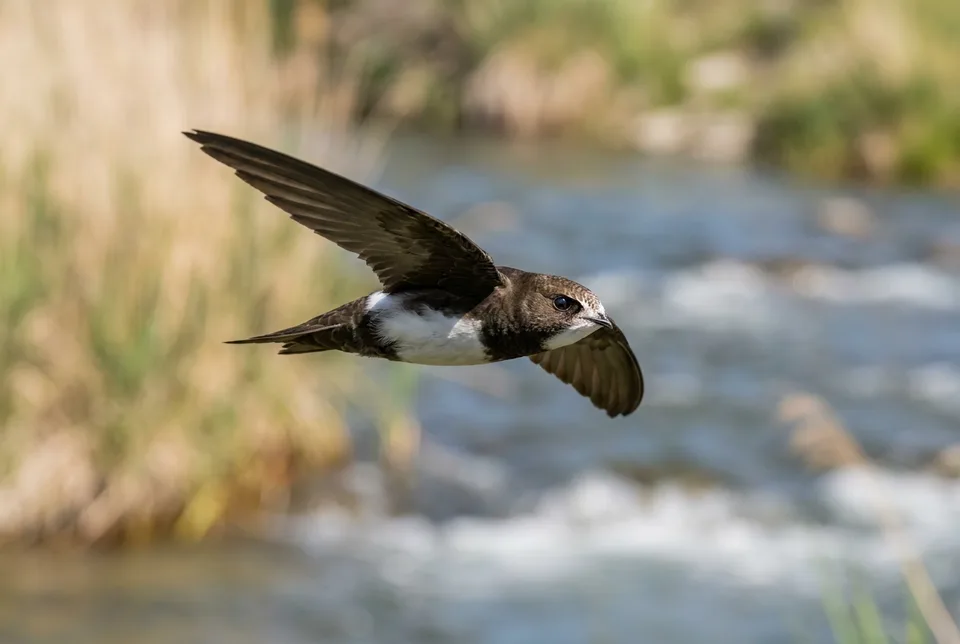
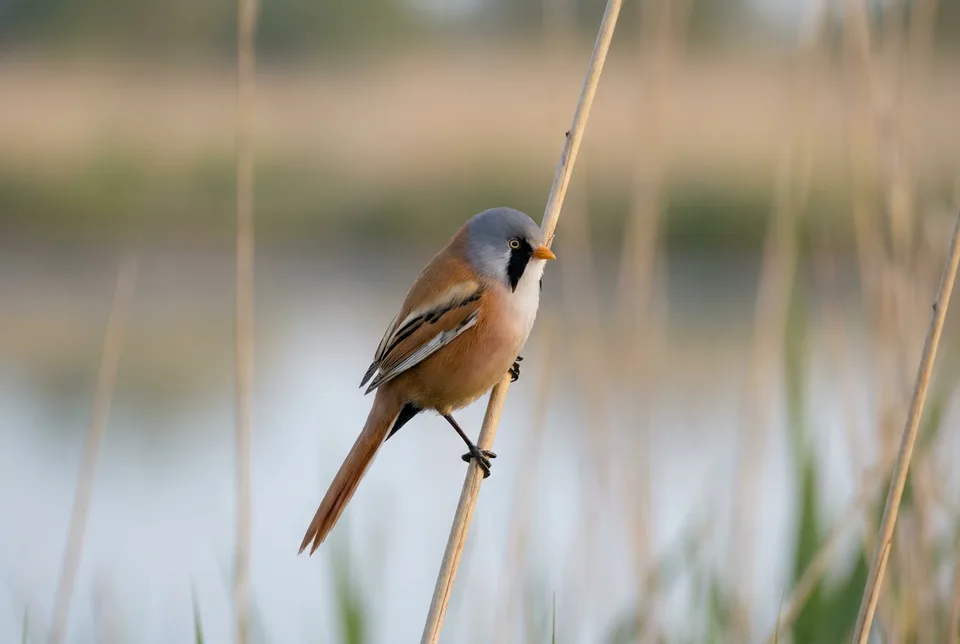
Mute swan in wetland habitat — Danube, Rhine, Saone, Seine, River Cruises wildlifeAI-modifiedMute SwanAlpine Swift in wetland habitat — Saone, River Cruises wildlifeAI-modifiedAlpine SwiftBearded Reedling in wetland habitat — Seine, River Cruises wildlifeAI-modifiedBearded Reedling
Animal groupBirdsAnimal groupBirdsAnimal groupBirds
DestinationsDanube, Rhine, Saone, SeineDestinationsSaoneDestinationsSeine
Scientific name
Cygnus olor
Scientific name
Scientific name
Previous speciesMule DeerNext speciesNeotropic Cormorant
All river wildlife
On this page
  • 01About
  • 02Behaviour & reproduction
  • 03Top wildlife locations
  • 04Fun facts
  • 05Best season
  • 06Season matrix by destination
  • 07Habitat
  • 08Diet
  • 09Species at a glance
  • 10Questions & answers
  • 11Compare

Find your river cruise

AI-modified
Plan your trip

Find your next river journey

Compare destinations, shore programs and dates with the animals and habitats you would love to see.

  • Daily shore excursions
  • Responsible wildlife watching
  • Boutique river ships
Explore river cruises