Bluerides – Blue Rides - Book Liveaboards worldwideOCEAN ADVENTURES
River CruisesRiversNature & WildlifeOur Promise
River CruisesRiversNature & WildlifeOur PromiseSign In

River destinations

  • River destinations
  • Amazon
  • Danube
  • Rhine
  • Mekong
  • Nile

Ships & departures

  • River Cruise Search
  • Deals

Nature & Wildlife

  • Nature & Wildlife

Travel support

  • Our Promise
  • Contact

Contact

Get in Touch

Get in touch anytime, we're happy to help you find the right trip or sort out any question.

EmailWrite us, we usually reply within a few hours.
contact@bluerides.com
WhatsAppChat with us on WhatsApp, Mon–Fri 10:00–16:00 (CET).
Start WhatsApp Chat
PhoneCall us, we're happy to help.
Free call, Mon–Fri 10 AM – 8 PM (CET).
Europe+49 800 1144 990USA+1 888 557 7735UK+44 800 707 4152Australia+61 2 8599 6113Canada+1 888 557 7735
Which river journey is yours?Answer 8 quick questions and find the river cruise that fits you.
8 questions, 1 minute·Plus Gift
Secure Payment MethodsYour payments are fully secured with AES-256 encryption.
Powered byStripeWiseAMEXPayGoogle PaySEPABank
Imprint·Terms & Conditions·Privacy Policy·About·Contact·Liability Waiver·Affiliate Program·Cruise·Blog·
Visit us here

© 2026 Blue Rides. All rights reserved.

Bluerides – Blue Rides - Book Liveaboards worldwideOCEAN ADVENTURES
River CruisesRiversNature & WildlifeOur Promise
River CruisesRiversNature & WildlifeOur PromiseSign In
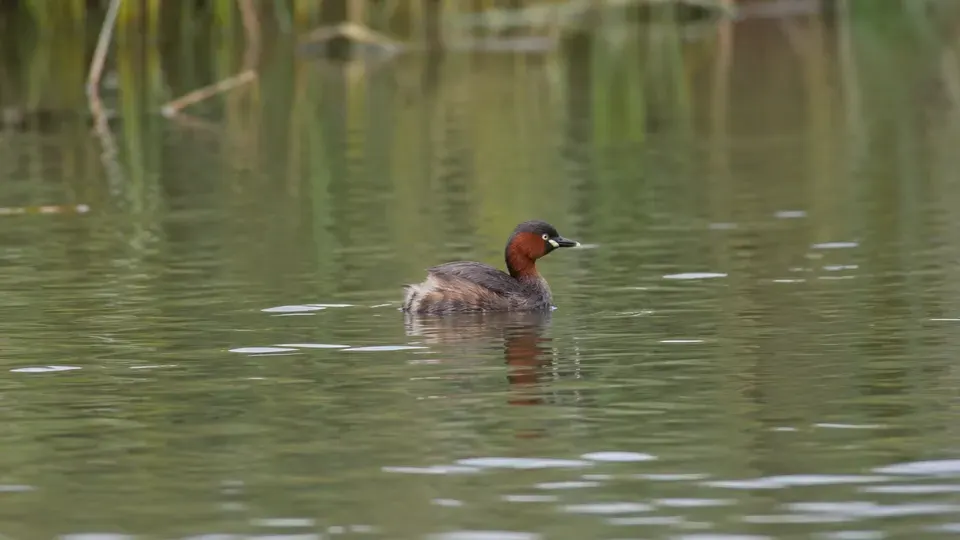
Little grebe in wetland habitat — Rhine, Nile, Douro, Mekong, River Cruises wildlifeAI-modified
Home›River Cruises›River Wildlife›Little Grebe

Little GrebeTachybaptus ruficollisWhere and when to see them

Previous speciesLittle EgretNext speciesLittle Ringed Plover

Little Grebe at a glance

The Little Grebe is a small, rounded diving bird, sometimes called the dabchick, whose fluffy-looking rear can be as useful an initial clue as its head. It is a grebe, not a miniature duck, and much of its activity takes place underwater. The Canal & River Trust gives a length of 25–29 centimetres, a weight of 100–140 grams and a lifespan figure of ten years, without specifying whether that last figure is typical or exceptional. Those measurements are general reference values, not measurements of birds on these itineraries. Four river associations are registered: Strasbourg's Rohrschollen waters, the Luxor–Aswan Nile itinerary, Porto's Douro estuary and Tra Su in the Vietnamese Mekong Delta. Each requires its own location evidence rather than a shared seasonal assumption. Reference: https://canalrivertrust.org.uk/things-to-do/canal-and-river-wildlife/a-spotters-guide-to-waterway-wildlife/little-grebe. Source: https://www.rspb.org.uk/birds-and-wildlife/little-grebe/

Behaviour & reproduction

Size
25–29 cm (9.8–11.4 in) body length; Canal & River Trust.
Weight
100–140 g (3.5–4.9 oz); Canal & River Trust.
Lifespan
10 years in the Canal & River Trust account; whether typical or maximum is not specified.
Status
UK Green status in the RSPB account; a current global assessment was not verified.

Diving is both a feeding technique and an escape response. A disturbed Little Grebe can vanish and surface unnoticed some distance away, so its disappearance does not necessarily mean it has left the area. Listen as well as look: the RSPB describes a characteristic whinnying trill that can reveal birds hidden beside vegetation. Floating nests and concealed waterside activity make close approaches particularly unhelpful. The Canal & River Trust describes parents covering eggs with leaves when leaving the nest and both adults sharing incubation. These are species-level behaviours, not evidence that a nest is present at a particular cruise stop. From a fixed viewpoint, following several successive dives is a better way to understand an individual's routine than trying to keep directly alongside it.

Top wildlife locations

Rhine river landscape — River Cruises wildlife habitatAI-modified

Rhine

Upper Rhine: Strasbourg, Rohrschollen island / Vieux Rhin and Grand Canal; shore observation excursion. Viewing context: Winter waterbird watching from shore or hide; binoculars/telescope; no guarantee.

Explore river cruises
Nile river landscape — River Cruises wildlife habitatAI-modified

Nile

Luxor–Esna–Edfu–Kom Ombo–Aswan; exact observation context in quote Viewing context: Wild birds from cruise deck or normal temple/riverbank visits; dated March 2007 observations, not year-round guarantees. Waterfowl and passage birds seasonal; small reed birds require binoculars.

Explore river cruises
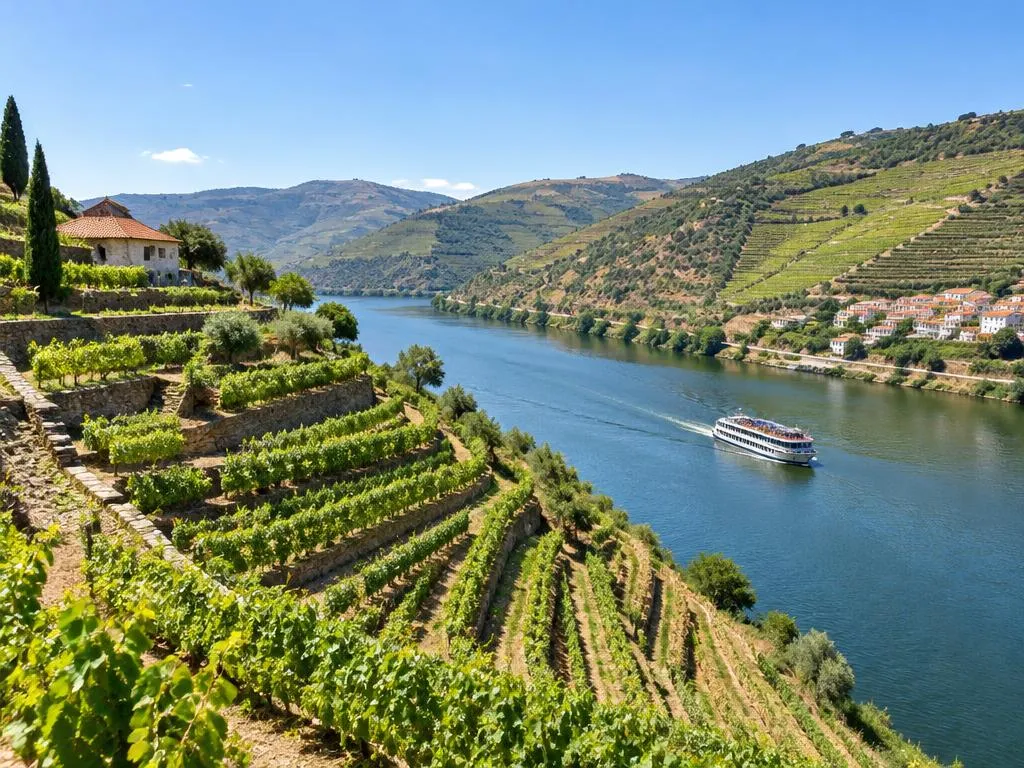
Douro river landscape — River Cruises wildlife habitatAI-modified

Douro

Porto / Vila Nova de Gaia: Douro estuary reserve, Afurada–Cabedelo–São Paio; NOT a claim for inland Régua–Pinhão Viewing context: Accessible Porto shore visit with paths and hides; waders/gulls concentrated at low tide and migration/winter. Osprey and Short-eared Owl irregular/seasonal; no guaranteed sightings.

Explore river cruises
Mekong river landscape — River Cruises wildlife habitatAI-modified

Mekong

Vietnam Mekong delta: Tra Su flooded forest, optional shore excursion from Chau Doc (not main-channel deck wildlife) Viewing context: Official 2016 BirdLife/IEBR survey checklist, not a current abundance claim. Boat/boardwalk/tower viewing; crakes, Watercock and coucals elusive. Migrant kingfishers, pond herons and waders seasonal.

Explore river cruises

Destinations describe the species' habitat, not guaranteed cruise stops. Some animals require an optional inland excursion or are found in restricted reserves.

Fun facts about the Little Grebe

  • Also called the dabchick.
  • It is a grebe rather than a duck.
  • Breeding plumage includes chestnut cheeks.
  • A pale patch marks the bill base.
  • Its call is a whinnying trill.
  • The legs are positioned far back on the body.
  • Parents can cover their eggs with leaves.

Best time to see the Little Grebe

LPO Alsace explicitly includes Little Grebe in winter viewing at Rohrschollen. This is genuine local seasonal guidance, but the retrieved account says winter rather than supplying a numerical monthly range. The Nile material is a dated March 2007 trip report; March cannot be promoted to a recurring season from that visit. Tra Su's official checklist supplies occurrence without a seasonal calendar. A species-specific recurring month range for the Douro estuary was also not verified. Consequently all four location months arrays remain empty, while the Rhine note retains the qualitative winter information. Visibility depends on whether birds are using open water or keeping close to cover. For itinerary planning, distinguish a site recommended for winter birdwatching from evidence that this particular grebe is present in every winter month.

Little Grebe: season matrix by destination

Highlighted months reflect the stated local evidence, not guaranteed encounters. Neutral months mean no verified monthly viewing window, not absence. Observation records and recommended viewing windows are distinct.

Rhine

LPO Alsace explicitly names this species in winter at Rohrschollen. Numerical local month boundaries were not verified; winter is retained as qualitative guidance only.

JanFebMarAprMayJunJulAugSepOctNovDec
Explore river cruises

Nile

A recurring species-specific numerical month range for this exact reach was not verified. Months are left empty; occurrence, broad residency, breeding dates and single trips are not treated as a calendar.

JanFebMarAprMayJunJulAugSepOctNovDec
Explore river cruises

Douro

A recurring species-specific numerical month range for this exact reach was not verified. Months are left empty; occurrence, broad residency, breeding dates and single trips are not treated as a calendar.

JanFebMarAprMayJunJulAugSepOctNovDec
Explore river cruises

Mekong

The official Tra Su checklist documents historical occurrence, not monthly recurrence. Its April 2016 publication date does not establish an April viewing season.

JanFebMarAprMayJunJulAugSepOctNovDec
Explore river cruises

Where the Little Grebe lives

Vegetated margins of canals, rivers and reservoirs are important in the Canal & River Trust account. Small openings beside emergent plants can therefore deserve more attention than broad, exposed water. The registered Upper Rhine setting includes the Vieux Rhin and Grand Canal around Rohrschollen, where LPO Alsace specifically names the species among winter waterbirds. The Nile entry is tied to historical cruise observations between Luxor and Aswan, while the Douro entry concerns the estuary at Porto and Vila Nova de Gaia, not the inland vineyard reach. Tra Su adds a flooded-forest context. These are distinct environments linked by suitable water and cover, not interchangeable examples of habitat quality. An occurrence record alone does not establish which inlet, reed fringe or pool is currently occupied.

What the Little Grebe eats

The Canal & River Trust lists insects, tadpoles, molluscs and small fish as food. This varied animal diet explains why calling the species simply a fish-eater loses useful detail. Grebes collect prey while diving, and their rear-set legs make swimming much more effective than walking on land. At the surface, an observer may see a small item handled briefly or may see no prey at all, because feeding can happen below water. No study comparing prey across Rohrschollen, the Nile, the Douro estuary and Tra Su was verified. It would therefore be misleading to provide local percentages or claim that the same prey dominates at every location. Watch the relationship between dives and vegetation without disturbing the margin to expose food or improve photographs.

Species at a glance

Common name
Little Grebe
Scientific name
Tachybaptus ruficollis
Animal group
Birds
Size
25–29 cm (9.8–11.4 in) body length; Canal & River Trust.
Weight
100–140 g (3.5–4.9 oz); Canal & River Trust.
Lifespan
10 years in the Canal & River Trust account; whether typical or maximum is not specified.
Status
UK Green status in the RSPB account; a current global assessment was not verified.
Identification
Look for a dumpy body, short bill, virtually absent visible tail and a soft, fluffy-looking rear. In breeding plumage, chestnut cheeks and throat contrast with darker upperparts, and a pale patch at the bill base provides a particularly useful close-range clue. Nonbreeding birds are browner and less contrasting, making body proportions and behaviour more important. The RSPB emphasises the characteristic whinnying trill, which can corroborate a sighting but should be checked against a reliable recording. Young birds can look different again, including striped facial patterns described by the Canal & River Trust. A distant small diver is not automatically a Little Grebe; obtain a clear head view and consider other grebes or small waterbirds before recording a definite identification.

Little Grebe: frequently asked questions

Where can I see the Little Grebe?
Rhine, Nile, Douro, Mekong. Start by checking sheltered water close to reeds, bankside plants and floating cover. A small brown shape may disappear before its identity becomes clear; keep watching the surrounding area for a quiet resurfacing. At Rohrschollen, shore viewpoints and a telescope can help on broader water. In the Douro estuary, use the reserve's paths and hides without extending the claim upstream towards Régua or Pinhão. At Tra Su, a slow permitted boat visit or boardwalk stop is more relevant than deck scanning on the Mekong. Along the Nile, binoculars improve the chances of noticing small birds during normal riverbank visits. Never steer into cover to flush a grebe, and avoid approaching floating nest-like structures even when no adult is immediately visible.
When is the best time to see the Little Grebe?
LPO Alsace explicitly includes Little Grebe in winter viewing at Rohrschollen. This is genuine local seasonal guidance, but the retrieved account says winter rather than supplying a numerical monthly range. The Nile material is a dated March 2007 trip report; March cannot be promoted to a recurring season from that visit. Tra Su's official checklist supplies occurrence without a seasonal calendar. A species-specific recurring month range for the Douro estuary was also not verified. Consequently all four location months arrays remain empty, while the Rhine note retains the qualitative winter information. Visibility depends on whether birds are using open water or keeping close to cover. For itinerary planning, distinguish a site recommended for winter birdwatching from evidence that this particular grebe is present in every winter month.
How big does the Little Grebe get?
25–29 cm (9.8–11.4 in) body length; Canal & River Trust.. Adult weight: 100–140 g (3.5–4.9 oz); Canal & River Trust.. Size varies with age, sex and population.
How should I behave around the Little Grebe?
Start by checking sheltered water close to reeds, bankside plants and floating cover. A small brown shape may disappear before its identity becomes clear; keep watching the surrounding area for a quiet resurfacing. At Rohrschollen, shore viewpoints and a telescope can help on broader water. In the Douro estuary, use the reserve's paths and hides without extending the claim upstream towards Régua or Pinhão. At Tra Su, a slow permitted boat visit or boardwalk stop is more relevant than deck scanning on the Mekong. Along the Nile, binoculars improve the chances of noticing small birds during normal riverbank visits. Never steer into cover to flush a grebe, and avoid approaching floating nest-like structures even when no adult is immediately visible.
What does the Little Grebe eat?
The Canal & River Trust lists insects, tadpoles, molluscs and small fish as food. This varied animal diet explains why calling the species simply a fish-eater loses useful detail. Grebes collect prey while diving, and their rear-set legs make swimming much more effective than walking on land. At the surface, an observer may see a small item handled briefly or may see no prey at all, because feeding can happen below water. No study comparing prey across Rohrschollen, the Nile, the Douro estuary and Tra Su was verified. It would therefore be misleading to provide local percentages or claim that the same prey dominates at every location. Watch the relationship between dives and vegetation without disturbing the margin to expose food or improve photographs.
Are wildlife sightings guaranteed on a river cruise?
No. Animals move freely and routes, weather, access restrictions and local conditions influence every outing. Confirm the actual itinerary and shore program before booking.

Compare wildlife in the same destinations

Explore other birds recorded in these destinations. Similar surroundings do not mean the animals share the same habits or viewing season.

Species comparison by animal group and destination
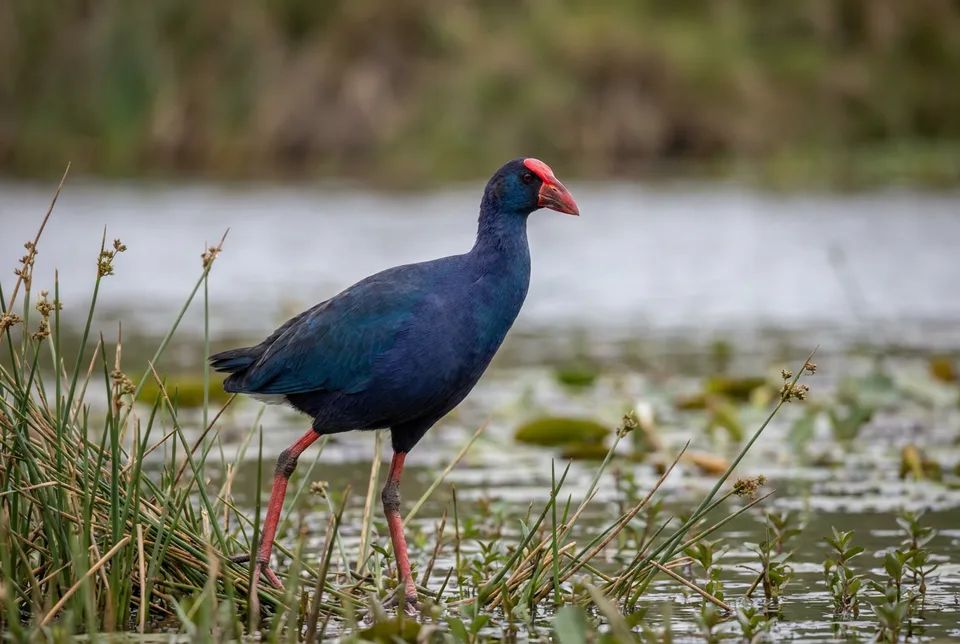
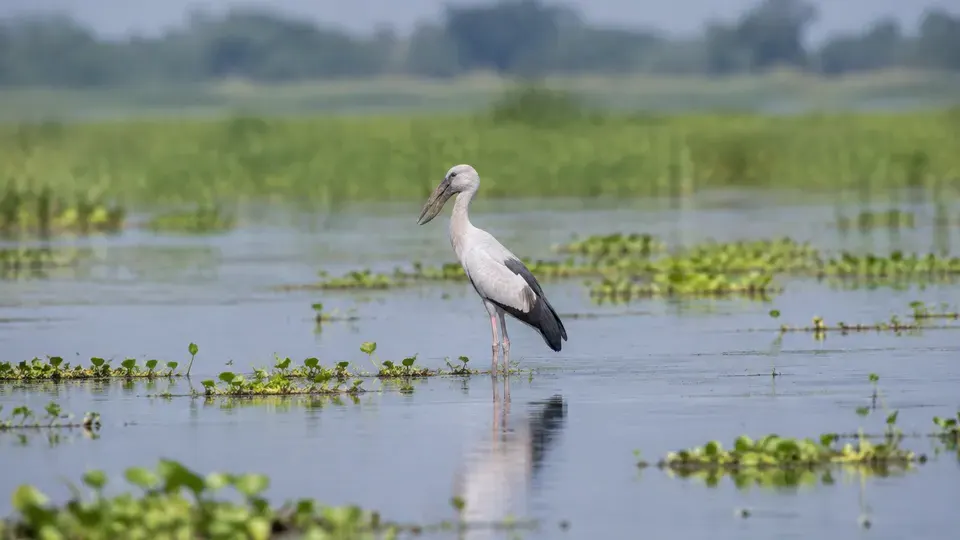
Little grebe in wetland habitat — Rhine, Nile, Douro, Mekong, River Cruises wildlifeAI-modifiedLittle GrebeAfrican Swamphen in wetland habitat — Nile, Egypt, River Cruises wildlifeAI-modifiedAfrican SwamphenAsian openbill in wetland habitat — Mekong, River Cruises wildlifeAI-modifiedAsian Openbill
Animal groupBirdsAnimal groupBirdsAnimal groupBirds
DestinationsRhine, Nile, Douro, MekongDestinationsNileDestinationsMekong
Scientific name
Tachybaptus ruficollis
Scientific name
Scientific name
Previous speciesLittle EgretNext speciesLittle Ringed Plover
All river wildlife
On this page
  • 01About
  • 02Behaviour & reproduction
  • 03Top wildlife locations
  • 04Fun facts
  • 05Best season
  • 06Season matrix by destination
  • 07Habitat
  • 08Diet
  • 09Species at a glance
  • 10Questions & answers
  • 11Compare

Find your river cruise

AI-modified
Plan your trip

Find your next river journey

Compare destinations, shore programs and dates with the animals and habitats you would love to see.

  • Daily shore excursions
  • Responsible wildlife watching
  • Boutique river ships
Explore river cruises