Bluerides – Blue Rides - Book Liveaboards worldwideOCEAN ADVENTURES
River CruisesRiversNature & WildlifeOur Promise
River CruisesRiversNature & WildlifeOur PromiseSign In

River destinations

  • River destinations
  • Amazon
  • Danube
  • Rhine
  • Mekong
  • Nile

Ships & departures

  • River Cruise Search
  • Deals

Nature & Wildlife

  • Nature & Wildlife

Travel support

  • Our Promise
  • Contact

Contact

Get in Touch

Get in touch anytime, we're happy to help you find the right trip or sort out any question.

EmailWrite us, we usually reply within a few hours.
contact@bluerides.com
WhatsAppChat with us on WhatsApp, Mon–Fri 10:00–16:00 (CET).
Start WhatsApp Chat
PhoneCall us, we're happy to help.
Free call, Mon–Fri 10 AM – 8 PM (CET).
Europe+49 800 1144 990USA+1 888 557 7735UK+44 800 707 4152Australia+61 2 8599 6113Canada+1 888 557 7735
Which river journey is yours?Answer 8 quick questions and find the river cruise that fits you.
8 questions, 1 minute·Plus Gift
Secure Payment MethodsYour payments are fully secured with AES-256 encryption.
Powered byStripeWiseAMEXPayGoogle PaySEPABank
Imprint·Terms & Conditions·Privacy Policy·About·Contact·Liability Waiver·Affiliate Program·Cruise·Blog·
Visit us here

© 2026 Blue Rides. All rights reserved.

Bluerides – Blue Rides - Book Liveaboards worldwideOCEAN ADVENTURES
River CruisesRiversNature & WildlifeOur Promise
River CruisesRiversNature & WildlifeOur PromiseSign In
Green-winged Teal in wetland habitat — Columbia, Mississippi, River Cruises wildlifeAI-modified
Home›River Cruises›River Wildlife›Green-winged Teal

Green-winged TealAnas creccaWhere and when to see them

Previous speciesGreen-tailed JacamarNext speciesGrey Heron

Green-winged Teal at a glance

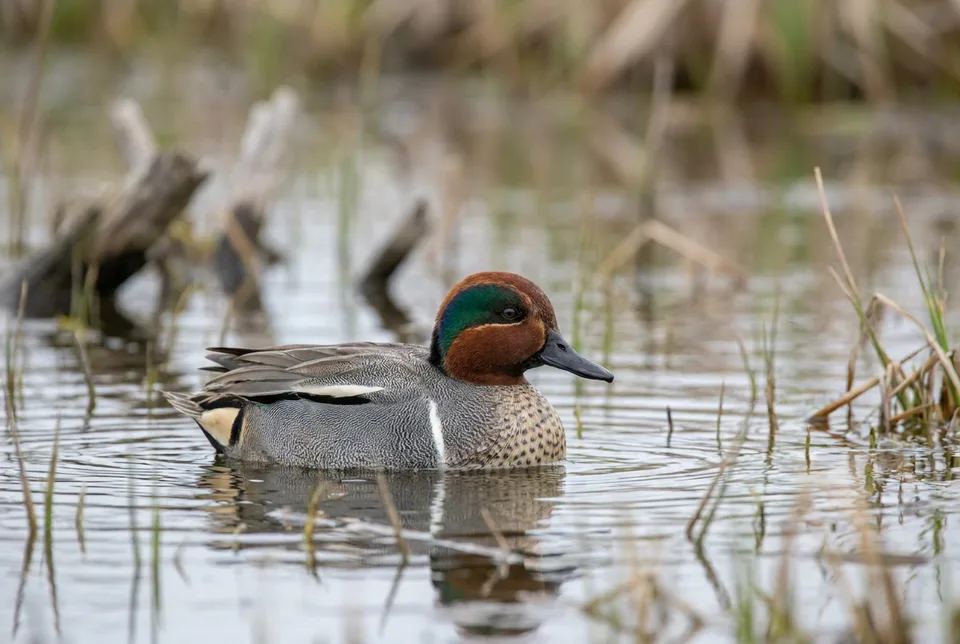
Small size is the first clue to a Green-winged Teal among larger dabbling ducks. The male’s cinnamon head carries a green crescent behind the eye, while brown females can be recognised only by a more careful combination of shape and markings. Cornell describes it as North America’s smallest dabbling duck and highlights its use of very shallow water. The registry retains Anas crecca for this North American entry; it must not be conflated with a separately registered Eurasian teal destination merely because a broad taxonomic treatment groups the forms. Local evidence belongs to the exact species entry and river association. Look along puddled margins as well as the larger wetland surface.

Behaviour & reproduction

Size
Not verified
Weight
Not verified
Lifespan
Not verified
Status
Cornell: Low Concern; not an IUCN category.

Teal obtain food by surface dabbling, dipping the head and neck, tipping up and probing exposed mud. Their compact bodies allow them to exploit very shallow feeding areas alongside larger ducks. Migrating and wintering birds may feed by day or night, so visible activity changes without necessarily indicating departure. Cornell describes northern breeding habitats and well-concealed ground nesting rather than a reliance on open water alone. Listen for the male’s whistle, which contrasts with the expected quacking of a familiar duck flock. Avoid pursuing a small group into cover: settling at a viewpoint gives more opportunity to notice how birds move between mud, shallow water and emergent vegetation.

Top wildlife locations

Columbia river landscape — River Cruises wildlife habitatAI-modified

Columbia

Most records cover Umatilla refuge backwaters along the Columbia near Boardman–Irrigon. Seasonal waterfowl may be best in winter rather than the sailing season. Bighorn sheep require a separate Hells Canyon excursion on the Snake River.
Explore river cruises
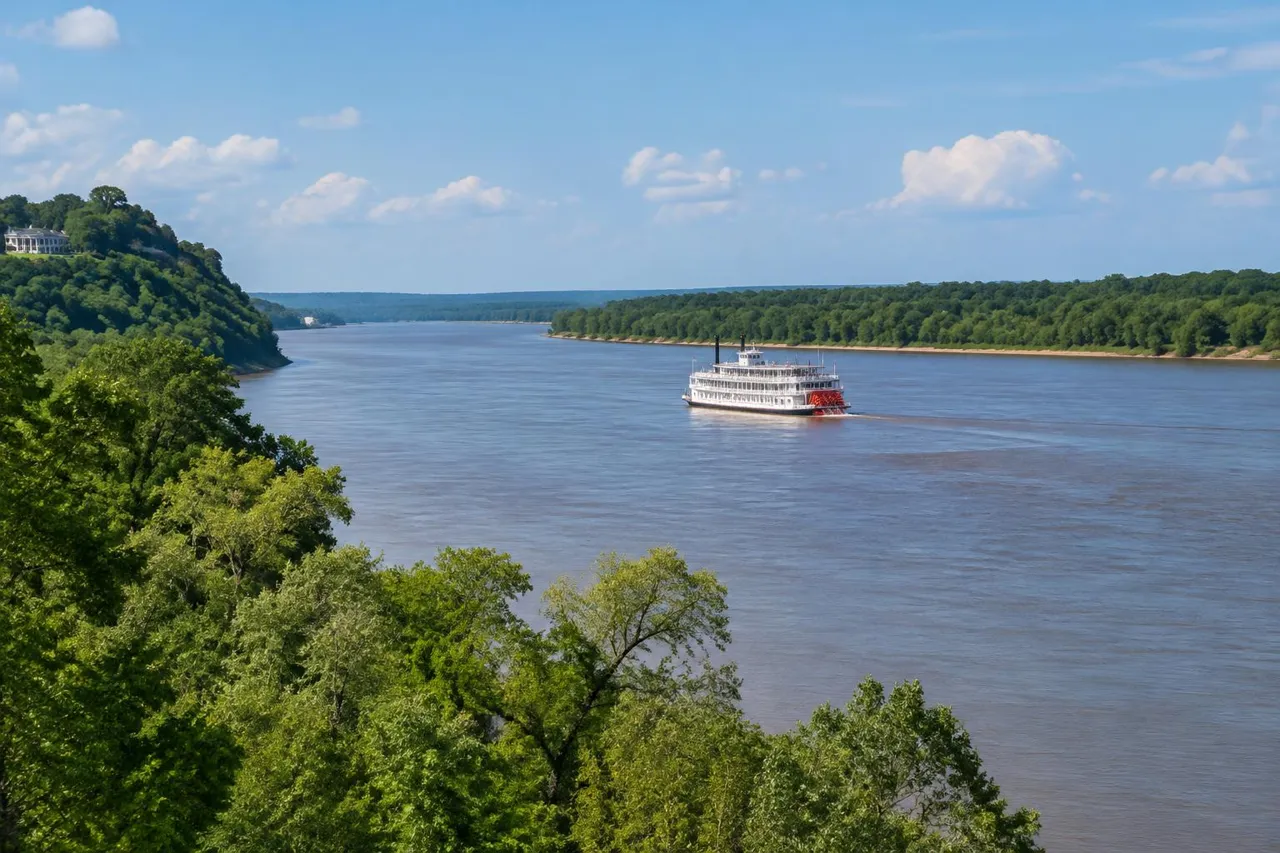
Mississippi river landscape — River Cruises wildlife habitatAI-modified

Mississippi

Upper Mississippi — Upper Mississippi River NWR, Wabasha MN–Rock Island IL

Explore river cruises

Destinations describe the species' habitat, not guaranteed cruise stops. Some animals require an optional inland excursion or are found in restricted reserves.

Fun facts about the Green-winged Teal

  • It is North America’s smallest dabbling duck.
  • Males have a green crescent behind the eye.
  • Both sexes have green wing patches.
  • The male gives a whistle.
  • Birds feed in very shallow water.
  • They also probe mud for food.
  • Seeds and aquatic invertebrates dominate the diet.
  • Young chicks eat many insect larvae.
  • North American males show a vertical white shoulder stripe.

Best time to see the Green-winged Teal

For Green-winged teal, the strongest local viewing guidance here is the Upper Mississippi refuge’s own recommendation for backwater overlooks. Its birding account explicitly names this species among ducks gathering from mid–late September through late October or early November. The stored months are therefore September, October and November, but the first and last are partial windows; this is not a claim of equal abundance throughout all three months. This recommendation applies only to the listed Upper Mississippi refuge backwaters; all other registered locations retain unknown months.

Green-winged Teal: season matrix by destination

Highlighted months reflect the stated local evidence, not guaranteed encounters. Neutral months mean no verified monthly viewing window, not absence. Observation records and recommended viewing windows are distinct.

Columbia

No river-specific wildlife calendar is confirmed. Check the actual river reach, local conditions and excursion access with your operator.

JanFebMarAprMayJunJulAugSepOctNovDec
Explore river cruises

Mississippi

Upper Mississippi backwater overlooks: mid–late September through late October/early November; September and November are partial months, not whole-month guarantees.

JanFebMarAprMayJunJulAugSepOctNovDec
Explore river cruises

Where the Green-winged Teal lives

Northern river deltas, forest wetlands, prairie wetlands and beaver ponds all appear in Cornell’s breeding account. Migration and winter habitats include shallow marshes, flooded fields, sloughs, estuaries and bayous. These birds can feed in remarkably little water, making a muddy fringe or flooded depression worth a second look. For registered river destinations, inspect accessible backwater margins rather than assuming the main channel offers the best habitat. A shallow pool’s value depends on food and cover as well as its area. Use refuge trails and overlooks; walking through wet vegetation can displace concealed birds long before an observer notices them. Do not transfer a season from a similarly named teal at another river.

What the Green-winged Teal eats

Aquatic invertebrates and seeds dominate the Green-winged Teal’s diet. Cornell records feeding at shorelines, in shallow water, on mudflats and in agricultural fields, with birds exploiting locally abundant foods. Plant items include seeds from wetland vegetation and crops; animal food includes small crustaceans, mollusks, midges and other organisms. Very young chicks rely especially on insect larvae. Surface straining and mud probing can therefore be equally normal behaviours. A bill that appears to pick at bare sediment may be finding minute food invisible from the bank. Describe the feeding technique rather than assigning an exact food item that cannot be resolved through binoculars.

Species at a glance

Common name
Green-winged Teal
Scientific name
Anas crecca
Animal group
Birds
Size
Not verified in the accessible source text.
Weight
Not verified in the accessible source text.
Lifespan
Wild lifespan not verified in the accessible source text.
Status
Cornell: Low Concern; not an IUCN category.
Identification
The small compact body and relatively small bill are useful in both sexes. Adult males have a cinnamon head with a green crescent extending behind the eye; North American males also show the vertical white shoulder stripe discussed by Cornell. Females are brown, with a compact silhouette and buffy yellow stripe near the tail as supporting clues. Both sexes can flash green wing patches in flight, though a brief colour flash is rarely sufficient on its own. American and Eurasian males differ in their white body markings. Retain the registry identity and document uncertain birds with a full side view rather than treating all small green-winged teal forms as interchangeable location records.

Green-winged Teal: frequently asked questions

Where can I see the Green-winged Teal?
Columbia, Mississippi. Search the feet of larger ducks in a mixed flock: teal can disappear visually among their bodies and reflections. Compare size with neighbours at a similar distance, then wait for an unobstructed head and side view. A scope helps distinguish a male’s green head crescent from the shaded face of another duck. Brown females deserve deliberate attention rather than being labelled young Mallards. The Upper Mississippi autumn recommendation explicitly names Green-winged Teal, but its months are not a calendar for other rivers or for the Eurasian entry. Keep to the overlook, avoid flushing the muddy fringe and allow submerged or concealed birds to reappear before counting.
When is the best time to see the Green-winged Teal?
For Green-winged teal, the strongest local viewing guidance here is the Upper Mississippi refuge’s own recommendation for backwater overlooks. Its birding account explicitly names this species among ducks gathering from mid–late September through late October or early November. The stored months are therefore September, October and November, but the first and last are partial windows; this is not a claim of equal abundance throughout all three months. This recommendation applies only to the listed Upper Mississippi refuge backwaters; all other registered locations retain unknown months.
How big does the Green-winged Teal get?
Not verified in the accessible source text.. Adult weight: Not verified in the accessible source text.. Size varies with age, sex and population.
How should I behave around the Green-winged Teal?
Search the feet of larger ducks in a mixed flock: teal can disappear visually among their bodies and reflections. Compare size with neighbours at a similar distance, then wait for an unobstructed head and side view. A scope helps distinguish a male’s green head crescent from the shaded face of another duck. Brown females deserve deliberate attention rather than being labelled young Mallards. The Upper Mississippi autumn recommendation explicitly names Green-winged Teal, but its months are not a calendar for other rivers or for the Eurasian entry. Keep to the overlook, avoid flushing the muddy fringe and allow submerged or concealed birds to reappear before counting.
What does the Green-winged Teal eat?
Aquatic invertebrates and seeds dominate the Green-winged Teal’s diet. Cornell records feeding at shorelines, in shallow water, on mudflats and in agricultural fields, with birds exploiting locally abundant foods. Plant items include seeds from wetland vegetation and crops; animal food includes small crustaceans, mollusks, midges and other organisms. Very young chicks rely especially on insect larvae. Surface straining and mud probing can therefore be equally normal behaviours. A bill that appears to pick at bare sediment may be finding minute food invisible from the bank. Describe the feeding technique rather than assigning an exact food item that cannot be resolved through binoculars.
Are wildlife sightings guaranteed on a river cruise?
No. Animals move freely and routes, weather, access restrictions and local conditions influence every outing. Confirm the actual itinerary and shore program before booking.

Compare wildlife in the same destinations

Explore other birds recorded in these destinations. Similar surroundings do not mean the animals share the same habits or viewing season.

Species comparison by animal group and destination
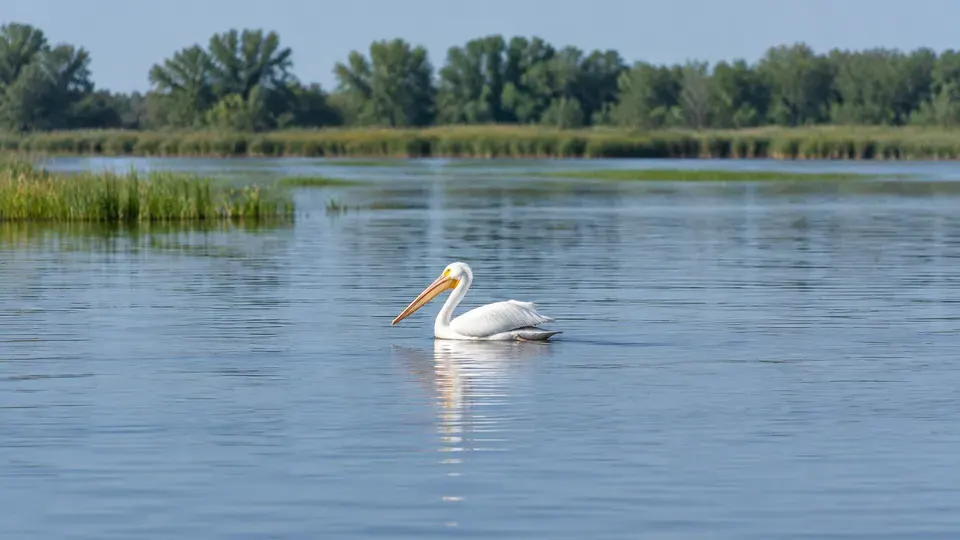
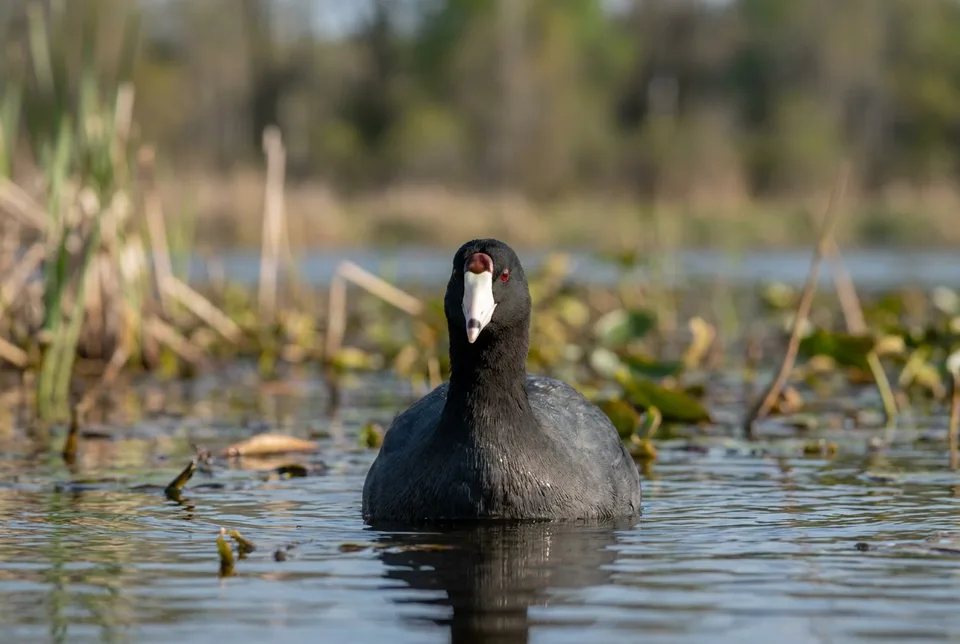
Green-winged Teal in wetland habitat — Columbia, Mississippi, River Cruises wildlifeAI-modifiedGreen-winged TealAmerican Coot in wetland habitat — Columbia, River Cruises wildlifeAI-modifiedAmerican CootAmerican white pelican in wetland habitat — Columbia, Mississippi, River Cruises wildlifeAI-modifiedAmerican White Pelican
Animal groupBirdsAnimal groupBirdsAnimal groupBirds
DestinationsColumbia, MississippiDestinationsColumbiaDestinationsColumbia, Mississippi
Scientific name
Anas crecca
Scientific name
Scientific name
Previous speciesGreen-tailed JacamarNext speciesGrey Heron
All river wildlife
On this page
  • 01About
  • 02Behaviour & reproduction
  • 03Top wildlife locations
  • 04Fun facts
  • 05Best season
  • 06Season matrix by destination
  • 07Habitat
  • 08Diet
  • 09Species at a glance
  • 10Questions & answers
  • 11Compare

Find your river cruise

AI-modified
Plan your trip

Find your next river journey

Compare destinations, shore programs and dates with the animals and habitats you would love to see.

  • Daily shore excursions
  • Responsible wildlife watching
  • Boutique river ships
Explore river cruises