Bluerides – Blue Rides - Book Liveaboards worldwideOCEAN ADVENTURES
River CruisesRiversNature & WildlifeOur Promise
River CruisesRiversNature & WildlifeOur PromiseSign In

River destinations

  • River destinations
  • Amazon
  • Danube
  • Rhine
  • Mekong
  • Nile

Ships & departures

  • River Cruise Search
  • Deals

Nature & Wildlife

  • Nature & Wildlife

Travel support

  • Our Promise
  • Contact

Contact

Get in Touch

Get in touch anytime, we're happy to help you find the right trip or sort out any question.

EmailWrite us, we usually reply within a few hours.
contact@bluerides.com
WhatsAppChat with us on WhatsApp, Mon–Fri 10:00–16:00 (CET).
Start WhatsApp Chat
PhoneCall us, we're happy to help.
Free call, Mon–Fri 10 AM – 8 PM (CET).
Europe+49 800 1144 990USA+1 888 557 7735UK+44 800 707 4152Australia+61 2 8599 6113Canada+1 888 557 7735
Which river journey is yours?Answer 8 quick questions and find the river cruise that fits you.
8 questions, 1 minute·Plus Gift
Secure Payment MethodsYour payments are fully secured with AES-256 encryption.
Powered byStripeWiseAMEXPayGoogle PaySEPABank
Imprint·Terms & Conditions·Privacy Policy·About·Contact·Liability Waiver·Affiliate Program·Cruise·Blog·
Visit us here

© 2026 Blue Rides. All rights reserved.

Bluerides – Blue Rides - Book Liveaboards worldwideOCEAN ADVENTURES
River CruisesRiversNature & WildlifeOur Promise
River CruisesRiversNature & WildlifeOur PromiseSign In
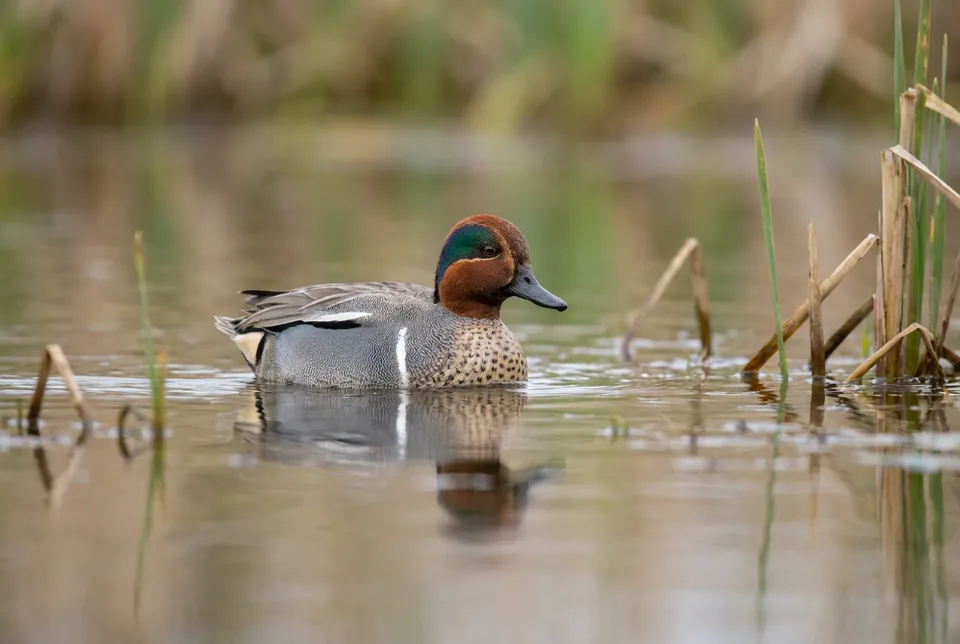
Eurasian Teal in wetland habitat — Rhine, River Cruises wildlifeAI-modified
Home›River Cruises›River Wildlife›Eurasian Teal

Eurasian TealAnas creccaWhere and when to see them

Previous speciesEurasian SpoonbillNext speciesEurasian Wren

Eurasian Teal at a glance

The Eurasian Teal is a small dabbling duck, often easiest to appreciate when a male's green eye patch catches the light. The registered Rhine reach is Grafenwerth–Königswinter south of Bonn, not Cologne city. A shore-based telescope view is a more realistic opportunity than expecting close identification from a moving ship. Species background source: https://www.wildlifetrusts.org/wildlife-explorer/birds/waterfowl/teal

Behaviour & reproduction

Size
34–38 cm (13.4–15.0 in) body length; wingspan about 61 cm (24.0 in).
Weight
Approximately 330 g (11.6 oz).
Lifespan
Average 3 years reported by The Wildlife Trusts; not a Rhine-specific estimate.
Status
UK Amber according to The Wildlife Trusts; global and German assessments not verified.

The Wildlife Trusts describes winter gatherings and sudden upward take-off by flocks. Rapid collective movement can make a distant group conspicuous even before individual plumage is resolved. A flock's response to a passing person should not be deliberately provoked, particularly when birds are resting or feeding.

Top wildlife locations

Rhine river landscape — River Cruises wildlife habitatAI-modified

Rhine

Lower end of Middle Rhine: Grafenwerth–Königswinter, south of Bonn/Cologne, not Cologne city. Viewing: Best winter or spring/autumn passage; view from riverbank; use telescope for ducks and gravel banks.
Explore river cruises

Destinations describe the species' habitat, not guaranteed cruise stops. Some animals require an optional inland excursion or are found in restricted reserves.

Fun facts about the Eurasian Teal

  • It is a small dabbling duck.
  • Males have chestnut heads.
  • The male eye patch is green.
  • Females are mottled brown.
  • Both sexes have a green wing patch.
  • Winter flocks can take off abruptly.
  • The registered reach lies south of Bonn.

Best time to see the Eurasian Teal

The registry favours winter and spring or autumn passage. The Wildlife Trusts confirms strong winter use of British wetlands, but that does not establish monthly recurrence at Grafenwerth–Königswinter. A local numeric calendar was not verified, so no months have been assigned. Dates from isolated sightings would not resolve this limitation.

Eurasian Teal: season matrix by destination

Highlighted months reflect the stated local evidence, not guaranteed encounters. Neutral months mean no verified monthly viewing window, not absence. Observation records and recommended viewing windows are distinct.

Rhine

Registry favours winter and passage. Independent recurring numerical season for Grafenwerth–Königswinter not verified.

JanFebMarAprMayJunJulAugSepOctNovDec
Explore river cruises

Where the Eurasian Teal lives

Flooded gravel pits, reservoirs and floodplain meadows are highlighted in the retrieved account. The local registry instead specifies riverbank viewing at the lower end of the Middle Rhine. Broader wetland preferences help explain the ecology but do not verify occupation of a particular gravel bank during a visit.

What the Eurasian Teal eats

A species-specific dietary description was not verified in the retrieved passages. The label dabbling duck describes a feeding style, not an exact menu or locally measured food proportions. Rhine prey, seed preferences and seasonal dietary changes remain not verified. Observe naturally feeding birds without introducing bread or grain.

Species at a glance

Common name
Eurasian Teal
Scientific name
Anas crecca
Animal group
Birds
Size
34–38 cm (13.4–15.0 in) body length; wingspan about 61 cm (24.0 in).
Weight
Approximately 330 g (11.6 oz).
Lifespan
Average 3 years reported by The Wildlife Trusts; not a Rhine-specific estimate.
Status
UK Amber according to The Wildlife Trusts; global and German assessments not verified.
Identification
Males show a chestnut head with a green eye patch, grey body, speckled breast and yellow-and-black rear pattern. Females are mottled brown. The Wildlife Trusts notes a bright green wing patch in both sexes. Size, head pattern and wing detail together are stronger than a fleeting green reflection.

Eurasian Teal: frequently asked questions

Where can I see the Eurasian Teal?
Rhine. Use a stable public bank viewpoint and a telescope to separate small ducks from larger species. Watch quietly and let feeding birds turn naturally. On a windy day, sheltered water may be easier to inspect, but this practical consideration is not evidence of seasonal presence. Keep clear of gravel-bank refuges and resting flocks.
When is the best time to see the Eurasian Teal?
The registry favours winter and spring or autumn passage. The Wildlife Trusts confirms strong winter use of British wetlands, but that does not establish monthly recurrence at Grafenwerth–Königswinter. A local numeric calendar was not verified, so no months have been assigned. Dates from isolated sightings would not resolve this limitation.
How big does the Eurasian Teal get?
34–38 cm (13.4–15.0 in) body length; wingspan about 61 cm (24.0 in).. Adult weight: Approximately 330 g (11.6 oz).. Size varies with age, sex and population.
How should I behave around the Eurasian Teal?
Use a stable public bank viewpoint and a telescope to separate small ducks from larger species. Watch quietly and let feeding birds turn naturally. On a windy day, sheltered water may be easier to inspect, but this practical consideration is not evidence of seasonal presence. Keep clear of gravel-bank refuges and resting flocks.
What does the Eurasian Teal eat?
A species-specific dietary description was not verified in the retrieved passages. The label dabbling duck describes a feeding style, not an exact menu or locally measured food proportions. Rhine prey, seed preferences and seasonal dietary changes remain not verified. Observe naturally feeding birds without introducing bread or grain.
Are wildlife sightings guaranteed on a river cruise?
No. Animals move freely and routes, weather, access restrictions and local conditions influence every outing. Confirm the actual itinerary and shore program before booking.

Compare wildlife in the same destinations

Explore other birds recorded in these destinations. Similar surroundings do not mean the animals share the same habits or viewing season.

Species comparison by animal group and destination
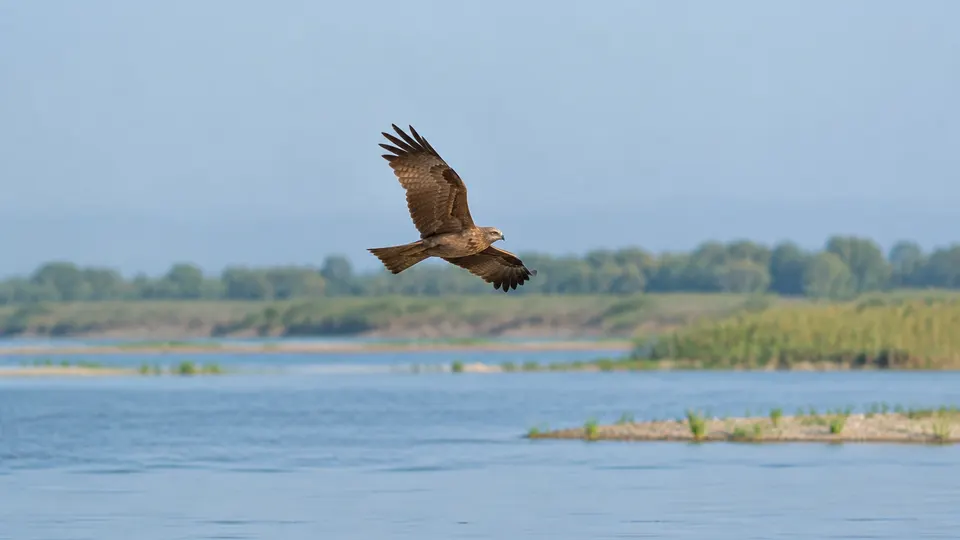
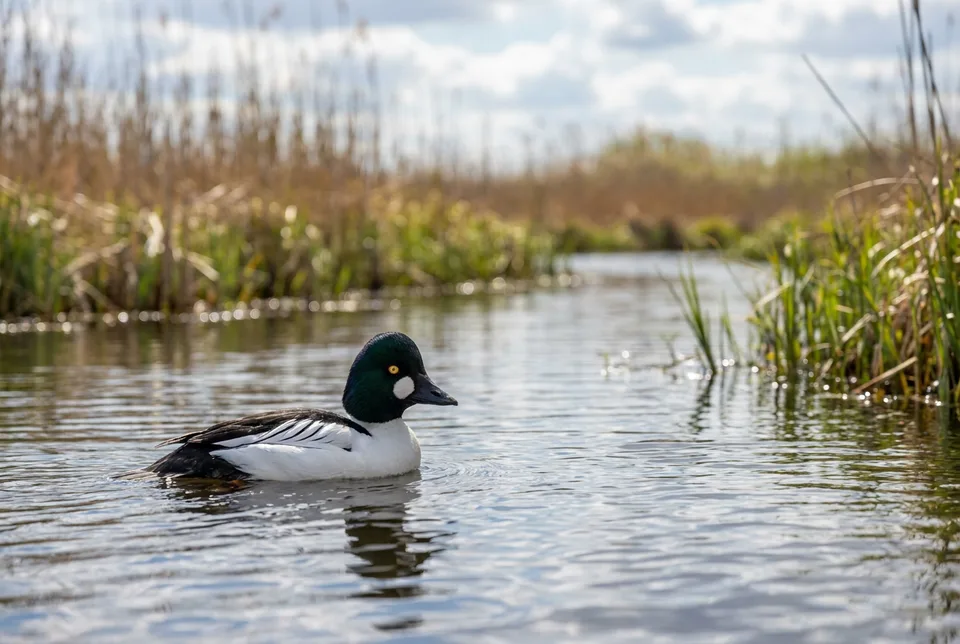
Eurasian Teal in wetland habitat — Rhine, River Cruises wildlifeAI-modifiedEurasian TealBlack kite in wetland habitat — Danube, Rhine, River Cruises wildlifeAI-modifiedBlack KiteCommon Goldeneye in wetland habitat — Rhine, River Cruises wildlifeAI-modifiedCommon Goldeneye
Animal groupBirdsAnimal groupBirdsAnimal groupBirds
DestinationsRhineDestinationsDanube, RhineDestinationsRhine
Scientific name
Anas crecca
Scientific name
Scientific name
Previous speciesEurasian SpoonbillNext speciesEurasian Wren
All river wildlife
On this page
  • 01About
  • 02Behaviour & reproduction
  • 03Top wildlife locations
  • 04Fun facts
  • 05Best season
  • 06Season matrix by destination
  • 07Habitat
  • 08Diet
  • 09Species at a glance
  • 10Questions & answers
  • 11Compare

Find your river cruise

AI-modified
Plan your trip

Find your next river journey

Compare destinations, shore programs and dates with the animals and habitats you would love to see.

  • Daily shore excursions
  • Responsible wildlife watching
  • Boutique river ships
Explore river cruises