Bluerides – Blue Rides - Book Liveaboards worldwideOCEAN ADVENTURES
River CruisesRiversNature & WildlifeOur Promise
River CruisesRiversNature & WildlifeOur PromiseSign In

River destinations

  • River destinations
  • Amazon
  • Danube
  • Rhine
  • Mekong
  • Nile

Ships & departures

  • River Cruise Search
  • Deals

Nature & Wildlife

  • Nature & Wildlife

Travel support

  • Our Promise
  • Contact

Contact

Get in Touch

Get in touch anytime, we're happy to help you find the right trip or sort out any question.

EmailWrite us, we usually reply within a few hours.
contact@bluerides.com
WhatsAppChat with us on WhatsApp, Mon–Fri 10:00–16:00 (CET).
Start WhatsApp Chat
PhoneCall us, we're happy to help.
Free call, Mon–Fri 10 AM – 8 PM (CET).
Europe+49 800 1144 990USA+1 888 557 7735UK+44 800 707 4152Australia+61 2 8599 6113Canada+1 888 557 7735
Which river journey is yours?Answer 8 quick questions and find the river cruise that fits you.
8 questions, 1 minute·Plus Gift
Secure Payment MethodsYour payments are fully secured with AES-256 encryption.
Powered byStripeWiseAMEXPayGoogle PaySEPABank
Imprint·Terms & Conditions·Privacy Policy·About·Contact·Liability Waiver·Affiliate Program·Cruise·Blog·
Visit us here

© 2026 Blue Rides. All rights reserved.

Bluerides – Blue Rides - Book Liveaboards worldwideOCEAN ADVENTURES
River CruisesRiversNature & WildlifeOur Promise
River CruisesRiversNature & WildlifeOur PromiseSign In
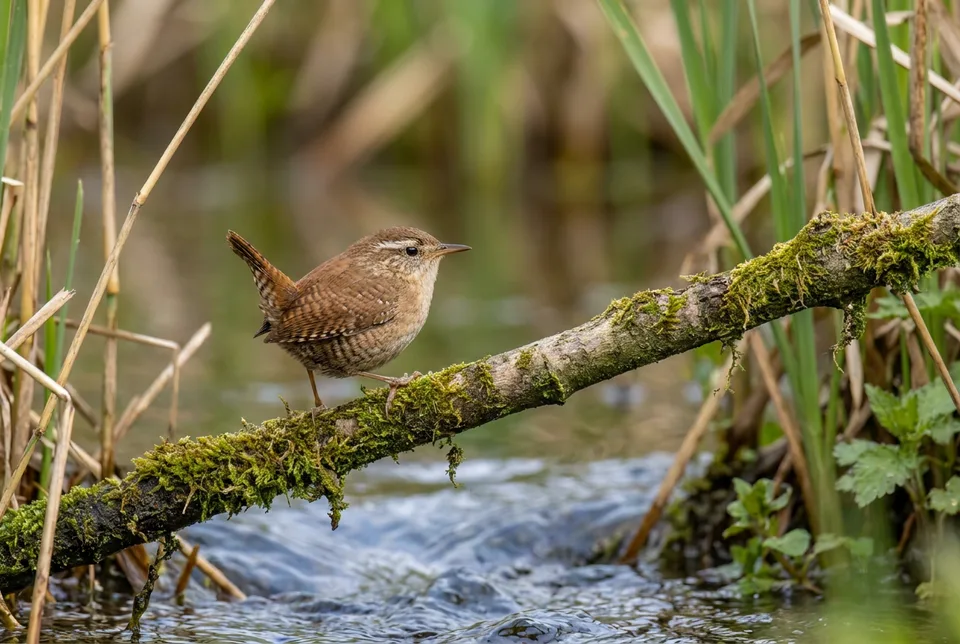
Eurasian Wren in wetland habitat — Douro, River Cruises wildlifeAI-modified
Home›River Cruises›River Wildlife›Eurasian Wren

Eurasian WrenTroglodytes troglodytesWhere and when to see them

Previous speciesEurasian TealNext speciesEurasian Wryneck

Eurasian Wren at a glance

The Eurasian Wren is a tiny, rounded brown bird with a voice far larger than its appearance suggests. It is more likely to be noticed in dense terrestrial cover than among the estuary's open-water birds. The registered Douro location is the reserve beside Porto and Vila Nova de Gaia, not an inland valley excursion. Species background source: https://www.rspb.org.uk/birds-and-wildlife/wren

Behaviour & reproduction

Size
not verified
Weight
not verified
Lifespan
not verified
Status
UK Amber according to RSPB; Portuguese and global assessments not verified.

RSPB describes almost constant movement through undergrowth, crevices and trees. The short tail is often held upright, though not in every posture. A hidden singer can remain surprisingly difficult to locate, and repeated glimpses may show only the back or tail before the bird slips into cover.

Top wildlife locations

Douro river landscape — River Cruises wildlife habitatAI-modified

Douro

Porto / Vila Nova de Gaia: Douro estuary reserve, Afurada–Cabedelo–São Paio; NOT a claim for inland Régua–Pinhão Viewing: Accessible Porto shore visit with paths and hides; waders/gulls concentrated at low tide and migration/winter. Osprey and Short-eared Owl irregular/seasonal; no guaranteed sightings.

Explore river cruises

Destinations describe the species' habitat, not guaranteed cruise stops. Some animals require an optional inland excursion or are found in restricted reserves.

Fun facts about the Eurasian Wren

  • It has a remarkably loud voice.
  • The tail is short and often upright.
  • The bill is thin and pointed.
  • A pale eyebrow can be visible.
  • Fine barring marks the wings.
  • Males and females look alike.
  • Dense cover can conceal a nearby singer.

Best time to see the Eurasian Wren

The local material retrieved did not establish a recurring numerical observation season. General advice about estuary migration and winter waterbirds must not be transferred to the Wren. British residency and winter sensitivity are not Porto month evidence either. The location array remains empty, with no unsupported best-month ranking.

Eurasian Wren: season matrix by destination

Highlighted months reflect the stated local evidence, not guaranteed encounters. Neutral months mean no verified monthly viewing window, not absence. Observation records and recommended viewing windows are distinct.

Douro

Local site lists Carriça, but a recurring monthly calendar was not verified.

JanFebMarAprMayJunJulAugSepOctNovDec
Explore river cruises

Where the Eurasian Wren lives

Dense low vegetation and small sheltered spaces are more useful search targets than broad views of sandbars. RSPB records the species across gardens, woodland and farmland in Britain, but those broad habitat statements do not establish Portuguese abundance. At the estuary reserve, observe terrestrial edge habitat from the authorised paths.

What the Eurasian Wren eats

Detailed species-specific food information was not verified in the retrieved passages. A fine pointed bill does not justify inventing a local invertebrate inventory. Dietary proportions, tidal relationships and a Douro seasonal feeding calendar remain not verified. Leave leaf litter and low vegetation undisturbed rather than searching for presumed prey.

Species at a glance

Common name
Eurasian Wren
Scientific name
Troglodytes troglodytes
Animal group
Birds
Size
not verified
Weight
not verified
Lifespan
not verified
Status
UK Amber according to RSPB; Portuguese and global assessments not verified.
Identification
RSPB highlights the very short tail, thin pointed bill, pale eyebrow and delicate dark barring on wings. The overall outline is rounded with relatively long legs and toes. Sexes look alike. A tail held upright supports identification but should not be used alone, especially when only a fragment of a small brown bird is visible.

Eurasian Wren: frequently asked questions

Where can I see the Eurasian Wren?
Douro. Stand quietly beside low cover and listen before scanning for movement. A brief stop can reveal a bird that would stay hidden beside a continuously moving group. Avoid playback, pushing through shrubs or approaching a suspected nest. Record a short naturally heard song only where local rules and other visitors permit.
When is the best time to see the Eurasian Wren?
The local material retrieved did not establish a recurring numerical observation season. General advice about estuary migration and winter waterbirds must not be transferred to the Wren. British residency and winter sensitivity are not Porto month evidence either. The location array remains empty, with no unsupported best-month ranking.
How big does the Eurasian Wren get?
not verified. Adult weight: not verified. Size varies with age, sex and population.
How should I behave around the Eurasian Wren?
Stand quietly beside low cover and listen before scanning for movement. A brief stop can reveal a bird that would stay hidden beside a continuously moving group. Avoid playback, pushing through shrubs or approaching a suspected nest. Record a short naturally heard song only where local rules and other visitors permit.
What does the Eurasian Wren eat?
Detailed species-specific food information was not verified in the retrieved passages. A fine pointed bill does not justify inventing a local invertebrate inventory. Dietary proportions, tidal relationships and a Douro seasonal feeding calendar remain not verified. Leave leaf litter and low vegetation undisturbed rather than searching for presumed prey.
Are wildlife sightings guaranteed on a river cruise?
No. Animals move freely and routes, weather, access restrictions and local conditions influence every outing. Confirm the actual itinerary and shore program before booking.

Compare wildlife in the same destinations

Explore other birds recorded in these destinations. Similar surroundings do not mean the animals share the same habits or viewing season.

Species comparison by animal group and destination
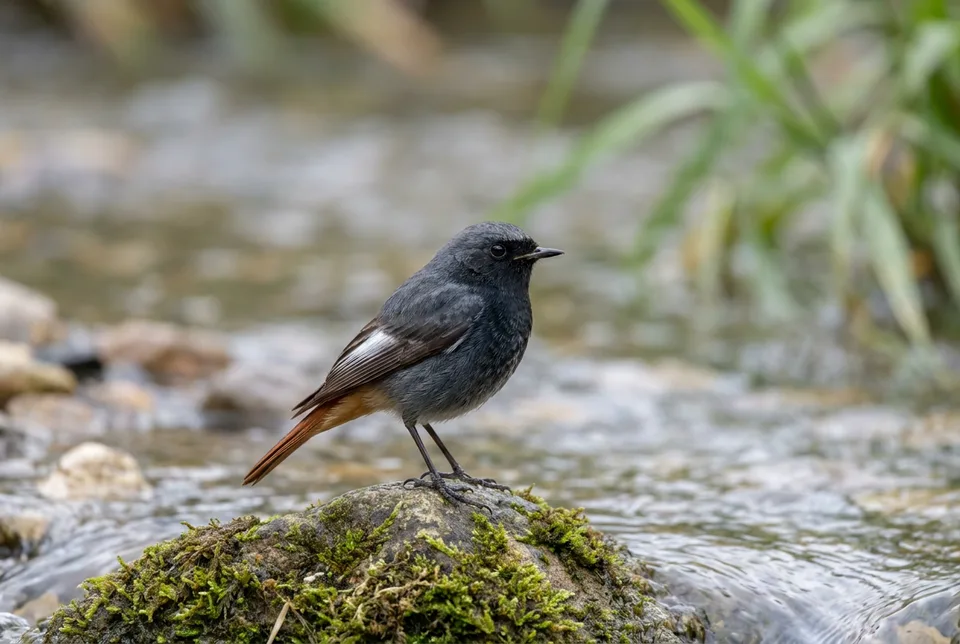
Eurasian Wren in wetland habitat — Douro, River Cruises wildlifeAI-modifiedEurasian WrenBar-tailed godwit in wetland habitat — Douro, River Cruises wildlifeAI-modifiedBar-tailed godwitBlack Redstart in wetland habitat — Saone, Douro, River Cruises wildlifeAI-modifiedBlack Redstart
Animal groupBirdsAnimal groupBirdsAnimal groupBirds
DestinationsDouroDestinationsDouroDestinationsSaone, Douro
Scientific name
Troglodytes troglodytes
Scientific name
Scientific name
Previous speciesEurasian TealNext speciesEurasian Wryneck
All river wildlife
On this page
  • 01About
  • 02Behaviour & reproduction
  • 03Top wildlife locations
  • 04Fun facts
  • 05Best season
  • 06Season matrix by destination
  • 07Habitat
  • 08Diet
  • 09Species at a glance
  • 10Questions & answers
  • 11Compare

Find your river cruise

AI-modified
Plan your trip

Find your next river journey

Compare destinations, shore programs and dates with the animals and habitats you would love to see.

  • Daily shore excursions
  • Responsible wildlife watching
  • Boutique river ships
Explore river cruises