Bluerides – Blue Rides - Book Liveaboards worldwideOCEAN ADVENTURES
River CruisesRiversNature & WildlifeOur Promise
River CruisesRiversNature & WildlifeOur PromiseSign In

River destinations

  • River destinations
  • Amazon
  • Danube
  • Rhine
  • Mekong
  • Nile

Ships & departures

  • River Cruise Search
  • Deals

Nature & Wildlife

  • Nature & Wildlife

Travel support

  • Our Promise
  • Contact

Contact

Get in Touch

Get in touch anytime, we're happy to help you find the right trip or sort out any question.

EmailWrite us, we usually reply within a few hours.
contact@bluerides.com
WhatsAppChat with us on WhatsApp, Mon–Fri 10:00–16:00 (CET).
Start WhatsApp Chat
PhoneCall us, we're happy to help.
Free call, Mon–Fri 10 AM – 8 PM (CET).
Europe+49 800 1144 990USA+1 888 557 7735UK+44 800 707 4152Australia+61 2 8599 6113Canada+1 888 557 7735
Which river journey is yours?Answer 8 quick questions and find the river cruise that fits you.
8 questions, 1 minute·Plus Gift
Secure Payment MethodsYour payments are fully secured with AES-256 encryption.
Powered byStripeWiseAMEXPayGoogle PaySEPABank
Imprint·Terms & Conditions·Privacy Policy·About·Contact·Liability Waiver·Affiliate Program·Cruise·Blog·
Visit us here

© 2026 Blue Rides. All rights reserved.

Bluerides – Blue Rides - Book Liveaboards worldwideOCEAN ADVENTURES
River CruisesRiversNature & WildlifeOur Promise
River CruisesRiversNature & WildlifeOur PromiseSign In
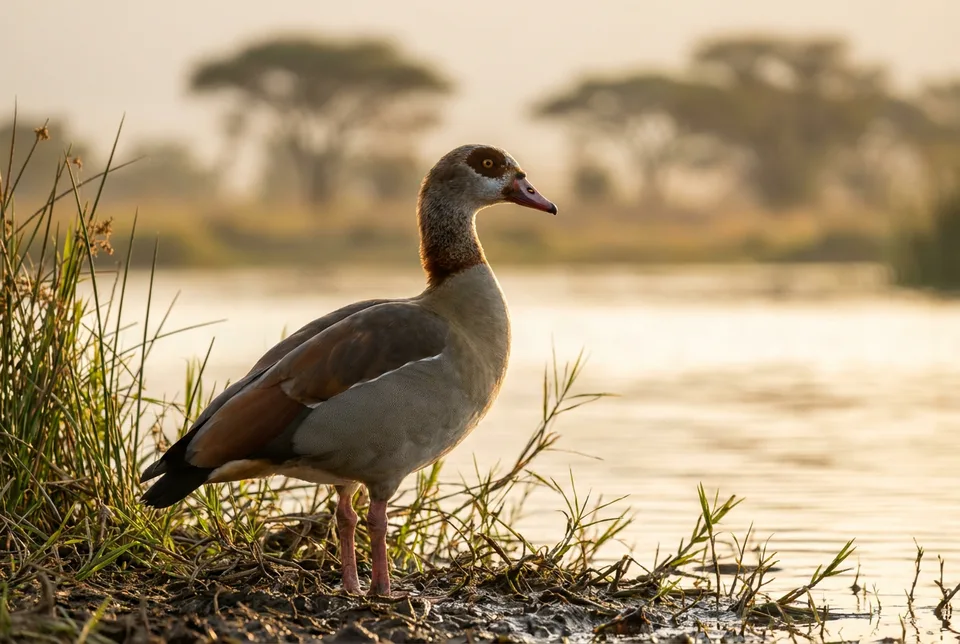
Egyptian Goose in wetland habitat — Nile, River Cruises wildlifeAI-modified
Home›River Cruises›River Wildlife›Egyptian Goose

Egyptian GooseAlopochen aegyptiacaWhere and when to see them

Previous speciesEdible FrogNext speciesEmperor Dragonfly

Egyptian Goose at a glance

The Egyptian Goose is a distinctive African waterbird related to shelducks. The Nile registry concerns wild birds between Luxor and Aswan, including normal cruise and temple-side viewing, not ornamental birds in European parks. Its dark eye patches and broad white wing areas make adults striking when seen well. Species background source: https://www.rspb.org.uk/birds-and-wildlife/egyptian-goose

Behaviour & reproduction

Size
not verified
Weight
not verified
Lifespan
not verified
Status
RSPB gives no UK conservation assessment; native-range and global conservation status not verified.

The Nile cruise report documents birds in an ordinary travel context rather than a controlled wildlife survey. Birds may be watched on river margins or in flight, but the retrieved sources do not quantify behaviour, daily activity or group size along this reach. European escape histories must not be presented as the origin of native Nile birds.

Top wildlife locations

Nile river landscape — River Cruises wildlife habitatAI-modified

Nile

Luxor–Esna–Edfu–Kom Ombo–Aswan; exact observation context in quote Viewing: Wild birds from cruise deck or normal temple/riverbank visits; dated March 2007 observations, not year-round guarantees. Waterfowl and passage birds seasonal; small reed birds require binoculars.
Explore river cruises

Destinations describe the species' habitat, not guaranteed cruise stops. Some animals require an optional inland excursion or are found in restricted reserves.

Fun facts about the Egyptian Goose

  • It is related to shelducks.
  • Dark eye patches are conspicuous.
  • White wing patches show in flight.
  • Its scientific name is Alopochen aegyptiaca.
  • Native Nile birds are distinct from European introduction histories.
  • The registry relies on dated cruise observations.

Best time to see the Egyptian Goose

The registered Nile source is a dated March 2007 cruise report. That is occurrence evidence during one trip, not evidence that March is a recurring best month. Another winter account does not resolve the missing long-term calendar. No monthly season has been assigned, and current local guide advice should supplement, not retroactively expand, those historic records.

Egyptian Goose: season matrix by destination

Highlighted months reflect the stated local evidence, not guaranteed encounters. Neutral months mean no verified monthly viewing window, not absence. Observation records and recommended viewing windows are distinct.

Nile

Dated March 2007 trip evidence only; it does not establish recurring March presence or a year-round observation calendar.

JanFebMarAprMayJunJulAugSepOctNovDec
Explore river cruises

Where the Egyptian Goose lives

The relevant habitat is the Nile corridor between Luxor, Esna, Edfu, Kom Ombo and Aswan. Observations should retain their actual site context instead of implying occupancy beside every temple or berth. RSPB's discussion of introduced ornamental-pond populations describes Britain and is not evidence about Egyptian habitat selection.

What the Egyptian Goose eats

A reliable species-specific dietary account was not retrieved for this profile. Food proportions, preferences and Nile feeding seasons are therefore not verified. Do not infer a menu from unrelated geese or use bread-feeding observations as a description of natural ecology. Watching undisturbed birds is preferable to encouraging them towards a cruise landing.

Species at a glance

Common name
Egyptian Goose
Scientific name
Alopochen aegyptiaca
Animal group
Birds
Size
not verified
Weight
not verified
Lifespan
not verified
Status
RSPB gives no UK conservation assessment; native-range and global conservation status not verified.
Identification
RSPB describes a pale brown and grey bird with conspicuous dark brown patches surrounding the eyes. Broad white wing patches stand out in flight. Use the whole combination rather than the word goose or apparent size alone. Distant waterbirds can remain unidentified when the eye pattern is not visible.

Egyptian Goose: frequently asked questions

Where can I see the Egyptian Goose?
Nile. Scan quiet river margins and exposed banks from the deck where views are unobstructed. At temple stops, stay within permitted visitor areas and keep away from resting birds. A side view of the head or a flight photograph showing the white wings can be useful without approaching.
When is the best time to see the Egyptian Goose?
The registered Nile source is a dated March 2007 cruise report. That is occurrence evidence during one trip, not evidence that March is a recurring best month. Another winter account does not resolve the missing long-term calendar. No monthly season has been assigned, and current local guide advice should supplement, not retroactively expand, those historic records.
How big does the Egyptian Goose get?
not verified. Adult weight: not verified. Size varies with age, sex and population.
How should I behave around the Egyptian Goose?
Scan quiet river margins and exposed banks from the deck where views are unobstructed. At temple stops, stay within permitted visitor areas and keep away from resting birds. A side view of the head or a flight photograph showing the white wings can be useful without approaching.
What does the Egyptian Goose eat?
A reliable species-specific dietary account was not retrieved for this profile. Food proportions, preferences and Nile feeding seasons are therefore not verified. Do not infer a menu from unrelated geese or use bread-feeding observations as a description of natural ecology. Watching undisturbed birds is preferable to encouraging them towards a cruise landing.
Are wildlife sightings guaranteed on a river cruise?
No. Animals move freely and routes, weather, access restrictions and local conditions influence every outing. Confirm the actual itinerary and shore program before booking.

Compare wildlife in the same destinations

Explore other birds recorded in these destinations. Similar surroundings do not mean the animals share the same habits or viewing season.

Species comparison by animal group and destination
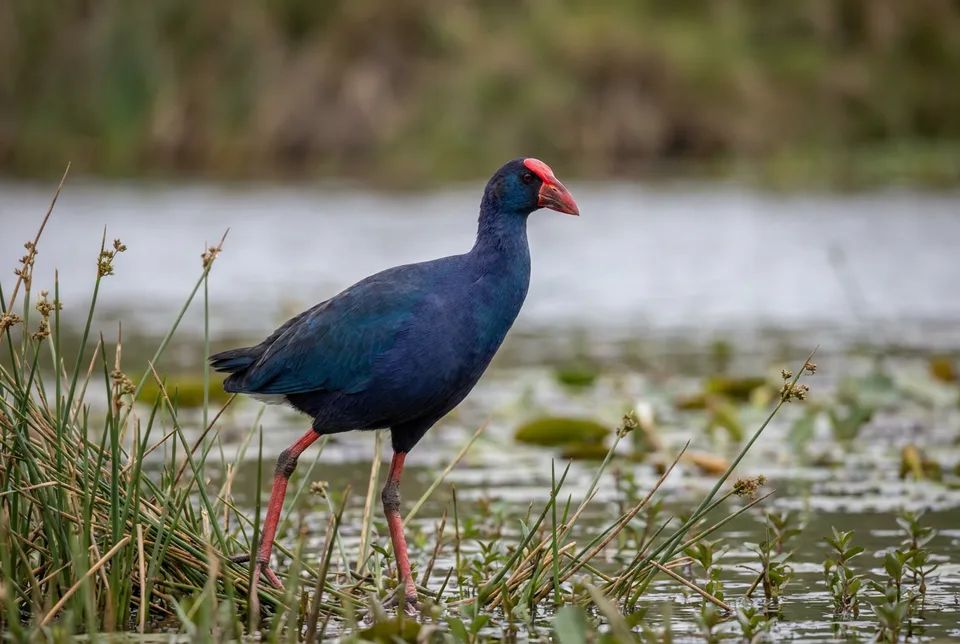
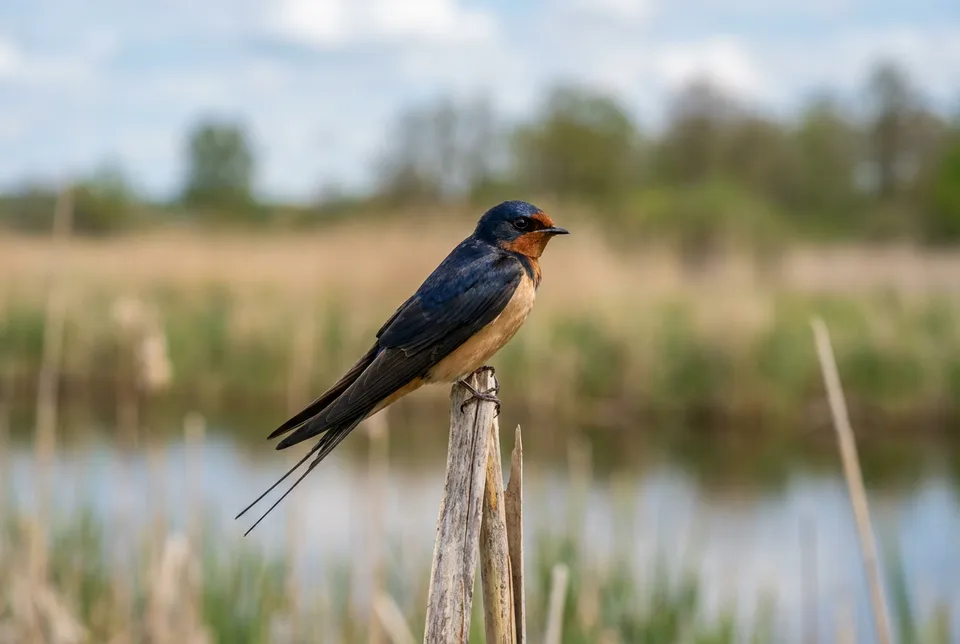
Egyptian Goose in wetland habitat — Nile, River Cruises wildlifeAI-modifiedEgyptian GooseAfrican Swamphen in wetland habitat — Nile, Egypt, River Cruises wildlifeAI-modifiedAfrican SwamphenBarn Swallow in wetland habitat — Mississippi, Nile, River Cruises wildlifeAI-modifiedBarn Swallow
Animal groupBirdsAnimal groupBirdsAnimal groupBirds
DestinationsNileDestinationsNileDestinationsMississippi, Nile
Scientific name
Alopochen aegyptiaca
Scientific name
Scientific name
Previous speciesEdible FrogNext speciesEmperor Dragonfly
All river wildlife
On this page
  • 01About
  • 02Behaviour & reproduction
  • 03Top wildlife locations
  • 04Fun facts
  • 05Best season
  • 06Season matrix by destination
  • 07Habitat
  • 08Diet
  • 09Species at a glance
  • 10Questions & answers
  • 11Compare

Find your river cruise

AI-modified
Plan your trip

Find your next river journey

Compare destinations, shore programs and dates with the animals and habitats you would love to see.

  • Daily shore excursions
  • Responsible wildlife watching
  • Boutique river ships
Explore river cruises