Bluerides – Blue Rides - Book Liveaboards worldwideOCEAN ADVENTURES
River CruisesRiversNature & WildlifeOur Promise
River CruisesRiversNature & WildlifeOur PromiseSign In

River destinations

  • River destinations
  • Amazon
  • Danube
  • Rhine
  • Mekong
  • Nile

Ships & departures

  • River Cruise Search
  • Deals

Nature & Wildlife

  • Nature & Wildlife

Travel support

  • Our Promise
  • Contact

Contact

Get in Touch

Get in touch anytime, we're happy to help you find the right trip or sort out any question.

EmailWrite us, we usually reply within a few hours.
contact@bluerides.com
WhatsAppChat with us on WhatsApp, Mon–Fri 10:00–16:00 (CET).
Start WhatsApp Chat
PhoneCall us, we're happy to help.
Free call, Mon–Fri 10 AM – 8 PM (CET).
Europe+49 800 1144 990USA+1 888 557 7735UK+44 800 707 4152Australia+61 2 8599 6113Canada+1 888 557 7735
Which river journey is yours?Answer 8 quick questions and find the river cruise that fits you.
8 questions, 1 minute·Plus Gift
Secure Payment MethodsYour payments are fully secured with AES-256 encryption.
Powered byStripeWiseAMEXPayGoogle PaySEPABank
Imprint·Terms & Conditions·Privacy Policy·About·Contact·Liability Waiver·Affiliate Program·Cruise·
Visit us here

© 2026 Blue Rides. All rights reserved.·

Bluerides – Blue Rides - Book Liveaboards worldwideOCEAN ADVENTURES
River CruisesRiversNature & WildlifeOur Promise
River CruisesRiversNature & WildlifeOur PromiseSign In
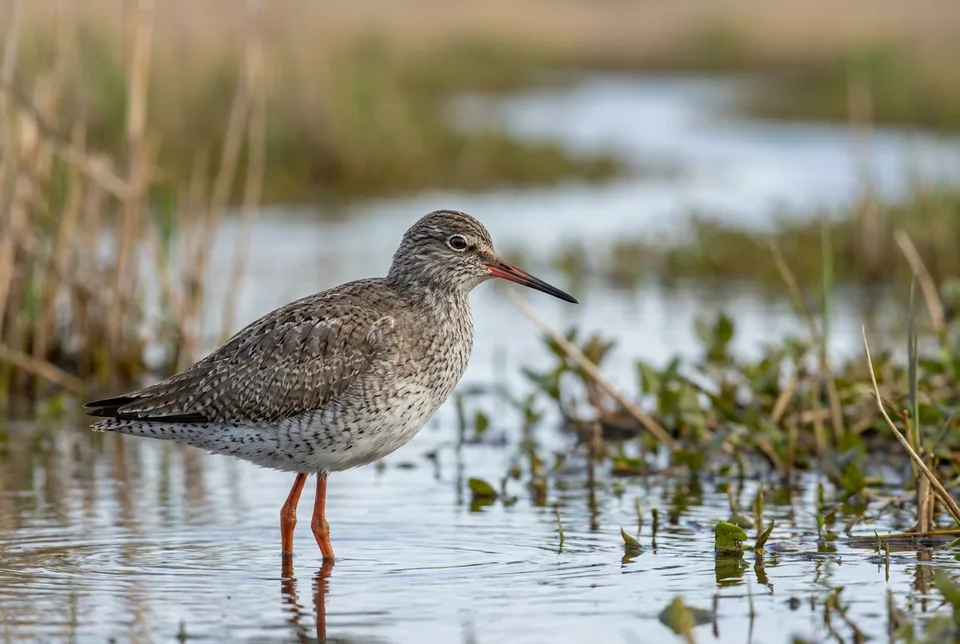
Common Redshank in wetland habitat — Seine, River Cruises wildlife
Home›River Cruises›River Wildlife›Common Redshank

Common RedshankTringa totanusWhere and when to see them

Previous speciesCommon PotooNext speciesCommon sandpiper

Common Redshank at a glance

The Common Redshank is a long-legged wader, registered as Tringa totanus. Bright orange-red legs and an orange base to the bill are useful recognition features, while the upperparts are brown and speckled and the underside is paler. Its piping calls are a familiar part of many estuarine bird communities. Feeding birds search wet substrates for invertebrates, making mudflats, tidal edges and wet grassland more relevant than a deep freshwater navigation channel. The registered Seine association is explicitly optional and estuarine: the ZPS Estuaire et marais de la Basse-Seine toward Honfleur and Le Havre, including protected flats beyond the port. It is not a Paris freshwater record. The cited regional document includes Chevalier gambette under the correct scientific name. Viewing requires an appropriate authorised shore outing, with tides and protected-area access shaping the practical opportunity.
Behaviour & reproduction

Size
Not independently verified in the retrieved evidence
Weight
Not independently verified in the retrieved evidence
Lifespan
Not independently verified in the retrieved evidence
Status
See sourced assessment

Redshanks walk and probe along wet feeding surfaces, taking small prey from mud, shallow water and vegetation edges. Their piping calls can reveal birds before observers pick them out against a patterned shoreline. Outside breeding territories they may gather with other waders, while breeding birds can become conspicuous and vocal when alarmed. Such alarm should be treated as a reason to withdraw, not as a convenient way to locate a nest or chicks. On an estuary visit, the position of feeding and resting birds changes as water covers and uncovers the flats. A flock that flies may simply be moving with the tide, but repeated flights caused by people or boats waste energy. Watch from a fixed authorised viewpoint and distinguish natural tidal movement from a response to observers. The broad species behaviour does not establish local nesting within the particular lower Seine viewing area.

Top wildlife locations

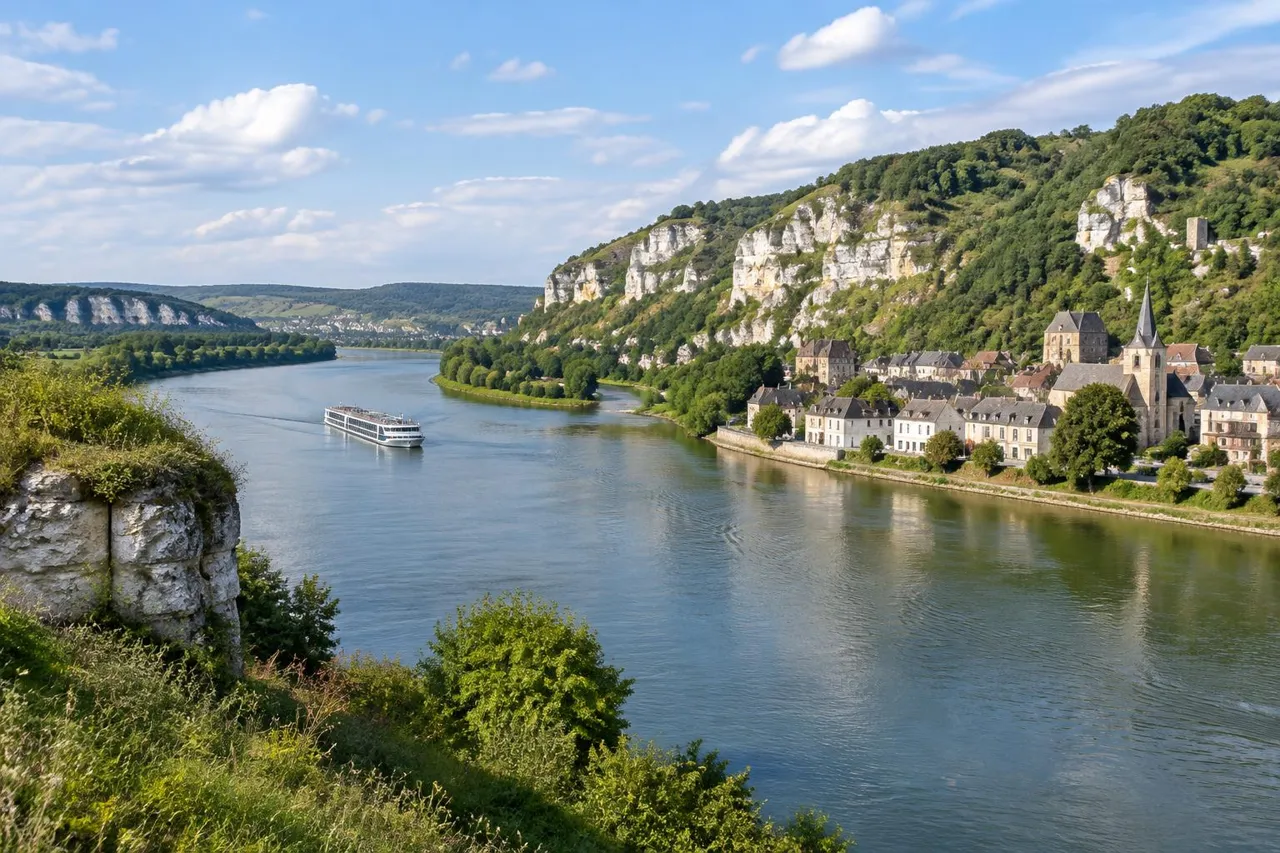
Seine river landscape — River Cruises wildlife habitat

Seine

OPTIONAL ESTUARY: ZPS Estuaire et marais de la Basse-Seine, lower tidal Seine toward Honfleur/Le Havre; includes protected flats beyond port, not Paris freshwater reaches.
Explore river cruises

Destinations describe the species' habitat, not guaranteed cruise stops. Some animals require an optional inland excursion or are found in restricted reserves.

Fun facts about the Common Redshank

  • The registry identity is Tringa totanus.
  • Its French name is Chevalier gambette.
  • Orange-red legs are a prominent field mark.
  • The bill has an orange base.
  • Piping calls can reveal distant birds.
  • Estuarine birds probe silt for invertebrates.
  • Tides redistribute feeding and resting areas.
  • High-tide refuges need protection from disturbance.
  • The registered Seine association excludes Paris freshwater reaches.

Best time to see the Common Redshank

The registered lower Seine source is a regional protected-area document whose species entry includes Chevalier gambette and an H designation. The existing research interprets this as wintering context, but the retrieved excerpt does not define numbered months or provide a complete local seasonal series. The monthly array remains empty. General RSPB information about winter estuary flocks in Britain cannot establish the calendar for the Basse-Seine protected area. Tide is an important immediate planning factor: feeding surfaces and roost locations change as water levels rise and fall, regardless of the month. Ask the excursion provider which authorised viewpoint is appropriate for the predicted tide and whether recent local records include redshank. Do not assume that a Honfleur or Le Havre port call automatically includes the necessary marsh or mudflat visit. Seasonal monitoring evidence should remain distinct from a guarantee of sightings on a particular sailing.

Common Redshank: season matrix by destination

Highlighted months reflect the stated local evidence, not guaranteed encounters. Neutral months mean no verified monthly viewing window, not absence. Observation records and recommended viewing windows are distinct.

Seine

Regional estuarine wintering context is recorded, but exact local species-specific numbered months were not verified.

JanFebMarAprMayJunJulAugSepOctNovDec
Explore river cruises

Where the Common Redshank lives

Common Redshanks use estuaries, saltmarshes and wet grassland, with different habitats serving feeding, roosting and breeding functions. Exposed mud can provide food, while higher ground becomes important when the tide covers the feeding flats. The registered lower Seine association includes protected estuarine and marsh habitats toward Honfleur and Le Havre, not simply the visible harbour waterfront. A port stop therefore does not automatically place visitors within suitable or accessible redshank habitat. Confirm the excursion destination and use public or authorised viewpoints rather than entering saltmarsh, crossing tidal creeks or approaching roosting groups. Habitat degradation, drainage and disturbance can reduce the value of wetlands even where water remains visible. Keep this estuarine context separate from Paris and other freshwater reaches upstream. A general Seine itinerary name is not enough to establish access to the protected flats supporting the registered association.

What the Common Redshank eats

Common Redshanks take invertebrates from wetland substrates. The RSPB specifically describes winter birds probing estuarine silt for crustaceans and other invertebrates, while insects become important in breeding-season wet grassland settings. Their bill can pick visible items or probe below the surface, so feeding behaviour varies with substrate and prey. A bird moving across exposed mud may take food too small to identify through binoculars. Do not infer a particular shellfish or worm species from a distant peck. The retrieved lower Seine document establishes the species in the estuarine context but does not supply a measured local diet. Tidal access to feeding surfaces is a practical ecological consideration, not a reason to follow birds out onto the flats. Never bait waders or disturb sediment to expose prey. Observe from shore and allow birds to use both feeding areas and high-tide refuges without pressure.

Species at a glance

Common name
Common Redshank
Scientific name
Tringa totanus
Animal group
Birds
Size
Not independently verified in the retrieved evidence
Weight
Not independently verified in the retrieved evidence
Lifespan
Not independently verified in the retrieved evidence
Status
RSPB narrative identifies the UK population as Amber-listed; the same page also displays an inconsistent 'Not assessed' label. Global and French categories were not independently verified.
Identification
The most obvious features are the orange-red legs and the orange base of the medium-length bill, combined with brown, speckled upperparts and a paler belly. These colours can be obscured by shadow, mud or distance, so compare the whole bird rather than identifying from one reddish leg. Other Tringa waders may share similar proportions, and juvenile or seasonally changing plumage can complicate a quick view. Common Greenshank usually has greenish legs and a slightly upturned bill, while Spotted Redshank requires a more careful comparison than the name alone suggests. Watch a bird side-on, walking and turning, so that bill length, colour distribution and body pattern can be checked. Calls provide supporting evidence when known confidently. A fleeting distant wader should remain uncertain rather than being assigned to redshank solely because the protected-area document lists it among the site’s birds.

Common Redshank: frequently asked questions

Where can I see the Common Redshank?
Seine. Plan this as an optional lower-estuary shore excursion and verify that it actually reaches the relevant protected wetland setting. From an authorised viewpoint, scan the waterline and exposed mud with binoculars, then use a telescope for leg colour and bill pattern. Listen for piping calls but remember that a calling bird may be flying beyond the visible flats. Avoid walking toward resting groups or crossing a roost to obtain a better background for photographs. Tidal creeks and soft mud can be hazardous, and entering them can also disturb feeding birds. Follow local access restrictions even if a distant flock appears tempting. Record the exact estuary locality and tide state rather than calling the observation simply a Seine cruise sighting. This profile does not claim Common Redshank for Paris freshwater reaches, the main ship channel or every accessible quay around Honfleur and Le Havre.
When is the best time to see the Common Redshank?
The registered lower Seine source is a regional protected-area document whose species entry includes Chevalier gambette and an H designation. The existing research interprets this as wintering context, but the retrieved excerpt does not define numbered months or provide a complete local seasonal series. The monthly array remains empty. General RSPB information about winter estuary flocks in Britain cannot establish the calendar for the Basse-Seine protected area. Tide is an important immediate planning factor: feeding surfaces and roost locations change as water levels rise and fall, regardless of the month. Ask the excursion provider which authorised viewpoint is appropriate for the predicted tide and whether recent local records include redshank. Do not assume that a Honfleur or Le Havre port call automatically includes the necessary marsh or mudflat visit. Seasonal monitoring evidence should remain distinct from a guarantee of sightings on a particular sailing.
How big does the Common Redshank get?
Not independently verified in the retrieved evidence. Adult weight: Not independently verified in the retrieved evidence. Size varies with age, sex and population.
How should I behave around the Common Redshank?
Plan this as an optional lower-estuary shore excursion and verify that it actually reaches the relevant protected wetland setting. From an authorised viewpoint, scan the waterline and exposed mud with binoculars, then use a telescope for leg colour and bill pattern. Listen for piping calls but remember that a calling bird may be flying beyond the visible flats. Avoid walking toward resting groups or crossing a roost to obtain a better background for photographs. Tidal creeks and soft mud can be hazardous, and entering them can also disturb feeding birds. Follow local access restrictions even if a distant flock appears tempting. Record the exact estuary locality and tide state rather than calling the observation simply a Seine cruise sighting. This profile does not claim Common Redshank for Paris freshwater reaches, the main ship channel or every accessible quay around Honfleur and Le Havre.
What does the Common Redshank eat?
Common Redshanks take invertebrates from wetland substrates. The RSPB specifically describes winter birds probing estuarine silt for crustaceans and other invertebrates, while insects become important in breeding-season wet grassland settings. Their bill can pick visible items or probe below the surface, so feeding behaviour varies with substrate and prey. A bird moving across exposed mud may take food too small to identify through binoculars. Do not infer a particular shellfish or worm species from a distant peck. The retrieved lower Seine document establishes the species in the estuarine context but does not supply a measured local diet. Tidal access to feeding surfaces is a practical ecological consideration, not a reason to follow birds out onto the flats. Never bait waders or disturb sediment to expose prey. Observe from shore and allow birds to use both feeding areas and high-tide refuges without pressure.
Are wildlife sightings guaranteed on a river cruise?
No. Animals move freely and routes, weather, access restrictions and local conditions influence every outing. Confirm the actual itinerary and shore program before booking.

Compare wildlife in the same destinations

Explore other birds recorded in these destinations. Similar surroundings do not mean the animals share the same habits or viewing season.

Species comparison by animal group and destination
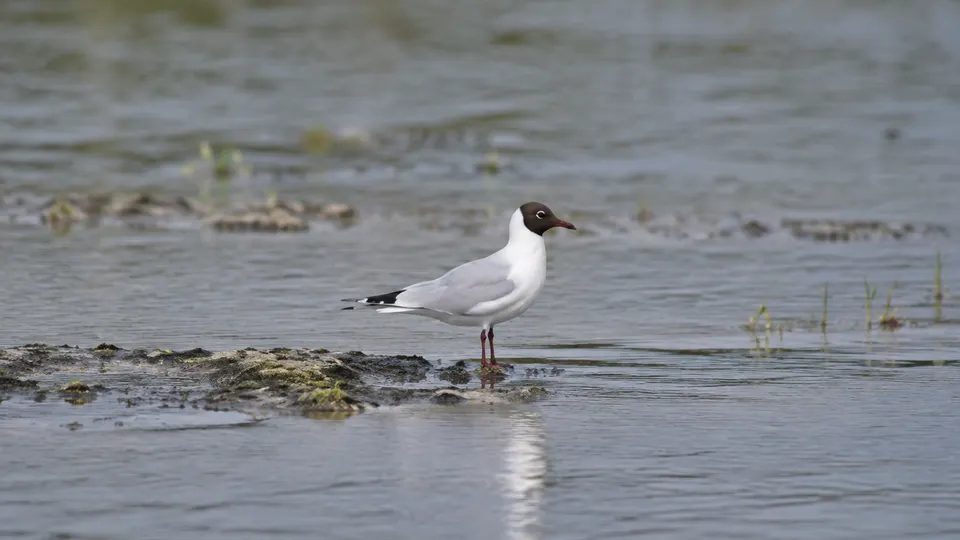
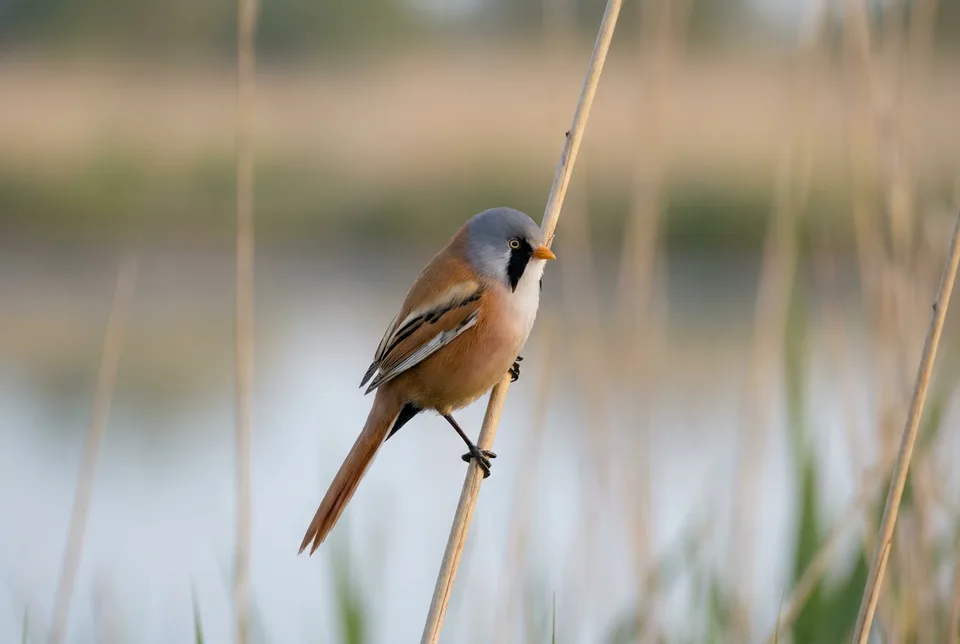
Common Redshank in wetland habitat — Seine, River Cruises wildlifeCommon RedshankBearded Reedling in wetland habitat — Seine, River Cruises wildlifeBearded ReedlingBlack-headed gull in wetland habitat — Saone, Seine, Nile, Douro, River Cruises wildlifeBlack-Headed Gull
Animal groupBirdsAnimal groupBirdsAnimal groupBirds
DestinationsSeineDestinationsSeineDestinationsSaone, Seine, Nile, Douro
Scientific name
Tringa totanus
Scientific name
Scientific name
Previous speciesCommon PotooNext speciesCommon sandpiper
All river wildlife
On this page
  • 01About
  • 02Behaviour & reproduction
  • 03Top wildlife locations
  • 04Fun facts
  • 05Best season
  • 06Season matrix by destination
  • 07Habitat
  • 08Diet
  • 09Species at a glance
  • 10Questions & answers
  • 11Compare

Find your river cruise

Plan your trip

Find your next river journey

Compare destinations, shore programs and dates with the animals and habitats you would love to see.

  • Daily shore excursions
  • Responsible wildlife watching
  • Boutique river ships
Explore river cruises