Bluerides – Blue Rides - Book Liveaboards worldwideOCEAN ADVENTURES
River CruisesRiversNature & WildlifeOur Promise
River CruisesRiversNature & WildlifeOur PromiseSign In

River destinations

  • River destinations
  • Amazon
  • Danube
  • Rhine
  • Mekong
  • Nile

Ships & departures

  • River Cruise Search
  • Deals

Nature & Wildlife

  • Nature & Wildlife

Travel support

  • Our Promise
  • Contact

Contact

Get in Touch

Get in touch anytime, we're happy to help you find the right trip or sort out any question.

EmailWrite us, we usually reply within a few hours.
contact@bluerides.com
WhatsAppChat with us on WhatsApp, Mon–Fri 10:00–16:00 (CET).
Start WhatsApp Chat
PhoneCall us, we're happy to help.
Free call, Mon–Fri 10 AM – 8 PM (CET).
Europe+49 800 1144 990USA+1 888 557 7735UK+44 800 707 4152Australia+61 2 8599 6113Canada+1 888 557 7735
Which river journey is yours?Answer 8 quick questions and find the river cruise that fits you.
8 questions, 1 minute·Plus Gift
Secure Payment MethodsYour payments are fully secured with AES-256 encryption.
Powered byStripeWiseAMEXPayGoogle PaySEPABank
Imprint·Terms & Conditions·Privacy Policy·About·Contact·Liability Waiver·Affiliate Program·Cruise·
Visit us here

© 2026 Blue Rides. All rights reserved.·

Bluerides – Blue Rides - Book Liveaboards worldwideOCEAN ADVENTURES
River CruisesRiversNature & WildlifeOur Promise
River CruisesRiversNature & WildlifeOur PromiseSign In
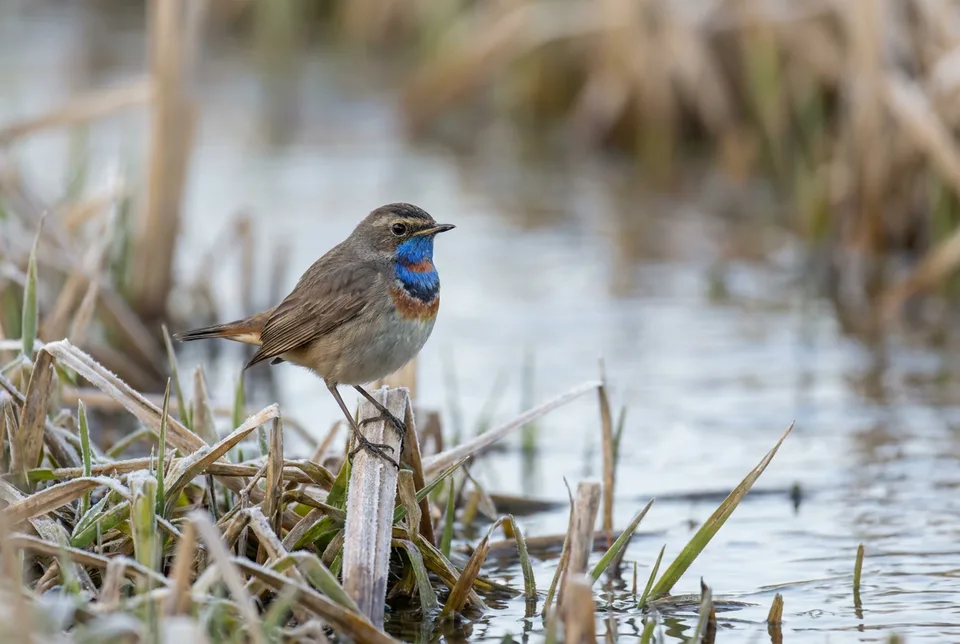
Bluethroat in wetland habitat — Seine, Douro, River Cruises wildlife
Home›River Cruises›River Wildlife›Bluethroat

BluethroatLuscinia svecicaWhere and when to see them

Previous speciesBlue-winged TealNext speciesBrown-throated Sloth

Bluethroat at a glance

The Bluethroat is a small, often elusive chat whose male throat pattern can be brilliant while much of the remaining plumage is relatively subdued. Females and young birds are less conspicuous, so the species is not always the jewel-like bird suggested by photographs of singing males. Audubon emphasises dense low cover, variable song and the usefulness of rusty patches at the tail base. The registry contains two distinct river associations: the lower Seine estuary and marshes in the Rouen–Honfleur sector, and the Douro estuary reserve at Porto and Vila Nova de Gaia. These are marsh or estuary shore-excursion contexts, not reliable main-channel deck sightings. Official lower-Seine monitoring and the Douro site list support the associations at different levels of detail. Neither should be expanded to every reedbed on either river, and neither supplies a verified monthly visitor calendar in the evidence reviewed here.
Behaviour & reproduction

Size
Not verified
Weight
Not independently verified for this draft
Lifespan
Not independently verified for this draft
Status
See sourced assessment

Bluethroats often remain close to dense low vegetation, appearing briefly at an edge before returning to cover. Singing males can be much more conspicuous, sometimes using an exposed perch or a short song flight. Audubon notes that the varied song can include imitations of other birds and that the coloured throat is displayed during rivalry and courtship. This creates a strong observation bias: a visible singing male is easier to detect than a quiet female or a bird feeding beneath cover. A lack of song therefore does not prove absence. The North American account’s behavioural descriptions are useful at species level, but its migration geography must not be assigned to European estuaries. For the Seine and Douro, no precise local daily routine or breeding timetable was verified. Watch existing paths and edges quietly, and do not use playback to pull a bird repeatedly out of cover or interrupt its natural interactions.

Top wildlife locations

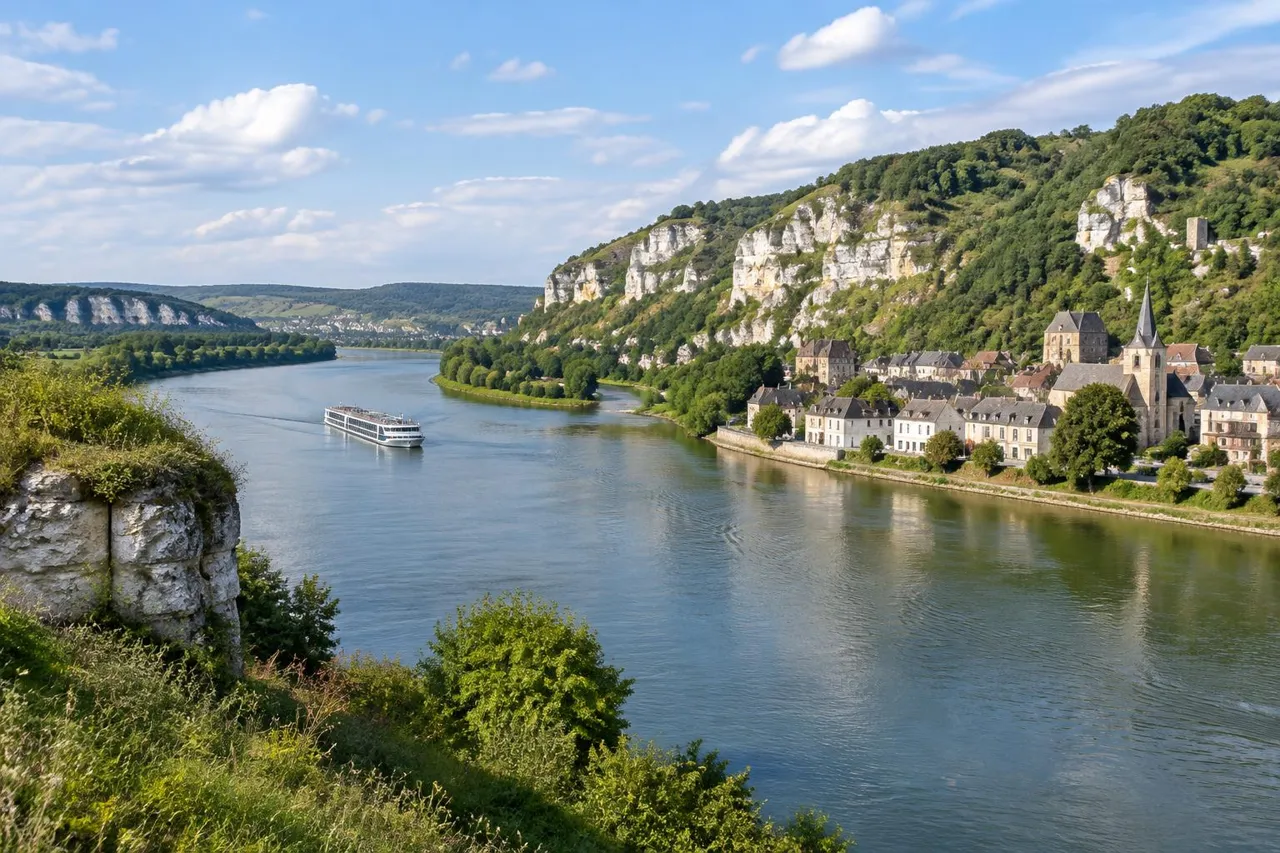
Seine river landscape — River Cruises wildlife habitat

Seine

Lower Seine ZPS Estuaire et marais de la Basse-Seine, Rouen–Honfleur sector; marsh and reedbed shore excursion, no precise main-channel station established.
Explore river cruises
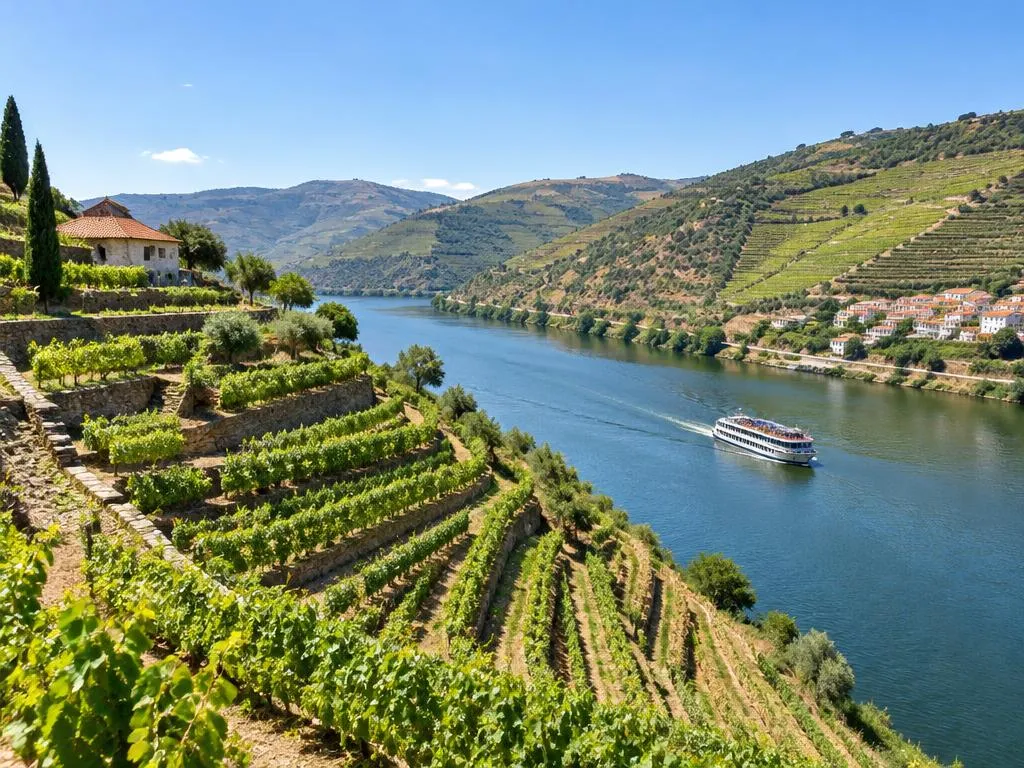
Douro river landscape — River Cruises wildlife habitat

Douro

Porto/Vila Nova de Gaia estuary reserve, Afurada–Cabedelo–São Paio; not inland Régua–Pinhão.

Explore river cruises

Destinations describe the species' habitat, not guaranteed cruise stops. Some animals require an optional inland excursion or are found in restricted reserves.

Fun facts about the Bluethroat

  • Males can show a brilliant blue throat.
  • Females and young birds are less conspicuous.
  • Rusty tail-base patches are useful identification clues.
  • The song can include imitations of other birds.
  • Singing males may use exposed perches.
  • Quiet birds often remain close to dense low cover.
  • Throat pattern varies, so subspecies should not be guessed.
  • The Seine association concerns the lower estuary and marshes.
  • The Douro association concerns the estuary, not inland wine-country reaches.

Best time to see the Bluethroat

The lower-Seine source is an official update of bird indicators covering 2015–2018 for the estuary and marsh protected area. Its monitoring context supports the local association, but the passage reviewed here does not supply a defensible month-by-month viewing recommendation. Breeding monitoring should not automatically become a visitor season, because survey timing, detectability and public access are different questions. The Douro estuary page lists pisco-de-peito-azul without a species-specific monthly range. Both locations therefore retain empty months arrays. Audubon’s account states that Alaska birds winter in Southeast Asia, but that geographical migration information is irrelevant to establishing months at these European river reaches. Ask a local specialist about recent observations in the exact reserve sector and distinguish singing-male detection from general presence. A quiet bird in dense cover may be difficult to find even during a period when local monitoring confirms occupancy.

Bluethroat: season matrix by destination

Highlighted months reflect the stated local evidence, not guaranteed encounters. Neutral months mean no verified monthly viewing window, not absence. Observation records and recommended viewing windows are distinct.

Seine

Official 2015–2018 monitoring supports the association; visitor months not verified.

JanFebMarAprMayJunJulAugSepOctNovDec
Explore river cruises

Douro

Listed locally as pisco-de-peito-azul; no species-specific local monthly calendar verified.

JanFebMarAprMayJunJulAugSepOctNovDec
Explore river cruises

Where the Bluethroat lives

Low dense cover is central to understanding Bluethroat observation. In the registered lower-Seine reach, the evidence belongs to the protected estuary and freshwater-marsh system, including reedbed habitat monitored by the regional environmental authority. That is a broad conservation area rather than a single mapped cruise-bank station. At the Douro, the site list concerns the estuary reserve around Afurada, Cabedelo and São Paio. The marsh setting there is distinct from the inland Régua–Pinhão river landscape and should not be merged with it. Suitable-looking vegetation does not prove occupancy, and an accessible riverside path may overlook only a small fraction of the habitat birds use. Ask local reserve staff which public viewpoints offer quiet views of low cover without entering reedbeds. Avoid trampling marsh edges or opening informal paths. Habitat structure and disturbance can affect detectability even when a bird remains present nearby.

What the Bluethroat eats

Bluethroats obtain much of their food from small invertebrates, searching close to the ground and within low wetland vegetation. Their feeding ecology is therefore very different from that of open-water fish-eating birds or aerial insect hunters. A bird may pause at the edge of cover, pick a small item and disappear before the prey can be identified. Such observations demonstrate feeding but rarely justify naming the prey. Fruit and other plant foods can contribute in parts of the species’ annual cycle, yet no Seine- or Douro-specific diet study was verified here. The profile therefore does not assign a local dominant insect, quantify seasonal fruit use or link a presumed prey emergence to recommended travel months. Observe naturally exposed ground and vegetation edges from established paths. Do not scatter mealworms, clear vegetation or disturb leaf litter to make the bird easier to photograph; those actions alter its normal feeding choices.

Species at a glance

Common name
Bluethroat
Scientific name
Luscinia svecica
Animal group
Birds
Size
About 12 cm (4.7 in) in the Audubon account reviewed; geographic scope is its North American field-guide treatment
Weight
Not independently verified for this draft
Lifespan
Not independently verified for this draft
Status
Audubon reports Least Concern; a newer primary global assessment was not independently checked.
Identification
A male’s blue throat is memorable, but throat details vary and should not be used alone to assign a subspecies. Females and young birds can show a pale throat with darker bordering, making the face and tail especially useful. Audubon highlights rusty patches at the tail base as a feature shared across the less colourful appearances in its treatment. Much of the body can look brownish and unobtrusive, so a brief view may resemble other small ground-feeding chats. Look for several features on the same bird, including posture, tail pattern, facial markings and any visible throat colour. Do not transfer the red-centred male illustration from an Alaska-focused account into a claim that all Seine or Douro males have the same throat centre. Photographs should be interpreted with attention to age, sex and regional variation, and uncertain subspecies should remain unnamed rather than inferred from the river alone.

Bluethroat: frequently asked questions

Where can I see the Bluethroat?
Seine, Douro. Choose a public path or hide overlooking low cover and remain still long enough for natural movements to resume. Search edges, small openings and low perches rather than only the tops of tall reeds. A singing male may be visible, but a fleeting brown bird can also be relevant; wait for the face, throat and tail pattern rather than dismissing it because blue is absent. On the lower Seine, confirm that the excursion reaches the estuary-marsh protected area rather than assuming any Rouen waterfront stop is equivalent. On the Douro, use the Porto/Vila Nova de Gaia estuary reserve, not an inland wine-valley landing. Avoid playback, feeding and entering vegetation to improve sightlines. Note the precise public viewpoint and whether the identification was visual or acoustic. A local species list gives a reason to look, not a guarantee that a short scheduled visit will reveal a bird.
When is the best time to see the Bluethroat?
The lower-Seine source is an official update of bird indicators covering 2015–2018 for the estuary and marsh protected area. Its monitoring context supports the local association, but the passage reviewed here does not supply a defensible month-by-month viewing recommendation. Breeding monitoring should not automatically become a visitor season, because survey timing, detectability and public access are different questions. The Douro estuary page lists pisco-de-peito-azul without a species-specific monthly range. Both locations therefore retain empty months arrays. Audubon’s account states that Alaska birds winter in Southeast Asia, but that geographical migration information is irrelevant to establishing months at these European river reaches. Ask a local specialist about recent observations in the exact reserve sector and distinguish singing-male detection from general presence. A quiet bird in dense cover may be difficult to find even during a period when local monitoring confirms occupancy.
How big does the Bluethroat get?
About 12 cm (4.7 in) in the Audubon account reviewed; geographic scope is its North American field-guide treatment. Adult weight: Not independently verified for this draft. Size varies with age, sex and population.
How should I behave around the Bluethroat?
Choose a public path or hide overlooking low cover and remain still long enough for natural movements to resume. Search edges, small openings and low perches rather than only the tops of tall reeds. A singing male may be visible, but a fleeting brown bird can also be relevant; wait for the face, throat and tail pattern rather than dismissing it because blue is absent. On the lower Seine, confirm that the excursion reaches the estuary-marsh protected area rather than assuming any Rouen waterfront stop is equivalent. On the Douro, use the Porto/Vila Nova de Gaia estuary reserve, not an inland wine-valley landing. Avoid playback, feeding and entering vegetation to improve sightlines. Note the precise public viewpoint and whether the identification was visual or acoustic. A local species list gives a reason to look, not a guarantee that a short scheduled visit will reveal a bird.
What does the Bluethroat eat?
Bluethroats obtain much of their food from small invertebrates, searching close to the ground and within low wetland vegetation. Their feeding ecology is therefore very different from that of open-water fish-eating birds or aerial insect hunters. A bird may pause at the edge of cover, pick a small item and disappear before the prey can be identified. Such observations demonstrate feeding but rarely justify naming the prey. Fruit and other plant foods can contribute in parts of the species’ annual cycle, yet no Seine- or Douro-specific diet study was verified here. The profile therefore does not assign a local dominant insect, quantify seasonal fruit use or link a presumed prey emergence to recommended travel months. Observe naturally exposed ground and vegetation edges from established paths. Do not scatter mealworms, clear vegetation or disturb leaf litter to make the bird easier to photograph; those actions alter its normal feeding choices.
Are wildlife sightings guaranteed on a river cruise?
No. Animals move freely and routes, weather, access restrictions and local conditions influence every outing. Confirm the actual itinerary and shore program before booking.

Compare wildlife in the same destinations

Explore other birds recorded in these destinations. Similar surroundings do not mean the animals share the same habits or viewing season.

Species comparison by animal group and destination
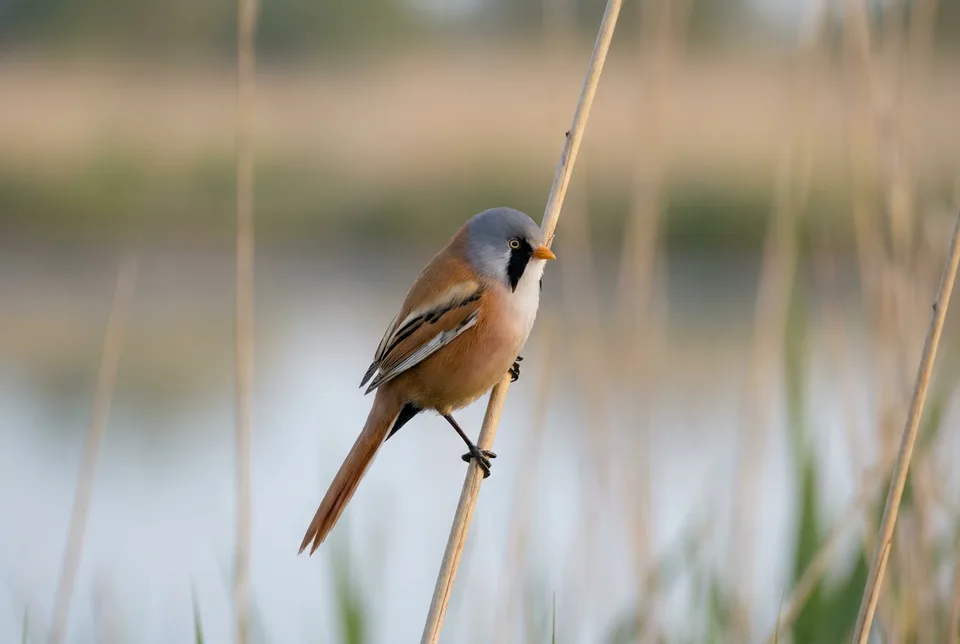
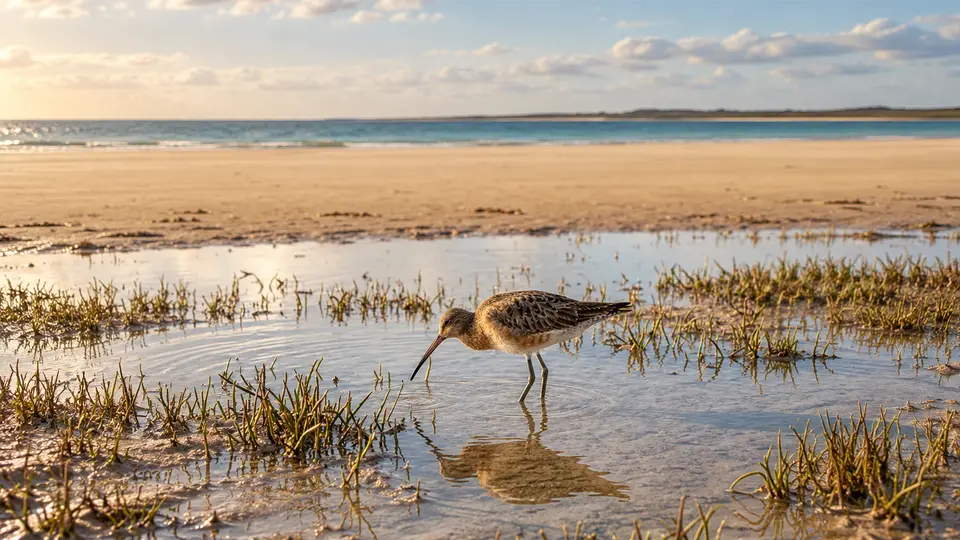
Bluethroat in wetland habitat — Seine, Douro, River Cruises wildlifeBluethroatBar-tailed godwit in wetland habitat — Douro, River Cruises wildlifeBar-tailed godwitBearded Reedling in wetland habitat — Seine, River Cruises wildlifeBearded Reedling
Animal groupBirdsAnimal groupBirdsAnimal groupBirds
DestinationsSeine, DouroDestinationsDouroDestinationsSeine
Scientific name
Luscinia svecica
Scientific name
Scientific name
Previous speciesBlue-winged TealNext speciesBrown-throated Sloth
All river wildlife
On this page
  • 01About
  • 02Behaviour & reproduction
  • 03Top wildlife locations
  • 04Fun facts
  • 05Best season
  • 06Season matrix by destination
  • 07Habitat
  • 08Diet
  • 09Species at a glance
  • 10Questions & answers
  • 11Compare

Find your river cruise

Plan your trip

Find your next river journey

Compare destinations, shore programs and dates with the animals and habitats you would love to see.

  • Daily shore excursions
  • Responsible wildlife watching
  • Boutique river ships
Explore river cruises