Bluerides – Blue Rides - Book Liveaboards worldwideOCEAN ADVENTURES
River CruisesRiversNature & WildlifeOur Promise
River CruisesRiversNature & WildlifeOur PromiseSign In

River destinations

  • River destinations
  • Amazon
  • Danube
  • Rhine
  • Mekong
  • Nile

Ships & departures

  • River Cruise Search
  • Deals

Nature & Wildlife

  • Nature & Wildlife

Travel support

  • Our Promise
  • Contact

Contact

Get in Touch

Get in touch anytime, we're happy to help you find the right trip or sort out any question.

EmailWrite us, we usually reply within a few hours.
contact@bluerides.com
WhatsAppChat with us on WhatsApp, Mon–Fri 10:00–16:00 (CET).
Start WhatsApp Chat
PhoneCall us, we're happy to help.
Free call, Mon–Fri 10 AM – 8 PM (CET).
Europe+49 800 1144 990USA+1 888 557 7735UK+44 800 707 4152Australia+61 2 8599 6113Canada+1 888 557 7735
Which river journey is yours?Answer 8 quick questions and find the river cruise that fits you.
8 questions, 1 minute·Plus Gift
Secure Payment MethodsYour payments are fully secured with AES-256 encryption.
Powered byStripeWiseAMEXPayGoogle PaySEPABank
Imprint·Terms & Conditions·Privacy Policy·About·Contact·Liability Waiver·Affiliate Program·Cruise·Blog·
Visit us here

© 2026 Blue Rides. All rights reserved.

Bluerides – Blue Rides - Book Liveaboards worldwideOCEAN ADVENTURES
River CruisesRiversNature & WildlifeOur Promise
River CruisesRiversNature & WildlifeOur PromiseSign In
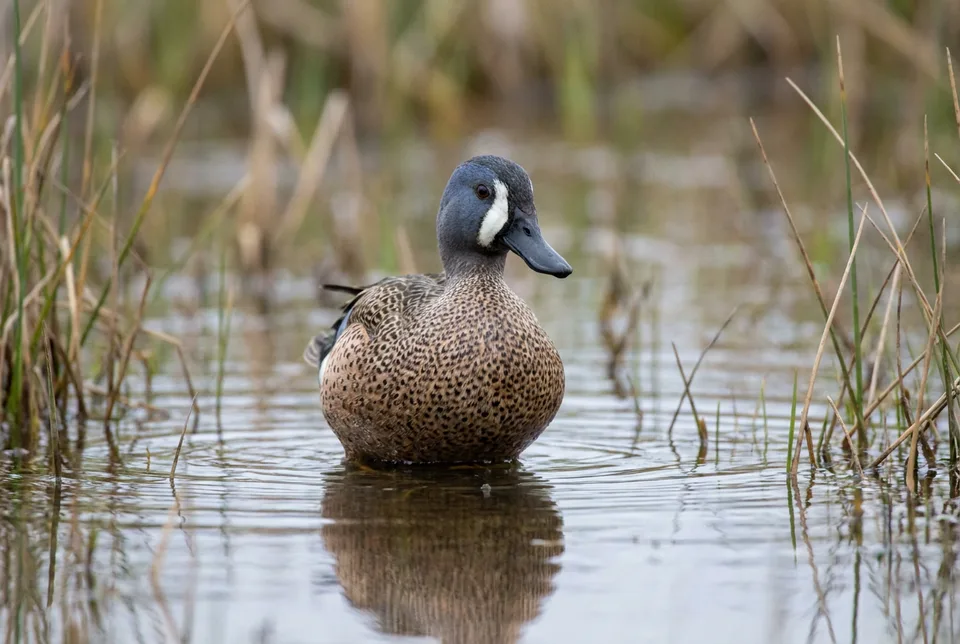
Blue-winged Teal in wetland habitat — Mississippi, River Cruises wildlifeAI-modified
Home›River Cruises›River Wildlife›Blue-winged Teal

Blue-winged TealSpatula discorsWhere and when to see them

Previous speciesBlue-cheeked Bee-eaterNext speciesBluethroat

Blue-winged Teal at a glance

The Blue-winged Teal is a small dabbling duck associated with shallow wetlands rather than the deep-water diving behaviour of Bufflehead. The male’s facial crescent is a useful feature in suitable plumage, while the pale blue upperwing patch gives the species its name and is especially noticeable in flight or wing stretching. Females and less distinctive plumages require more careful comparison. The registered river reach is the Upper Mississippi River National Wildlife and Fish Refuge between Wabasha, Minnesota, and Rock Island, Illinois. A refuge-scale eBird checklist includes the species, establishing occurrence within that broad protected corridor. That list is not a monthly abundance chart and does not identify a guaranteed viewing pool. Cornell’s life-history account supplies detailed habitat and diet information, but its range-wide seasonal descriptions are kept separate from the unresolved timing of local cruise encounters.
Behaviour & reproduction

Size
Not independently verified for this draft
Weight
Not independently verified for this draft
Lifespan
Not independently verified for this draft
Status
See sourced assessment

Blue-winged Teal feed by dabbling in shallow water, working the surface and accessible vegetation rather than repeatedly diving beneath open water like a Bufflehead. Cornell describes nesting concealed in grasses or herbaceous cover, with females choosing sites and making a ground depression lined with vegetation and down. These details explain why a wetland edge can be important even when a visitor sees the birds only on water. Birds also pass through a flightless moult, making disturbance particularly consequential when escape options are limited. None of those species-level facts establishes a nesting or moulting calendar for the registered Upper Mississippi reach. A pair seen together should not automatically be labelled a local breeding pair. Watch from established overlooks and let feeding birds continue undisturbed. Avoid walking into grassy margins to search for nests or pushing a shoreline flock into flight merely to expose the blue wing patches.

Top wildlife locations

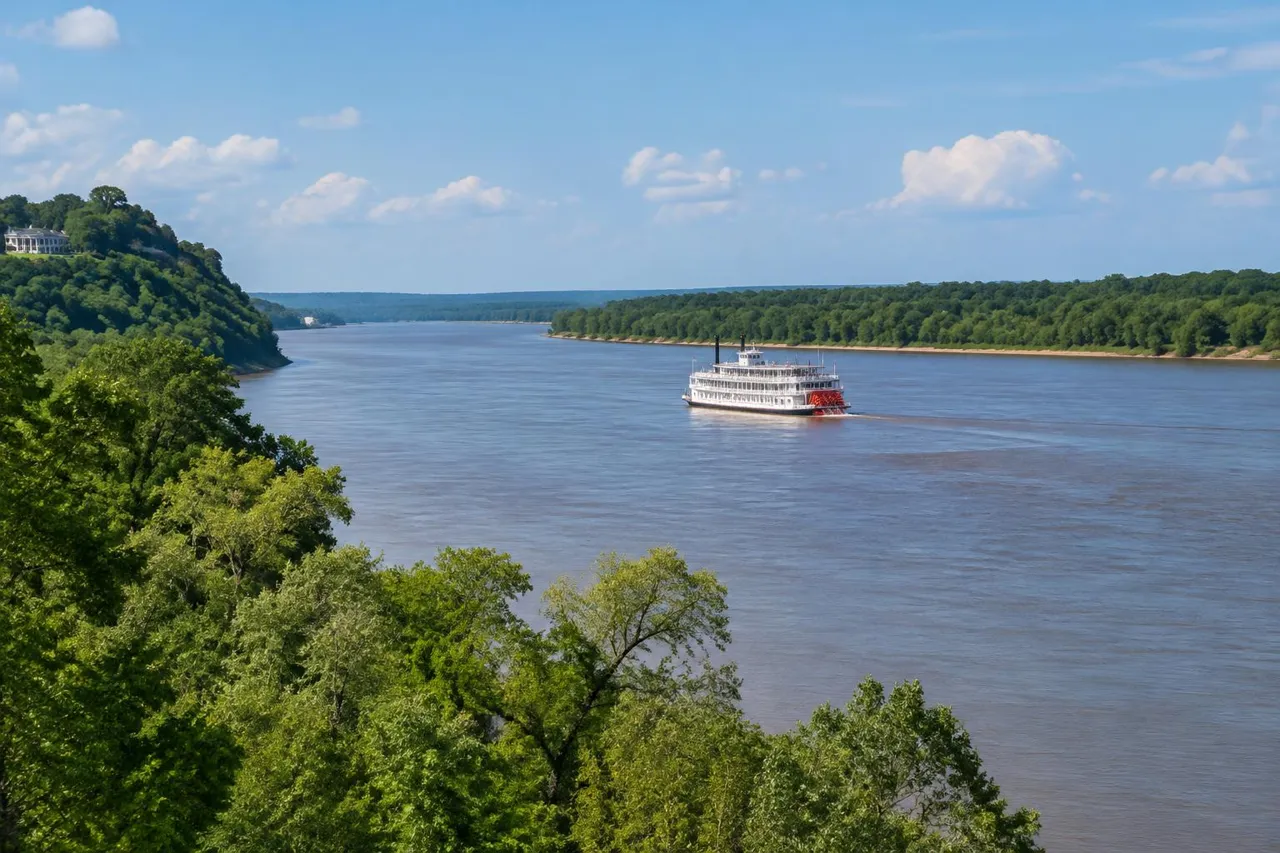
Mississippi river landscape — River Cruises wildlife habitatAI-modified

Mississippi

Upper Mississippi River NWR, Wabasha MN–Rock Island IL; sheltered backwaters and marshes, with unit-specific access.
Explore river cruises

Destinations describe the species' habitat, not guaranteed cruise stops. Some animals require an optional inland excursion or are found in restricted reserves.

Fun facts about the Blue-winged Teal

  • It is a dabbling duck rather than a specialised diving duck.
  • The male can show a pale facial crescent.
  • The blue wing patch may be hidden on a resting bird.
  • Females nest in concealed grassy or herbaceous cover.
  • The female constructs and lines the nest depression.
  • Aquatic insects and small mollusks are among its foods.
  • Diet changes with biological context.
  • Birds undergo a flightless moult.
  • A year-round checklist does not mean year-round local presence.

Best time to see the Blue-winged Teal

The Upper Mississippi refuge checklist reviewed includes Blue-winged Teal but does not provide a species-specific local viewing calendar. The printable list’s year-round coverage describes the list’s reporting scope, not continuous year-round presence of every species printed on it. That distinction is essential: a checklist cannot be converted into twelve confirmed viewing months. Cornell’s descriptions of migration, nesting and winter habitats are useful biology but do not identify an optimal month for Wabasha–Rock Island excursions. The refuge’s general spring and autumn birding advice likewise requires a species-matched passage before being turned into teal months. The location therefore retains an empty months array. Ask refuge staff or a local guide about recent teal observations and accessible shallow-water units. Planning should also account for current water coverage and public access, but neither river conditions nor a general migration season substitutes for verified local timing.

Blue-winged Teal: season matrix by destination

Highlighted months reflect the stated local evidence, not guaranteed encounters. Neutral months mean no verified monthly viewing window, not absence. Observation records and recommended viewing windows are distinct.

Mississippi

The official refuge checklist records this species in the listed locally defined seasons, including rare occurrences where coded, providing local guidance rather than a guarantee of sightings.

JanFebMarAprMayJunJulAugSepOctNovDec
Explore river cruises

Where the Blue-winged Teal lives

Cornell describes shallow ponds, marsh mixtures and vegetated wetlands as important habitats, with migrants also using wetlands around lakes and rice fields. Freshwater and brackish settings are generally more relevant than fully marine water, although habitat use varies across the range. For the Upper Mississippi registry reach, this points attention toward backwaters, marsh margins and sheltered shallow areas rather than assuming the navigation channel is the best place to look. The refuge extends across a substantial river corridor, and a refuge-wide checklist does not identify which unit currently holds teal. Access also differs among public overlooks, boat landings and protected areas. Ask refuge staff which legal viewing points overlook suitable shallows on the day. The presence of shallow water alone does not establish occupancy, while deep open water lacking nearby cover may offer little opportunity despite being directly beside a cruise route.

What the Blue-winged Teal eats

Cornell lists aquatic insects, crustaceans, clams and snails alongside vegetation and grains in the Blue-winged Teal’s diet. Midge larvae are among the insect foods identified. The account also describes meaningful biological variation: laying females use protein-rich animal food, while seeds can dominate in wintering contexts. These are species-wide observations, not evidence that the same foods dominate in every Upper Mississippi backwater. A visitor may see a duck working its bill through shallow water without being able to identify any individual item. That is enough to document dabbling behaviour but not enough to estimate diet composition. No local seasonal food study was verified for this profile. Do not provide grain, bread or other bait, and do not disturb plants to expose food. Natural shallow-water feeding is the relevant behaviour, and the wetland’s invertebrate and seed resources are part of the habitat that needs protection.

Species at a glance

Common name
Blue-winged Teal
Scientific name
Spatula discors
Animal group
Birds
Size
Not independently verified for this draft
Weight
Not independently verified for this draft
Lifespan
Not independently verified for this draft
Status
A current formal global conservation assessment was not independently verified for this draft.
Identification
A breeding-plumaged male is recognised by the pale crescent in front of the eye combined with its small dabbling-duck structure. The blue upperwing area is another important feature, especially when the wing opens, but it is not always visible on a resting bird. Females are mottled brown and demand closer comparison with other small ducks. Identification should therefore combine face pattern, bill proportions, wing markings when naturally available and overall structure rather than depend on size alone. Distance, posture and the presence of larger ducks can distort apparent scale. Do not confuse the species’ name with a requirement that a swimming bird show obvious blue: folded wings can conceal that area. The registry uses Spatula discors, so research under older generic combinations should be checked for species identity. A brief unidentified teal view is preferable to an unsupported species assignment based only on an expected list.

Blue-winged Teal: frequently asked questions

Where can I see the Blue-winged Teal?
Mississippi. Scan sheltered shallow water from a public overlook or other authorised viewpoint, checking small ducks along vegetation edges rather than only the largest open-water flocks. A telescope can help with females and nonbreeding-looking birds, whose identification is less immediate than that of a well-marked male. Wait for a natural wing stretch or voluntary flight to see the pale blue wing patch; never flush birds to obtain it. Note feeding style, body proportions and companions, but do not assume a mixed duck flock contains the species simply because it is on the refuge checklist. Keep away from grassy nesting cover and follow seasonal closures wherever posted. A cruise-deck view may be possible, yet a refuge backwater outing often offers a more appropriate habitat context. Record the actual unit, date and confidence of any sighting so that a useful local observation is not reduced to an imprecise claim for the entire Upper Mississippi.
When is the best time to see the Blue-winged Teal?
The Upper Mississippi refuge checklist reviewed includes Blue-winged Teal but does not provide a species-specific local viewing calendar. The printable list’s year-round coverage describes the list’s reporting scope, not continuous year-round presence of every species printed on it. That distinction is essential: a checklist cannot be converted into twelve confirmed viewing months. Cornell’s descriptions of migration, nesting and winter habitats are useful biology but do not identify an optimal month for Wabasha–Rock Island excursions. The refuge’s general spring and autumn birding advice likewise requires a species-matched passage before being turned into teal months. The location therefore retains an empty months array. Ask refuge staff or a local guide about recent teal observations and accessible shallow-water units. Planning should also account for current water coverage and public access, but neither river conditions nor a general migration season substitutes for verified local timing.
How big does the Blue-winged Teal get?
Not independently verified for this draft. Adult weight: Not independently verified for this draft. Size varies with age, sex and population.
How should I behave around the Blue-winged Teal?
Scan sheltered shallow water from a public overlook or other authorised viewpoint, checking small ducks along vegetation edges rather than only the largest open-water flocks. A telescope can help with females and nonbreeding-looking birds, whose identification is less immediate than that of a well-marked male. Wait for a natural wing stretch or voluntary flight to see the pale blue wing patch; never flush birds to obtain it. Note feeding style, body proportions and companions, but do not assume a mixed duck flock contains the species simply because it is on the refuge checklist. Keep away from grassy nesting cover and follow seasonal closures wherever posted. A cruise-deck view may be possible, yet a refuge backwater outing often offers a more appropriate habitat context. Record the actual unit, date and confidence of any sighting so that a useful local observation is not reduced to an imprecise claim for the entire Upper Mississippi.
What does the Blue-winged Teal eat?
Cornell lists aquatic insects, crustaceans, clams and snails alongside vegetation and grains in the Blue-winged Teal’s diet. Midge larvae are among the insect foods identified. The account also describes meaningful biological variation: laying females use protein-rich animal food, while seeds can dominate in wintering contexts. These are species-wide observations, not evidence that the same foods dominate in every Upper Mississippi backwater. A visitor may see a duck working its bill through shallow water without being able to identify any individual item. That is enough to document dabbling behaviour but not enough to estimate diet composition. No local seasonal food study was verified for this profile. Do not provide grain, bread or other bait, and do not disturb plants to expose food. Natural shallow-water feeding is the relevant behaviour, and the wetland’s invertebrate and seed resources are part of the habitat that needs protection.
Are wildlife sightings guaranteed on a river cruise?
No. Animals move freely and routes, weather, access restrictions and local conditions influence every outing. Confirm the actual itinerary and shore program before booking.

Compare wildlife in the same destinations

Explore other birds recorded in these destinations. Similar surroundings do not mean the animals share the same habits or viewing season.

Species comparison by animal group and destination
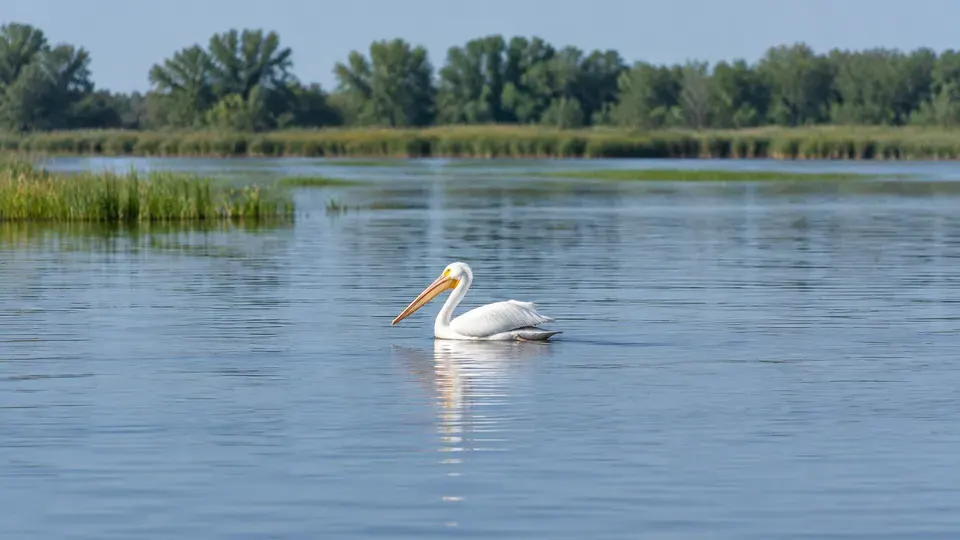
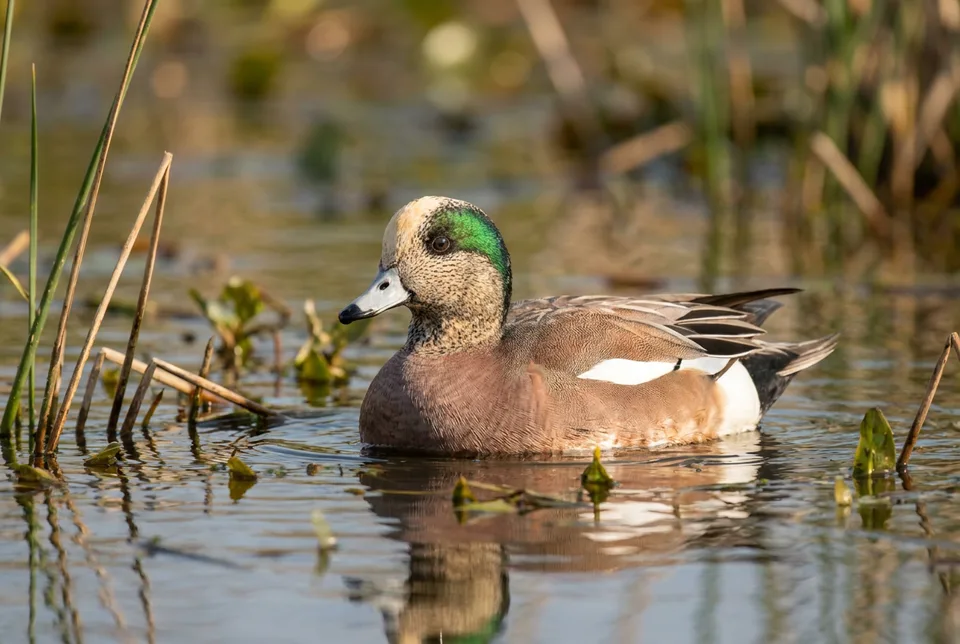
Blue-winged Teal in wetland habitat — Mississippi, River Cruises wildlifeAI-modifiedBlue-winged TealAmerican white pelican in wetland habitat — Columbia, Mississippi, River Cruises wildlifeAI-modifiedAmerican White PelicanAmerican Wigeon in wetland habitat — Columbia, Mississippi, River Cruises wildlifeAI-modifiedAmerican Wigeon
Animal groupBirdsAnimal groupBirdsAnimal groupBirds
DestinationsMississippiDestinationsColumbia, MississippiDestinationsColumbia, Mississippi
Scientific name
Spatula discors
Scientific name
Scientific name
Previous speciesBlue-cheeked Bee-eaterNext speciesBluethroat
All river wildlife
On this page
  • 01About
  • 02Behaviour & reproduction
  • 03Top wildlife locations
  • 04Fun facts
  • 05Best season
  • 06Season matrix by destination
  • 07Habitat
  • 08Diet
  • 09Species at a glance
  • 10Questions & answers
  • 11Compare

Find your river cruise

AI-modified
Plan your trip

Find your next river journey

Compare destinations, shore programs and dates with the animals and habitats you would love to see.

  • Daily shore excursions
  • Responsible wildlife watching
  • Boutique river ships
Explore river cruises