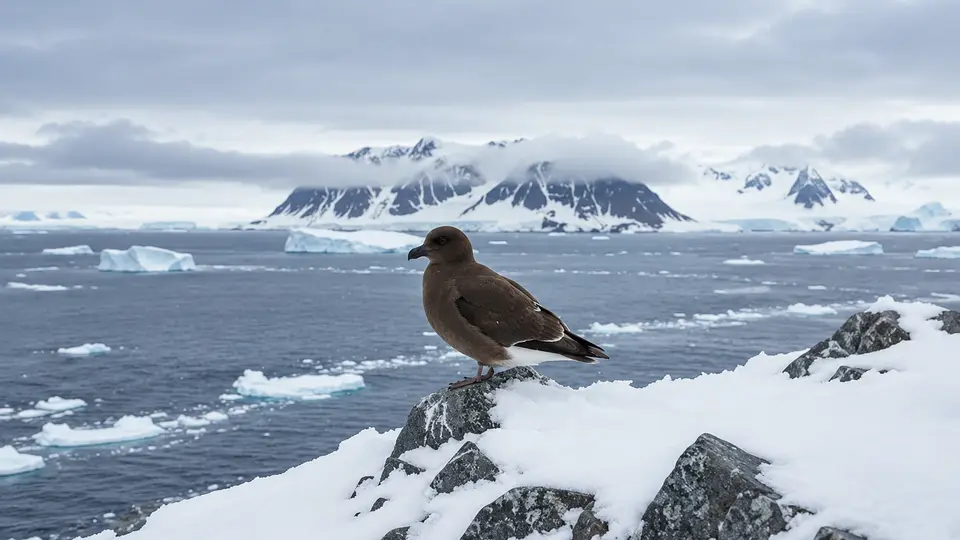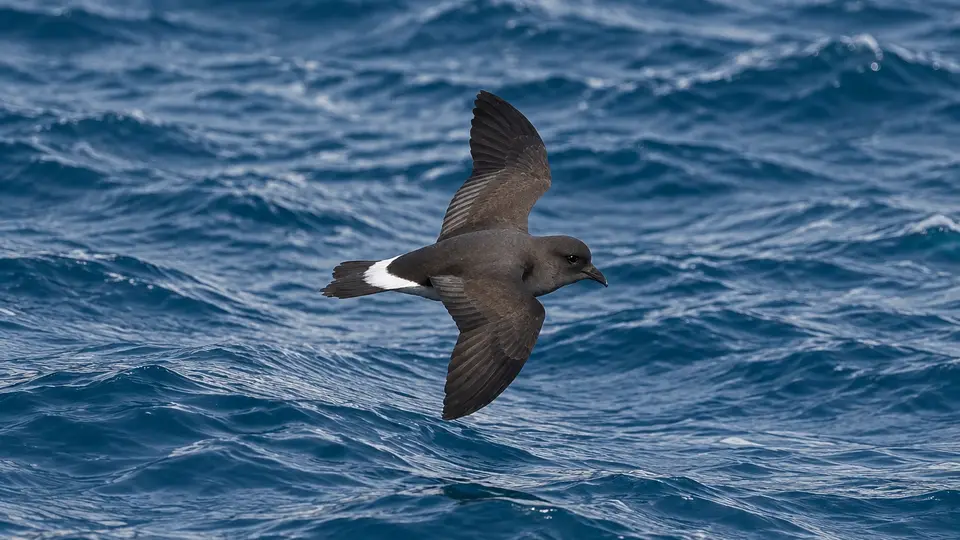
Wilson's Storm Petrel in its natural habitat, AI illustration

Wilson's Storm Petrel: where and when to see them

Oceanites oceanicus

Wilson's Storm Petrel at a glance

Wilson's storm petrel is a tiny ocean-going seabird famous for appearing to walk across the sea surface. Dark plumage and a bright white rump make it recognizable when viewing conditions are good, although several related species look similar. It breeds around Antarctica and on subantarctic islands, then disperses widely, with many birds reaching the North Atlantic. New England visitors may encounter migrants from coastal vessels, while Antarctic travelers can see birds during the southern breeding season.

Behaviour & reproduction

Size
15-19 cm body length
Weight
30-50 g
Lifespan
Not reliably established
Status
Least Concern

Foraging birds hover low over the water, holding their wings raised while their long legs patter against the surface. They pick small prey from the uppermost water layer, often gathering where food is concentrated. Nesting occurs in rocky cavities, generally with visits under low light where seasonal darkness permits. A single egg is laid, and both parents contribute to incubation and feeding before the young bird leaves for an oceanic life. Courtship involves aerial chases and elaborate synchronized flights over the breeding colonies before nesting begins. They are typically colonial breeders, nesting in dense groups to maximize protection from predators. Parent birds engage in nocturnal visits to the nest during the incubation and chick-rearing phases, a strategy to avoid avian predators like skuas.

Top wildlife locations

New England wildlife habitat

New England

Open coastal waters offer better prospects than sheltered harbors, with distant deck observation generally more realistic than shore watching. Headlands may produce occasional views, but tiny birds can remain too far offshore to identify.

Adventure cruises in New England
Antarctica wildlife habitat

Antarctica

Watch from permitted coastal viewpoints or open decks near rocky Antarctic shores. Nest crevices are sensitive and often inaccessible; any land access depends on authorized itineraries, weather and wildlife-protection rules.

Adventure cruises in Antarctica

Destinations describe the species' habitat, not guaranteed cruise stops. Some animals require an optional inland excursion or are found in restricted reserves.

Fun facts about the Wilson's Storm Petrel

  • Its surface-pattering feeding style inspired the image of a bird walking on water.
  • The webs between its toes contain yellow patches.
  • Many individuals migrate between Antarctic breeding regions and the North Atlantic.
  • A breeding pair normally lays just one egg.

Best time to see the Wilson's Storm Petrel

June through September is a useful New England window for northward migrants at sea. November through March corresponds to Antarctic visitor access and the southern breeding period. Neither window makes sightings from land dependable, because birds often remain well offshore. In New England, late summer and early autumn provide the best opportunities as they move north to rich feeding grounds. During the Antarctic summer, sightings are virtually guaranteed when exploring the Southern Ocean by ship. Note that their small size and rapid, erratic flight can make them challenging to spot even in optimal conditions.

Wilson's Storm Petrel: season matrix by destination

Travel and observation windows vary by region. Highlighted months are an orientation for planning, not confirmed sightings or a guarantee of access.

New England

This is the usual northern summer occurrence window, not a local breeding season; offshore distribution and weather determine visibility.

JanFebMarAprMayJunJulAugSepOctNovDec
Cruise ships in New England

Antarctica

The austral summer combines normal visitor access with breeding activity; conditions and regional distribution still make individual observations uncertain.

JanFebMarAprMayJunJulAugSepOctNovDec
Cruise ships in Antarctica

Where the Wilson's Storm Petrel lives

Most of its life is spent at sea, from cold Antarctic waters to temperate and tropical oceans. Breeding sites are crevices among rocks and scree on Antarctic and subantarctic land. Coastal visibility depends heavily on weather, food distribution and distance offshore. Though primarily pelagic, they can occasionally be seen from coastal vantage points, especially during stormy weather or strong onshore winds. These highly migratory birds undertake one of the longest migrations of any seabird, traveling between their Southern Ocean breeding grounds and northern hemisphere feeding areas. Breeding colonies are typically found on ice-free ground, often near penguin or seal colonies where guano can enrich the soil and provide nesting material.

What the Wilson's Storm Petrel eats

Small crustaceans, including krill, are important prey, alongside tiny fish and other marine organisms. Birds collect food at or immediately below the surface. They may investigate natural slicks or feeding aggregations, but observers should not create feeding opportunities with scraps or bait. They employ a unique 'pattering' flight style, tapping their feet on the water's surface to stir up food or maintain position while snatching prey. Wilson's storm petrels also commonly feed in association with cetaceans and pinnipeds, capitalizing on prey driven to the surface by these larger marine predators. Their olfactory sense is well-developed, aiding in the detection of food sources, especially dimethyl sulfide (DMS) released by feeding phytoplankton.

Species at a glance

Common name
Wilson's Storm Petrel
Scientific name
Oceanites oceanicus
Animal group
Birds
Size
15-19 cm body length
Weight
30-50 g
Lifespan
Not reliably established
Status
Least Concern
Identification
Long legs projecting beyond a short square tail and yellow foot webs help separate it from Leach's storm petrel, which has a forked tail and more bounding flight. Their overall dark sooty-brown plumage is contrasted by a prominent white rump patch extending onto the flanks, a key field mark. The broad, rounded wings with a pale bar on the upperwing coverts are distinctive during flight. Their flight is characterized by shallow wing beats and a constant, bouncing motion, often compared to a butterfly or bat.

Wilson's Storm Petrel: frequently asked questions

Where can I see the Wilson's Storm Petrel?
New England, Antarctica. Observe only from shore or a stable open deck, using binoculars without leaning over rails. Never attract birds with food or lights; at breeding areas, remain on authorized routes away from rocky nest cavities. When viewing from a moving vessel, using a harness for binoculars can improve stability and comfort. Pay attention to the ship's wake, as these birds sometimes follow vessels to feed on disturbed organisms. From land, choose elevated points overlooking the ocean and scan with binoculars, focusing on areas with strong currents or upwellings.
When is the best time to see the Wilson's Storm Petrel?
June through September is a useful New England window for northward migrants at sea. November through March corresponds to Antarctic visitor access and the southern breeding period. Neither window makes sightings from land dependable, because birds often remain well offshore. In New England, late summer and early autumn provide the best opportunities as they move north to rich feeding grounds. During the Antarctic summer, sightings are virtually guaranteed when exploring the Southern Ocean by ship. Note that their small size and rapid, erratic flight can make them challenging to spot even in optimal conditions.
How big does the Wilson's Storm Petrel get?
15-19 cm body length. Adult weight: 30-50 g. Size varies with age, sex and population.
How should I behave around the Wilson's Storm Petrel?
Observe only from shore or a stable open deck, using binoculars without leaning over rails. Never attract birds with food or lights; at breeding areas, remain on authorized routes away from rocky nest cavities. When viewing from a moving vessel, using a harness for binoculars can improve stability and comfort. Pay attention to the ship's wake, as these birds sometimes follow vessels to feed on disturbed organisms. From land, choose elevated points overlooking the ocean and scan with binoculars, focusing on areas with strong currents or upwellings.
What does the Wilson's Storm Petrel eat?
Small crustaceans, including krill, are important prey, alongside tiny fish and other marine organisms. Birds collect food at or immediately below the surface. They may investigate natural slicks or feeding aggregations, but observers should not create feeding opportunities with scraps or bait. They employ a unique 'pattering' flight style, tapping their feet on the water's surface to stir up food or maintain position while snatching prey. Wilson's storm petrels also commonly feed in association with cetaceans and pinnipeds, capitalizing on prey driven to the surface by these larger marine predators. Their olfactory sense is well-developed, aiding in the detection of food sources, especially dimethyl sulfide (DMS) released by feeding phytoplankton.
Are wildlife sightings guaranteed on an adventure cruise?
No. Animals move freely and routes, weather, access restrictions and local conditions influence every outing. Confirm the actual itinerary and shore program before booking.

Compare wildlife in the same destinations

Explore other birds recorded in these destinations. Similar surroundings do not mean the animals share the same habits or viewing season.

Species comparison by animal group and destination
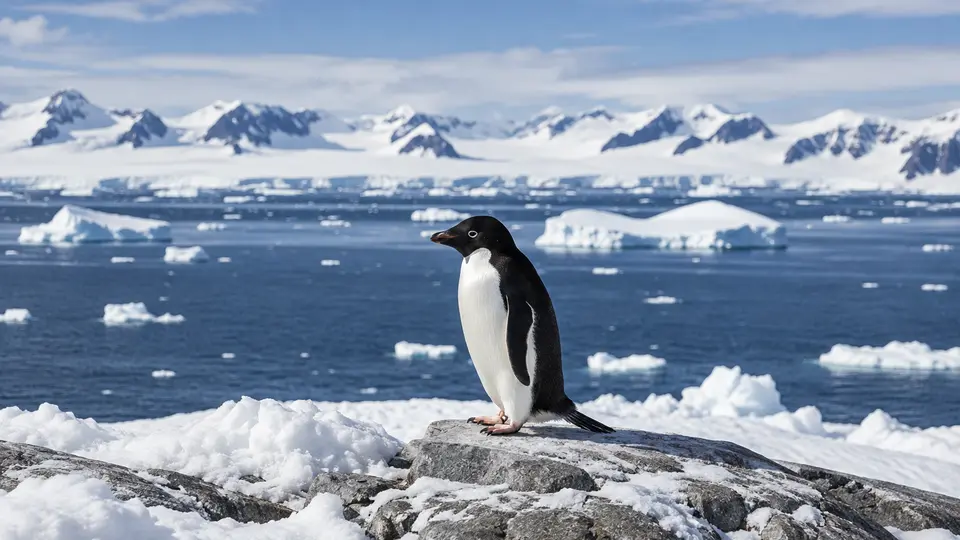
Wilson's Storm PetrelWilson's Storm PetrelAdélie PenguinAdélie PenguinAntarctic PetrelAntarctic Petrel
Animal groupBirdsAnimal groupBirdsAnimal groupBirds
DestinationsNew England, AntarcticaDestinationsAntarcticaDestinationsAntarctica
All wildlife destinations
Plan your trip

Find your next wildlife adventure

Compare destinations, shore programs and dates with the animals and habitats you would love to see.

  • Naturalist-led shore excursions
  • Responsible wildlife watching
  • Small expedition ships

Newsletter

Take Blue Rides with you

Adventure cruise offers, last-minute deals and trip inspiration.

Free, unsubscribe anytime. Details: Privacy Policy

Partner with Blue Rides

Affiliate Program

Recommend adventure cruises and earn commission on every confirmed booking.

Share. Track. Earn.

Your footage, our stage

Send us your videos or pictures.

Captured beautiful landscapes or wildlife? Share your videos and pictures with us, we may feature them on Blue Rides.