
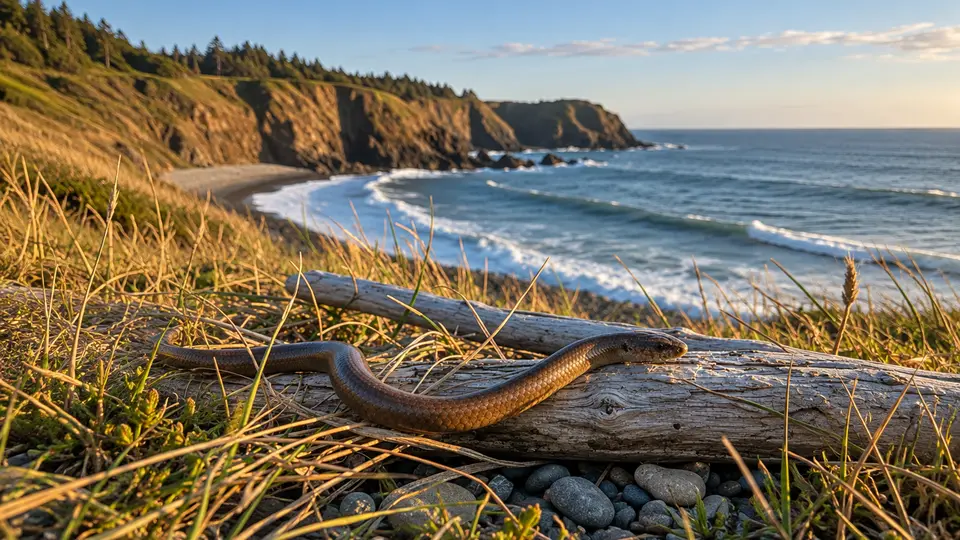
Common Adder in its natural habitat, AI illustration
Size45–75 cm total lengthLifespan10–15 yearsStatusLeast Concern

Common Adder: where and when to see them

Vipera berus

Common Adder at a glance

The common adder is Scotland's only native venomous snake, a compact reptile adapted to surprisingly cool climates. Its broad European and Asian distribution extends beyond the Arctic Circle, but suitable sunny refuges remain essential wherever it lives. Scottish animals occupy patchworks of heath, rough grass and woodland edge rather than uniformly cold, exposed ground. Local populations can be vulnerable to habitat fragmentation, persecution and disturbance of traditional winter shelters.

Behaviour & reproduction

Size
45–75 cm total length
Weight
50–180 g
Lifespan
10–15 years
Status
Least Concern

Adders regulate their temperature by moving between sunlit basking places and sheltered vegetation. They usually retreat when people approach, relying first on camouflage rather than aggression. Males emerge early in spring and may engage in ritual wrestling during the mating period. Females retain developing young internally and give birth to live offspring, often breeding only every second or third year where cool conditions limit opportunities to replenish their energy reserves. Adders are generally solitary, only coming together for mating or occasionally at hibernation sites. They typically hibernate from October to March, often in communal dens below the frost line, emerging when temperatures allow.

Top wildlife locations

Scotland wildlife habitat

Scotland

Coastal heath and sunny rough ground beside woodland can support adders, although many populations require an inland excursion. Sightings are unpredictable, and established paths offer safer observation than searching dense cover.

Adventure cruises in Scotland
Destinations describe the species' habitat, not guaranteed cruise stops. Some animals require an optional inland excursion or are found in restricted reserves.

Fun facts about the Common Adder

  • Its range extends farther north than that of any other snake.
  • Male combat involves raised bodies and wrestling rather than deliberate biting.
  • Females give birth to live young instead of laying eggs.
  • Entirely dark, melanistic individuals occur alongside patterned animals.

Best time to see the Common Adder

March to September offers the main Scottish observation window, depending on altitude and weather. Early spring can make basking adults more visible before vegetation thickens. Mild sunshine following cool weather is often more useful than hot afternoons, when snakes may remain concealed. In the Highlands, adult activity may be delayed until April or even May, especially at higher altitudes. Late summer and early autumn can also be productive for sightings as young adders disperse and adults may be seen basking before hibernation.

Common Adder: season matrix by destination

Travel and observation windows vary by region. Highlighted months are an orientation for planning, not confirmed sightings or a guarantee of access.

Scotland

This is the usual outdoor activity window, shortened by cold weather and elevation; it does not imply reliable sightings.

JanFebMarAprMayJunJulAugSepOctNovDec
Cruise ships in Scotland

Where the Common Adder lives

Scottish habitats include heather moorland, coastal heath, open woodland, rough pasture margins and sunny banks. A useful territory combines basking patches, dense cover, prey and frost-protected winter refuges. Uniformly shaded forest and intensively managed farmland generally provide poorer conditions. Their need for open, sunny patches means they are often found on south-facing slopes, and along woodland edges where they can quickly access cover. Ideal sites often feature tussocky grass or low scrub for concealment, alongside rocks or fallen logs for sunning.

What the Common Adder eats

Adults mainly take small mammals, especially voles and mice, with lizards and occasional birds also eaten. Young adders rely more heavily on small lizards and other suitably sized prey. Venom subdues food, which is swallowed whole after capture or tracking. While primarily hunting small rodents, adders are opportunistic and will consume nestlings or fledglings if encountered. Their venom is primarily a digestive aid, breaking down prey tissues internally for easier assimilation.

Species at a glance

Common name
Common Adder
Scientific name
Vipera berus
Animal group
Reptiles
Size
45–75 cm total length
Weight
50–180 g
Lifespan
10–15 years
Status
Least Concern
Identification
A dark dorsal zigzag, stocky body and vertical pupils distinguish typical adders from grass snakes, although wholly dark individuals can obscure the pattern. The head typically has a distinct V- or X-shaped marking, and the eyes have a reddish-brown iris. Their overall colour can vary widely from grey to brown, sometimes with a greenish or reddish tinge.

Common Adder: frequently asked questions

Where can I see the Common Adder?
Scotland. Scan sunny heath edges from established paths without lifting stones or disturbing cover. Keep dogs close and never handle an adder. Give any snake room to retreat, and seek urgent medical or veterinary advice after a suspected bite. Approaching quietly and scanning the ground ahead can increase chances of spotting them before they retreat. During cooler periods, adders may be less active and harder to detect, blending perfectly with their surroundings.
When is the best time to see the Common Adder?
March to September offers the main Scottish observation window, depending on altitude and weather. Early spring can make basking adults more visible before vegetation thickens. Mild sunshine following cool weather is often more useful than hot afternoons, when snakes may remain concealed. In the Highlands, adult activity may be delayed until April or even May, especially at higher altitudes. Late summer and early autumn can also be productive for sightings as young adders disperse and adults may be seen basking before hibernation.
How big does the Common Adder get?
45–75 cm total length. Adult weight: 50–180 g. Size varies with age, sex and population.
How should I behave around the Common Adder?
Scan sunny heath edges from established paths without lifting stones or disturbing cover. Keep dogs close and never handle an adder. Give any snake room to retreat, and seek urgent medical or veterinary advice after a suspected bite. Approaching quietly and scanning the ground ahead can increase chances of spotting them before they retreat. During cooler periods, adders may be less active and harder to detect, blending perfectly with their surroundings.
What does the Common Adder eat?
Adults mainly take small mammals, especially voles and mice, with lizards and occasional birds also eaten. Young adders rely more heavily on small lizards and other suitably sized prey. Venom subdues food, which is swallowed whole after capture or tracking. While primarily hunting small rodents, adders are opportunistic and will consume nestlings or fledglings if encountered. Their venom is primarily a digestive aid, breaking down prey tissues internally for easier assimilation.
Are wildlife sightings guaranteed on an adventure cruise?
No. Animals move freely and routes, weather, access restrictions and local conditions influence every outing. Confirm the actual itinerary and shore programme before booking.

Compare wildlife in the same destinations

Explore other reptiles recorded in these destinations. Similar surroundings do not mean the animals share the same habits or viewing season.

Species comparison by animal group and destination
Common AdderCommon AdderSlow WormSlow Worm
Animal groupReptilesAnimal groupReptiles
DestinationsScotlandDestinationsScotland
All wildlife destinations
Plan your trip

Find your next wildlife adventure

Compare destinations, shore programmes and dates with the animals and habitats you would love to see.

  • Naturalist-led shore excursions
  • Responsible wildlife watching
  • Small expedition ships

Newsletter

Take Blue Rides with you

Adventure cruise offers, last-minute deals and trip inspiration.

Free, unsubscribe anytime. Details: Privacy Policy

Partner with Blue Rides

Affiliate Program

Recommend adventure cruises and earn commission on every confirmed booking.

Share. Track. Earn.