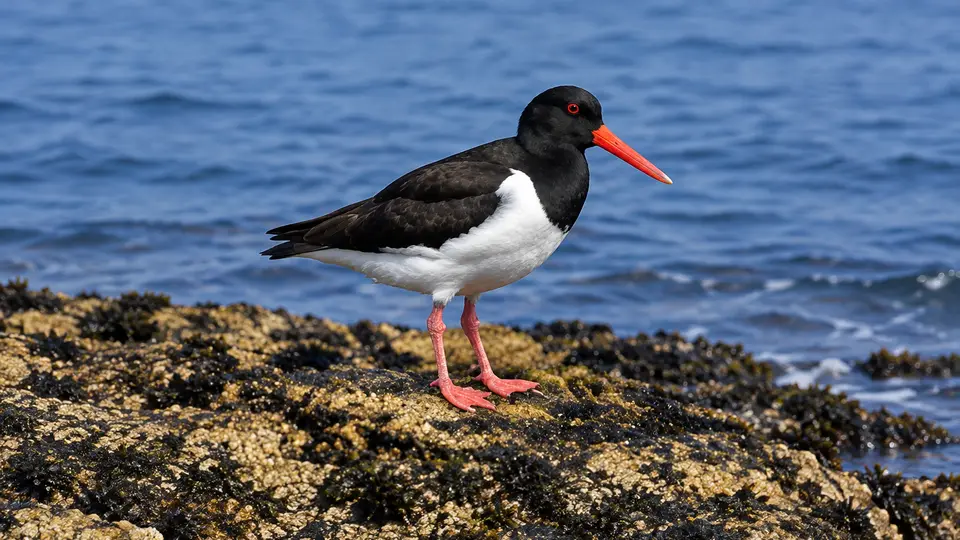
Variable oystercatcher in its natural habitat, AI illustration

Variable oystercatcher: where and when to see them

Haematopus unicolor

Variable oystercatcher at a glance

The variable oystercatcher is a large New Zealand coastal shorebird with a long orange-red bill, pink legs and conspicuous red eyes. Its name reflects genuine plumage variation: some birds are entirely black, while others have varying amounts of white below. It breeds around much of the country’s coast and often remains close to its territory throughout the year. Beach recreation, introduced predators and disturbance around nests remain important local pressures despite population recovery.

Behaviour & reproduction

Size
45–50 cm length
Weight
550–750 g
Lifespan
Not reliably established
Status
Least Concern

Pairs defend stretches of coast with loud piping calls, upright displays and vigorous pursuit of intruders. They forage along the changing tide line, using the bill to probe, stab or open prey. Nests are simple scrapes on beaches or other open coastal ground, where eggs blend with surrounding stones and sand. Adults may distract approaching threats away from chicks. Outside breeding, some birds gather in loose coastal groups. Pairs typically mate for life and are highly territorial, aggressively defending their nesting and foraging grounds from other oystercatchers and potential threats. Young birds, not yet breeding, often join non-breeding flocks that may number into the hundreds in favored coastal areas.

Top wildlife locations

New Zealand wildlife habitat

New Zealand

Public beaches, rocky coastal paths and estuary margins provide direct shore-viewing opportunities without an inland excursion. Nesting stretches may be temporarily fenced or restricted; use designated routes and respect local dog-control requirements.

Adventure cruises in New Zealand
Destinations describe the species' habitat, not guaranteed cruise stops. Some animals require an optional inland excursion or are found in restricted reserves.

Fun facts about the Variable oystercatcher

  • Black and pied plumages belong to the same species.
  • All-black birds become more frequent toward southern New Zealand.
  • The nest is usually an unlined or lightly lined ground scrape.
  • Chicks leave the nest soon after hatching but continue receiving food from adults.

Best time to see the Variable oystercatcher

Resident birds can be watched throughout the year, with low or falling tides often more useful than any particular month. Spring and summer bring territorial and nesting activity, but also require greater restraint. Winter observations can avoid some breeding-related disturbance while still offering good views. During the non-breeding season, these oystercatchers often form larger flocks, offering opportunities to observe their social dynamics. Prime viewing from cruise ships or shore excursions is often during low tide when feeding activity is at its peak along the exposed intertidal zone.

Variable oystercatcher: season matrix by destination

Travel and observation windows vary by region. Highlighted months are an orientation for planning, not confirmed sightings or a guarantee of access.

New Zealand

Year-round residency supports a broad window. Tide and local disturbance matter strongly, with extra nesting precautions needed during spring and summer.

JanFebMarAprMayJunJulAugSepOctNovDec
Cruise ships in New Zealand

Where the Variable oystercatcher lives

Rocky shores, sandy beaches, estuary edges and shell banks all provide habitat. Nesting usually takes place above the normal high-tide line on open ground with good visibility. Nearby intertidal feeding areas are essential, but birds also need undisturbed places to rest. They are endemic to New Zealand, found on coastlines throughout the North and South Islands as well as Stewart Island. Some populations may utilize river shingle banks further inland for nesting, especially in braided river systems.

What the Variable oystercatcher eats

Mussels, limpets, cockles and other molluscs are important prey, supplemented by worms, crabs and additional coastal invertebrates. Bill use varies with prey type, including levering, hammering and probing. Individuals often show preferences for particular feeding techniques or locally abundant foods. Their strong, chisel-like bill is perfectly adapted for prising molluscs from rocks or probing soft substrates for buried invertebrates. Chicks are fed a diet of small, soft invertebrates brought by parents.

Species at a glance

Common name
Variable oystercatcher
Scientific name
Haematopus unicolor
Animal group
Birds
Size
45–50 cm length
Weight
550–750 g
Lifespan
Not reliably established
Status
Least Concern
Identification
All-black birds are distinctive, while pied individuals usually show a less clean breast boundary than South Island pied oystercatchers and lack their characteristic broad white back pattern. The variable oystercatcher is the only oystercatcher species in New Zealand that occurs in three distinct color morphs: entirely black, pied with black upperparts and white underparts, and an intermediate 'smudgy' pied form. Their bright orange-red bill and prominent red eye-ring are key distinguishing features across all morphs.

Variable oystercatcher: frequently asked questions

Where can I see the Variable oystercatcher?
New Zealand. Keep dogs leashed and give calling or distracting adults a wide berth, especially above the high-tide line. Walk around nesting areas rather than between adults and chicks. Observe feeding birds without blocking their shoreline route. Viewing from a distance with binoculars allows for undisturbed observation of their natural feeding and social behaviors. Always maintain a respectful distance to avoid causing stress, especially during breeding when they are most vulnerable to disturbance.
When is the best time to see the Variable oystercatcher?
Resident birds can be watched throughout the year, with low or falling tides often more useful than any particular month. Spring and summer bring territorial and nesting activity, but also require greater restraint. Winter observations can avoid some breeding-related disturbance while still offering good views. During the non-breeding season, these oystercatchers often form larger flocks, offering opportunities to observe their social dynamics. Prime viewing from cruise ships or shore excursions is often during low tide when feeding activity is at its peak along the exposed intertidal zone.
How big does the Variable oystercatcher get?
45–50 cm length. Adult weight: 550–750 g. Size varies with age, sex and population.
How should I behave around the Variable oystercatcher?
Keep dogs leashed and give calling or distracting adults a wide berth, especially above the high-tide line. Walk around nesting areas rather than between adults and chicks. Observe feeding birds without blocking their shoreline route. Viewing from a distance with binoculars allows for undisturbed observation of their natural feeding and social behaviors. Always maintain a respectful distance to avoid causing stress, especially during breeding when they are most vulnerable to disturbance.
What does the Variable oystercatcher eat?
Mussels, limpets, cockles and other molluscs are important prey, supplemented by worms, crabs and additional coastal invertebrates. Bill use varies with prey type, including levering, hammering and probing. Individuals often show preferences for particular feeding techniques or locally abundant foods. Their strong, chisel-like bill is perfectly adapted for prising molluscs from rocks or probing soft substrates for buried invertebrates. Chicks are fed a diet of small, soft invertebrates brought by parents.
Are wildlife sightings guaranteed on an adventure cruise?
No. Animals move freely and routes, weather, access restrictions and local conditions influence every outing. Confirm the actual itinerary and shore program before booking.

Compare wildlife in the same destinations

Explore other birds recorded in these destinations. Similar surroundings do not mean the animals share the same habits or viewing season.

Species comparison by animal group and destination
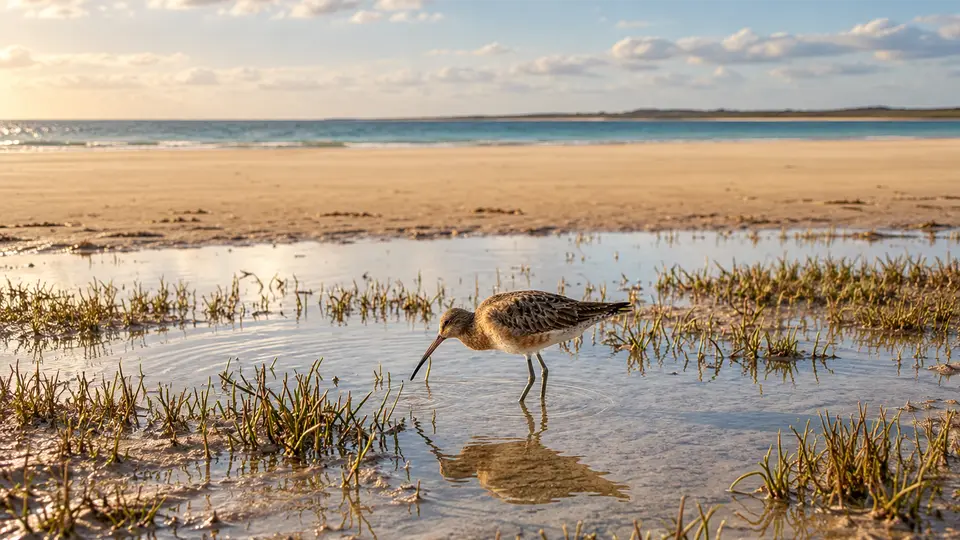
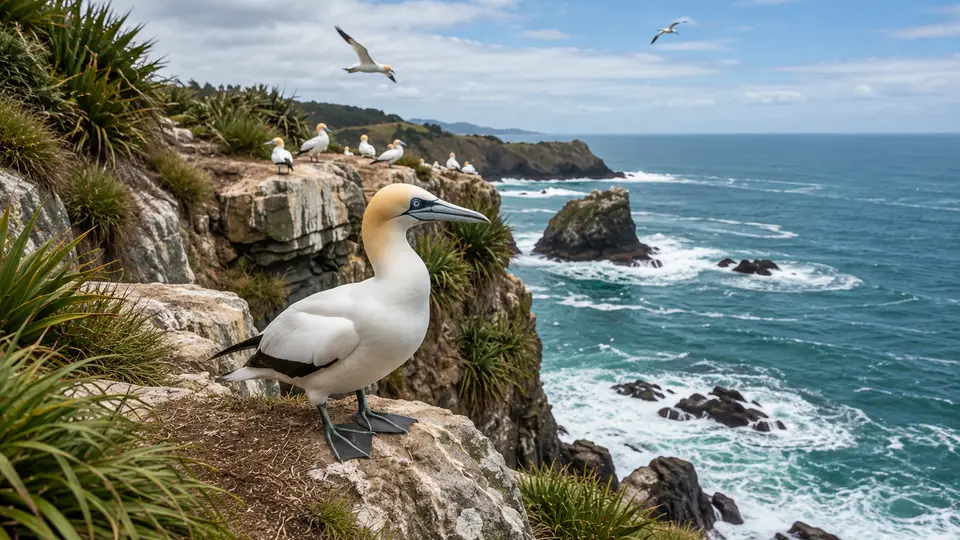
Variable oystercatcherVariable oystercatcherAustralasian gannetAustralasian gannetBar-tailed godwitBar-tailed godwit
Animal groupBirdsAnimal groupBirdsAnimal groupBirds
DestinationsNew ZealandDestinationsNew ZealandDestinationsAustralia, New Zealand
All wildlife destinations
Plan your trip

Find your next wildlife adventure

Compare destinations, shore programs and dates with the animals and habitats you would love to see.

  • Naturalist-led shore excursions
  • Responsible wildlife watching
  • Small expedition ships

Newsletter

Take Blue Rides with you

Adventure cruise offers, last-minute deals and trip inspiration.

Free, unsubscribe anytime. Details: Privacy Policy

Partner with Blue Rides

Affiliate Program

Recommend adventure cruises and earn commission on every confirmed booking.

Share. Track. Earn.