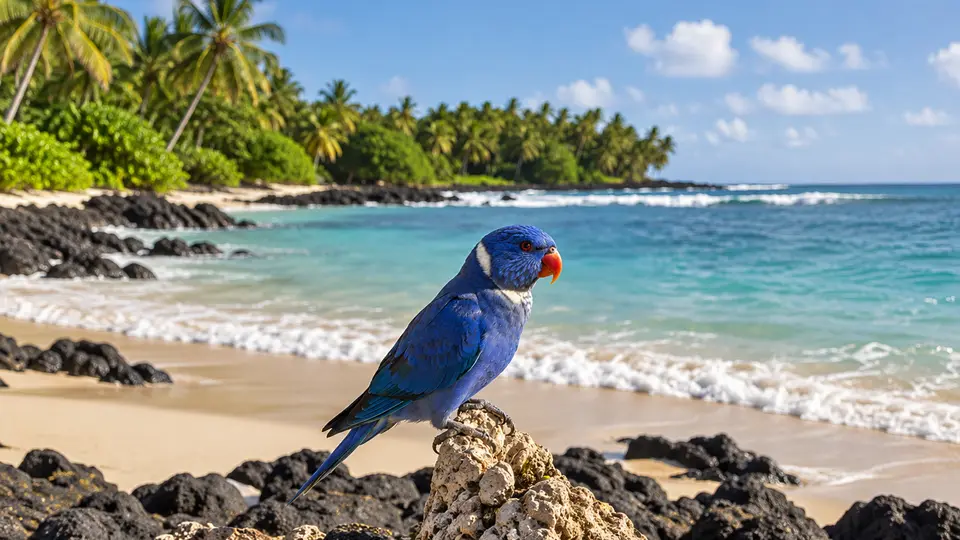
Ultramarine lorikeet in its natural habitat, AI illustration
Size18 cm lengthLifespanNot reliably establishedStatusCritically Endangered

Ultramarine lorikeet: where and when to see them

Vini ultramarina

Ultramarine lorikeet at a glance

The ultramarine lorikeet is a tiny, brilliantly colored parrot endemic to the Marquesas Islands of French Polynesia. Blue upperparts, a pale breast and contrasting blue markings give adults an unusually patterned appearance. Formerly more widespread within the archipelago, it has suffered severe losses associated especially with introduced black rats. Ua Huka is its principal surviving stronghold. Its restricted distribution makes island biosecurity and protection of suitable feeding and nesting trees central conservation priorities.

Behaviour & reproduction

Size
18 cm length
Weight
35 g approximately
Lifespan
Not reliably established
Status
Critically Endangered

These active lorikeets move through flowering and fruiting trees in pairs or small groups, often revealing themselves through sharp calls before their plumage becomes visible. They climb among fine branches and feed acrobatically, sometimes hanging beneath flowers. Local movements follow changing food supplies. Nesting occurs in tree cavities, which offer limited protection from climbing rats. Their small size and rapid flights can make sustained views difficult even in occupied habitat. They are highly social birds, often engaging in playful chasing among branches. Their calls are high-pitched and sharp, frequently given in flight or while foraging. These birds exhibit strong fidelity to their foraging routes and preferred feeding trees within their territories.

Top wildlife locations

Polynesia wildlife habitat

Polynesia

On Ua Huka, wooded valleys and flowering gardens offer plausible land-based habitat, usually requiring an inland excursion from the coast. The species is highly localized, and other Polynesian islands are not interchangeable viewing destinations.

Adventure cruises in Polynesia
Destinations describe the species' habitat, not guaranteed cruise stops. Some animals require an optional inland excursion or are found in restricted reserves.

Fun facts about the Ultramarine lorikeet

  • Its natural range lies entirely within the Marquesas Islands.
  • A brush-tipped tongue helps it gather pollen and nectar.
  • Black rats can reach its tree-cavity nests.
  • Ua Huka is crucial to the species’ continued survival.

Best time to see the Ultramarine lorikeet

No well-supported seasonal peak guarantees observation of this rare resident. Relatively drier Marquesan months may make authorized land excursions more manageable, but local flowering and current conservation advice are more relevant. Regional travel calendars should never be presented as its breeding season. Breeding has been recorded during the austral summer months, typically between November and March, when food resources are more abundant. However, successful observation is more strongly correlated with the availability of actively flowering or fruiting trees, which can vary locally. Visitors should consult with local conservation groups for current conditions and optimal viewing times.

Ultramarine lorikeet: season matrix by destination

Travel and observation windows vary by region. Highlighted months are an orientation for planning, not confirmed sightings or a guarantee of access.

Polynesia

A species-specific seasonal shore-access window is not established. Arrange authorized access using current local guidance rather than inferring availability from general Polynesian travel seasons.

JanFebMarAprMayJunJulAugSepOctNovDec
Cruise ships in Polynesia

Where the Ultramarine lorikeet lives

Occupied habitat includes wooded valleys, native forest, plantations and gardens with suitable flowering trees on Ua Huka. Mature trees provide potential nesting cavities. It is not an open-beach bird, and apparently similar vegetation on other Marquesan islands may no longer support populations. While historically widespread, the Ultramarine Lorikeet is now primarily restricted to Ua Huka in the Marquesas. This species has experienced significant range contraction due to introduced predators and habitat alteration across its historical distribution. Maintaining the health of the remaining forest patches on Ua Huka is critical for its survival.

What the Ultramarine lorikeet eats

Nectar and pollen are important foods, collected with a specialized brush-tipped tongue. Soft fruit and small invertebrates supplement this diet. Feeding opportunities shift as trees flower and fruit, so birds may concentrate briefly at particular trees rather than remain consistently visible. Their specialized diet makes them important pollinators for various native plants in their ecosystem. They also contribute to seed dispersal of the soft fruits they consume, playing a role in forest regeneration. The lorikeets' dependence on specific floral resources makes them vulnerable to habitat degradation affecting these plants.

Species at a glance

Common name
Ultramarine lorikeet
Scientific name
Vini ultramarina
Animal group
Birds
Size
18 cm length
Weight
35 g approximately
Lifespan
Not reliably established
Status
Critically Endangered
Identification
Adults combine ultramarine upperparts with a pale, blue-marked face and breast, unlike the darker blue lorikeet with its more sharply defined white throat. Juveniles are similar to adults but may have duller plumage and a less distinctly marked face. Distinguish from other Vini species by its uniform dark blue upperparts and pale face, lacking the prominent red or green markings found in some relatives. The specific shade of ultramarine can appear darker in poor light conditions.

Ultramarine lorikeet: frequently asked questions

Where can I see the Ultramarine lorikeet?
Polynesia. Use an authorized local guide and observe feeding trees without playback or nest searches. Follow strict anti-rat biosecurity procedures for baggage and supplies. Do not disclose precise nest locations or approach cavity entrances. Always maintain a respectful distance to avoid disturbing feeding or nesting birds. Binoculars are essential for observing these small, fast-moving birds among dense foliage. Contributing to citizen science projects through reporting observations can assist conservation efforts for this endangered species.
When is the best time to see the Ultramarine lorikeet?
No well-supported seasonal peak guarantees observation of this rare resident. Relatively drier Marquesan months may make authorized land excursions more manageable, but local flowering and current conservation advice are more relevant. Regional travel calendars should never be presented as its breeding season. Breeding has been recorded during the austral summer months, typically between November and March, when food resources are more abundant. However, successful observation is more strongly correlated with the availability of actively flowering or fruiting trees, which can vary locally. Visitors should consult with local conservation groups for current conditions and optimal viewing times.
How big does the Ultramarine lorikeet get?
18 cm length. Adult weight: 35 g approximately. Size varies with age, sex and population.
How should I behave around the Ultramarine lorikeet?
Use an authorized local guide and observe feeding trees without playback or nest searches. Follow strict anti-rat biosecurity procedures for baggage and supplies. Do not disclose precise nest locations or approach cavity entrances. Always maintain a respectful distance to avoid disturbing feeding or nesting birds. Binoculars are essential for observing these small, fast-moving birds among dense foliage. Contributing to citizen science projects through reporting observations can assist conservation efforts for this endangered species.
What does the Ultramarine lorikeet eat?
Nectar and pollen are important foods, collected with a specialized brush-tipped tongue. Soft fruit and small invertebrates supplement this diet. Feeding opportunities shift as trees flower and fruit, so birds may concentrate briefly at particular trees rather than remain consistently visible. Their specialized diet makes them important pollinators for various native plants in their ecosystem. They also contribute to seed dispersal of the soft fruits they consume, playing a role in forest regeneration. The lorikeets' dependence on specific floral resources makes them vulnerable to habitat degradation affecting these plants.
Are wildlife sightings guaranteed on an adventure cruise?
No. Animals move freely and routes, weather, access restrictions and local conditions influence every outing. Confirm the actual itinerary and shore programme before booking.

Compare wildlife in the same destinations

Explore other birds recorded in these destinations. Similar surroundings do not mean the animals share the same habits or viewing season.

Species comparison by animal group and destination
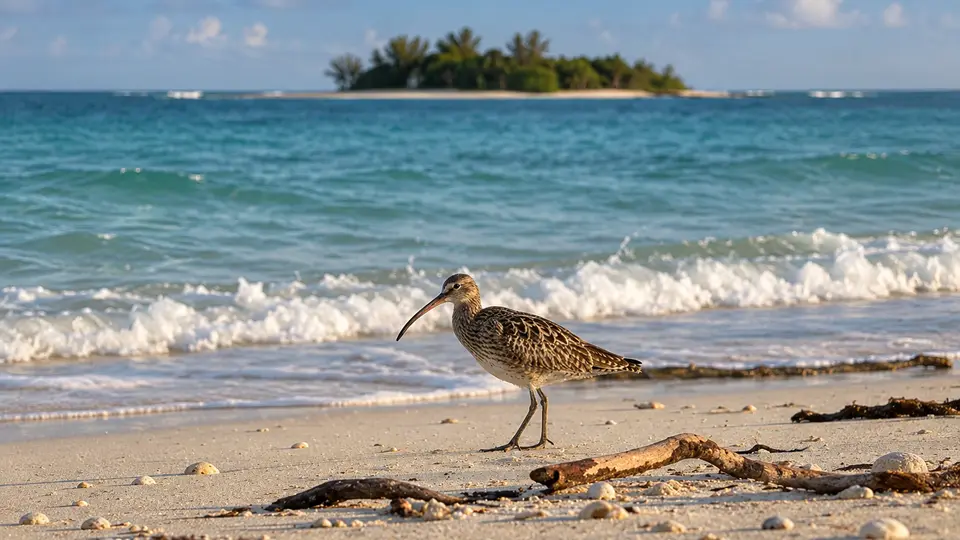
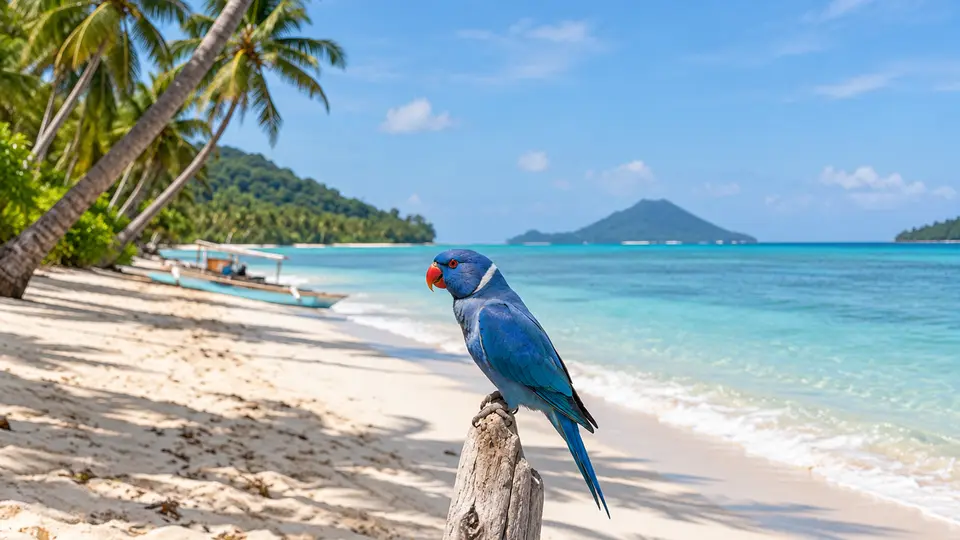
Ultramarine lorikeetUltramarine lorikeetBlue lorikeetBlue lorikeetBristle-thighed curlewBristle-thighed curlew
Animal groupBirdsAnimal groupBirdsAnimal groupBirds
DestinationsPolynesiaDestinationsPolynesiaDestinationsPolynesia
All wildlife destinations
Plan your trip

Find your next wildlife adventure

Compare destinations, shore programmes and dates with the animals and habitats you would love to see.

  • Naturalist-led shore excursions
  • Responsible wildlife watching
  • Small expedition ships

Newsletter

Take Blue Rides with you

Adventure cruise offers, last-minute deals and trip inspiration.

Free, unsubscribe anytime. Details: Privacy Policy

Partner with Blue Rides

Affiliate Program

Recommend adventure cruises and earn commission on every confirmed booking.

Share. Track. Earn.