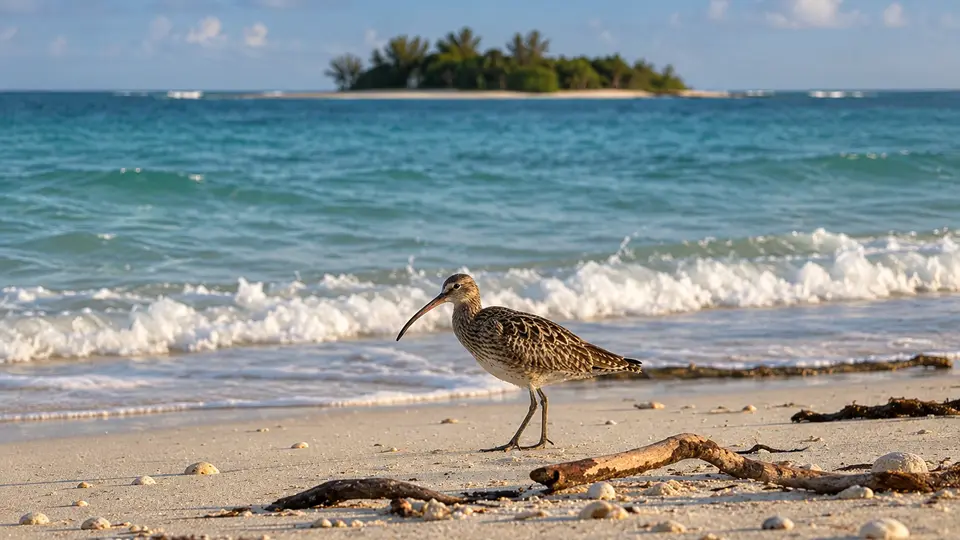
Bristle-thighed curlew in its natural habitatAI-modified

Bristle-thighed curlewNumenius tahitiensisWhere and when to see them

Bristle-thighed curlew at a glance

The bristle-thighed curlew links remote Alaskan breeding grounds with tropical Pacific islands through exceptional long-distance migration. In its nonbreeding range, this mottled brown shorebird searches reefs, beaches and low island vegetation with a long, curved bill. Its name refers to elongated feathers on the thighs, a feature rarely obvious in ordinary views. Small populations, dependence on scattered islands and vulnerability to introduced predators make undisturbed resting and feeding areas particularly important.

Behaviour & reproduction

Size
40-44 cm (15.7-17.3 in) long
Weight
350-650 g (12.3-22.9 oz)
Lifespan
Up to 23.8 years in the wild (record)
Status
Check current assessment

On Pacific islands, bristle-thighed curlews walk steadily across exposed reef flats, beaches and open vegetation, probing and picking up food. They can gather at communal roosts but often spread out to forage. Some adults become temporarily flightless while replacing wing feathers, an unusual and risky stage for a migratory shorebird. Birds may manipulate hard food against stones, and their clear, whistled calls can draw attention before a distant individual is confidently identified. Bristle-thighed curlews are known for their solitary nature outside of communal roosts, often foraging alone or in small, loose groups. During migration, they undertake epic non-stop flights over vast stretches of ocean between their breeding grounds and island wintering areas.

Top wildlife locations

Polynesia wildlife habitatAI-modified

Polynesia

Remote atoll beaches, reef flats and open coastal scrub offer suitable habitat. Many useful sites are inaccessible or require specific permission, and this scarce migrant is not widespread at ordinary tourist beaches.
Destinations describe the species' habitat, not guaranteed cruise stops. Some animals require an optional inland excursion or are found in restricted reserves.

Fun facts about the Bristle-thighed curlew

  • It breeds in Alaska but spends the nonbreeding season on Pacific islands.
  • Some individuals temporarily lose flight ability during wing moult.
  • It can use stones or hard surfaces to help break open food.
  • The scientific name refers to Tahiti, where the species became known to European science.

Best time to see the Bristle-thighed curlew

September through April broadly covers the main nonbreeding presence across tropical Pacific islands, although some immature birds remain longer. May through October often offers easier travel in parts of Polynesia, creating an overlap in September and October. Island-specific occurrence matters much more than regional season alone. The arrival of newly fledged juveniles in late September and October can increase island populations significantly. Early November often marks the peak nonbreeding abundance on many Polynesian atolls.

Bristle-thighed curlew: season matrix by destination

Travel and observation windows vary by region. Highlighted months are an orientation for planning, not confirmed sightings or a guarantee of access.

Polynesia

This broadly matches nonbreeding presence, not uniform travel conditions; wet-season weather and access vary substantially across Polynesia.

JanFebMarAprMayJunJulAugSepOctNovDec
Cruise ships in Polynesia

Where the Bristle-thighed curlew lives

Breeding occurs in western Alaskan tundra, while nonbreeding habitat lies on tropical Pacific islands. Reef flats, sandy shores, coral rubble, low scrub and grassy openings are used. Predator-free or predator-controlled islands are especially valuable during the vulnerable period of wing moult. The species shows high fidelity to specific nonbreeding islands, returning to the same locations year after year. These islands are often small and remote, providing minimal human disturbance.

What the Bristle-thighed curlew eats

Crabs and other marine invertebrates are important foods, alongside insects, spiders, berries and occasional eggs or small vertebrates. The species is an opportunistic island forager. Its curved bill helps extract prey from crevices and soft ground, but it also picks food directly from surfaces. They exhibit a remarkable ability to crack open crab shells or snail opercula using their strong bills. Sometimes they even drop hard-shelled prey from a height onto rocks to break them open.

Species at a glance

Common name
Bristle-thighed curlew
Scientific name
Numenius tahitiensis
Animal group
Birds
Size
40-44 cm (15.7-17.3 in) long
Weight
350-650 g (12.3-22.9 oz)
Lifespan
Up to 23.8 years in the wild (record)
Status
Check current assessment
Identification
Compared with whimbrels, bristle-thighed curlews show a warmer buff rump and tail and distinctive whistled calls, while the diagnostic thigh bristles are usually difficult to see. Their prominent dark cap and supercilium contrast with a pale eyebrow and face. Look for a fairly stout body with long legs and a long, decurved bill.

Bristle-thighed curlew: frequently asked questions

Where can I see the Bristle-thighed curlew?
Polynesia. Scan reef margins and upper beaches from a distance without approaching roosts. Keep dogs away and never flush birds to test flight ability, since moulting individuals may be unable to escape predators. When observing, try to locate individuals with leg bands, as these birds provide valuable data on migration patterns and longevity. Listen carefully for their distinctive vocalizations, which are often the first sign of their presence.
When is the best time to see the Bristle-thighed curlew?
September through April broadly covers the main nonbreeding presence across tropical Pacific islands, although some immature birds remain longer. May through October often offers easier travel in parts of Polynesia, creating an overlap in September and October. Island-specific occurrence matters much more than regional season alone. The arrival of newly fledged juveniles in late September and October can increase island populations significantly. Early November often marks the peak nonbreeding abundance on many Polynesian atolls.
How big does the Bristle-thighed curlew get?
40-44 cm (15.7-17.3 in) long. Adult weight: 350-650 g (12.3-22.9 oz). Size varies with age, sex and population.
How should I behave around the Bristle-thighed curlew?
Scan reef margins and upper beaches from a distance without approaching roosts. Keep dogs away and never flush birds to test flight ability, since moulting individuals may be unable to escape predators. When observing, try to locate individuals with leg bands, as these birds provide valuable data on migration patterns and longevity. Listen carefully for their distinctive vocalizations, which are often the first sign of their presence.
What does the Bristle-thighed curlew eat?
Crabs and other marine invertebrates are important foods, alongside insects, spiders, berries and occasional eggs or small vertebrates. The species is an opportunistic island forager. Its curved bill helps extract prey from crevices and soft ground, but it also picks food directly from surfaces. They exhibit a remarkable ability to crack open crab shells or snail opercula using their strong bills. Sometimes they even drop hard-shelled prey from a height onto rocks to break them open.
Are wildlife sightings guaranteed on an adventure cruise?
No. Animals move freely and routes, weather, access restrictions and local conditions influence every outing. Confirm the actual itinerary and shore program before booking.

Compare wildlife in the same destinations

Explore other birds recorded in these destinations. Similar surroundings do not mean the animals share the same habits or viewing season.

Species comparison by animal group and destination
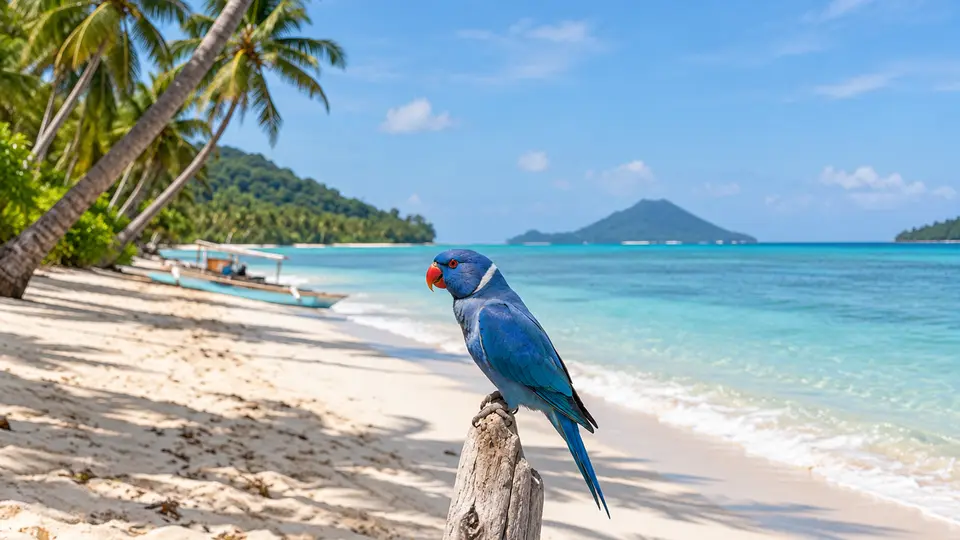
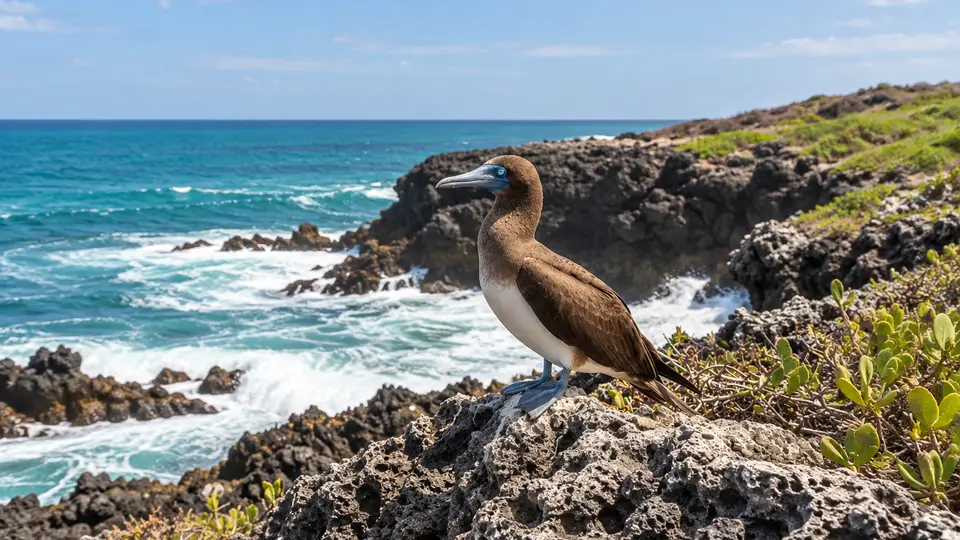
Bristle-thighed curlewAI-modifiedBristle-thighed curlewBlue lorikeetAI-modifiedBlue lorikeetBrown BoobyAI-modifiedBrown Booby
Animal groupBirdsAnimal groupBirdsAnimal groupBirds
DestinationsPolynesiaDestinationsPolynesiaDestinationsCosta Rica, Cape Verde, Egypt, Fiji, Polynesia
Scientific nameNumenius tahitiensisScientific nameScientific name
All wildlife destinations
AI-modified
Plan your trip

Find your next wildlife adventure

Compare destinations, shore programs and dates with the animals and habitats you would love to see.

  • Naturalist-led shore excursions
  • Responsible wildlife watching
  • Small expedition ships