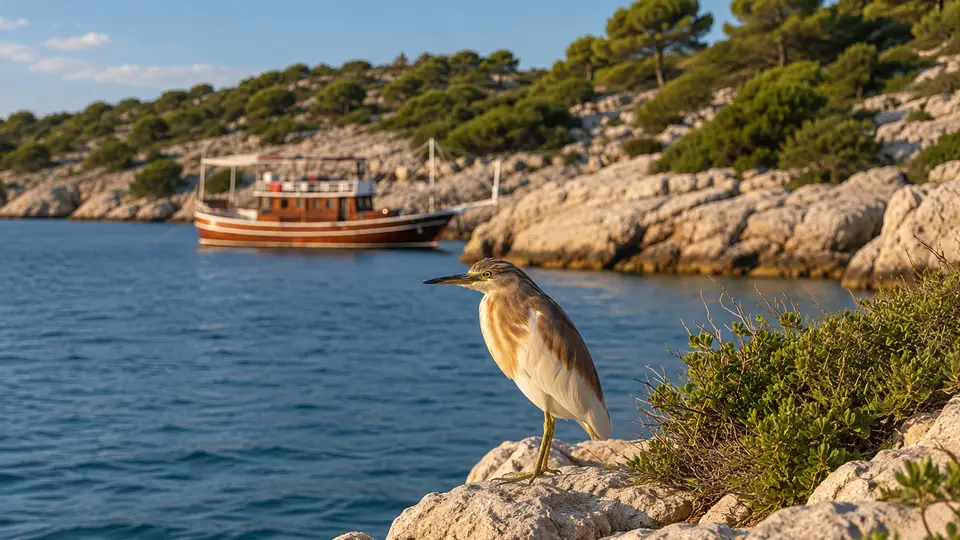
Squacco Heron in its natural habitat, AI illustration
SizeLength 40–49 cmLifespanNot reliably establishedStatusLeast Concern

Squacco Heron: where and when to see them

Ardeola ralloides

Squacco Heron at a glance

The squacco heron is a small, compact wetland heron whose appearance changes dramatically when it flies. At rest its buff and brown plumage blends with reeds and muddy banks, but flight reveals broad white wings and a white tail. European populations are largely migratory, spending the colder months in Africa. In Croatia it is associated with suitable lowland wetlands rather than rocky shores, and its quiet feeding posture makes it easy to overlook.

Behaviour & reproduction

Size
Length 40–49 cm
Weight
230–370 g
Lifespan
Not reliably established
Status
Least Concern

Squacco herons often hunt alone, standing motionless at a pool edge before making a quick strike. They also creep through shallow water or use floating vegetation as a platform. During breeding they nest colonially, commonly alongside other herons in reedbeds, shrubs or trees over wet ground. Birds may feed away from the colony, and migration brings individuals to temporary wetlands that are not used for nesting. Squacco herons are known for their relatively secretive nature, often blending into their reedy surroundings. When disturbed, they may stretch their necks and point their bills upwards, camouflaging themselves among the reeds.

Top wildlife locations

Croatia wildlife habitat

Croatia

Reedbeds, shallow lagoons and lowland freshwater marshes offer plausible viewing from hides or embankments. An inland or dedicated wetland excursion is often needed; rocky island shore stops are generally unsuitable.

Adventure cruises in Croatia
Destinations describe the species' habitat, not guaranteed cruise stops. Some animals require an optional inland excursion or are found in restricted reserves.

Fun facts about the Squacco Heron

  • A resting bird can appear mostly brown even though its flight wings are white.
  • Breeding adults develop long, fine head plumes.
  • The bill becomes more vividly coloured during courtship.
  • European birds generally migrate to Africa outside the breeding season.

Best time to see the Squacco Heron

Late spring and summer are the most plausible Croatian observation period, with migration adding possibilities in spring and early autumn. Wetland water levels strongly influence visibility and habitat use. This regional presence window does not mean every wetland supports a breeding colony. Migrating birds can appear in a wider variety of habitats temporarily before settling in breeding areas. The peak of breeding activity is typically in late spring and early summer, making these months ideal for observing active colonies.

Squacco Heron: season matrix by destination

Travel and observation windows vary by region. Highlighted months are an orientation for planning, not confirmed sightings or a guarantee of access.

Croatia

Covers broad spring passage, summer presence and early autumn movement; local occupancy depends on wetland conditions and is not guaranteed.

JanFebMarAprMayJunJulAugSepOctNovDec
Cruise ships in Croatia

Where the Squacco Heron lives

Shallow freshwater marshes, reed-fringed pools, floodplain channels and wet agricultural landscapes are typical. It favours sheltered water with abundant vegetation and accessible prey. Coastal lagoons can be used where suitable shallow margins occur, but exposed marine beaches and steep rocky coastlines are generally unsuitable. It frequently uses rice paddies and fish farms, benefiting from human modified landscapes. While often found at low altitudes, it can occasionally be seen at higher elevations in suitable wetland habitats.

What the Squacco Heron eats

Small fish, amphibians and aquatic insects form much of its diet, with crustaceans and other small animals taken opportunistically. Hunting usually occurs in shallow water or along vegetated edges. Prey is seized with the bill and typically swallowed whole. It is an opportunistic feeder and will also consume large insects like dragonflies and their larvae. Occasionally, it may also prey on small rodents or frogs found near the water's edge.

Species at a glance

Common name
Squacco Heron
Scientific name
Ardeola ralloides
Animal group
Birds
Size
Length 40–49 cm
Weight
230–370 g
Lifespan
Not reliably established
Status
Least Concern
Identification
Its buff resting plumage and striking white flight wings distinguish it from the larger grey heron and the generally darker-backed little bittern. In flight, the contrast between the buff body and brilliant white wings is highly distinctive. Its relatively short neck and legs, compared to larger heron species, are also good identifying features.

Squacco Heron: frequently asked questions

Where can I see the Squacco Heron?
Croatia. Scan reed edges from hides or established wetland paths. Remain well away from nesting colonies, avoid playback, and do not force a resting bird into flight to see its white wings. Patience is key, as these birds can remain still for extended periods while hunting. On shore excursions, look for them along the edges of agricultural fields with standing water or slow-moving ditches.
When is the best time to see the Squacco Heron?
Late spring and summer are the most plausible Croatian observation period, with migration adding possibilities in spring and early autumn. Wetland water levels strongly influence visibility and habitat use. This regional presence window does not mean every wetland supports a breeding colony. Migrating birds can appear in a wider variety of habitats temporarily before settling in breeding areas. The peak of breeding activity is typically in late spring and early summer, making these months ideal for observing active colonies.
How big does the Squacco Heron get?
Length 40–49 cm. Adult weight: 230–370 g. Size varies with age, sex and population.
How should I behave around the Squacco Heron?
Scan reed edges from hides or established wetland paths. Remain well away from nesting colonies, avoid playback, and do not force a resting bird into flight to see its white wings. Patience is key, as these birds can remain still for extended periods while hunting. On shore excursions, look for them along the edges of agricultural fields with standing water or slow-moving ditches.
What does the Squacco Heron eat?
Small fish, amphibians and aquatic insects form much of its diet, with crustaceans and other small animals taken opportunistically. Hunting usually occurs in shallow water or along vegetated edges. Prey is seized with the bill and typically swallowed whole. It is an opportunistic feeder and will also consume large insects like dragonflies and their larvae. Occasionally, it may also prey on small rodents or frogs found near the water's edge.
Are wildlife sightings guaranteed on an adventure cruise?
No. Animals move freely and routes, weather, access restrictions and local conditions influence every outing. Confirm the actual itinerary and shore programme before booking.

Compare wildlife in the same destinations

Explore other birds recorded in these destinations. Similar surroundings do not mean the animals share the same habits or viewing season.

Species comparison by animal group and destination
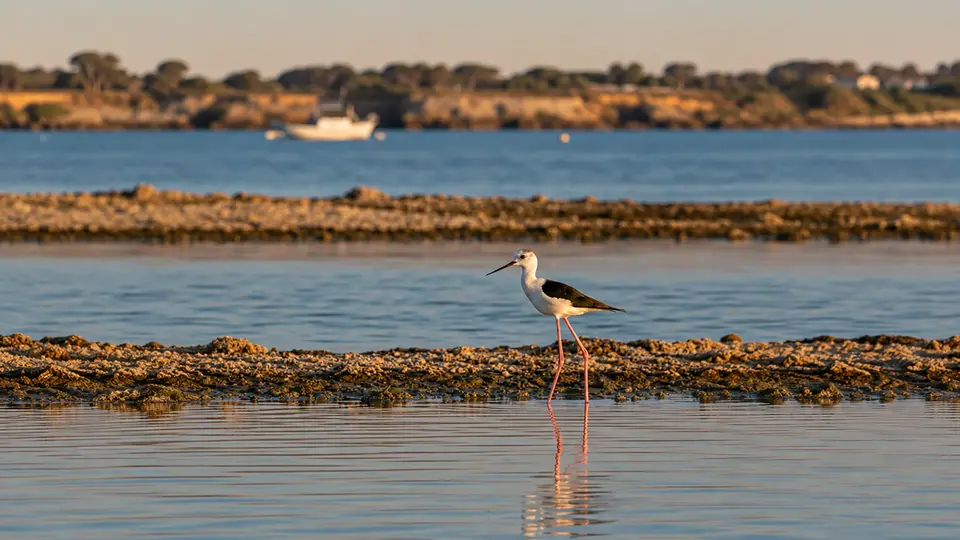
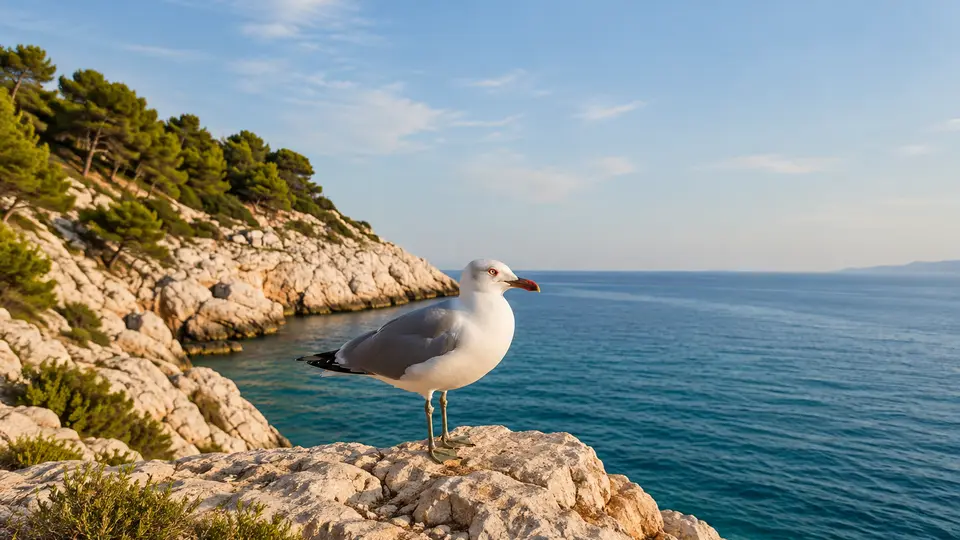
Squacco HeronSquacco HeronAudouin's GullAudouin's GullBlack-winged StiltBlack-winged Stilt
Animal groupBirdsAnimal groupBirdsAnimal groupBirds
DestinationsCroatiaDestinationsCroatia, Greece, Portugal, TurkeyDestinationsCroatia, Greece
All wildlife destinations
Plan your trip

Find your next wildlife adventure

Compare destinations, shore programmes and dates with the animals and habitats you would love to see.

  • Naturalist-led shore excursions
  • Responsible wildlife watching
  • Small expedition ships

Newsletter

Take Blue Rides with you

Adventure cruise offers, last-minute deals and trip inspiration.

Free, unsubscribe anytime. Details: Privacy Policy

Partner with Blue Rides

Affiliate Program

Recommend adventure cruises and earn commission on every confirmed booking.

Share. Track. Earn.