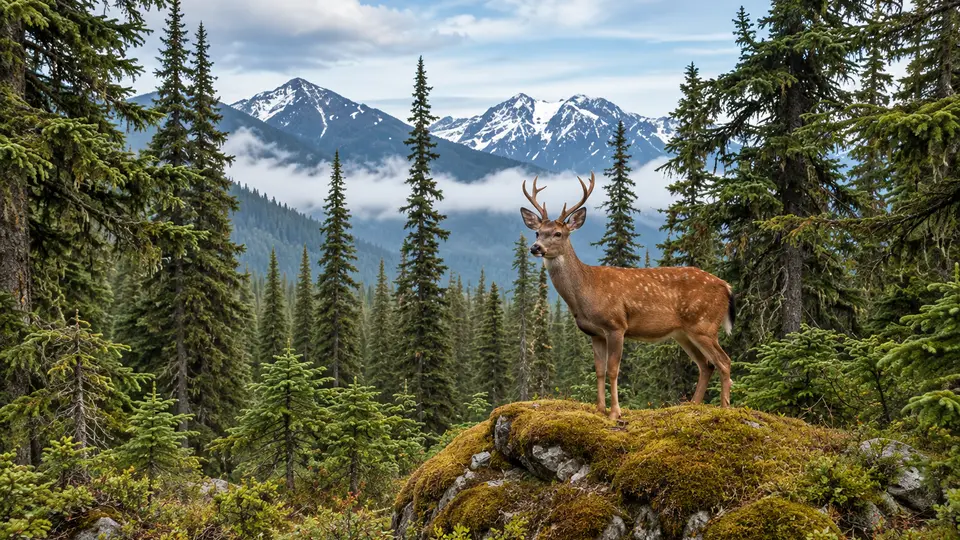
Sitka Deer in its natural habitat, AI illustration

Sitka DeerOdocoileus hemionus sitkensisWhere and when to see them

Sitka Deer at a glance

The Sitka black-tailed deer is a small coastal subspecies of mule deer, adapted to the wet forests of southeastern Alaska and nearby British Columbia. Its compact build, dark tail and seasonally changing coat suit a life among dense vegetation and snowy winter landscapes. Native populations occupy the southeastern mainland and islands, while introductions established deer elsewhere in coastal Alaska. Severe winters and the condition of forest habitat strongly influence local abundance.

Behaviour & reproduction

Size
80-105 cm shoulder height
Weight
35-80 kg
Lifespan
10-15 years
Status
Assessment varies

These deer often feed around dawn and dusk, resting under cover between feeding bouts. Some move uphill during summer and return to lower, more sheltered ground as snow accumulates. Bucks become more active and less tolerant of rivals during the autumn rut. Does usually separate to give birth, leaving spotted fawns concealed while they feed nearby rather than remaining constantly beside them. Sitka deer are generally solitary or found in small family groups, though larger aggregations can form in wintering areas. They possess excellent hearing and sense of smell, constantly scanning their environment for potential threats. While usually wary, deer accustomed to human presence in parks or specific areas may exhibit less skittish behavior.

Top wildlife locations

Alaska wildlife habitat

Alaska

Southeastern Alaska's forest margins, coastal meadows and sheltered beach edges are plausible observation habitats. Established shore trails may suffice, although some populations occupy remote islands without routine public access.
Destinations describe the species' habitat, not guaranteed cruise stops. Some animals require an optional inland excursion or are found in restricted reserves.

Fun facts about the Sitka Deer

  • Sitka deer are a subspecies of mule deer, not a separate species.
  • Their summer coat is reddish brown and their winter coat grayer.
  • Bucks shed and regrow their antlers each year.
  • Several Alaskan island populations originated through human introductions.

Best time to see the Sitka Deer

May through September generally offers the easiest coastal travel and forest walking in Alaska. Deer may use beaches or meadow edges then, but the autumn rut and winter shoreline movements are separate biological events, not guarantees of sightings. Late spring and early summer offer excellent opportunities to observe Sitka deer with their fawns in open meadows or along forest edges. During autumn, bucks are more visible and active as they seek mates, though often still in dense cover. Winter months can provide sightings of deer congregating near the coast or in sheltered valleys where food is more accessible.

Sitka Deer: season matrix by destination

Travel and observation windows vary by region. Highlighted months are an orientation for planning, not confirmed sightings or a guarantee of access.

Alaska

These months reflect practical coastal travel and walking conditions, not a deer breeding season; sightings remain dependent on local habitat, disturbance and weather.

JanFebMarAprMayJunJulAugSepOctNovDec
Cruise ships in Alaska

Where the Sitka Deer lives

Coastal temperate rainforest, forest openings, shrublands and subalpine meadows support Sitka deer. In snowy weather, old forest can provide both shelter and accessible forage beneath its canopy. Shoreline vegetation may become useful where snow restricts feeding farther inland. Sitka deer thrive in the dense understory of coniferous forests, particularly where old-growth trees create openings or diverse canopy structures. Their preference for mixed forest types allows them to find both cover from predators and varied forage sources. In coastal areas, they are often found near riparian zones or estuaries.

What the Sitka Deer eats

Summer feeding includes herbs, leaves and tender shoots, while winter diets rely more heavily on woody browse and available evergreen plants. Fallen lichens can also be eaten. Food quality and accessibility decline sharply when deep snow covers low vegetation. Beyond woody browse, Sitka deer consume a variety of forbs, ferns, and even some mosses when other food is scarce. During spring and summer, they readily browse on new growth of huckleberry, salmonberry, and blueberry bushes. Their diet shifts seasonally to adapt to available plant matter, often focusing on nutrient-rich young vegetation.

Species at a glance

Common name
Sitka Deer
Scientific name
Odocoileus hemionus sitkensis
Animal group
Mammals
Size
80-105 cm shoulder height
Weight
35-80 kg
Lifespan
10-15 years
Status
Assessment varies
Identification
Compared with larger mainland mule deer, Sitka black-tailed deer are smaller and have a broad dark tail rather than a mostly pale tail with only a black tip. Adult Sitka deer typically stand about 3 feet (0.9 meters) tall at the shoulder and weigh between 80 to 120 pounds (36 to 54 kg). Their summer coat is reddish-brown, transitioning to a dark grayish-brown in winter, with white patches on the throat, belly, and rump. Male deer (bucks) grow antlers annually, which are typically small and forked, rarely exceeding three points on a side.

Sitka Deer: frequently asked questions

Where can I see the Sitka Deer?
Alaska. Use binoculars at forest margins and give deer a clear escape route. Keep well away from rutting bucks, and never touch a hidden fawn, which is usually waiting for its mother. When viewing from a vessel, scan shorelines at dawn and dusk for deer grazing at the tideline or entering the forest. On shore excursions, move quietly and avoid strong scents that might alert the deer to your presence. Look for signs of their activity, such as tracks, droppings, and browsed vegetation, especially near fresh water sources.
When is the best time to see the Sitka Deer?
May through September generally offers the easiest coastal travel and forest walking in Alaska. Deer may use beaches or meadow edges then, but the autumn rut and winter shoreline movements are separate biological events, not guarantees of sightings. Late spring and early summer offer excellent opportunities to observe Sitka deer with their fawns in open meadows or along forest edges. During autumn, bucks are more visible and active as they seek mates, though often still in dense cover. Winter months can provide sightings of deer congregating near the coast or in sheltered valleys where food is more accessible.
How big does the Sitka Deer get?
80-105 cm shoulder height. Adult weight: 35-80 kg. Size varies with age, sex and population.
How should I behave around the Sitka Deer?
Use binoculars at forest margins and give deer a clear escape route. Keep well away from rutting bucks, and never touch a hidden fawn, which is usually waiting for its mother. When viewing from a vessel, scan shorelines at dawn and dusk for deer grazing at the tideline or entering the forest. On shore excursions, move quietly and avoid strong scents that might alert the deer to your presence. Look for signs of their activity, such as tracks, droppings, and browsed vegetation, especially near fresh water sources.
What does the Sitka Deer eat?
Summer feeding includes herbs, leaves and tender shoots, while winter diets rely more heavily on woody browse and available evergreen plants. Fallen lichens can also be eaten. Food quality and accessibility decline sharply when deep snow covers low vegetation. Beyond woody browse, Sitka deer consume a variety of forbs, ferns, and even some mosses when other food is scarce. During spring and summer, they readily browse on new growth of huckleberry, salmonberry, and blueberry bushes. Their diet shifts seasonally to adapt to available plant matter, often focusing on nutrient-rich young vegetation.
Are wildlife sightings guaranteed on an adventure cruise?
No. Animals move freely and routes, weather, access restrictions and local conditions influence every outing. Confirm the actual itinerary and shore program before booking.

Compare wildlife in the same destinations

Explore other mammals recorded in these destinations. Similar surroundings do not mean the animals share the same habits or viewing season.

Species comparison by animal group and destination
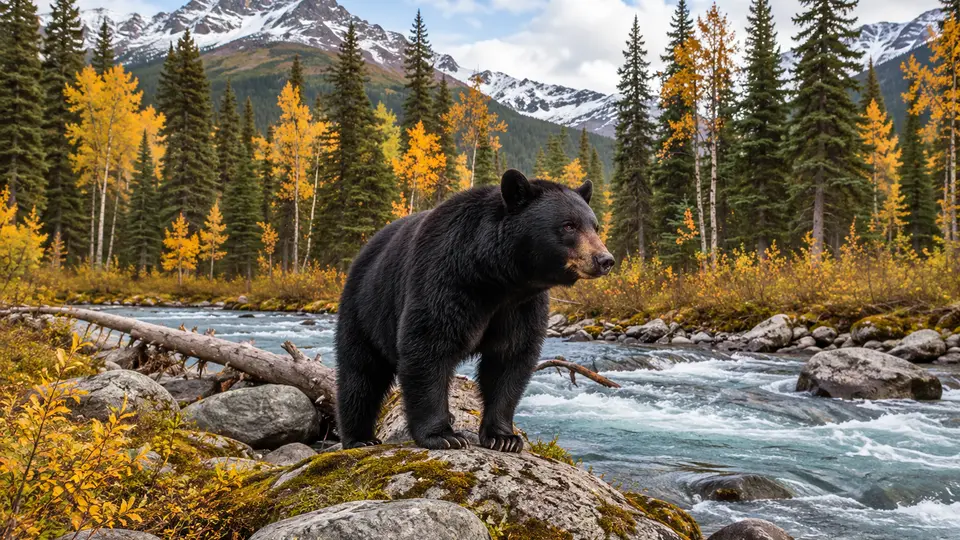
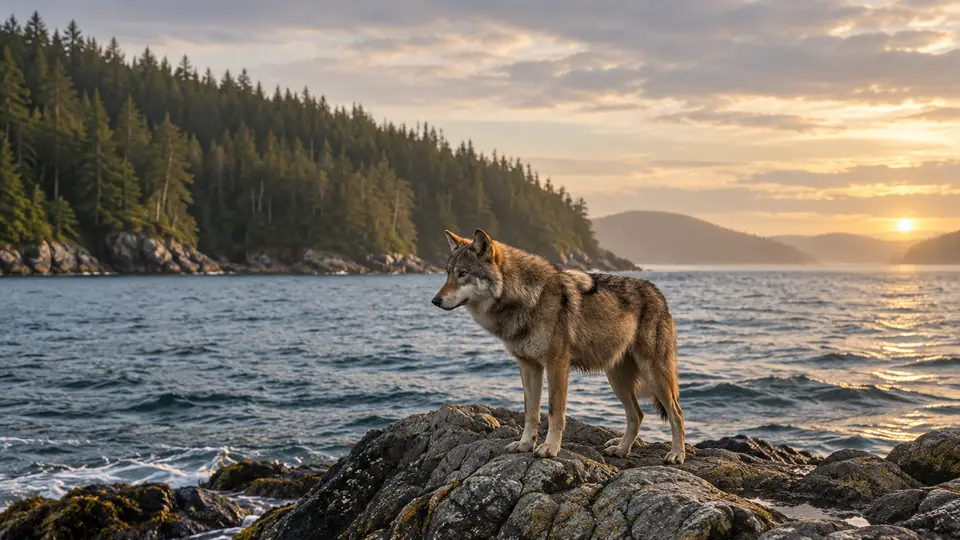
Sitka DeerSitka DeerAlexander Archipelago WolfAlexander Archipelago WolfAmerican Black BearAmerican Black Bear
Animal groupMammalsAnimal groupMammalsAnimal groupMammals
DestinationsAlaskaDestinationsAlaskaDestinationsAlaska, New England
All wildlife destinations
Plan your trip

Find your next wildlife adventure

Compare destinations, shore programs and dates with the animals and habitats you would love to see.

  • Naturalist-led shore excursions
  • Responsible wildlife watching
  • Small expedition ships

Newsletter

Take Blue Rides with you

Adventure cruise offers, last-minute deals and trip inspiration.

Free, unsubscribe anytime. Details: Privacy Policy

Partner with Blue Rides

Affiliate Program

Recommend adventure cruises and earn commission on every confirmed booking.

Share. Track. Earn.

Your footage, our stage

Send us your videos or pictures.

Captured remarkable nature or wildlife on your journey? Share it with us, we may feature it on Blue Rides.