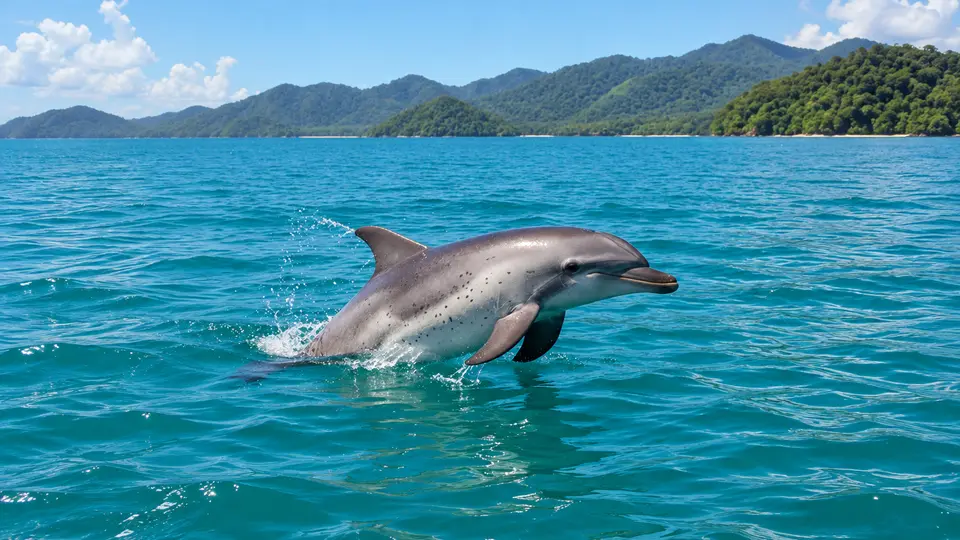
Pantropical Spotted Dolphin in its natural habitat, AI illustration

Pantropical Spotted Dolphin: where and when to see them

Stenella attenuata

Pantropical Spotted Dolphin at a glance

The pantropical spotted dolphin is a slender tropical ocean dolphin whose spotting usually becomes more pronounced with age. It occupies warm seas worldwide, with coastal and offshore populations differing in appearance and ecology. Large schools can be highly conspicuous at the surface, yet shore sightings are often difficult because many animals remain far from land. Historical mortality in tropical tuna fisheries was severe, and fishing interactions remain an important conservation concern.

Behaviour & reproduction

Size
1.6-2.6 m long
Weight
90-120 kg
Lifespan
30-45 years
Status
Least Concern

Spotted dolphins live in fluid social groups that may gather into substantial schools where food is concentrated. They communicate acoustically and use echolocation to locate prey. Surface activity can include rapid travel and energetic leaps, although behaviour varies with feeding, rest and disturbance. Some populations associate with spinner dolphins and tuna. Daily changes in prey depth influence feeding schedules, with nighttime hunting important in several well-studied offshore populations. Spotted dolphins live in fluid social groups that may gather into substantial schools where food is concentrated. They communicate acoustically and use echolocation to locate prey. Surface activity can include rapid travel and energetic leaps, although behaviour varies with feeding, rest and disturbance. Some populations associate with spinner dolphins and tuna. Daily changes in prey depth influence feeding schedules, with nighttime hunting important in several well-studied offshore populations. These dolphins are known for their athleticism, often seen bow-riding vessels and performing acrobatic displays. Group sizes can range from small pods of a few individuals to super-pods of over a thousand, particularly in offshore tuna association.

Top wildlife locations

Costa Rica wildlife habitat

Costa Rica

Pacific headlands and authorized vessel decks overlooking coastal gulfs offer possible distant views. Some populations use coastal waters, but shore identification is difficult and presence varies substantially between areas.

Adventure cruises in Costa Rica
Cape Verde wildlife habitat

Cape Verde

Island headlands and vessel decks overlook suitable warm ocean habitat, often with deep water nearby. Most useful observations are offshore, making shore sightings uncertain and species identification challenging at distance.

Adventure cruises in Cape Verde

Destinations describe the species' habitat, not guaranteed cruise stops. Some animals require an optional inland excursion or are found in restricted reserves.

Fun facts about the Pantropical Spotted Dolphin

  • Calves are born without the conspicuous spotting of many adults.
  • Spots can increase in number and change contrast as animals mature.
  • Eastern tropical Pacific tuna fisheries historically caused major population losses.
  • Coastal and offshore forms differ in size and spotting patterns.

Best time to see the Pantropical Spotted Dolphin

Neither Costa Rica nor Cape Verde has a single dependable shore-viewing season for this dolphin. Calmer conditions improve distant detection, and tropical populations may occur year-round. Regional travel windows describe visibility and access, not a breeding season or guaranteed local presence. Neither Costa Rica nor Cape Verde has a single dependable shore-viewing season for this dolphin. Calmer conditions improve distant detection, and tropical populations may occur year-round. Regional travel windows describe visibility and access, not a breeding season or guaranteed local presence. The species is highly migratory, and local abundance can fluctuate significantly with oceanographic conditions, such as El Niño events. For both destinations, the dry season (roughly December to April for Costa Rica, June to October for Cape Verde) may offer better viewing opportunities due to calmer seas.

Pantropical Spotted Dolphin: season matrix by destination

Travel and observation windows vary by region. Highlighted months are an orientation for planning, not confirmed sightings or a guarantee of access.

Costa Rica

A broadly drier Pacific travel window that may aid observation; dolphin occurrence is not limited to these months.

JanFebMarAprMayJunJulAugSepOctNovDec
Cruise ships in Costa Rica

Cape Verde

No well-supported archipelago-wide shore-viewing season is established; wind and sea conditions vary independently of dolphin presence.

JanFebMarAprMayJunJulAugSepOctNovDec
Cruise ships in Cape Verde

Where the Pantropical Spotted Dolphin lives

Warm tropical and subtropical waters provide its principal habitat, including continental slopes, deep ocean and some coastal zones. Offshore populations often occupy very deep water. Coastal forms use shallower environments, but the species remains entirely marine rather than a shoreline animal. Warm tropical and subtropical waters provide its principal habitat, including continental slopes, deep ocean and some coastal zones. Offshore populations often occupy very deep water. Coastal forms use shallower environments, but the species remains entirely marine rather than a shoreline animal. They are known to occur from tropical surface waters down to depths of 3,280 feet (1,000 meters). Their distribution is circumglobal, found in all major tropical and subtropical oceans.

What the Pantropical Spotted Dolphin eats

Small schooling fish and squid dominate its diet, with prey varying between coastal and offshore populations. Many offshore animals exploit organisms that move closer to the surface at night. Regional studies show that feeding patterns cannot be generalized equally across its worldwide range. Small schooling fish and squid dominate its diet, with prey varying between coastal and offshore populations. Many offshore animals exploit organisms that move closer to the surface at night. Regional studies show that feeding patterns cannot be generalized equally across its worldwide range. While capable of deep dives for prey, most feeding activity appears to occur within the upper 650 feet (200 meters) of the water column. Prey selection often includes flying fish, anchovies, and various mesopelagic squids.

Species at a glance

Common name
Pantropical Spotted Dolphin
Scientific name
Stenella attenuata
Animal group
Mammals
Size
1.6-2.6 m long
Weight
90-120 kg
Lifespan
30-45 years
Status
Least Concern
Identification
Adults combine a slender beak, dark cape and age-dependent spotting, unlike the usually unspotted, three-toned spinner dolphin with which they may associate. Adults combine a slender beak, dark cape and age-dependent spotting, unlike the usually unspotted, three-toned spinner dolphin with which they may associate. Spotting typically appears as pale spots on the dark cape and dark spots on the pale belly, becoming more extensive with age. Calves are born unspotted and resemble bottlenose dolphins, adding to the identification challenge in mixed-species groups.

Pantropical Spotted Dolphin: frequently asked questions

Where can I see the Pantropical Spotted Dolphin?
Costa Rica, Cape Verde. Use binoculars from a headland or stable vessel deck, treating distant identification cautiously. Operators should maintain appropriate separation and avoid interception or pursuit. Never feed dolphins, and do not expect offshore schools to approach shore. Use binoculars from a headland or stable vessel deck, treating distant identification cautiously. Operators should maintain appropriate separation and avoid interception or pursuit. Never feed dolphins, and do not expect offshore schools to approach shore. Maintaining a safe distance of at least 150 feet (45 meters) is crucial for undisturbed observation. Look for splashes or disruptions on the ocean surface, which can indicate active groups or feeding events.
When is the best time to see the Pantropical Spotted Dolphin?
Neither Costa Rica nor Cape Verde has a single dependable shore-viewing season for this dolphin. Calmer conditions improve distant detection, and tropical populations may occur year-round. Regional travel windows describe visibility and access, not a breeding season or guaranteed local presence. Neither Costa Rica nor Cape Verde has a single dependable shore-viewing season for this dolphin. Calmer conditions improve distant detection, and tropical populations may occur year-round. Regional travel windows describe visibility and access, not a breeding season or guaranteed local presence. The species is highly migratory, and local abundance can fluctuate significantly with oceanographic conditions, such as El Niño events. For both destinations, the dry season (roughly December to April for Costa Rica, June to October for Cape Verde) may offer better viewing opportunities due to calmer seas.
How big does the Pantropical Spotted Dolphin get?
1.6-2.6 m long. Adult weight: 90-120 kg. Size varies with age, sex and population.
How should I behave around the Pantropical Spotted Dolphin?
Use binoculars from a headland or stable vessel deck, treating distant identification cautiously. Operators should maintain appropriate separation and avoid interception or pursuit. Never feed dolphins, and do not expect offshore schools to approach shore. Use binoculars from a headland or stable vessel deck, treating distant identification cautiously. Operators should maintain appropriate separation and avoid interception or pursuit. Never feed dolphins, and do not expect offshore schools to approach shore. Maintaining a safe distance of at least 150 feet (45 meters) is crucial for undisturbed observation. Look for splashes or disruptions on the ocean surface, which can indicate active groups or feeding events.
What does the Pantropical Spotted Dolphin eat?
Small schooling fish and squid dominate its diet, with prey varying between coastal and offshore populations. Many offshore animals exploit organisms that move closer to the surface at night. Regional studies show that feeding patterns cannot be generalized equally across its worldwide range. Small schooling fish and squid dominate its diet, with prey varying between coastal and offshore populations. Many offshore animals exploit organisms that move closer to the surface at night. Regional studies show that feeding patterns cannot be generalized equally across its worldwide range. While capable of deep dives for prey, most feeding activity appears to occur within the upper 650 feet (200 meters) of the water column. Prey selection often includes flying fish, anchovies, and various mesopelagic squids.
Are wildlife sightings guaranteed on an adventure cruise?
No. Animals move freely and routes, weather, access restrictions and local conditions influence every outing. Confirm the actual itinerary and shore program before booking.

Compare wildlife in the same destinations

Explore other mammals recorded in these destinations. Similar surroundings do not mean the animals share the same habits or viewing season.

Species comparison by animal group and destination
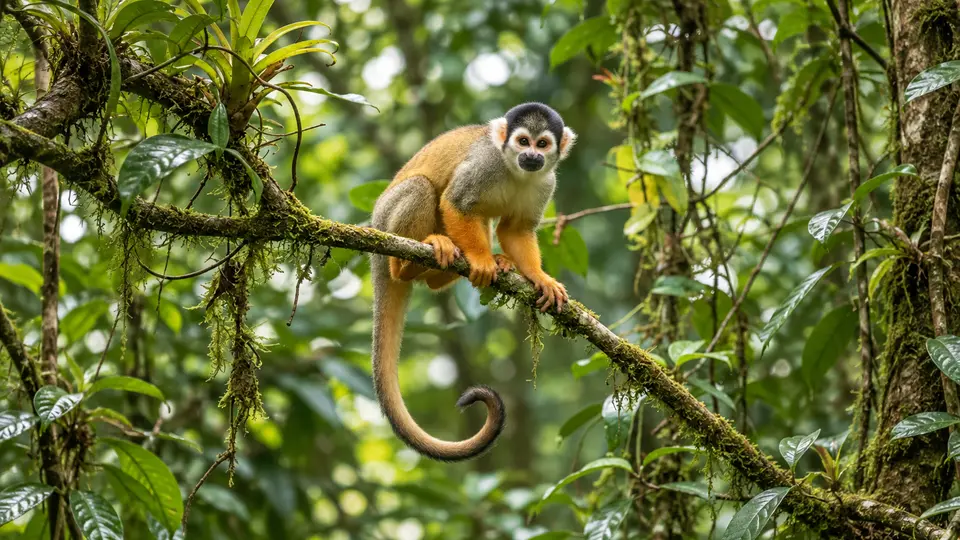
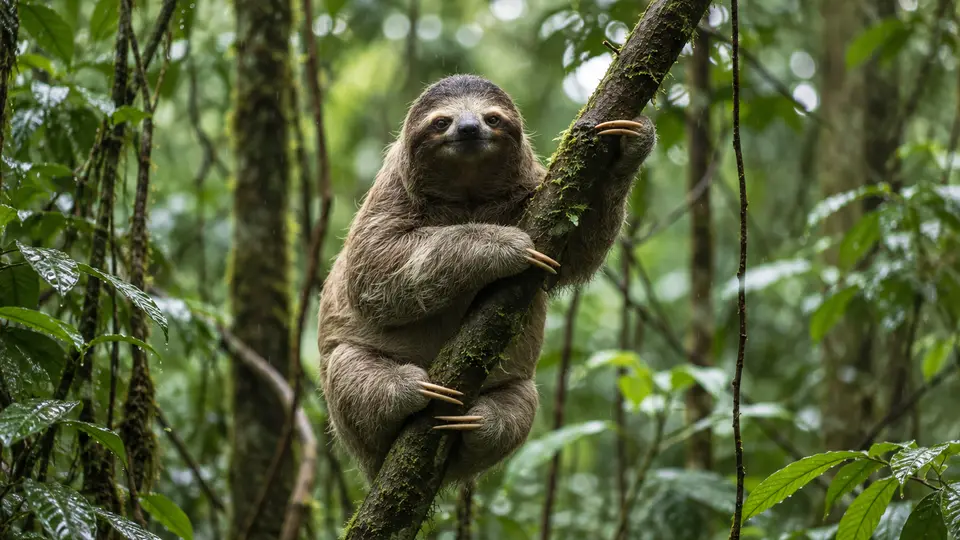
Pantropical Spotted DolphinPantropical Spotted DolphinBrown-throated SlothBrown-throated SlothCentral American Squirrel MonkeyCentral American Squirrel Monkey
Animal groupMammalsAnimal groupMammalsAnimal groupMammals
DestinationsCosta Rica, Cape VerdeDestinationsCosta RicaDestinationsCosta Rica
All wildlife destinations
Plan your trip

Find your next wildlife adventure

Compare destinations, shore programs and dates with the animals and habitats you would love to see.

  • Naturalist-led shore excursions
  • Responsible wildlife watching
  • Small expedition ships

Newsletter

Take Blue Rides with you

Adventure cruise offers, last-minute deals and trip inspiration.

Free, unsubscribe anytime. Details: Privacy Policy

Partner with Blue Rides

Affiliate Program

Recommend adventure cruises and earn commission on every confirmed booking.

Share. Track. Earn.

Your footage, our stage

Send us your videos or pictures.

Captured beautiful landscapes or wildlife? Share your videos and pictures with us, we may feature them on Blue Rides.