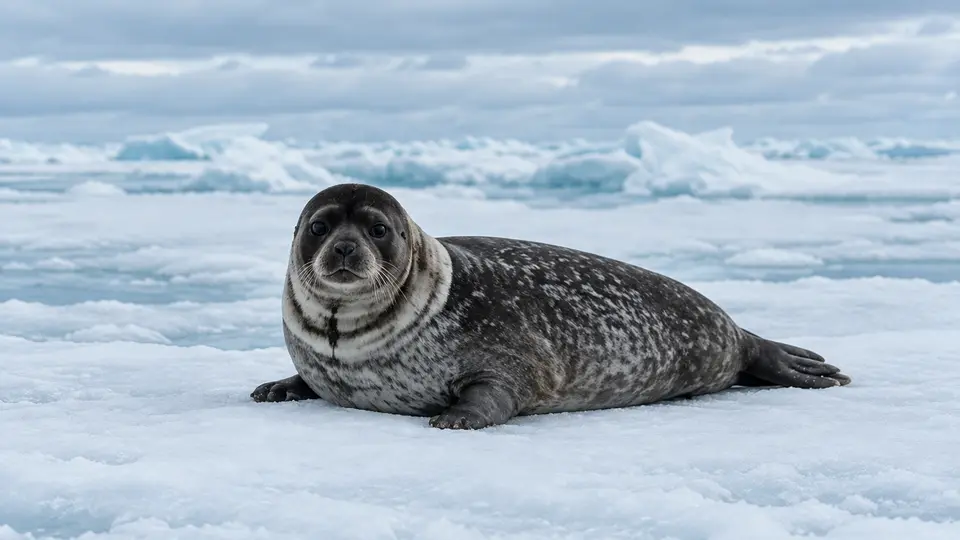
Hooded Seal in its natural habitat, AI illustration

Hooded Seal: where and when to see them

Cystophora cristata

Hooded Seal at a glance

The hooded seal is a large North Atlantic ice-associated seal, named for the inflatable nasal hood of mature males. It spends much of its life at sea and comes onto drifting ice for breeding and moulting rather than forming predictable beach colonies. Males are substantially larger than females. Its offshore distribution and dependence on suitable ice make it an unusual, uncertain subject for distant deck observation and a rare coastal encounter.

Behaviour & reproduction

Size
2.0-2.6 m long
Weight
145-400 kg
Lifespan
25-35 years
Status
Vulnerable

Adults are generally solitary outside breeding and moulting concentrations. Males display an inflated hood and can extrude a red nasal membrane to signal during competitive encounters. Females nurse their pups on pack ice for an exceptionally brief period before returning to sea. Animals resting on ice may appear inactive but remain powerful and potentially defensive, especially when approached or separated from a clear route to the water. Pups are born with a distinctive blue-gray coat, giving them the name 'bluebacks', which they retain until their first molt. Males use their inflatable hood and nasal balloon as visual and acoustic signals during territorial disputes and courtship displays. These seals are known for their strong mother-pup bond during the brief nursing period, after which the mother abandons the pup to fend for itself.

Top wildlife locations

Arctic wildlife habitat

Arctic

Distant deck views near drifting ice in the North Atlantic Arctic are plausible but rare. Normal shore landings are unreliable, and offshore breeding ice is generally inaccessible to ordinary land excursions.

Adventure cruises in Arctic
Destinations describe the species' habitat, not guaranteed cruise stops. Some animals require an optional inland excursion or are found in restricted reserves.

Fun facts about the Hooded Seal

  • Nursing usually lasts only about four days.
  • Pups are born with a blue-grey back and pale underside.
  • Only mature males develop the conspicuous inflatable hood.
  • The red display balloon is a nasal membrane, not the tongue.

Best time to see the Hooded Seal

Breeding occurs mainly in March and moulting chiefly in early summer, but both involve offshore ice rather than dependable public viewing sites. Summer Arctic travel can provide distant opportunities in the North Atlantic sector, although route, ice conditions and chance strongly govern observation. Prime viewing opportunities from expedition cruises are during their migration periods when they might be encountered in ice-filled waters. Patience is essential for sightings, as their presence is highly dependent on unpredictable ice conditions and ocean currents. Early spring is particularly significant for observing breeding aggregations on ice floes, though often from a distance.

Hooded Seal: season matrix by destination

Travel and observation windows vary by region. Highlighted months are an orientation for planning, not confirmed sightings or a guarantee of access.

Arctic

This is a practical Arctic travel window, not a breeding window or assurance that a route overlaps hooded seal habitat.

JanFebMarAprMayJunJulAugSepOctNovDec
Cruise ships in Arctic

Where the Hooded Seal lives

This species inhabits cold North Atlantic and adjacent Arctic waters, with breeding concentrated on drifting pack ice in particular regions. It ranges widely offshore between seasonal gatherings. Ordinary Arctic shores are not dependable habitat for observing it, and distribution is far from circumpolar. This pelagic species spends much of its life at sea, often in deep oceanic waters away from coastal areas. Key breeding and molting grounds are found off eastern Canada, Greenland, and Jan Mayen. Unlike some other seal species, Hooded seals do not typically form large, lasting colonies on land.

What the Hooded Seal eats

Hooded seals eat fish and squid, including prey associated with deep continental-slope waters. Redfish, Greenland halibut and other regional fishes contribute to the diet. Feeding occurs at sea, and resting animals on ice provide little visible indication of this offshore feeding ecology. Their deep-diving capabilities allow them to access prey like grenadiers and Greenland sharks found in abyssal and bathyal zones. Hooded seals are opportunistic feeders and their diet varies geographically and seasonally based on prey availability. They primarily hunt individually, using their excellent underwater vision and sense of touch to locate food.

Species at a glance

Common name
Hooded Seal
Scientific name
Cystophora cristata
Animal group
Mammals
Size
2.0-2.6 m long
Weight
145-400 kg
Lifespan
25-35 years
Status
Vulnerable
Identification
The large size, grey coat with irregular dark patches and mature male's inflatable nose distinguish hooded seals from smaller ringed and harp seals. Beyond the large size and grey coat, juveniles are distinctively greyish blue on the back with a lighter belly, gradually developing adult coloration. The unique cranial structure of mature males, which supports the inflatable hood, is also a key feature distinguishing them from other Arctic seals. Their short, broad flippers are also characteristic, aiding in their powerful swimming.

Hooded Seal: frequently asked questions

Where can I see the Hooded Seal?
Arctic. Watch only from a distant deck or an authorized shore viewpoint. Never approach a hauled-out seal or stand between it and water; large males can react forcefully, and mothers with pups need exceptional space. Always maintain a significant distance, especially from animals hauled out on ice floes, to avoid disturbance. Binoculars or a spotting scope are indispensable tools for identifying individuals and observing their natural activities without causing stress. Cruise vessels often maintain a respectful distance to prevent startling these powerful marine mammals.
When is the best time to see the Hooded Seal?
Breeding occurs mainly in March and moulting chiefly in early summer, but both involve offshore ice rather than dependable public viewing sites. Summer Arctic travel can provide distant opportunities in the North Atlantic sector, although route, ice conditions and chance strongly govern observation. Prime viewing opportunities from expedition cruises are during their migration periods when they might be encountered in ice-filled waters. Patience is essential for sightings, as their presence is highly dependent on unpredictable ice conditions and ocean currents. Early spring is particularly significant for observing breeding aggregations on ice floes, though often from a distance.
How big does the Hooded Seal get?
2.0-2.6 m long. Adult weight: 145-400 kg. Size varies with age, sex and population.
How should I behave around the Hooded Seal?
Watch only from a distant deck or an authorized shore viewpoint. Never approach a hauled-out seal or stand between it and water; large males can react forcefully, and mothers with pups need exceptional space. Always maintain a significant distance, especially from animals hauled out on ice floes, to avoid disturbance. Binoculars or a spotting scope are indispensable tools for identifying individuals and observing their natural activities without causing stress. Cruise vessels often maintain a respectful distance to prevent startling these powerful marine mammals.
What does the Hooded Seal eat?
Hooded seals eat fish and squid, including prey associated with deep continental-slope waters. Redfish, Greenland halibut and other regional fishes contribute to the diet. Feeding occurs at sea, and resting animals on ice provide little visible indication of this offshore feeding ecology. Their deep-diving capabilities allow them to access prey like grenadiers and Greenland sharks found in abyssal and bathyal zones. Hooded seals are opportunistic feeders and their diet varies geographically and seasonally based on prey availability. They primarily hunt individually, using their excellent underwater vision and sense of touch to locate food.
Are wildlife sightings guaranteed on an adventure cruise?
No. Animals move freely and routes, weather, access restrictions and local conditions influence every outing. Confirm the actual itinerary and shore program before booking.

Compare wildlife in the same destinations

Explore other mammals recorded in these destinations. Similar surroundings do not mean the animals share the same habits or viewing season.

Species comparison by animal group and destination
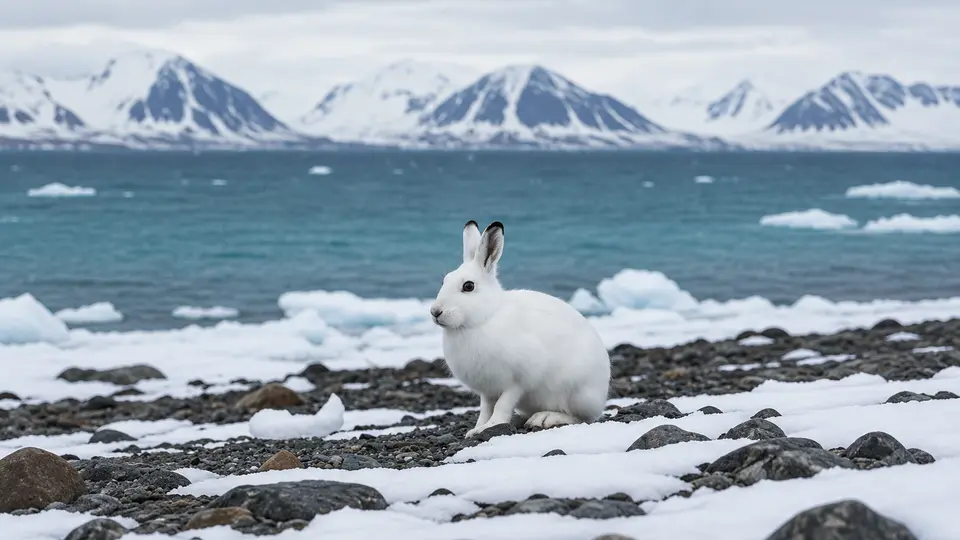
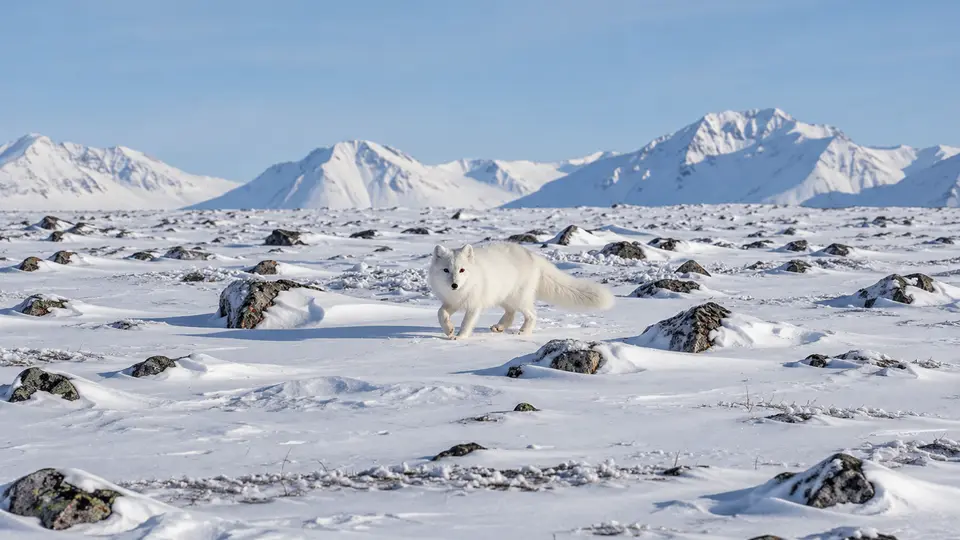
Hooded SealHooded SealArctic FoxArctic FoxArctic HareArctic Hare
Animal groupMammalsAnimal groupMammalsAnimal groupMammals
DestinationsArcticDestinationsNorway, ArcticDestinationsArctic
All wildlife destinations
Plan your trip

Find your next wildlife adventure

Compare destinations, shore programs and dates with the animals and habitats you would love to see.

  • Naturalist-led shore excursions
  • Responsible wildlife watching
  • Small expedition ships

Newsletter

Take Blue Rides with you

Adventure cruise offers, last-minute deals and trip inspiration.

Free, unsubscribe anytime. Details: Privacy Policy

Partner with Blue Rides

Affiliate Program

Recommend adventure cruises and earn commission on every confirmed booking.

Share. Track. Earn.

Your footage, our stage

Send us your videos or pictures.

Captured beautiful landscapes or wildlife? Share your videos and pictures with us, we may feature them on Blue Rides.