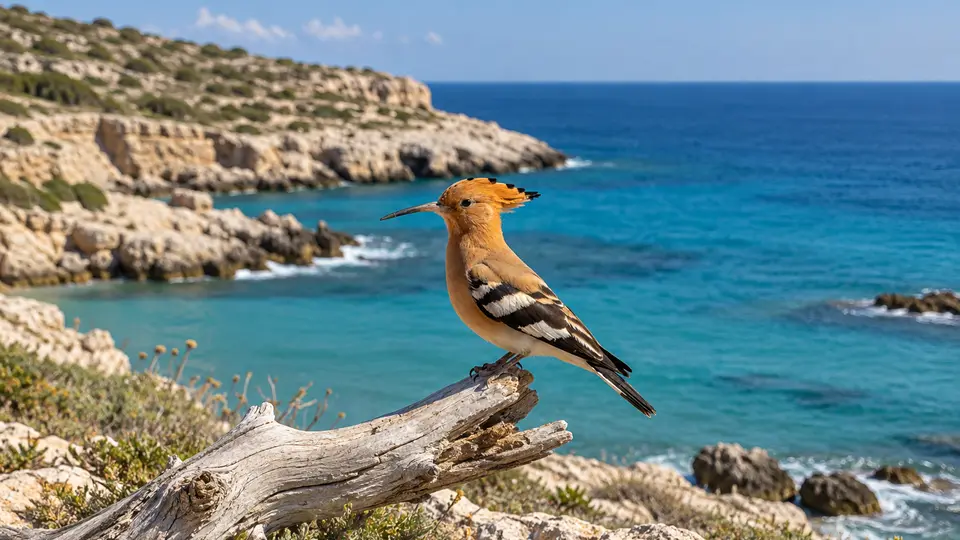
Hoopoe in its natural habitatAI-modified

HoopoeUpupa epopsWhere and when to see them

Hoopoe at a glance

The Eurasian hoopoe brings a striking combination of cinnamon plumage, broad striped wings and an erectile crest to open countryside. Despite its conspicuous appearance, it often disappears against dry soil while searching for insects. Its long, gently curved bill reaches prey beneath the surface, making short grass and lightly cultivated ground particularly valuable. In Greece it is principally a summer visitor and passage migrant, associated with traditional farmland rather than dense woodland.

Behaviour & reproduction

Size
25-29 cm (9.8-11.4 in) long
Weight
46-89 g (1.6-3.1 oz)
Lifespan
Up to 11.1 years in the wild (record)
Status
Least Concern

Hoopoes usually forage alone or in pairs, walking with deliberate steps and repeatedly probing the ground. A discovered insect may be tossed into the air before being swallowed. Males advertise territories with a soft, repeated hooping call that carries surprisingly well. Nesting takes place in existing cavities, including hollow trees and suitable walls. Adults briefly raise the crest when landing or becoming alert, while their broad wings produce a buoyant, somewhat butterflylike flight. Courtship involves the male feeding the female and a bowing display, often accompanied by the male's characteristic song. They have a distinctive undulating flight pattern, appearing somewhat jerky, which is caused by shallow wing beats interspersed with glides.

Top wildlife locations

Greece wildlife habitatAI-modified

Greece

Coastal olive groves, grazed fields and open village margins offer plausible land-based habitat. Productive areas may require a short inland excursion, and a beach or harbour visit alone is unlikely to suffice.
Destinations describe the species' habitat, not guaranteed cruise stops. Some animals require an optional inland excursion or are found in restricted reserves.

Fun facts about the Hoopoe

  • Its scientific name echoes the rhythm of its characteristic call.
  • The bill can open while inserted into soil, helping locate concealed prey.
  • Nestlings can direct foul-smelling defensive material toward an intruder.
  • The crest normally folds flat rather than remaining permanently raised.

Best time to see the Hoopoe

In Greece, April through September offers a practical window for looking in suitable countryside, with spring arrival and migration adding movement. Breeding activity is concentrated in spring and early summer. Timing varies with altitude, locality and weather, and winter records are much less widespread. Early spring, particularly April, is ideal for observing courtship displays and initial nesting activities. While present in summer, the heat can make midday observation more challenging as birds become less active.

Hoopoe: season matrix by destination

Travel and observation windows vary by region. Highlighted months are an orientation for planning, not confirmed sightings or a guarantee of access.

Greece

This window covers typical spring arrival, summer presence and autumn passage, not a guarantee of breeding or sightings at any particular coastal stop.

JanFebMarAprMayJunJulAugSepOctNovDec
Cruise ships in Greece

Where the Hoopoe lives

Open woodland, orchards, olive groves, pasture and lightly managed farmland provide suitable habitat when bare earth or short vegetation permits feeding. Nest cavities are essential. Intensively sealed ground, dense undergrowth and the loss of old trees can make otherwise open landscapes unsuitable. They are also found in vineyards and rural gardens with scattered trees, favoring areas where human disturbance is moderate. Essential nesting sites include natural tree hollows, old woodpecker holes, and crevices in rocks or buildings.

What the Hoopoe eats

Large insects and their larvae dominate the diet, particularly beetles, crickets and other ground-dwelling prey. The long bill probes soft soil and dung for concealed food. Spiders, earthworms and occasional small vertebrates supplement this predominantly insect-based diet. Prey includes a variety of larval and adult stages of insects such as mole crickets, caterpillars, and ants. They occasionally consume small reptiles like lizards, particularly during drier periods when insects are scarcer.

Species at a glance

Common name
Hoopoe
Scientific name
Upupa epops
Animal group
Birds
Size
25-29 cm (9.8-11.4 in) long
Weight
46-89 g (1.6-3.1 oz)
Lifespan
Up to 11.1 years in the wild (record)
Status
Least Concern
Identification
The cinnamon body, fan-shaped black-tipped crest and strongly barred black-and-white wings distinguish it from other European birds, while related African hoopoes are generally richer rufous and geographically separate. When perched, their long, slender, slightly downcurved bill is a key feature, adapted for probing. The crest is often held flat, but is conspicuously raised when excited or displaying, revealing the black tips.

Hoopoe: frequently asked questions

Where can I see the Hoopoe?
Greece. Scan short turf and orchard edges from public paths, listening for the repeated call. Keep clear of occupied tree holes and wall cavities, since approaching a nest can interrupt feeding of concealed chicks. Focus on disturbed ground near farm buildings or the edges of cultivated fields where they are likely to forage. During shore excursions, listen carefully for their distinctive 'hoo-poo-poo' call which is often heard before the bird is seen.
When is the best time to see the Hoopoe?
In Greece, April through September offers a practical window for looking in suitable countryside, with spring arrival and migration adding movement. Breeding activity is concentrated in spring and early summer. Timing varies with altitude, locality and weather, and winter records are much less widespread. Early spring, particularly April, is ideal for observing courtship displays and initial nesting activities. While present in summer, the heat can make midday observation more challenging as birds become less active.
How big does the Hoopoe get?
25-29 cm (9.8-11.4 in) long. Adult weight: 46-89 g (1.6-3.1 oz). Size varies with age, sex and population.
How should I behave around the Hoopoe?
Scan short turf and orchard edges from public paths, listening for the repeated call. Keep clear of occupied tree holes and wall cavities, since approaching a nest can interrupt feeding of concealed chicks. Focus on disturbed ground near farm buildings or the edges of cultivated fields where they are likely to forage. During shore excursions, listen carefully for their distinctive 'hoo-poo-poo' call which is often heard before the bird is seen.
What does the Hoopoe eat?
Large insects and their larvae dominate the diet, particularly beetles, crickets and other ground-dwelling prey. The long bill probes soft soil and dung for concealed food. Spiders, earthworms and occasional small vertebrates supplement this predominantly insect-based diet. Prey includes a variety of larval and adult stages of insects such as mole crickets, caterpillars, and ants. They occasionally consume small reptiles like lizards, particularly during drier periods when insects are scarcer.
Are wildlife sightings guaranteed on an adventure cruise?
No. Animals move freely and routes, weather, access restrictions and local conditions influence every outing. Confirm the actual itinerary and shore program before booking.

Compare wildlife in the same destinations

Explore other birds recorded in these destinations. Similar surroundings do not mean the animals share the same habits or viewing season.

Species comparison by animal group and destination
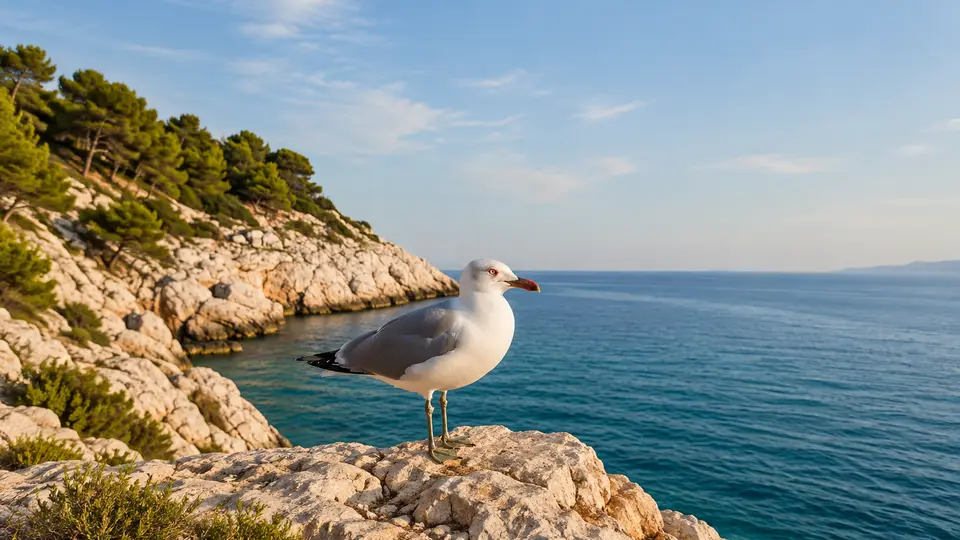
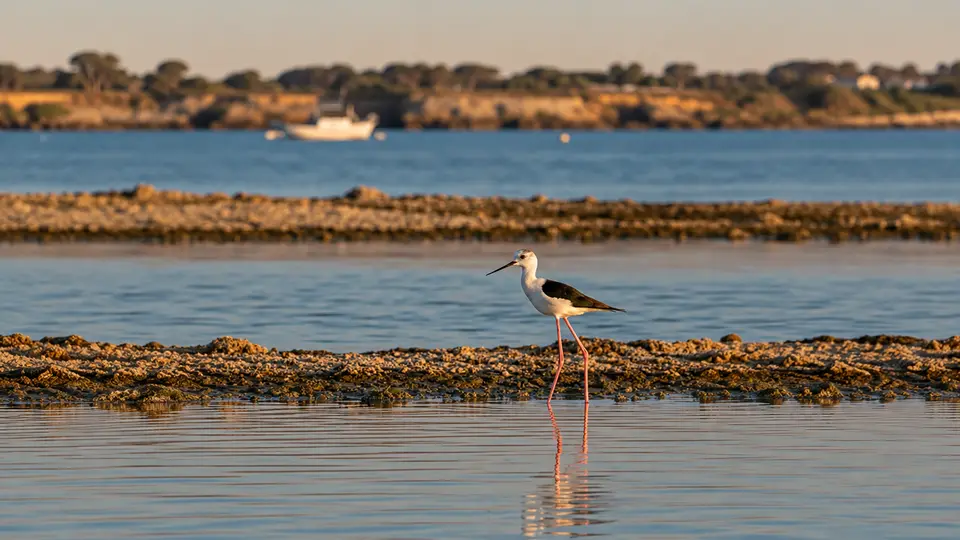
HoopoeAI-modifiedHoopoeAudouin's GullAI-modifiedAudouin's GullBlack-winged StiltAI-modifiedBlack-winged Stilt
Animal groupBirdsAnimal groupBirdsAnimal groupBirds
DestinationsGreeceDestinationsCroatia, Greece, Portugal, TurkeyDestinationsCroatia, Greece
Scientific nameUpupa epopsScientific nameScientific name
All wildlife destinations
AI-modified
Plan your trip

Find your next wildlife adventure

Compare destinations, shore programs and dates with the animals and habitats you would love to see.

  • Naturalist-led shore excursions
  • Responsible wildlife watching
  • Small expedition ships